





Cobalt Blue Porcelain Dishes
Cobalt blue porcelain dishes bring rich cobalt glaze, intricate underglaze blue, and shining gilding to any table.
Cobalt Blue Porcelain Dishes
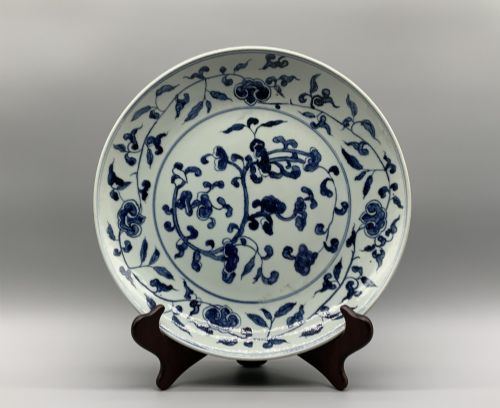
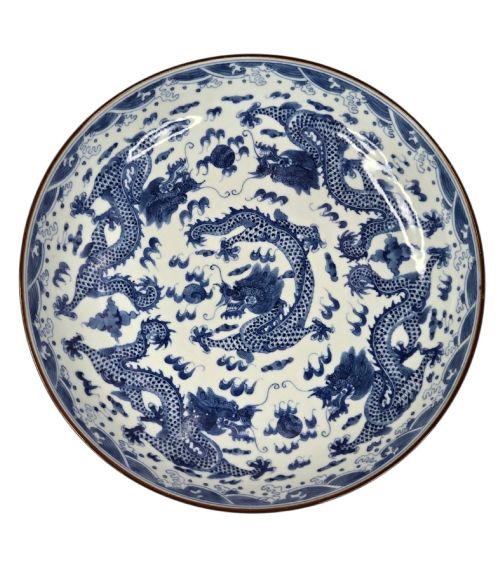
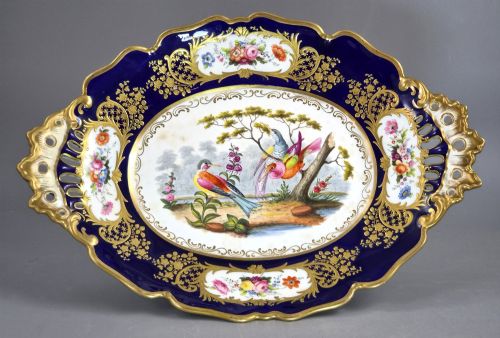
When searching for cobalt blue porcelain dishes, buyers encounter a diverse selection ranging from decorative plates and cabinet plates to decorative chargers and bowls. These items span multiple eras, including the 17th, 18th, 19th, and 20th centuries, reflecting centuries of global ceramic production.
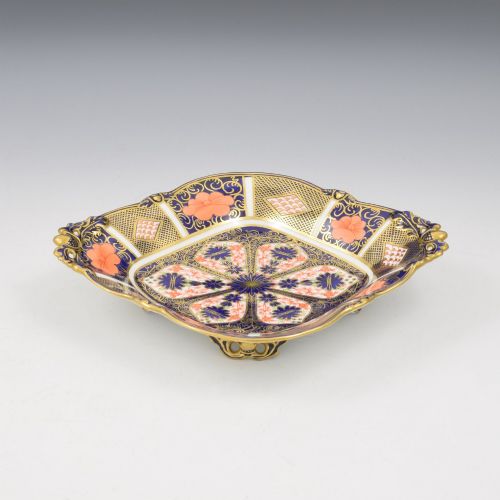
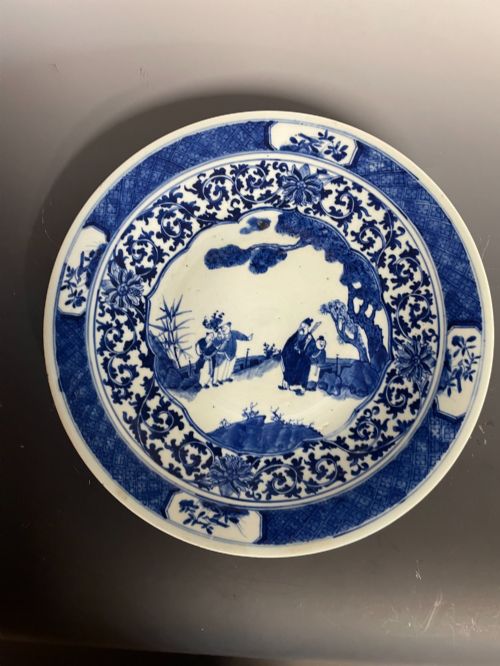
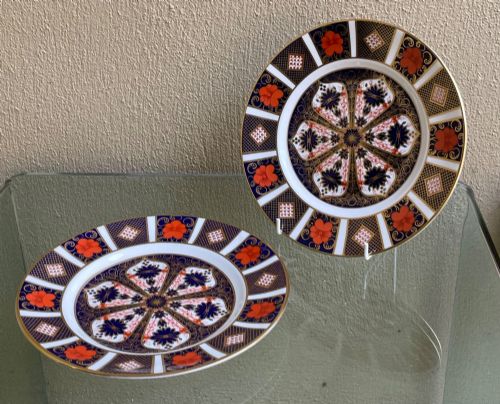
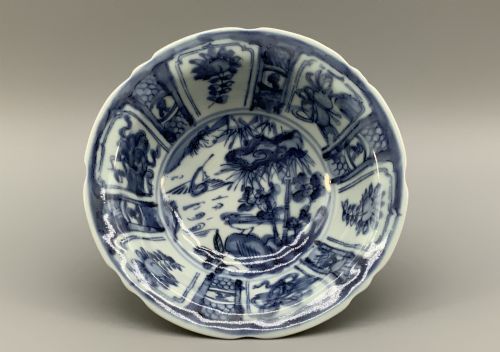
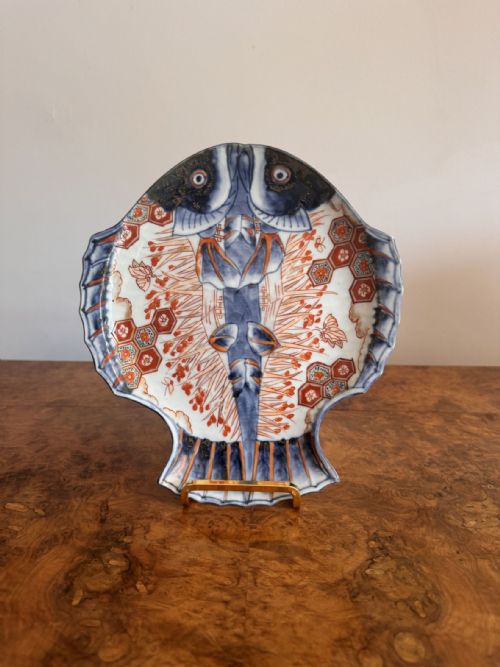
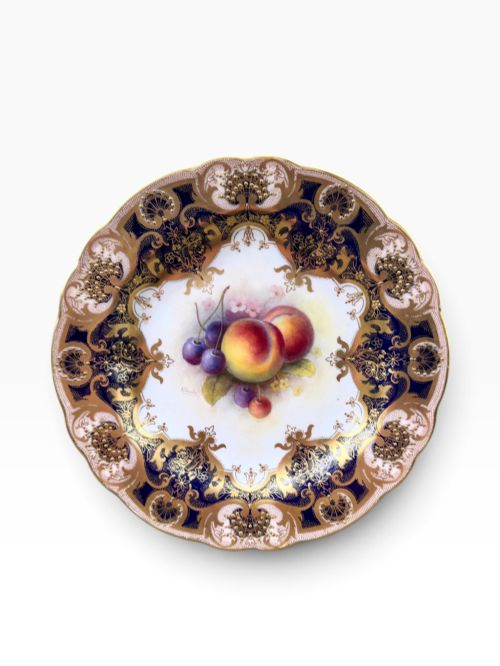
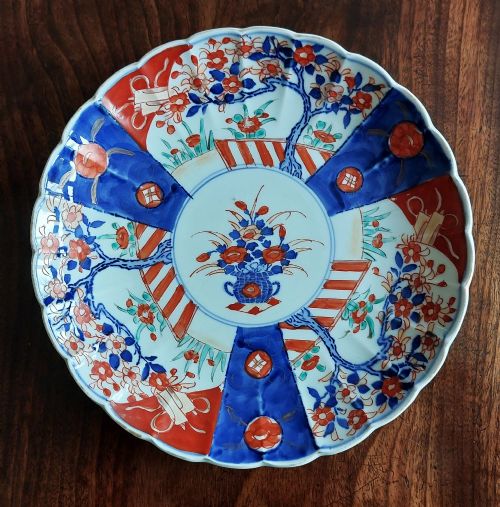
The assortment on this page leans heavily toward Japanese Imari pieces from the Meiji period, alongside English cabinet plates by makers such as Royal Worcester and Royal Crown Derby. Pieces from Chinese dynasties and French factories also appear, offering varied forms like scallop-edged bowls and fish-shaped plates.
How they were made
Makers utilised porcelain, bone china, and ironstone as foundations, applying cobalt glaze and cobalt underglaze to achieve deep blue coloration. Enamel colours and gold leaf were frequently added over the glaze for rich decoration.
Techniques combined hand painting with precise glazing and firing processes, sometimes incorporating gilding to highlight moulded edges, floral motifs, and figurative scenes.
Listings feature porcelain, ironstone, and bone china decorated with cobalt glaze, enamel, and gold leaf across multiple centuries.
What varies in quality
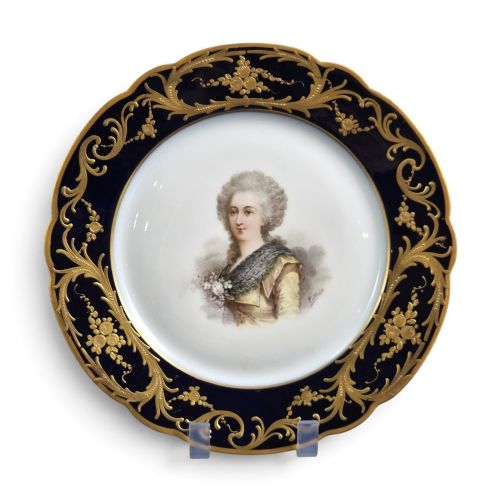
Quality rests upon the crispness of the cobalt painting, the precision of the gilding, and the subtlety of any hand-painted fruit or portrait scenes. Pieces signed by known artists or originating from esteemed kilns command attention for their superior artistry.
The complexity of the moulding, such as scalloped edges, fish shapes, or lobed bowls, distinguishes standard wares from exceptional examples of the potter's craft.
Royal Crown Derby·Royal Worcester·John Davenport·Coalport·Hicks and Meigh
The Cobalt Blue Porcelain Dishes Glossary
- Cobalt glaze
- A metallic oxide mixture applied to ceramics to produce a rich blue colour during firing. It remains stable at high temperatures.
- Imari
- A style of Japanese porcelain featuring a distinct palette of cobalt blue, iron red, and gold. This style gained immense popularity in Europe.
- Cabinet plate
- A decorative ceramic plate intended for display in a cabinet rather than for dining use. These often feature elaborate painted scenes.
- Underglaze
- Pigment applied to ceramic ware before the final glaze and firing. This protects the decoration beneath a glossy protective layer.
Cobalt Blue Porcelain Dishes: Frequently Asked Questions
How do I identify Imari pieces?
Imari porcelain typically combines cobalt blue and iron red with gold leaf accents on a white base. These pieces often feature complex floral or avian motifs.
Japanese examples date widely from the Meiji period, while English factories produced their own interpretations during the Georgian and Victorian eras.
Can I use cabinet plates for dining?
Cabinet plates are created primarily for display rather than everyday use. Their delicate painted scenes and gold leaf details require careful handling.
Displaying them on stands or in cabinets preserves their painted surfaces from wear and cutlery marks.
What is the difference between porcelain and ironstone?
Porcelain is a vitrified ceramic material made from specific clays fired at high temperatures to achieve a translucent, non-porous body. Ironstone is a dense, durable type of earthenware developed in the nineteenth century.
Ironstone pieces, such as those by Mason's or Davenport, tend to be heavier and thicker than fine porcelain cabinet plates.
How should I clean antique blue and white dishes?
Clean antique ceramic dishes gently using lukewarm water and mild soap. Avoid abrasive sponges or harsh detergents that can damage surface gilding.
Dry them immediately with a soft cloth to protect any metallic accents and painted enamels from moisture damage.