






Oriental Hand Painted Plates
Oriental hand painted plates bring together centuries of ceramic artistry from China and Japan, offering vibrant domestic displays.
Oriental Hand Painted Plates
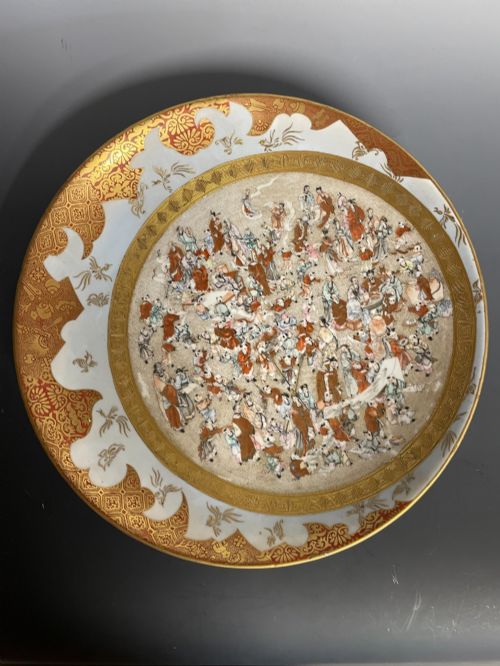
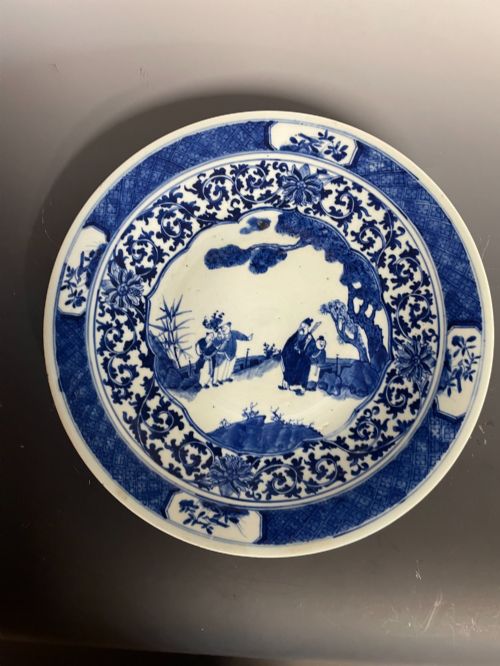
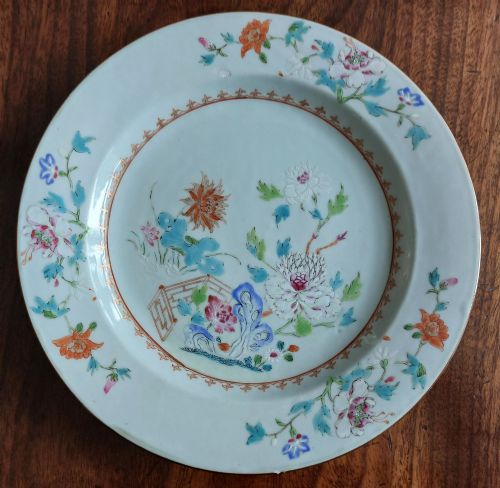
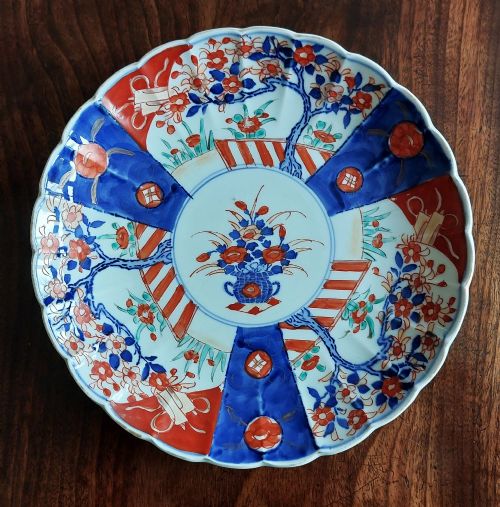
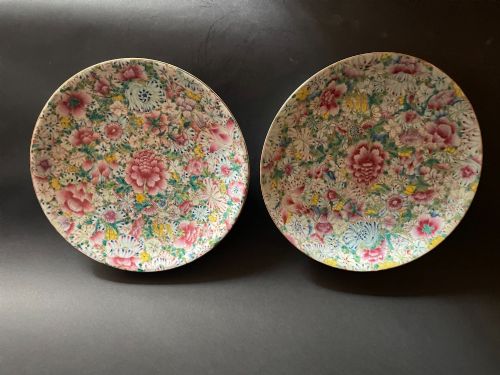
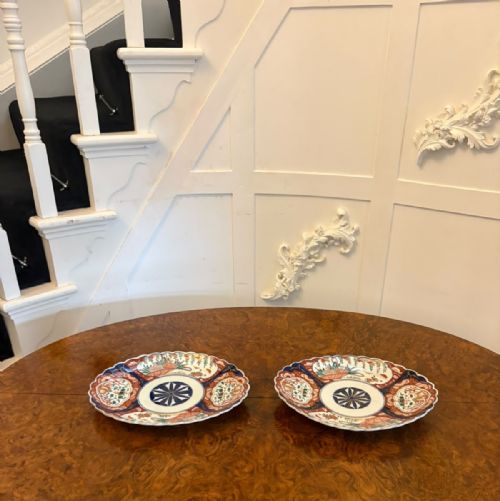
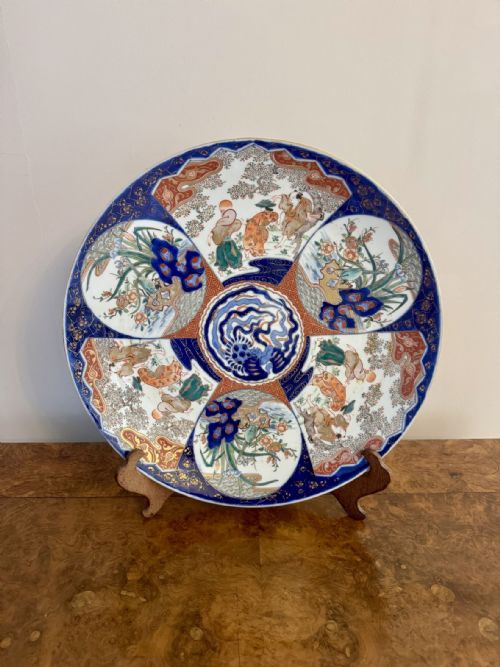
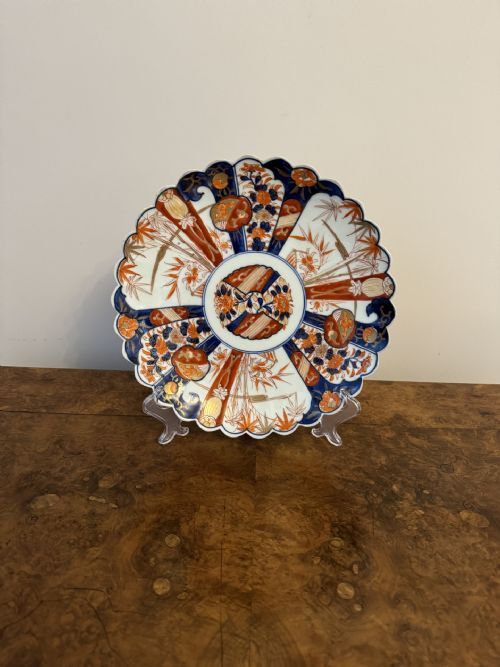
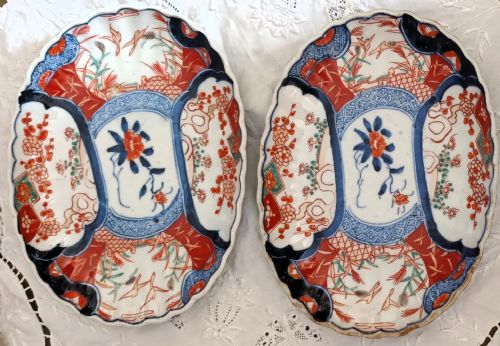
Oriental hand painted plates comprise decorative dishes, chargers, and bowls originating from various historical periods in China and Japan. Buyers searching this phrase will most frequently encounter Japanese Imari plates from the Meiji period, alongside Chinese export and Famille Rose pieces.
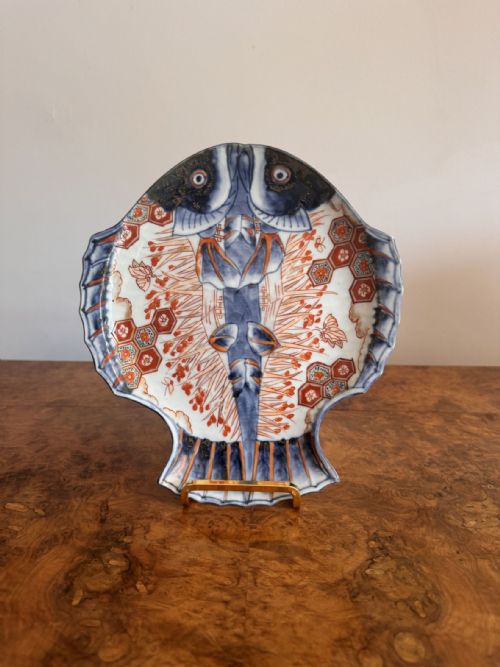
Forms range from standard circular plates to scalloped edges, hexagonal shapes, oval dishes, and fish-shaped vessels. These items function primarily as decorative chargers and wall plates, designed to catch the eye in a room.
Origins span the eighteenth, nineteenth, and early twentieth centuries, reflecting distinct shifts in Asian ceramic production for both domestic use and export markets.
How oriental hand painted plates were made
Potters shaped porcelain bodies before applying cobalt underglaze pigments to create foundational blue designs. This initial painting step was fired at high temperatures to secure the cobalt beneath the protective vitreous layer.
Overglaze enamel colours, including iron red and green, were subsequently painted onto the fired surface alongside gold leaf and gilding. A secondary, lower-temperature firing fixed these enamels and metallic accents firmly onto the glaze.
One exceptional plate on this page takes the physical form of a fish.
What varies in quality
The precision and complexity of the hand painted brushwork dictate the visual weight and refinement of each dish. Pieces featuring intricate floral, bird, or figural motifs require superior craftsmanship compared to simpler repeating patterns.
The application of cobalt underglaze, overglaze enamel, and gold leaf determines the depth and richness of the finished surface. Richly gilt and layered enamel work distinguishes finer chargers and plates from standard production items.
Koshida
The Oriental Hand Painted Plates Glossary
- Imari
- A style of Japanese porcelain decorated in underglaze blue and overglaze red, gold, and other colours. It originated in the town of Arita and became immensely popular for export.
- Kutani
- A style of Japanese coloured porcelain known for bold designs and vibrant palettes. These pieces frequently incorporate detailed pictorial scenes.
- Famille Rose
- A major palette of Chinese ceramic glaze introduced in the eighteenth century, distinguished by opaque pink or purple enamel. It allowed for a wider range of pastel shades.
- Charger
- A large decorative plate or dish used traditionally for presentation or wall display rather than for serving food. They showcase the artist's work across a broader surface area.
Oriental Hand Painted Plates: Frequently Asked Questions
How were these plates used?
These pieces served primarily as decorative items, displayed on walls or on large chargers across formal rooms.
They were designed for visual impact rather than daily dining use.
How do I identify Imari pieces?
Imari pieces typically feature a distinct combination of cobalt blue underglaze and iron red overglaze, highlighted with gold leaf.
Designs often incorporate complex floral and bird motifs across Japanese porcelain.
What is the Meiji period?
The Meiji period spans an era of significant Japanese history lasting from eighteen sixty-eight to nineteen twelve.
Porcelain from this time frequently shows meticulous hand painted detail tailored for international markets.
How do I clean antique porcelain?
Dust these plates gently with a soft, dry brush to prevent the accumulation of particles.
Avoid immersion in water, particularly on pieces with delicate overglaze enamels and gold leaf.