


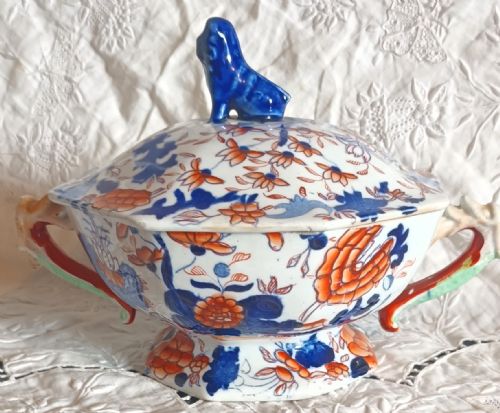
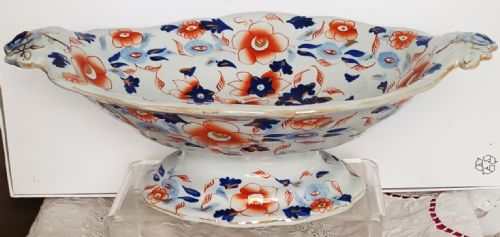

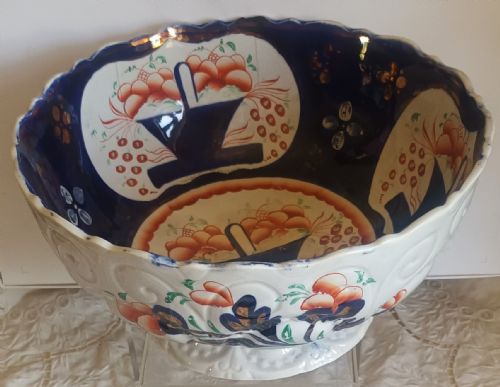
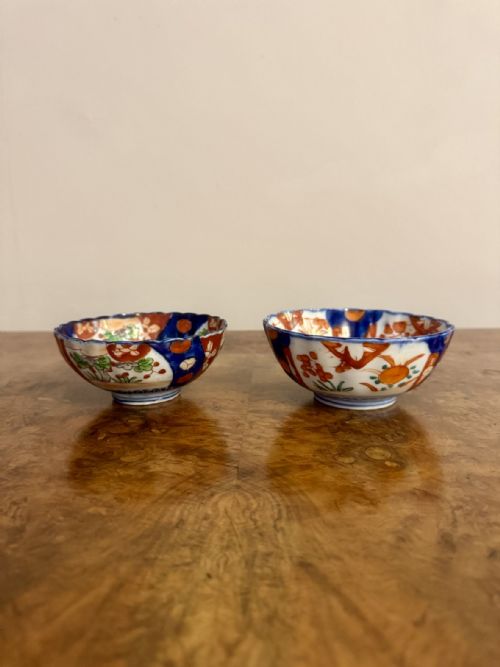
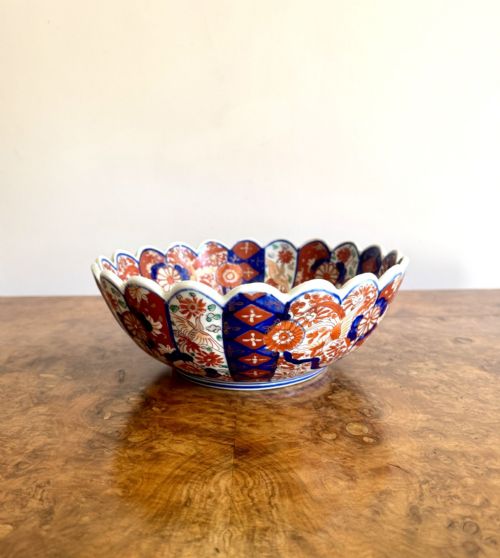


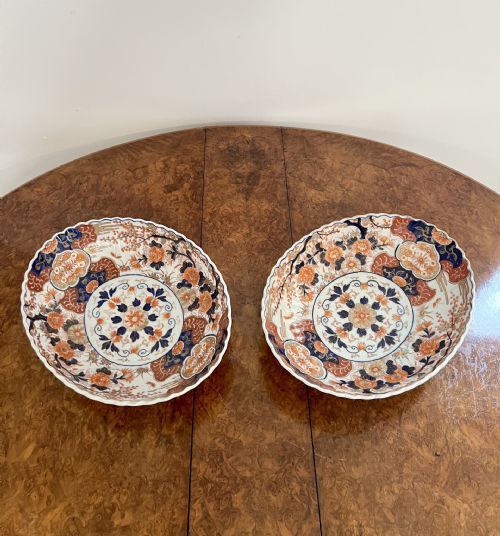
Cobalt Blue Imari Bowl
A cobalt blue imari bowl brings rich colour and pattern into a room, offering traditional ceramic artistry for display.

Identifying your cobalt blue imari bowl
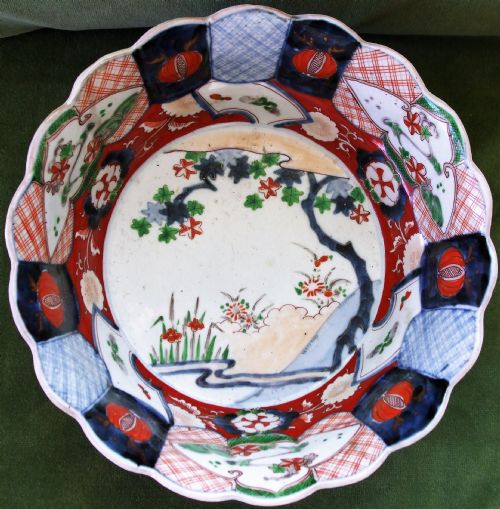
A cobalt blue imari bowl is a decorative vessel rooted in Japanese ceramic traditions, created for export markets and domestic display. When you examine these pieces, you encounter items originating from the Meiji period and the Edwardian era.
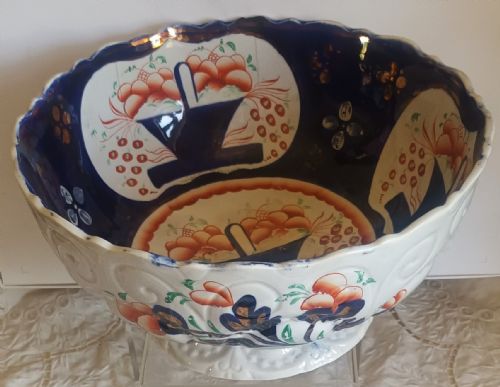
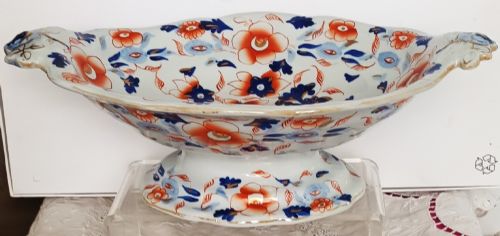
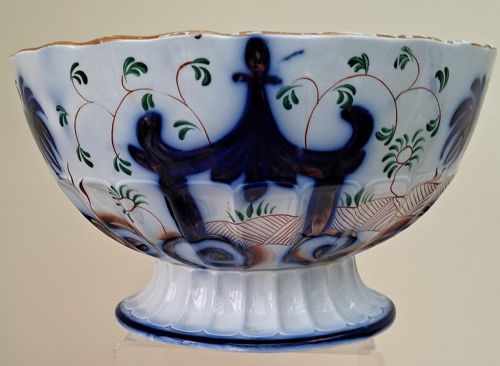
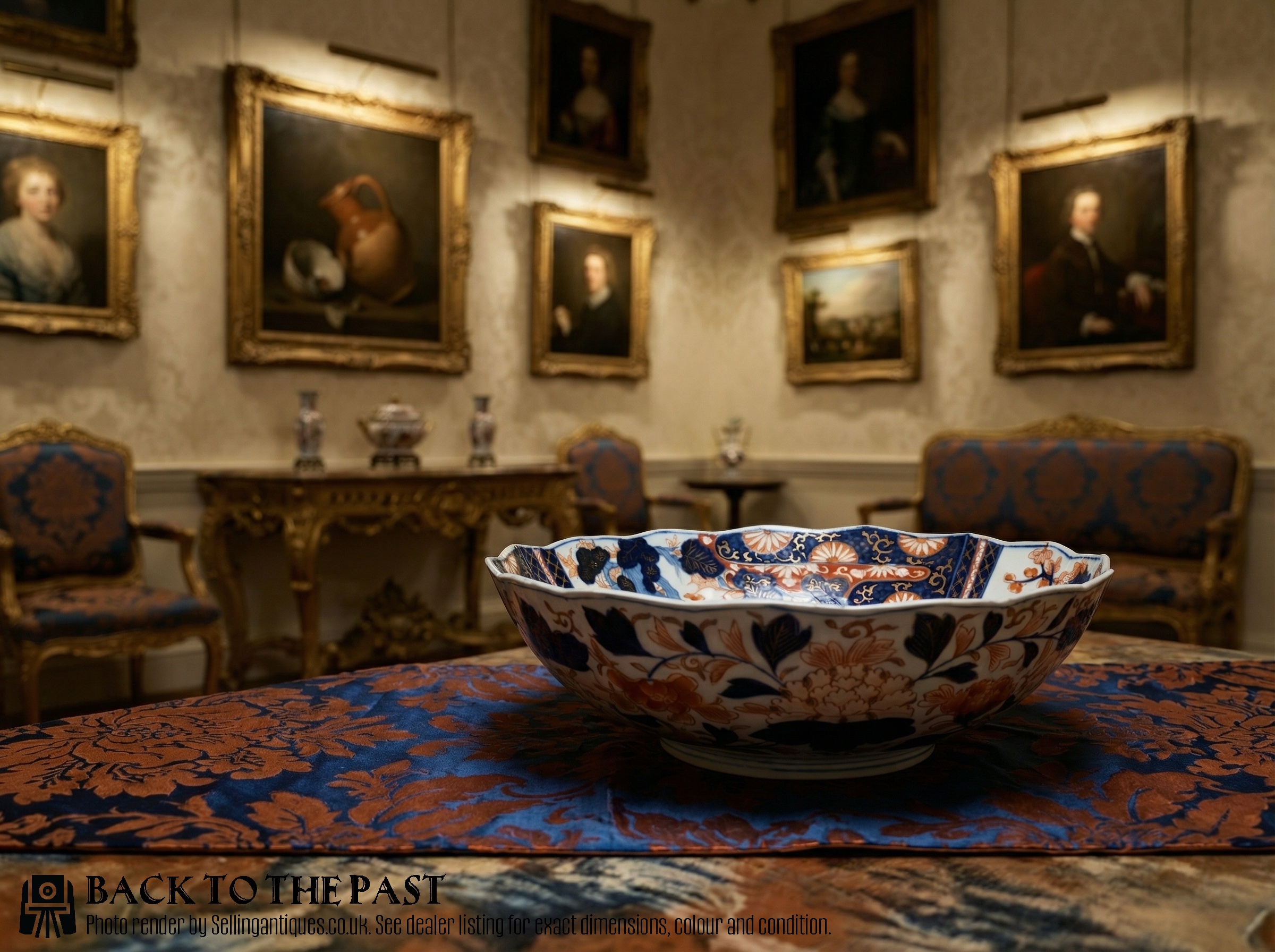
The objects appearing on this page take the form of decorative bowls and large centrepieces. Many feature distinct scallop edges that define their silhouette.
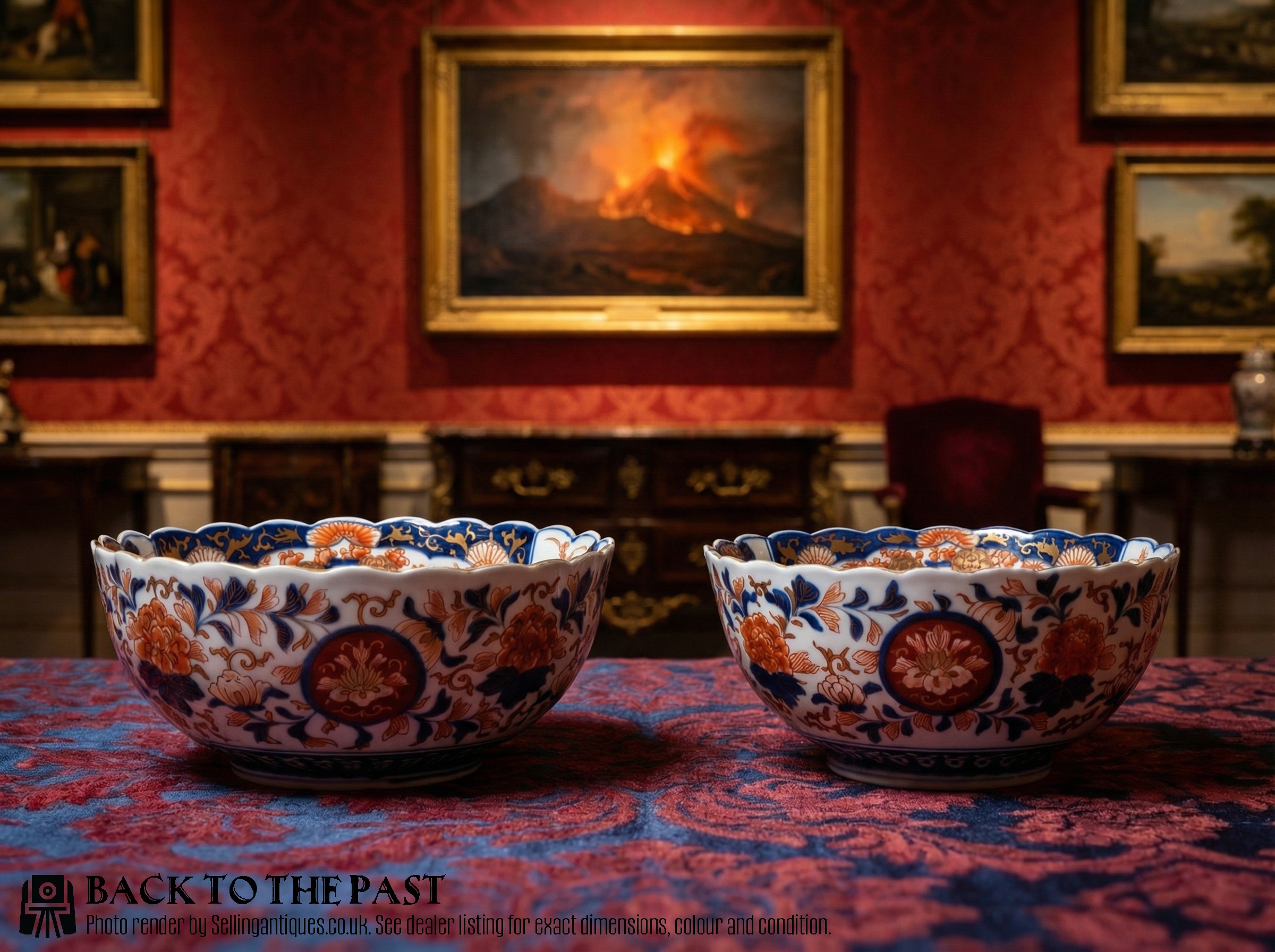
The inventory includes single examples as well as an antique near pair. These items represent Japanese export wares designed to catch the eye in any interior setting.
Materials and construction
These vessels are fashioned from porcelain, providing a hard and ringing white ceramic body as the foundation. Artisans applied glaze to seal the surface and protect the decoration underneath.
The ornamentation relies on cobalt blue pigment combined with enamel and gold leaf. This palette creates the characteristic richness seen across the pieces.
Retail Price Guide 2026
Typical UK retail prices for cobalt blue imari bowl, calculated from the Sellingantiques database of over a million retail prices indexed since 2003. This retail price guide relies exclusively on Sellingantiques data; no external sources or auction records are used, so the figures do not describe the wider market.
Listings span the nineteenth century and 1900, uniting porcelain, glaze, enamel, and gold leaf in Japanese Imari and Edwardian export styles.
Judging quality and execution
Quality in these ceramics rests upon the crispness of the porcelain body and the precision of the scallop edge formation. Finer examples display a superior balance of cobalt blue, enamel, and gold leaf on the glaze.
The distinction between standard items and those described with greater distinction lies in the ambition of the size and the complexity of the decorative scheme.
The Cobalt Blue Imari Bowl Glossary
- Imari
- A style of Japanese export porcelain characterised by a palette of cobalt blue and iron red, often enriched with gold leaf. It originated in Arita and was shipped through the port of Imari.
- Meiji Period
- The era in Japanese history spanning from 1868 to 1912, noted for opening trade with the West and producing distinctive export wares. Pieces from this time often bear intricate hand-painted motifs.
- Porcelain
- A ceramic material made by heating materials, generally including kaolin, in a kiln to a high temperature. It results in a hard, non-porous, and white body.
- Edwardian
- Pertaining to the reign of King Edward VII, spanning from 1901 to 1910. In the context of these listings, it marks the contemporaneous British period for Japanese export arrivals.
- Centrepiece
- A large decorative bowl placed in the middle of a table or surface as a focal point. These items were made to command attention in a room.
Frequently Asked Questions
Where were these bowls made?
These pieces originate from Japan, specifically produced as export wares during the Meiji period.
They reflect traditional craftsmanship directed towards international markets.
How do I display a centrepiece bowl?
A large decorative bowl sits well on a central table or sideboard where its pattern can be appreciated.
The rich colours work best in spaces with good natural light.
What materials make up the decoration?
The surface decoration incorporates cobalt blue pigment alongside enamel and gold leaf.
These elements are applied over a white porcelain body and sealed beneath a clear glaze.
How do I identify the Meiji period?
Meiji period pieces date from the late nineteenth century into the early twentieth century.
They are defined by distinct Japanese export styles and traditional manufacturing techniques.