

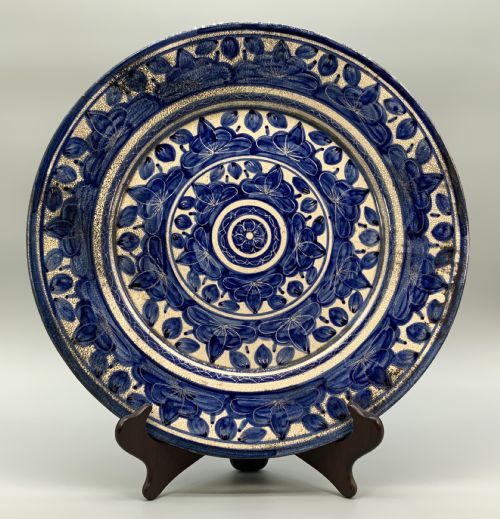


Cobalt Blue Delft Dish
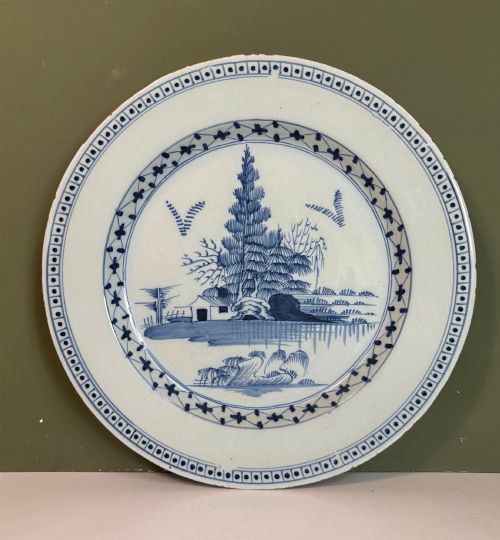
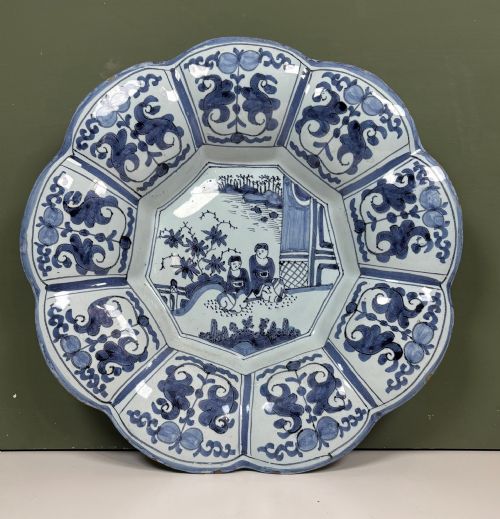
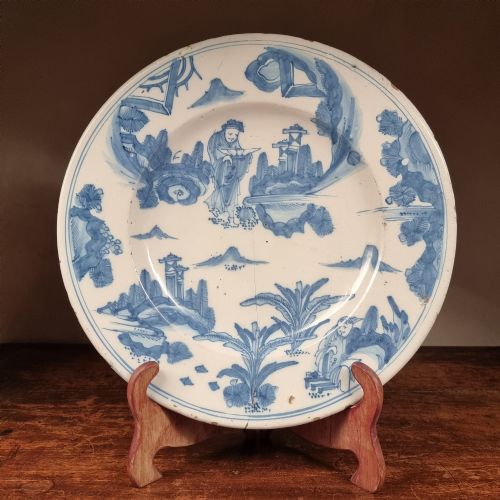
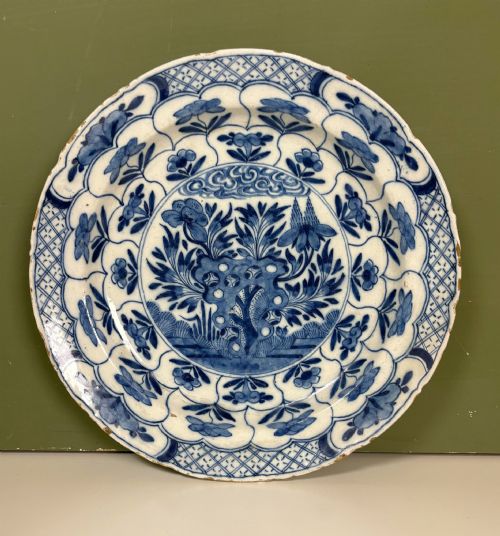
A cobalt blue delft dish brings rich historical character to a room through deep oxide pigments and tin-glazed earthenware forms.
Cobalt Blue Delft Dish
A cobalt blue delft dish is a tin-glazed ceramic object shaped as a plate, charger, bowl, or shallow dish. When searching for this phrase, collectors encounter various forms spanning from the seventeenth century through to the eighteenth century, alongside twentieth-century continental pieces.
The versions most frequently met on this page are eighteenth-century English and Dutch chargers and plates. These pieces display distinct stylistic influences ranging from Georgian chinoiserie to Dutch baroque and Moorish designs.
Materials and construction methods
These pieces are constructed from earthenware coated in a tin glaze that creates the characteristic opaque white surface. Artisans then applied cobalt pigment and cobalt oxide directly onto the unfired glaze to form the blue painted decoration.
The firing process bonded the mineral pigments into the white tin glaze, resulting in the characteristic deep blue and white contrast seen across chargers and plates.
Current listings feature earthenware objects spanning the seventeenth century, the eighteenth century, and the twentieth century.
Assessing quality in delftware
Quality rests upon the crispness of the blue painted brushwork and the stability of the tin glaze across the earthenware body. Pieces featuring detailed Chinese-inspired motifs or complex Dutch baroque patterns demonstrate superior artistic execution.
Condition also distinguishes examples, as the tin glaze on earthenware is prone to edge chipping and surface wear over centuries of handling. Chargers and plates with intact glazes and strong pigment retention command greater attention from collectors.
The Cobalt Blue Delft Dish Glossary
- Tin glaze
- An opaque white ceramic glaze containing tin oxide that provides the smooth background for blue pigment. It defines the tactile surface of traditional delftware.
- Charger
- A large decorative plate or dish typically intended for display rather than dining. These pieces often feature prominent wall hanging rims.
- Cobalt pigment
- A mineral colourant used to achieve the deep blue painted designs on earthenware. It reacts with the glaze during firing to produce distinct tonal depths.
- Earthenware
- Porous pottery fired at lower temperatures than stoneware or porcelain. It forms the ceramic body beneath the tin glaze.
- Kraak plate
- A style of imported ceramic design featuring compartmentalised panel decoration. Seventeenth-century delft makers adapted these patterns for European production.
Cobalt Blue Delft Dish: Frequently Asked Questions
How were delft dishes used?
These pieces served both practical dining functions and decorative display roles within households. Large chargers were frequently hung on walls or set on dressers to showcase blue and white patterns.
Smaller plates saw use at table before shifting into purely ornamental roles as centuries passed and tin-glazed ceramics became valued antiques.
How can I tell seventeenth-century pieces apart from eighteenth-century ones?
Seventeenth-century items often exhibit heavier earthenware bodies and tighter adherence to early styles like Kraak or Dutch baroque. Their forms tend to be robust and deeply dished.
Eighteenth-century examples frequently show lighter potting techniques, alongside changing decorative influences such as Georgian chinoiserie and revised floral arrangements.
Are English and Dutch delft dishes different?
English and Dutch potteries shared similar tin-glazing methods and cobalt blue decoration techniques. However, production centres in Bristol, London, and the Netherlands developed distinct regional painting styles and clay bodies.
Examining the foot ring, glaze texture, and specific brushwork helps identify the likely origin of an individual plate or charger.
How do I care for a historic delft dish?
Keep these earthenware pieces away from moisture and damp environments to protect the porous ceramic body beneath the tin glaze. Display them securely using padded hangers or stable plate stands.
Dust gently with a dry, soft cloth and avoid chemical cleaners that might harm the historic glaze surface.