






Cobalt Blue Decor
Cobalt blue decor brings together centuries of rich blue pigments across porcelain, earthenware, enamel, and glass.
Cobalt Blue Decor
When you search for cobalt blue decor, you encounter a diverse gathering of ceramics, glass, and metalwork defined by their striking blue ornamentation. The pieces found here range from large chargers and vases to tableware and decorative vessels, spanning periods from the seventeenth century through to the early twentieth century.
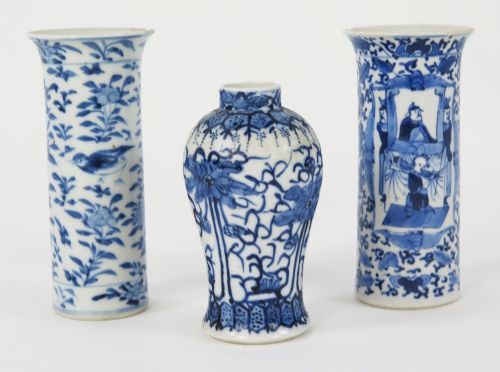
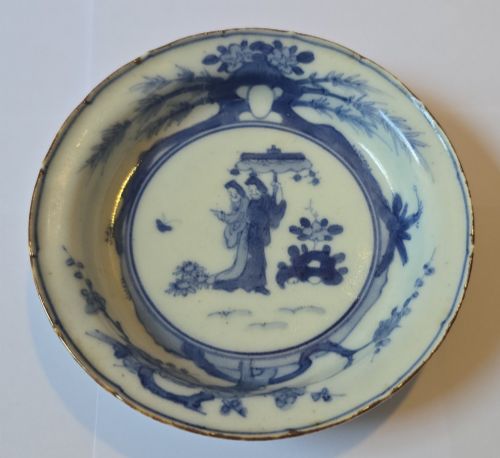
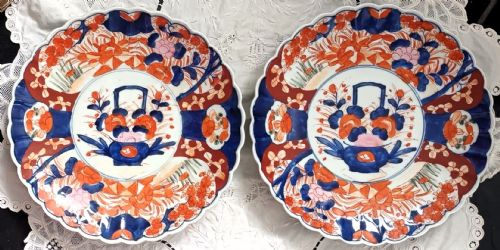
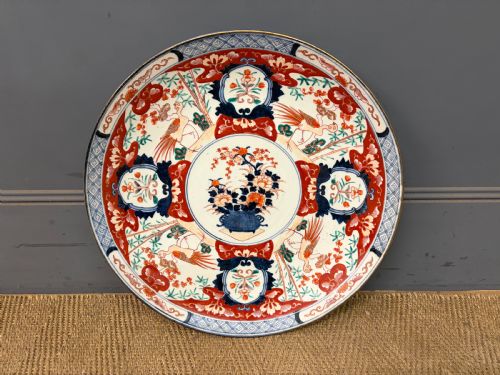
The most prevalent style meeting this description is Japanese Imari porcelain, alongside various examples of English and continental European blue and white ceramics. These items originate from distinct traditions including Edo and Meiji period Japan, Qing dynasty China, and European factories such as Delft and Wedgwood.
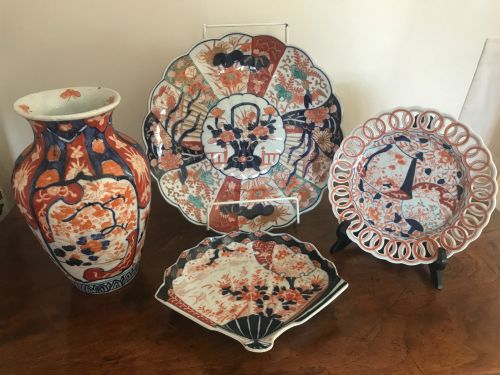
Forms vary from shallow dishes and wall plates to hexagonal bowls, shell-shaped plates, and tobacco jar lamps. Each piece relies on the intensity of the blue pigment, often contrasted with white grounds, gilt accents, or additional enamel colours.
Materials and methods
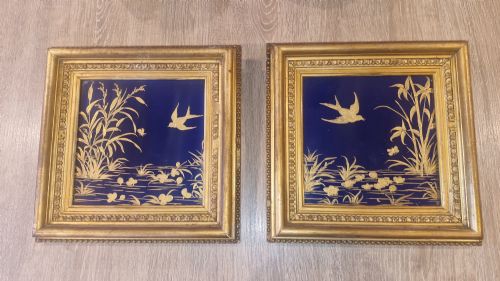
The making of these pieces relies heavily on ceramic bodies such as porcelain, earthenware, and tin-glazed earthenware, painted with cobalt pigments before glazing and firing. In many instances, artisans applied gold leaf or gilt details over the glaze to catch the light, adding a layer of ornamentation to the deep blue base.
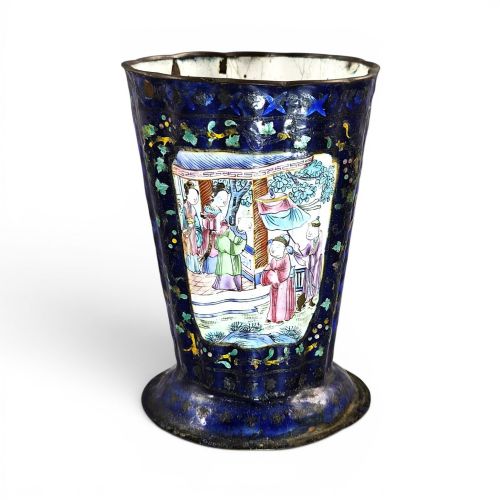
Other techniques visible in the collection include enamel applied directly onto copper vessels, and guilloche enamel paired with silver gilt. Etched glass and specialised pottery bodies like Jasper ware further demonstrate the variety of manufacturing processes employed across different centuries and workshops.
Cobalt Blue Decor Retail Price Guide 2026
Typical asking prices for cobalt blue decor among the pieces listed under this phrase on Sellingantiques today, from the lower quarter to the upper quarter. They describe what is for sale here now, not the wider market.
The listings combine items from the seventeenth, eighteenth, nineteenth, and early twentieth centuries, featuring porcelain, earthenware, enamel, and glass.
Judging quality in cobalt pieces
Quality in these items rests upon the crispness of the painted decoration and the depth of the cobalt pigment itself. Pieces with steady brushwork, well-defined motifs, and balanced compositions stand apart from simpler or more hurried productions.
The handling of secondary materials, such as the precision of the gilding or the smoothness of the enamel surfaces, also dictates the standard of the object. Consideration is given to the preservation of the original glaze and the overall harmony of form and colour.
The Cobalt Blue Decor Glossary
- Imari
- A style of Japanese porcelain featuring a palette dominated by cobalt blue and iron red, frequently accented with gold. It gained immense popularity for export during the Edo and Meiji periods.
- Delft
- Tin-glazed earthenware produced in the Netherlands, traditionally decorated with blue designs inspired by Chinese porcelain imports. It is known for its opaque white surface.
- Guilloche
- A decorative technique where a precise, intricate pattern is mechanically engraved into a metal surface beneath a translucent layer of enamel. This method was favoured in early twentieth-century silver and enamel work.
- Jasper ware
- A fine-grained, unglazed stoneware developed by Wedgwood, typically featuring white classical reliefs applied against a coloured background such as blue.
- Charger
- A large decorative plate intended primarily for display on a wall or dresser rather than for dining use.
Cobalt Blue Decor: Frequently Asked Questions
What is cobalt blue decor?
Cobalt blue decor encompasses antiques and decorative objects united by the use of deep cobalt blue pigments. This includes everything from Japanese export porcelain and European Delft plates to enamel vessels and glass.
The category spans multiple centuries and manufacturing traditions, highlighting how different cultures utilised cobalt oxide to achieve striking blue ornamentation.
How do I care for antique ceramics?
Antique ceramics and enamel pieces require gentle handling and should be kept away from direct sunlight and sudden temperature changes. Dust them softly with a dry cloth and avoid harsh chemical cleaners.
Items intended for display, such as large chargers or delicate porcelain plates, are best kept on stable surfaces or mounted securely if hung on walls.
How do I date a blue and white plate?
Dating ceramic pieces involves examining the potting technique, the characteristics of the blue pigment, and any maker marks or stamps on the base. Stylistic clues, such as the specific floral or avian motifs used in Imari wares, also help narrow down the period.
Comparison with documented pieces from eras like the Edo period or the eighteenth century provides a clearer timeframe for origin.
Where were these pieces made?
The objects found in this category originate from diverse workshops and kilns around the world. Major centres of production represented include Japan, China, and various European nations such as England, France, and the Netherlands.
Each region brought distinct techniques to the creation of blue-decorated items, from Arita export porcelain to English earthenware.