



1920s Blue Glass Vase
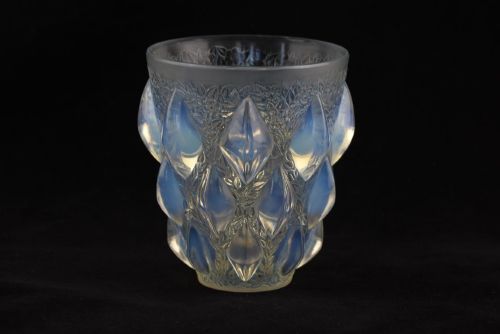
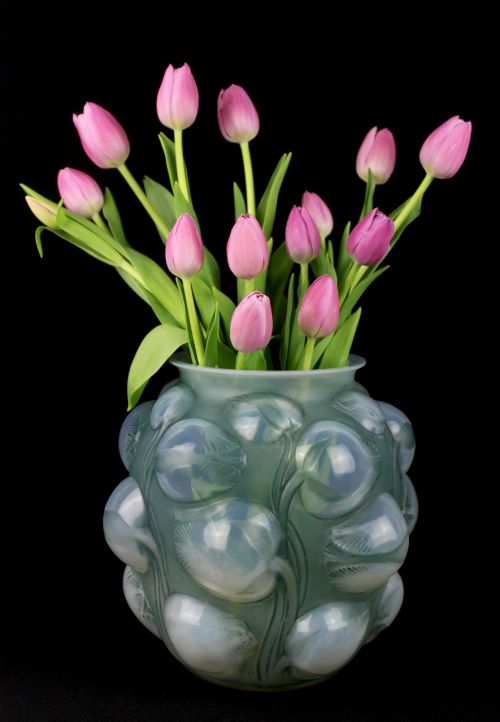
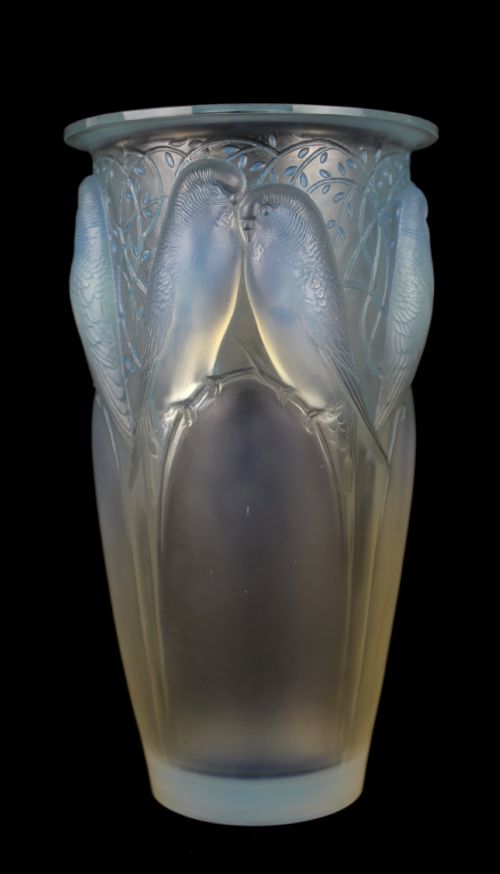
These 1920s blue glass vase examples combine modernist geometry and organic motifs, bringing vibrant twentieth-century colour and texture into a room.
1920s Blue Glass Vase
A 1920s blue glass vase stands as a striking representative of Art Deco and Art Nouveau design, merging functional vessel forms with sculptural glassmaking. When you search for a 1920s blue glass vase, you encounter pieces originating primarily from the 1920 and 1930 decades.
The versions most commonly met on this page utilise moulded, pressed, or cameo glass techniques to create heavy, tactile surfaces. Many examples integrate opalescent or frosted finishes alongside blue patina and stained glass highlights.
How they were made
Makers produced these pieces utilising complex moulding and pressing techniques to shape heavy molten material into intricate relief patterns. Craftsmen then applied frosted finishes, opalescent treatments, and blue stains to accentuate the high-relief botanical and geometric designs.
The integration of cameo glass methods involved acid-etching multiple glass layers to reveal contrasting background colours and detailed floral motifs. These collaborative processes between designer and glasshouse ensured each vessel achieved its distinctive depth and texture.
1920s Blue Glass Vase Retail Price Guide 2026
Typical asking prices for 1920s blue glass vase among the pieces listed under this phrase on Sellingantiques today, from the lower quarter to the upper quarter. They describe what is for sale here now, not the wider market.
Listings feature vessels from the 1920 and 1930 periods, incorporating opalescent, frosted, pressed, and cameo glass materials.
What varies in quality
Quality rests upon the crispness of the moulded relief and the successful distribution of opalescence or blue staining across the glass body. Pieces that retain strong contrast between the frosted background and the highlighted details display superior craftsmanship.
The complexity of the original design, ranging from dense botanical garlands to stylized geometric patterns, also distinguishes finer examples. Furthermore, the preservation of the original blue patina significantly influences the visual strength of the piece.
René Lalique·Emile Galle
The 1920s Blue Glass Vase Glossary
- Opalescent Glass
- Glass that milky-white appearance which reflects blue light in direct illumination and casts a warm amber tone when backlit. This optical effect shifts depending on the angle of view.
- Frosted Glass
- Glass treated to achieve a matte, non-reflective surface through acid-etching or sandblasting. This finish diffuses light and softens the vessel profile.
- Pressed Glass
- Glass formed by crushing molten metal into a metal mould using a plunger. This technique allowed manufacturers to produce ornate relief patterns efficiently.
- Cameo Glass
- Glass vessels created by fusing layers of different colours and carving or etching away the exterior strata. The remaining glass forms raised designs against a contrasting background.
- Blue Patina
- Pigment or chemical treatment rubbed into the recessed areas of a glass design to heighten contrast. This method emphasises the moulded botanical or abstract motifs.
1920s Blue Glass Vase: Frequently Asked Questions
How do I identify a 1920s blue glass vase?
Examine the piece for characteristic Art Deco or Art Nouveau motifs, heavy moulded construction, and opalescent or frosted surface treatments. Look closely at the depth of the relief and the presence of stained colour highlighting.
Check for signature marks or acid-etched lettering typically found near the base. The weight and tactile quality of the glass also offer strong indicators of period manufacture.
Were these vases used for flowers?
These vessels functioned primarily as decorative display objects rather than everyday flower holders due to their artistic importance and heavy construction. Many designs incorporate narrow necks or intricate relief patterns that suit independent placement.
When utilised for display, their coloured and opalescent properties interact dynamically with natural daylight. Collectors generally position them on mantelpieces or shelves where light can pass through the glass.
How do I clean my vase?
Dust the surface gently with a soft, dry cloth to prevent accumulation within the recessed relief patterns. Avoid abrasive materials or harsh chemical cleaners that might damage frosted or stained finishes.
If washing is necessary, use lukewarm water and mild soap, drying immediately with a lint-free cloth. Take care around fragile handles or delicate cameo layers during handling.
What styles define these vases?
Art Deco and Art Nouveau represent the primary design movements seen across these pieces. Art Deco introduces geometric precision and stylized floral arrangements, while Art Nouveau leans towards fluid, organic plant forms.
Both styles utilise the tactile qualities of opalescent and frosted glass to enhance sculptural depth. The intersection of these aesthetics creates the distinctive look associated with the period.