


Cobalt Blue Ceramic Tureen
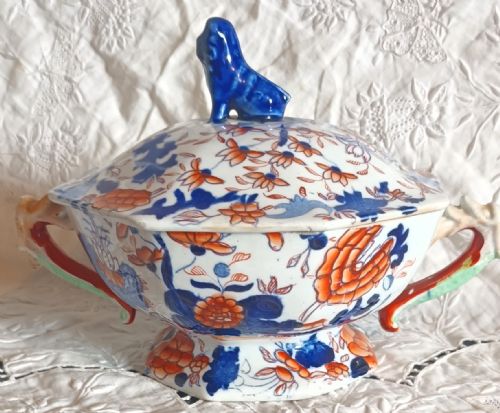
A cobalt blue ceramic tureen is a masterwork of formal dining, combining deep cobalt pigments with durable ironstone or porcelain to anchor a historic table.
Cobalt Blue Ceramic Tureen
A cobalt blue ceramic tureen provides a commanding centrepiece for historic dining arrangements, serving soups, vegetables, or sauces with formal presence. When you search for a cobalt blue ceramic tureen, you encounter pieces intended for grand service across centuries of formal dining.
The selections span English earthenware and ironstone alongside Chinese export porcelain. Pieces range from large soup vessels to intimate sauce tureens and miniature services, reflecting diverse dining scales.
Nineteenth-century English production dominates the available forms, often drawing on Regency and Georgian conventions. Alongside these sit earlier Chinese export pieces from the eighteenth century, demonstrating the global reach of the cobalt palette.
How they were made
Makers utilised durable ironstone and fine porcelain bodies, shaped to hold heavy covers and substantial handles. Ironstone provided a dense, robust fabric suitable for daily service, while porcelain allowed for thin, refined walled vessels.
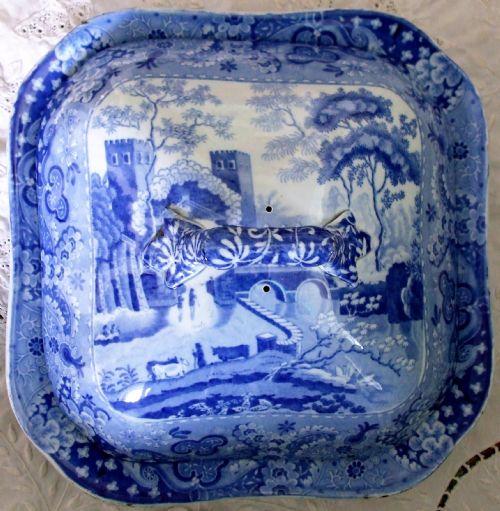
Underglaze cobalt painting delivered the characteristic deep blue decoration, fixed beneath a clear glaze through high-temperature firing. Some examples integrate transfer printing methods to apply intricate transfer patterns onto the ceramic surface.
Gilding and enamel accents were frequently added over the glaze, requiring secondary low-temperature firings. These supplementary touches enhanced the richness of the cobalt blue schemes on specific Regency and Victorian items.
The listings demonstrate a stylistic bridge between eighteenth-century Chinese export porcelain and nineteenth-century English ironstone developments.
What varies in quality
The depth and clarity of the cobalt blue pigment define the initial visual impact of the piece. Brushwork control or the crispness of transfer-printed details reveals the technical precision of the pottery workshop.
Completeness alters the standing of the piece significantly, as surviving covers, stands, and matching ladles remain scarce. Intact sets or matched components demonstrate superior preservation through generations of use.
Body weight and the refinement of moulded handles and finials separate standard utility wares from exhibition-grade table services. Crisp modelling in ironstone or porcelain indicates a higher grade of manufacture.
J. and R. Clews·Mintons·Mason·Chamberlain Worcester·Copeland and Garrett·Coalbrookdale
The Cobalt Blue Ceramic Tureen Glossary
- Ironstone
- A dense, heavy earthenware patented in the nineteenth century to imitate Chinese porcelain while offering extreme durability. It forms the body of many large soup and vegetable tureens.
- Flow blue
- A nineteenth-century transfer printing technique where cobalt blue bled slightly into the surrounding glaze during firing, creating a soft, misty aesthetic. This effect appears across various children's services and tableware.
- Chinoiserie
- A European artistic style reflecting Chinese motifs and decorative schemes, frequently applied to English ceramics. It combines western vessel forms with oriental landscape and floral patterns.
- Qianlong Period
- The era of Chinese history spanning from 1736 to 1795, known for exceptional porcelain production destined for export. Pieces from this period exhibit fine cobalt blue hand-painted detailing.
- Finial
- The small sculptural knob or handle positioned on top of the tureen cover. These elements are often shaped as fruits, flowers, or abstract foliage.
Cobalt Blue Ceramic Tureen: Frequently Asked Questions
How were tureens used?
Tureens served as the primary vessel for presenting soups, sauces, or boiled vegetables at the centre of the dining table during formal meals. Servants brought the covered dish to the table to retain heat before lifting the lid to ladle portions.
Smaller sauce tureens were placed closer to individual diners or specific meat dishes to accompany gravies. Their presence marked a high degree of formality in domestic dining rituals.
Can I use mine for serving?
Historic ceramic tureens remain functional for serving dry foods or modern equivalents, provided they are handled with immense care. Thermal shock from boiling liquids can stress old ironstone or porcelain bodies.
Hand washing is essential to preserve fragile overglaze gilding and prevent historic crazing from absorbing moisture. Most collectors prefer display over active service to protect the glaze and covers.
How do I spot an 18th century piece?
Eighteenth-century examples typically feature Chinese export porcelain bodies with distinct hand-painted underglaze cobalt decoration and unglazed foot rims. The weight is often lighter and more refined than heavy nineteenth-century ironstone.
Stylistic cues such as Qianlong period floral borders or export landscape motifs help distinguish these earlier pieces from later English reproductions and adaptations.
Why do some have stands?
Stands caught accidental drips of soup or sauce when the ladle moved from the vessel to the plate during formal service. They also protected polished dining tables from the heat of the ceramic base.
Surviving matching stands elevate the completeness and overall decorative impact of a tureen set. Finding a tureen with its original stand and cover intact is uncommon.