

Cobalt Blue Ceramic Pitcher
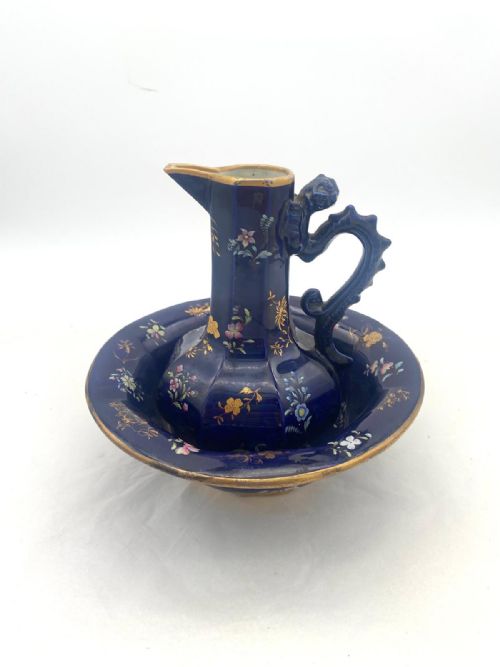
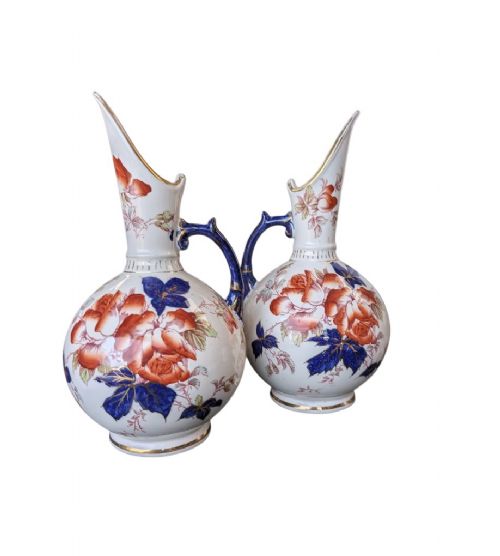
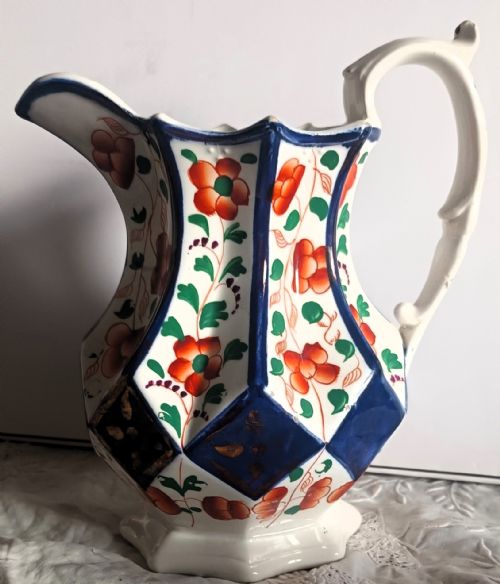
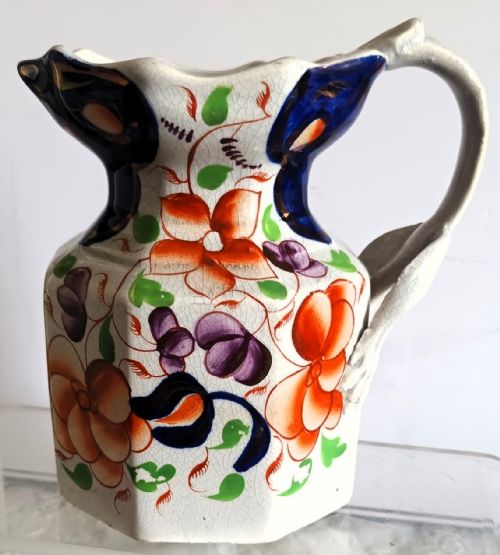
A cobalt blue ceramic pitcher brings rich cobalt pigment and durable pottery into a room, offering both practical utility and striking display.

Cobalt Blue Ceramic Pitcher
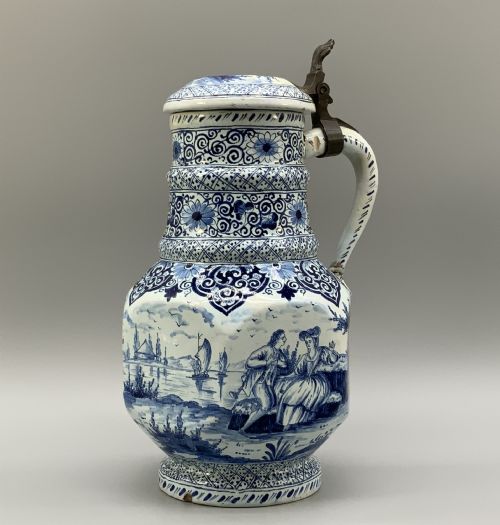
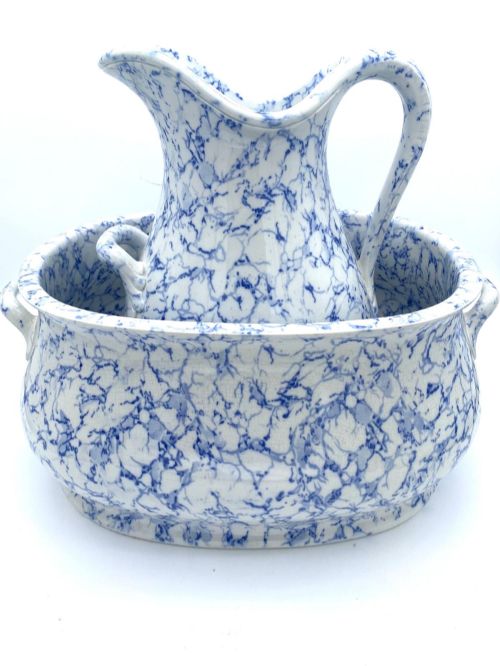
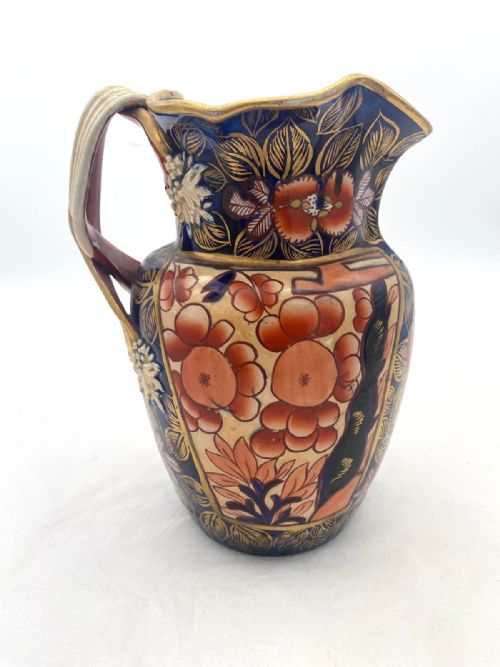
When searching for a cobalt blue ceramic pitcher, buyers encounter domestic and decorative vessels spanning from the eighteenth century through the Victorian era and into the early twentieth century. These items manifest primarily as jugs, ewers, and pitcher-and-basin sets originating from English, Dutch, German, and Chinese kilns.
Materials and production methods
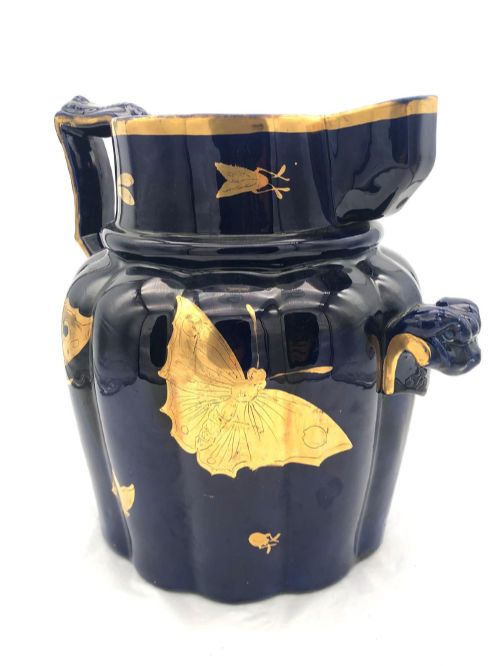
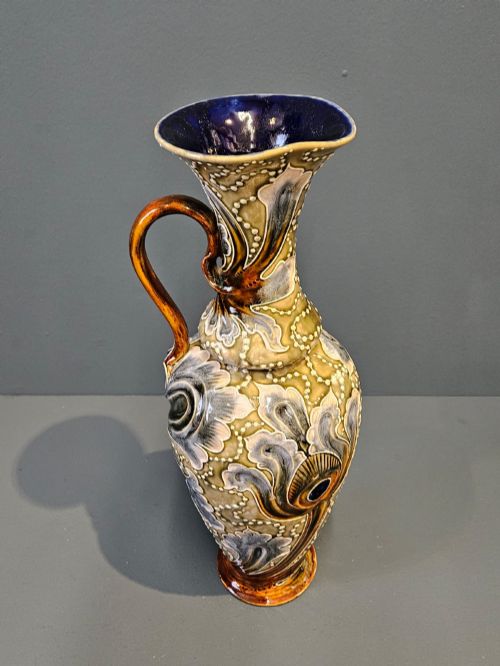
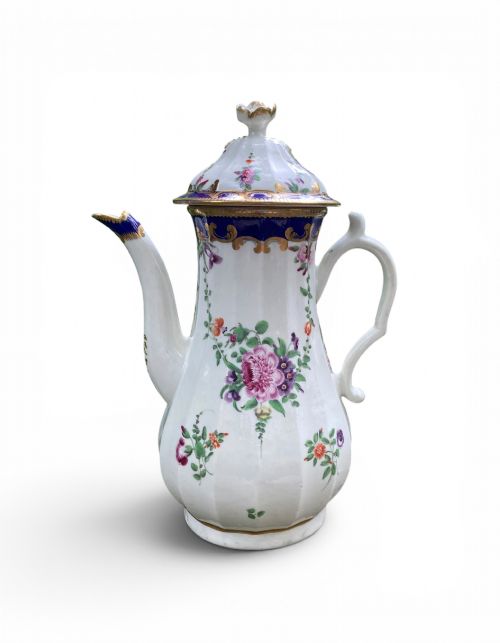
Potters constructed these vessels using heavy earthenware, ironstone, or porcelain bodies, frequently applying deep cobalt blue glaze or pigment before firing. Salt-glazed stoneware pieces utilised chemical reactions inside high-temperature kilns to produce durable, textured surfaces.
Decoration often involved hand-painting or blue-and-white transfer printing beneath a clear glaze. Many examples incorporated gilded highlights, gold leaf, or pewter lids to finish the rims and handles.
Cobalt Blue Ceramic Pitcher Retail Price Guide 2026
Typical asking prices for cobalt blue ceramic pitcher among the pieces listed under this phrase on Sellingantiques today, from the lower quarter to the upper quarter. They describe what is for sale here now, not the wider market.
The listings span several centuries, featuring eighteenth-century Delftware alongside Victorian ironstone and early twentieth-century Chinese export porcelain.
Judging quality and craftsmanship
Quality rests upon the crispness of the cobalt decoration and the precision of the moulding, particularly on complex handles and spout forms. Superior pieces display smooth glaze coverage without excessive pooling or dry patches.
The weight and balance of the vessel indicate the skill of the potter, with finer porcelain and early ironstone demonstrating thinner walls and sharper relief details than utilitarian storage jugs.
Minton·Mason's Ironstone·Doulton Lambeth·Caughley Coalport·Simon Peter Gerz
The Cobalt Blue Ceramic Pitcher Glossary
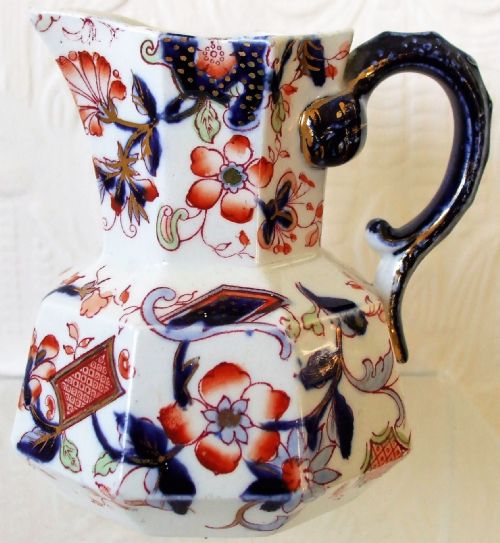
- Ironstone
- A heavy, durable type of earthenware patented in the nineteenth century to imitate Chinese porcelain. It resists chipping and formed the body of many large kitchen and bedroom jugs.
- Salt glaze
- A glassy, slightly textured coating formed by throwing common salt into the kiln during high-temperature firing. This technique created a durable finish typical of German stoneware.
- Transfer printing
- A method of applying complex decorative patterns to pottery by engraving a copper plate, transferring the ink to tissue paper, and pressing it onto the ceramic body before glazing.
- Ewer
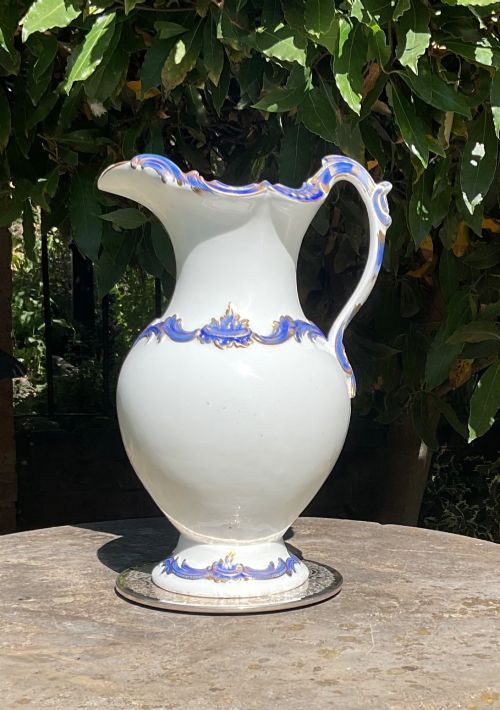
- A large pitcher with a flared spout and curved handle, traditionally designed for holding water for hand-washing or serving at a table.
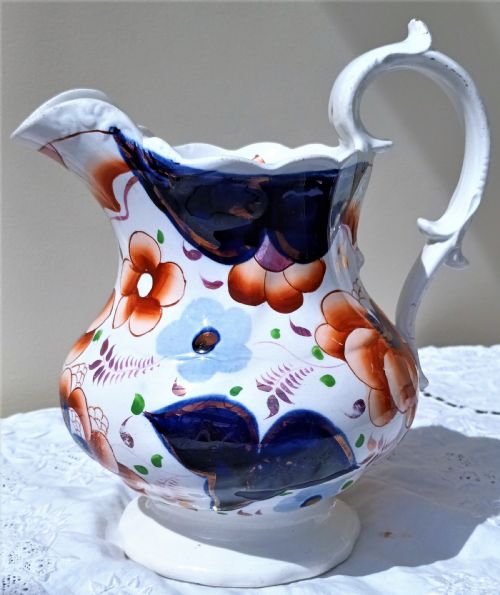
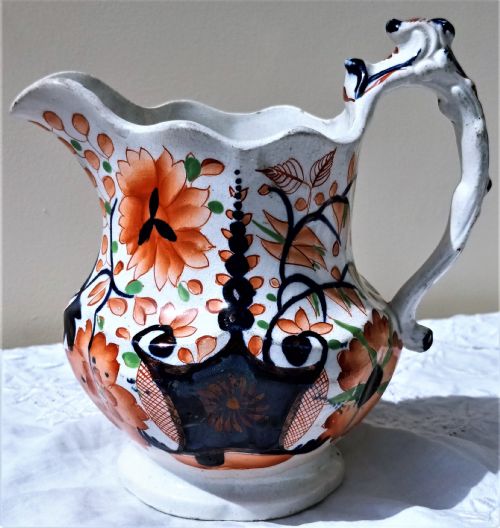
- Gaudy Welsh
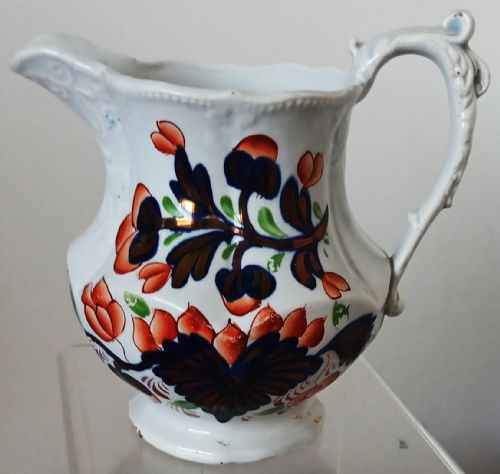
- A style of colourful pottery featuring deep cobalt blue, iron-red, and copper lustre accents. It became popular in Welsh households during the nineteenth century.
Cobalt Blue Ceramic Pitcher: Frequently Asked Questions
How were ceramic pitchers used historically?
These vessels served practical roles carrying water for washing stands, pouring beverages at dining tables, or holding liquids in apothecary settings. Larger sets included matching basins for bedroom hygiene.
Over time, many decorative versions shifted from utility items to display pieces showcased on sideboards or mantelpieces.
How do I clean an antique pitcher?
Dusting with a dry cloth keeps glazed ceramic and ironstone surfaces clean. Harsh chemical cleaners and abrasive scrubbing pads must be avoided to protect old glazes and gilding.
Immersion in water can harm pieces with repaired handles, hairline cracks, or pewter mounts, so gentle spot cleaning is recommended.
What is transfer printing on ceramics?
Transfer printing involved pulling an ink impression from an engraved metal plate onto paper and pressing it onto an unglazed or biscuit-fired ceramic pot. This allowed workshops to produce intricate blue-and-white scenes consistently across multiple vessels.
The piece was then dipped in glaze and fired again to seal the pigment permanently.