





Copper Lustre Ceramic Jug
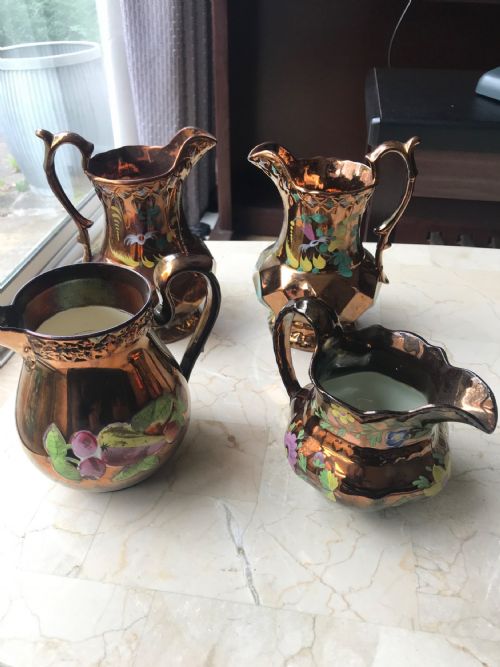
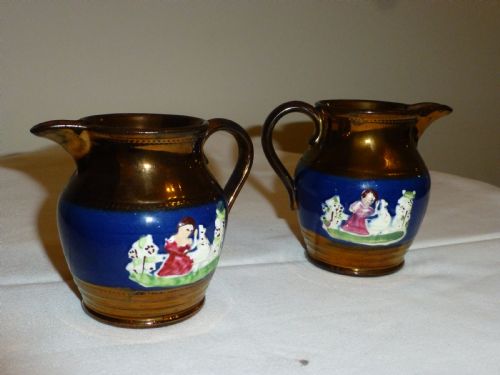
These copper lustre ceramic jugs bring rich metallic sheen and traditional earthenware charm to any dresser or mantelpiece.
Copper Lustre Ceramic Jug
A copper lustre ceramic jug is a distinctive vessel combining earthenware or ironstone bodies with a metallic glaze that catches the light. When you search for a copper lustre ceramic jug, you encounter pieces originating primarily from the nineteenth century, including Georgian and Victorian periods.
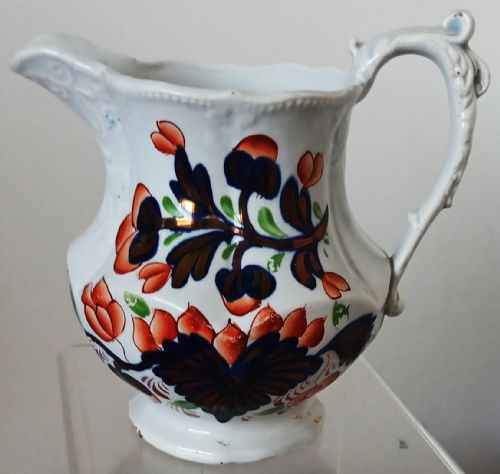
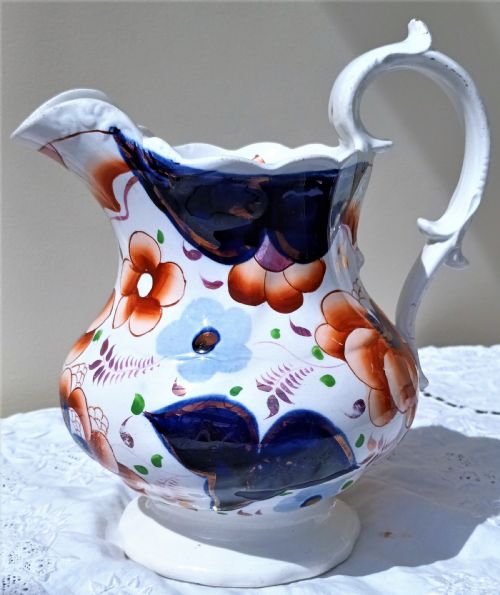
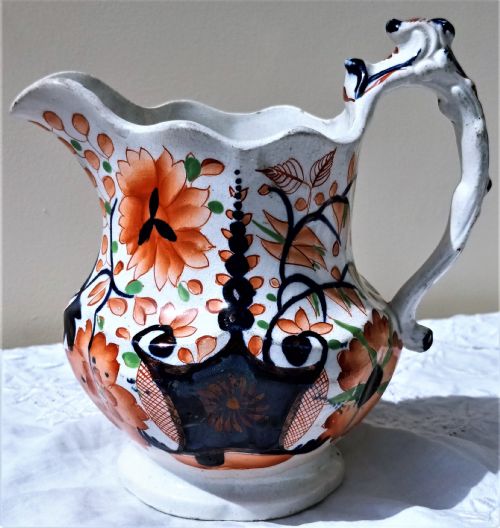
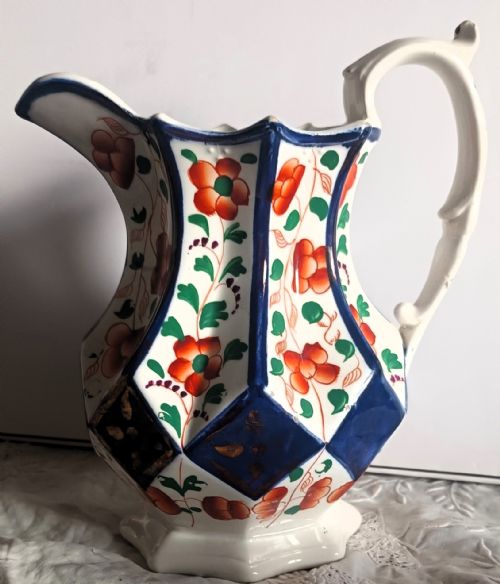
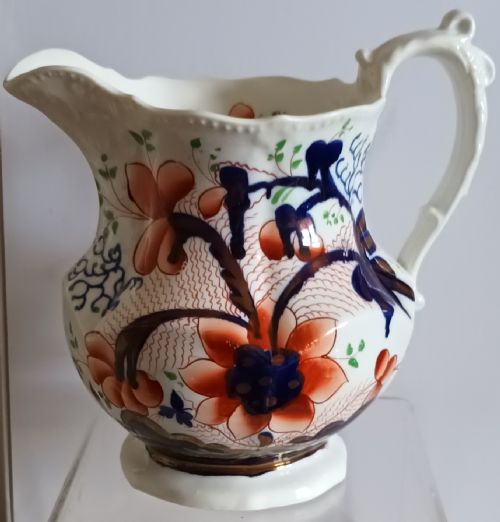
The selection here encompasses various utilitarian forms, from small cream jugs to large milk jugs and pitchers. Many examples display hand-decorated botanical motifs, fruit patterns, or colourful Gaudy Welsh designs such as the Bethesda and Pagoda patterns.
Staffordshire potteries dominate the early and Victorian items, often presenting robust earthenware bodies beneath the signature metallic sheen. These vessels served practical dairy and table functions before transitioning into decorative collector pieces.
Materials and manufacture
Potters shaped these vessels using earthenware and ironstone bodies, applying a metallic glaze to achieve the characteristic copper lustre finish. Subsequent firing fixed the glaze onto the ceramic substrate, creating a reflective surface.
Makers often embellished the bodies with hand-decorated enamel details, adding contrasting colours like cobalt blue and pink to fruit or floral patterns. This combination of metallic glaze and painted enamel defines the visual texture of nineteenth-century examples.
Assessing quality
Quality in these jugs rests upon the depth and evenness of the copper lustre glaze, alongside the crispness of any hand-decorated enamel painting. Finer pieces display a brilliant, uniform metallic reflection without patchy areas.
The definition of the moulded body shape and the precision of applied patterns, such as fruit or botanical motifs, distinguish superior vessels. Early Staffordshire and Georgian examples often show greater weight and careful proportion in the handle and spout.
Livesley Powell & Co
The Copper Lustre Ceramic Jug Glossary
- Copper lustre glaze
- A metallic glaze applied to pottery to produce a reflective, copper-coloured surface. This finish defines the appearance of nineteenth-century lustreware.
- Earthenware
- A porous ceramic body fired at lower temperatures, commonly used for traditional jugs and pitchers. It requires glazing to become impermeable to liquids.
- Ironstone
- A durable, heavy type of ceramic developed in the nineteenth century to imitate porcelain. It provides a robust foundation for jugs and tableware.
- Gaudy Welsh
- A distinctive style of nineteenth-century pottery featuring bright cobalt blue, copper lustre, and pink enamel accents. It frequently appears on Welsh-market earthenware.
- Staffordshire
- A region in England renowned for its historic pottery and earthenware production. Many nineteenth-century jugs originate from these potteries.
Copper Lustre Ceramic Jug: Frequently Asked Questions
What is a copper lustre ceramic jug?
A copper lustre ceramic jug is a nineteenth-century earthenware or ironstone vessel coated in a metallic glaze that creates a shiny, copper-like finish. These pieces were often hand-decorated with fruit, botanical motifs, or colourful enamel patterns.
Potters across Staffordshire and other regions produced them for everyday dairy and table use. Today, collectors value them for their reflective surfaces and traditional craftsmanship.
How were these jugs used originally?
These vessels served practical functions in nineteenth-century households for pouring milk, cream, or water at the table. Larger pitchers handled bulk liquids, while smaller cream jugs suited individual settings.
Over time, their decorative metallic glazes made them popular display items on dressers and mantelpieces. Their sturdy earthenware and ironstone bodies ensured they survived daily kitchen use.
How do I date a copper lustre jug?
Dating relies on examining the ceramic body, glaze characteristics, and decorative patterns. Nineteenth-century examples often feature heavy earthenware or ironstone construction combined with hand-painted enamels.
Georgian and early Victorian pieces tend to display specific handle shapes and richer lustre applications compared to later wares. Comparing the pattern name, such as Gaudy Welsh designs, also helps narrow the period.
How do I display lustre jugs at home?
Lustre jugs look striking placed where natural light can catch their metallic copper glaze. Grouping different sizes, from small cream jugs to large milk pitchers, creates an appealing display on a dresser or shelf.
Keep them away from direct, harsh moisture and clean them gently with a soft, dry cloth to preserve the enamel and glaze. Their reflective surfaces complement both traditional and eclectic interiors.