
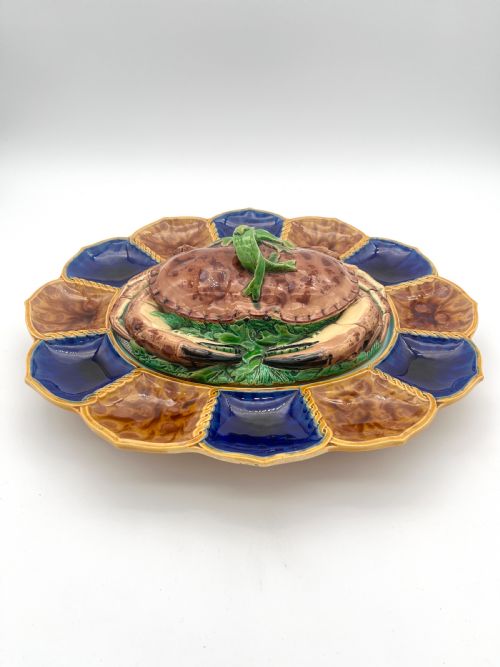


Cobalt Blue Centerpiece
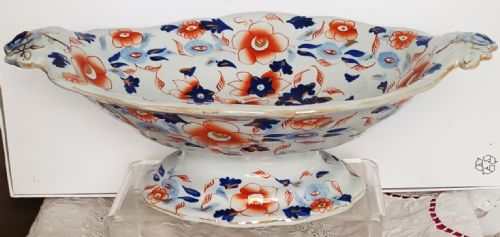
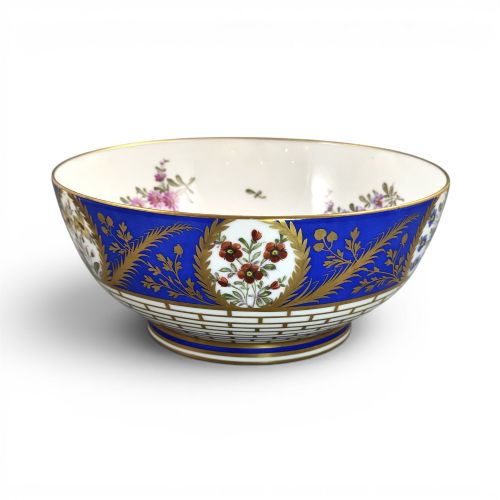
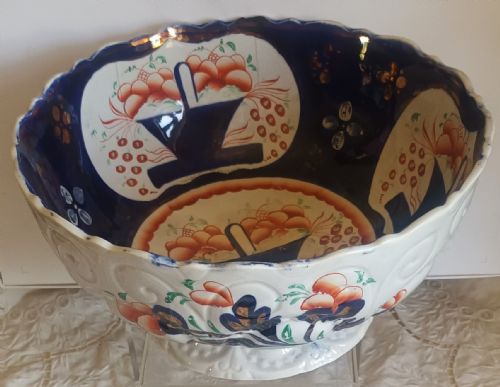
A cobalt blue centerpiece commands the dining table through deep mineral colour and bold scale, anchoring the room with historical weight.
Cobalt Blue Centerpiece
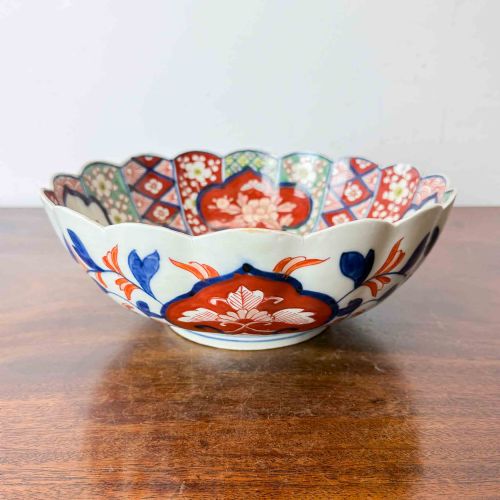
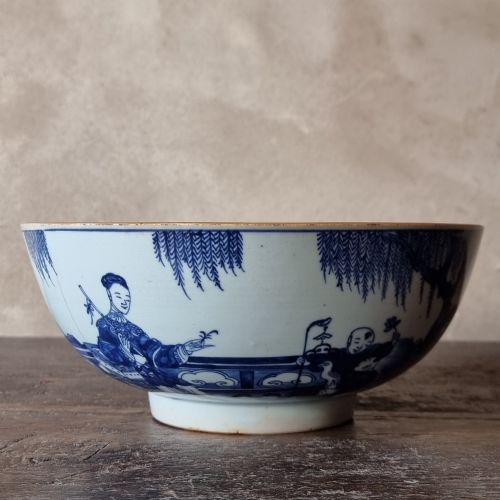
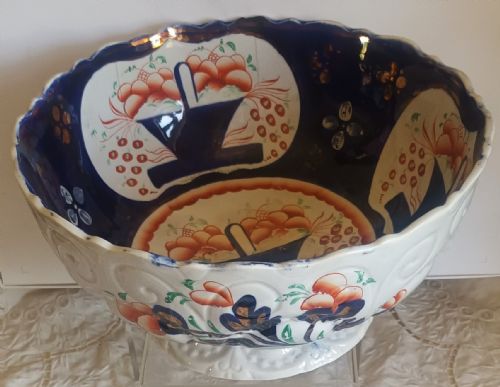
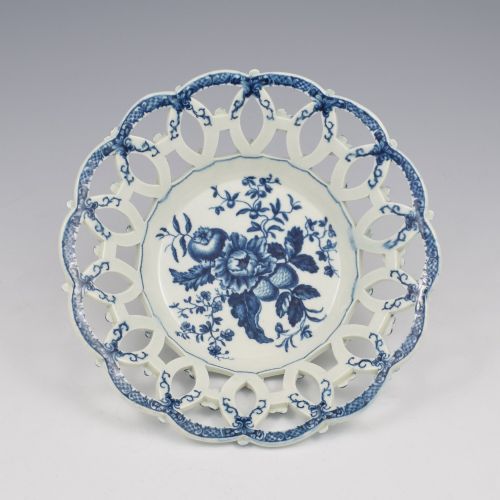
A cobalt blue centerpiece serves as a decorative focal point for the table, appearing across periods from the eighteenth century through the Art Deco era. The selection draws heavily on Japanese Imari porcelain, English ironstone, and European glass alongside earthenware and pottery bowls.
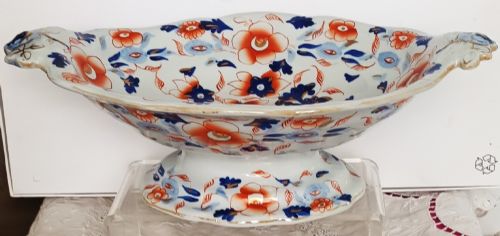
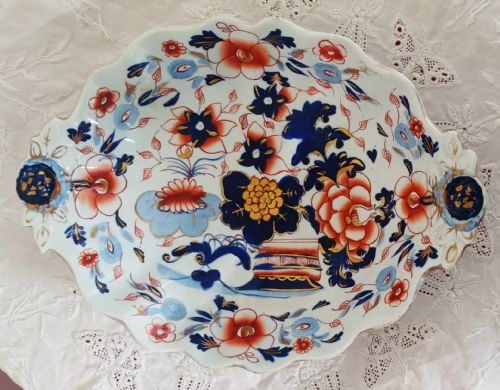
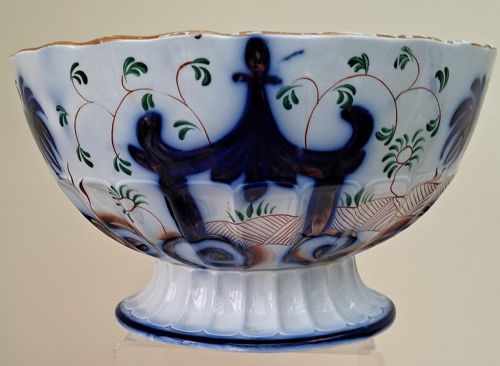
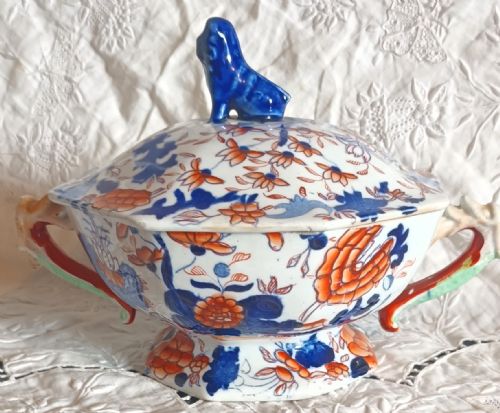
Buyers encounter footed comports, punch bowls, and large decorative serving dishes spanning Georgian, Victorian, and Meiji periods. These pieces originate from workshops in England, France, Germany, Belgium, and Japan, reflecting diverse regional tastes in table display.
The form shifts from deep punch vessels and lidded tureens to wide pedestal bowls and scallop edge dishes. Each variation provides a substantial presence designed to hold fruit or stand alone as an architectural element on dining furniture.
Materials and Techniques
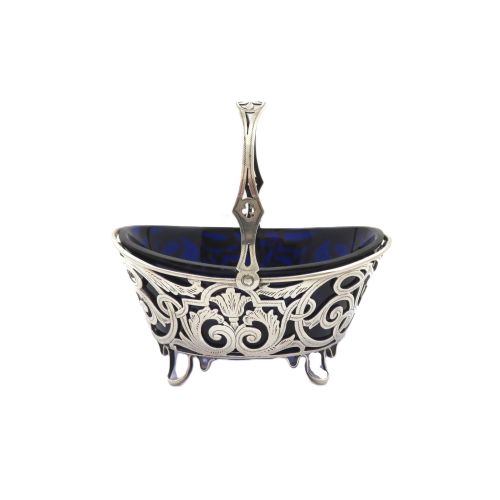
Makers utilised cobalt glass, porcelain, and ironstone as the primary foundations for these vessels, applying deep blue mineral pigments beneath or over the glaze. Gold leaf and enamel often highlight the surface designs, while metal mounts in ormolu or silver add structural framing.
Techniques combine hand painting with moulded pottery shapes and cut crystal glass methods. Firing temperatures in porcelain and earthenware kilns fixed the cobalt pigments permanently into the glaze, producing rich tones that resist fading over centuries.
Majolica crabs cling fiercely to nineteenth-century tureens, proving that Victorian table manners appreciated a touch of marine drama.
Evaluating Quality and Finish
Quality rests upon the depth and control of the cobalt blue pigment and the precision of the hand-painted or gilt detailing. Superior examples show crisp execution in Japanese Imari motifs or landscape scenes without blurring or pooling in the glaze.
The weight and clarity of the glass or the refinement of the ceramic body separate standard production from finer studio output. Well-balanced proportions in pedestal bowls and intact metal mounts indicate superior craftsmanship from period makers.
Mason·Doulton Burslem·Royal Crown Derby·Maling·Val St. Lambert·Kinkozan Kyoto·Limoges·Gien
The Cobalt Blue Centerpiece Glossary
- Imari
- A style of Japanese porcelain featuring cobalt blue, iron red, and gilt decoration. These pieces were heavily exported to Europe during the Meiji period and earlier.
- Ironstone
- A durable type of earthenware patented in England during the nineteenth century. It provided a strong ceramic base for heavy table vessels and colourful patterns.
- Comport
- A shallow footed dish or bowl raised on a pedestal. It was traditionally used for serving fruit or sweets on the formal dining table.
- Ormolu
- Gilded bronze or brass mounts applied to decorative objects. French makers frequently employed this material to frame porcelain and glass bowls.
- Tureen
- A large deep serving dish with a cover, designed for soup or vegetables. Antique examples often include matching stands or platters.
Cobalt Blue Centerpiece: Frequently Asked Questions
How do I date an antique bowl?
Dating relies on examining the ceramic body, glaze characteristics, and maker marks stamped or painted on the base. Stylistic clues such as Regency moulded details or Meiji period motifs also point to specific decades.
Comparing the manufacturing technique against known factory timelines helps narrow down the production era.
How should I clean porcelain and glass?
Wash these pieces gently in warm water using a mild, non-abrasive detergent and a soft cloth. Avoid soaking items with gilt decoration or metal mounts to protect the delicate surface layers.
Dry immediately with a lint-free cloth to prevent water spots on the glass or ironstone glaze.
Can I use these bowls for serving food?
Most antique ceramic and glass vessels remain food safe for dry items or fruit service. However, crazing in older earthenware can absorb liquids over time, so modern usage for wet foods is discouraged.
Displaying them as decorative objects or dry fruit containers preserves the historic glaze and prevents accidental staining.