


Cobalt Blue Cabinet Dish
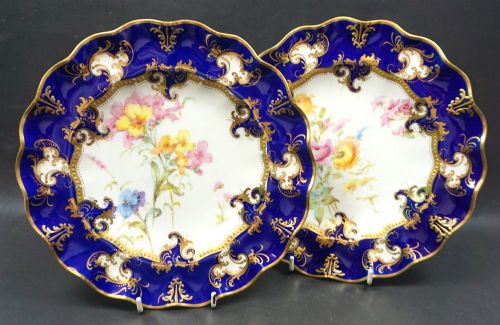
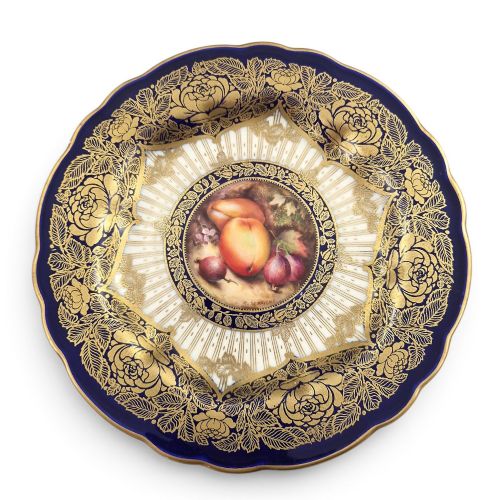
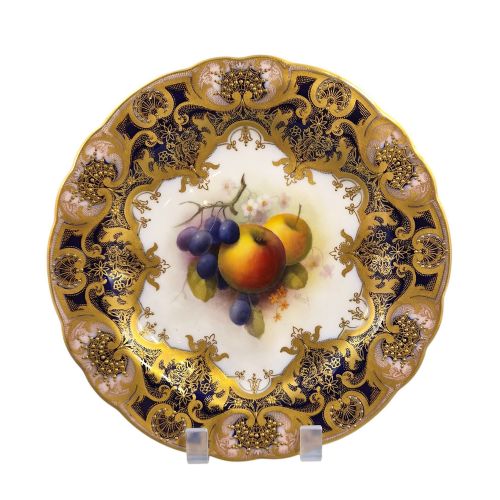
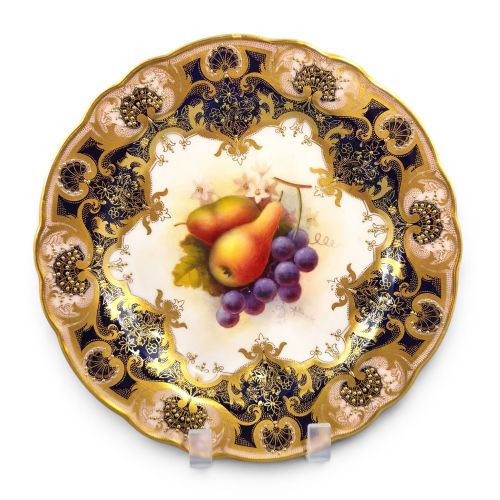
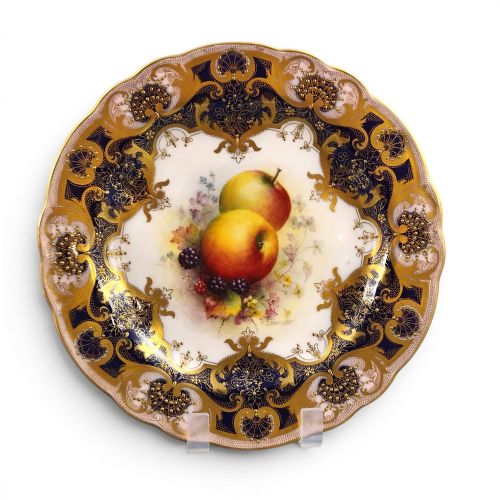
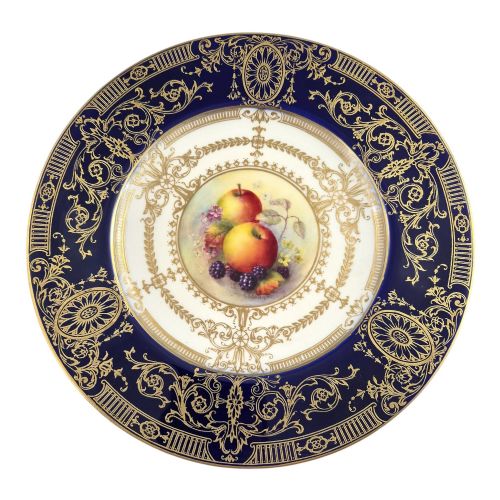
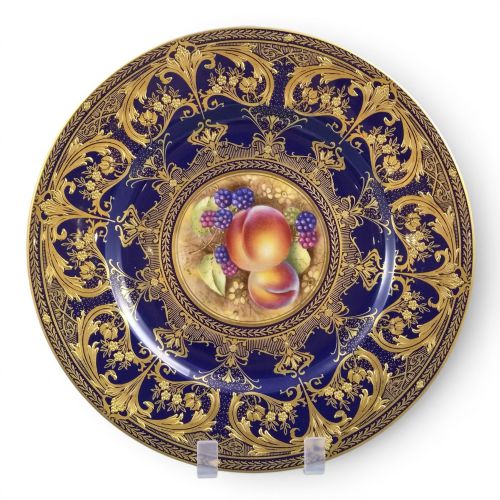
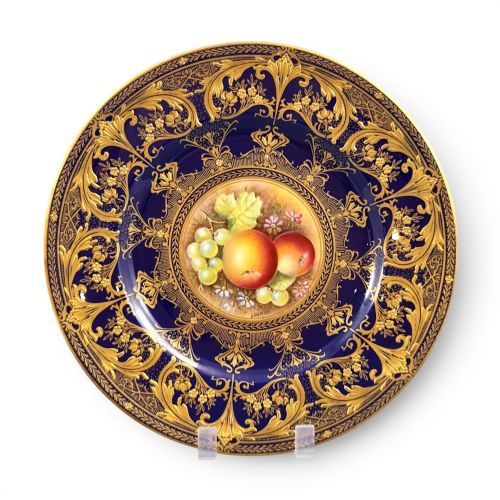
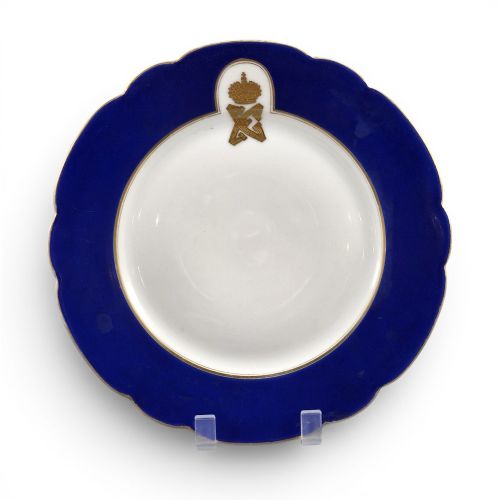
These cobalt blue cabinet dishes are richly glazed ceramics designed for display, bringing deep blue colour and intricate gilding to a room.
Cobalt Blue Cabinet Dish
A cobalt blue cabinet dish is a decorative ceramic piece created primarily for visual appreciation rather than daily dining, often emerging in forms such as cabinet plates, chargers, and serving dishes.
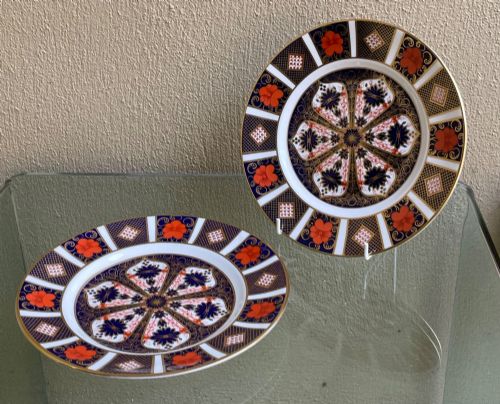
You will encounter these items in styles spanning Japanese Imari, Victorian ornamentation, and Neoclassical hand-painting, originating from English, continental European, and Asian workshops.
The selections on this page range from mid-nineteenth-century porcelain to mid-twentieth-century bone china and earthenware, reflecting diverse manufacturing traditions.
Materials and production methods
Potters shaped these pieces from porcelain, bone china, ironstone, and stoneware, applying deep cobalt blue glazes before firing the ceramic body to a hard finish.
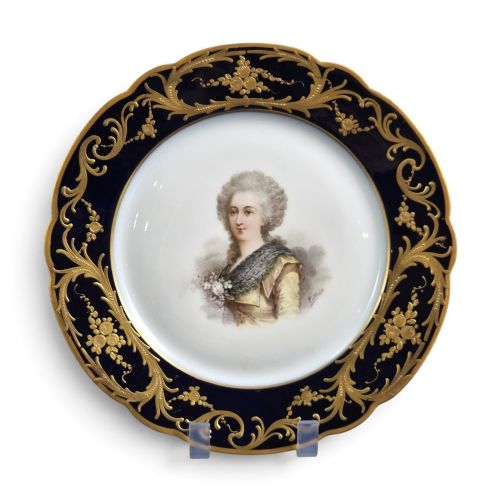
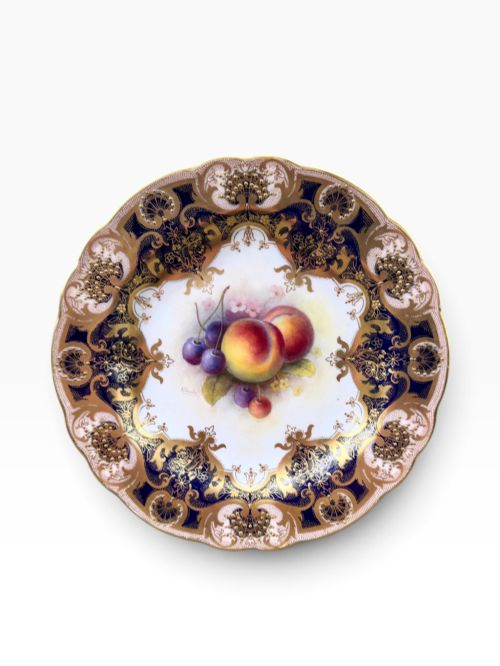
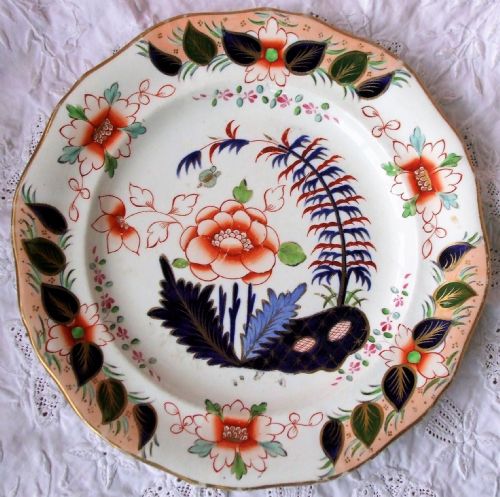
Artisans layered gold leaf, gilding, and enamel work over the glaze, frequently employing hand-painting techniques to depict botanical scenes, portraits, and mythological subjects.
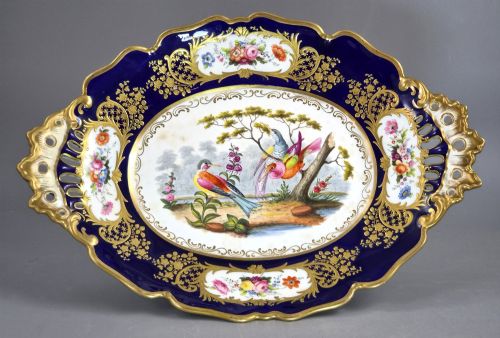
Several plates feature botanical studies and bird illustrations, capturing nineteenth-century enthusiasm for natural history.
Assessing craftsmanship and design
The distinction between standard production and superior examples lies in the precision of the hand-painted detailing and the complexity of the tooled gilding applied across the surface.
Pieces bearing the signatures of known artists or originating from esteemed factories demonstrate a higher level of artistic execution than unmarked commercial wares.
Royal Crown Derby·Royal Worcester·Coalport·John Davenport·Chamberlain Worcester·Meissen·Royal Vienna
The Cobalt Blue Cabinet Dish Glossary
- Cabinet plate
- A decorative ceramic plate intended for display in a cabinet or on a wall rather than for practical table use. These items typically feature elaborate painted scenes and gilded borders.
- Imari
- A style of Japanese porcelain featuring a distinct palette of cobalt blue, iron red, and gold. This decorative approach was widely copied by European potteries during the nineteenth century.
- Armorial
- A ceramic design incorporating a family crest, coat of arms, or heraldic device. These custom pieces were historically commissioned by landed families.
- Gilding
- The application of gold leaf or powdered gold to the surface of ceramics. This technique highlights rims, handles, and painted motifs.
- Bone china
- A type of porcelain composed of clay mixed with bone ash. This material yields a strong, slightly translucent body well suited to fine cabinet pieces.
Cobalt Blue Cabinet Dish: Frequently Asked Questions
What is a cobalt blue cabinet dish?
A cobalt blue cabinet dish is an ornamental ceramic plate or charger characterised by a rich blue glaze, often accented with gold leaf or hand-painted motifs.
These items were produced by major European and Asian potteries for display in drawing rooms and cabinets.
How were cabinet dishes used?
Cabinet dishes were collected and displayed to showcase wealth, taste, and an appreciation for fine decorative arts.
Unlike everyday tableware, they remained protected in display cabinets or mounted on walls.
How do I identify the period?
Dating relies on maker marks, factory stamps, and the specific painting style characteristic of nineteenth and twentieth-century production.
Examining the foot ring, glaze consistency, and type of paste also helps determine the era of manufacture.
Are these dishes safe for food?
These ceramic pieces are intended for decorative display rather than culinary use.
Historic glazes, delicate enamels, and heavy gilding can be vulnerable to wear and chemical interaction from food.