


Coastal Harbour Artwork
Coastal harbour artwork captures bustling quaysides and quiet anchorages through the brush of painters drawn to maritime life.
Coastal Harbour Artwork
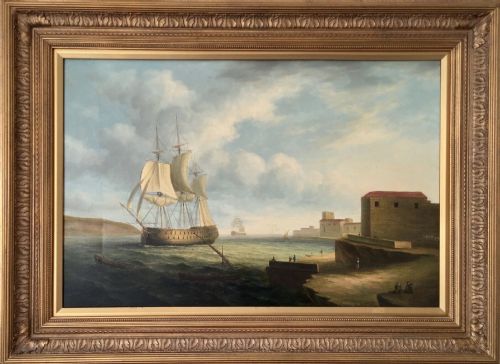
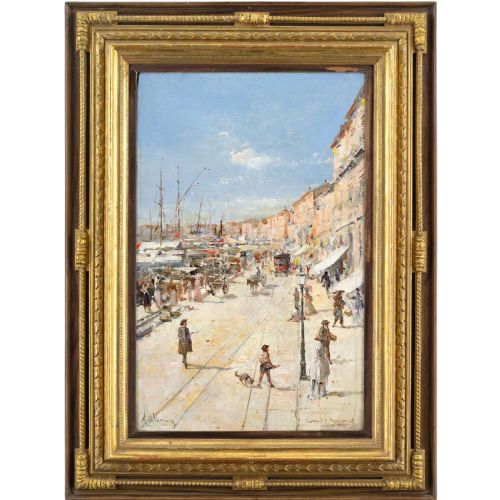
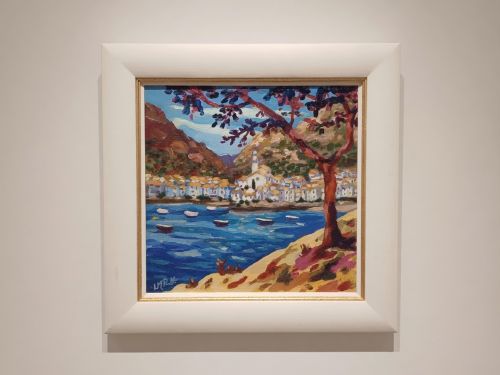
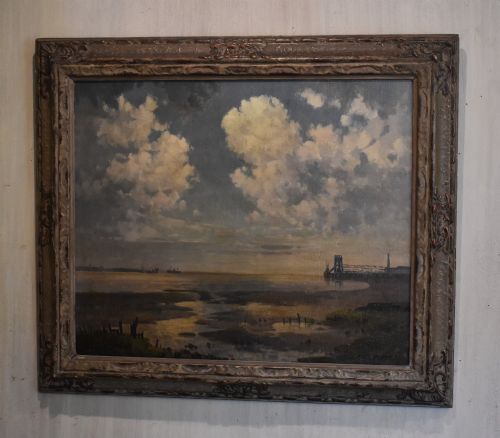
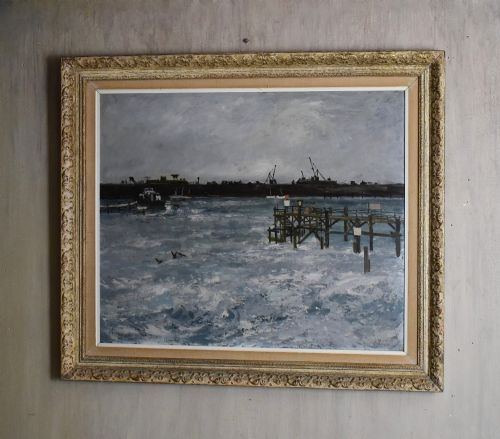
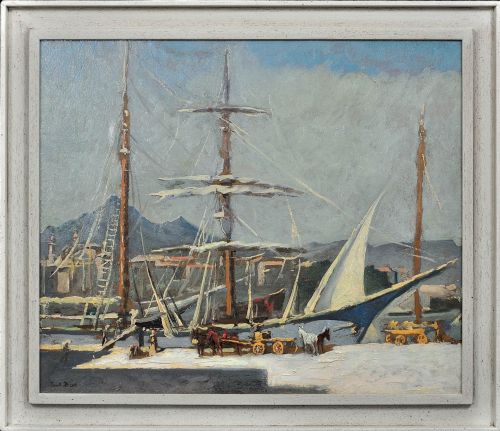
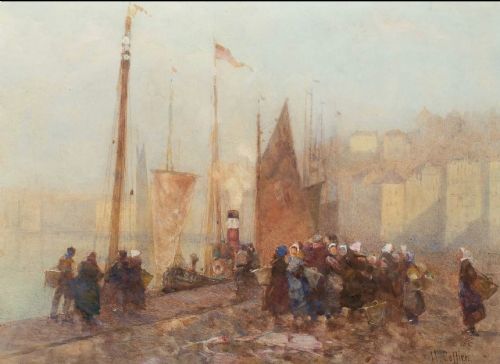
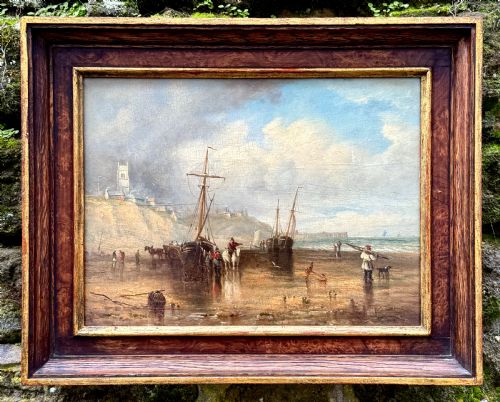
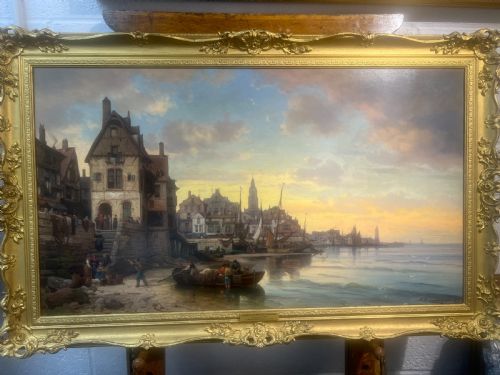
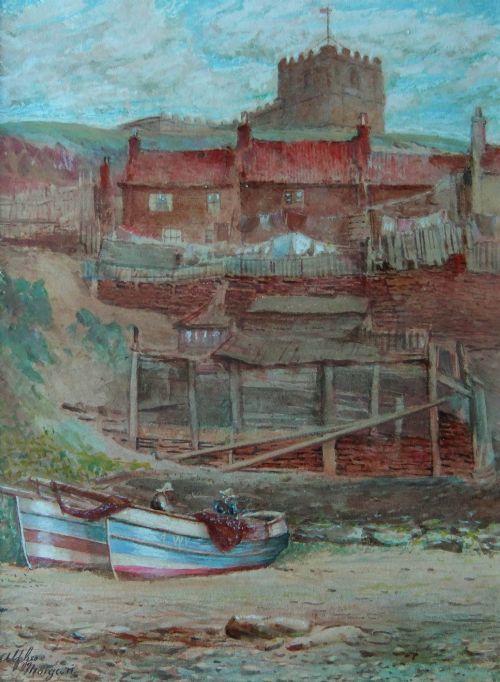
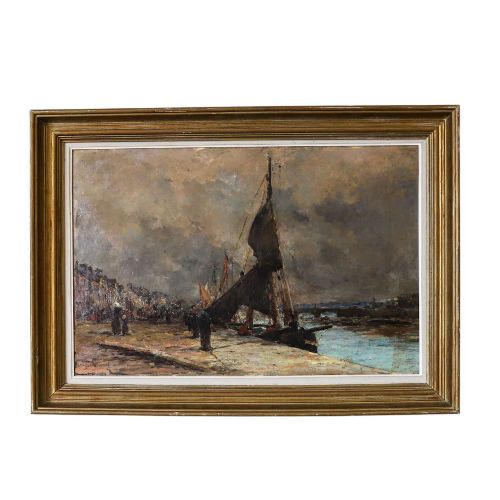
When searching for coastal harbour artwork, buyers examine depictions of maritime life, fishing ports, and naval anchorages spanning from the nineteenth century into the mid-twentieth century.
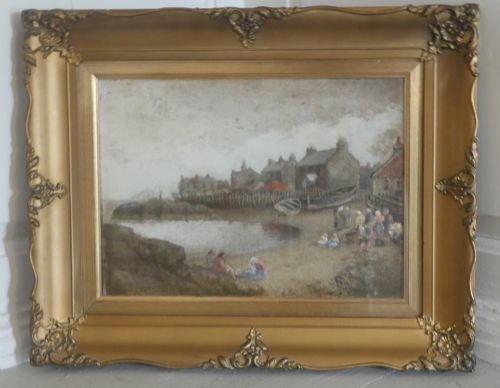
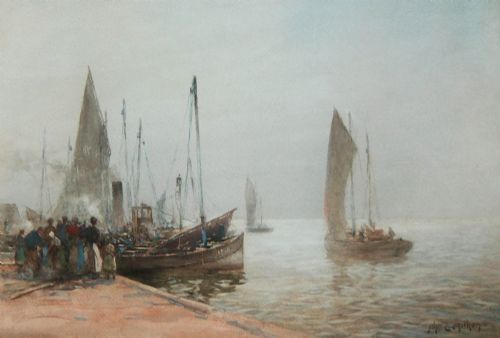
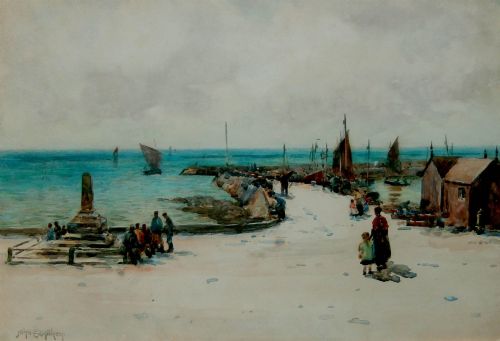
The selection on this page centres on framed oil paintings and watercolours depicting British, French, and Mediterranean coastal scenes, created during periods such as the Edwardian era and the mid-century modern movement.
Most pieces portray identifiable locations, from Cornish fishing villages like St Ives to bustling European ports, rendered in styles ranging from traditional Victorian marine painting to British Impressionism.
Materials and methods
Artists record these maritime scenes using traditional media, applying oil paint to canvas, board, or wood panels, or working with watercolour on paper.
Many works retain their original gilt wood frames, which protect the paper or canvas and complement the maritime subject matter.
Submissions include depictions of British, French, and Italian ports captured on canvas, paper, wood, and board.
Assessing quality and execution
Quality rests upon the artist's handling of light on water and the atmospheric depth achieved within the composition, distinguishing accomplished plein air observation from formulaic studio production.
The sensitivity of the brushwork and the structural integrity of the paint layer or paper support dictate the overall distinction of a piece.
James E. Aitken·Thomas Creswick·William Banks Fortescue·Hector Caffieri·Paul Delvaux·Jean Baptiste Olive
The Coastal Harbour Artwork Glossary
- Watercolour
- A paint consisting of pigment suspended in a water-based solution, traditionally applied to paper to achieve translucent washes of colour.
- Impasto
- Paint applied thickly to a canvas or board, leaving visible brush or palette knife marks that add physical texture to the surface.
- Gilt wood
- Wood that has been coated with a thin layer of gold leaf or metallic gilt, commonly utilised for traditional picture frames.
- Seascape
- A work of art that depicts the sea, coastal views, ships, or maritime activity as the primary subject.
Coastal Harbour Artwork: Frequently Asked Questions
How do I date a harbour painting?
Dating relies on stylistic clues, clothing styles of figures on the quayside, and the types of vessels depicted in the harbour. Signatures, inscriptions on the reverse, and framing materials also offer chronological markers.
Evidence on this page shows works ranging from the nineteenth century through to the mid-twentieth century, reflecting shifts in artistic movements like Post-Impressionism.
Are watercolours as durable as oils?
Watercolour paintings on paper require careful framing behind glass and protection from direct sunlight to prevent fading of the pigments over time. Oil paintings on canvas or board possess a more robust surface but still benefit from stable indoor environments.
Both mediums have survived well from the Victorian era onward when properly maintained.
What subjects appear in these scenes?
Artists typically record working ports, fishing luggers landing their catch, moored warships, and quiet estuaries along British and European coastlines. Figures unloading vessels or repairing nets frequently animate the foreground.
Locations range from Cornish fishing villages to Mediterranean ports in France and Italy.
How should I frame an antique maritime painting?
Selecting a frame involves matching the period of the artwork, with nineteenth-century works traditionally housed in ornate gilt wood frames and mid-century pieces favouring simpler profiles. Maintaining or restoring period-appropriate framing preserves the historical context of the painting.
Original frames often bear dealer marks or old labels that add provenance.