




Coastal Beach Oil Painting
A coastal beach oil painting captures the edge of land and water, offering a view of shores, figures and vessels across past centuries.
Coastal Beach Oil Painting
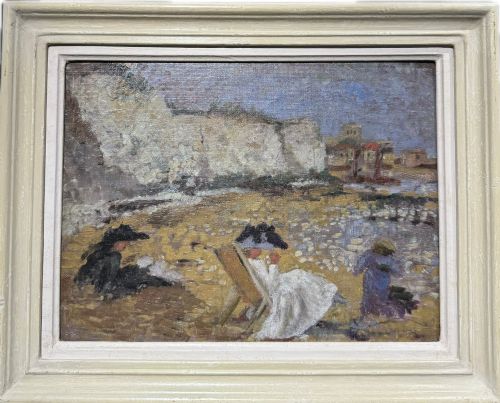
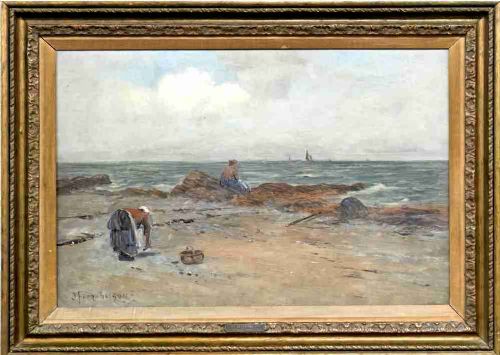
A coastal beach oil painting depicts maritime and shore scenes, ranging from Victorian marine compositions to mid-century modern views of sand, sea and cliffs.
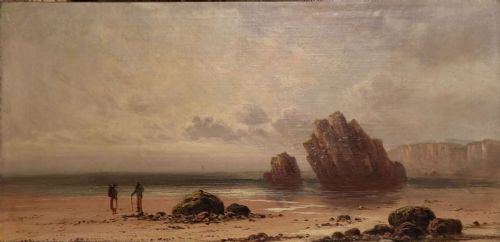
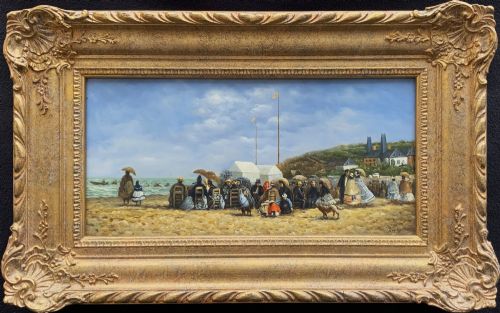
The selections span the nineteenth century up through the nineteen-sixties, capturing figures on rocky shores, shipwrecks, and quiet seaside gatherings.
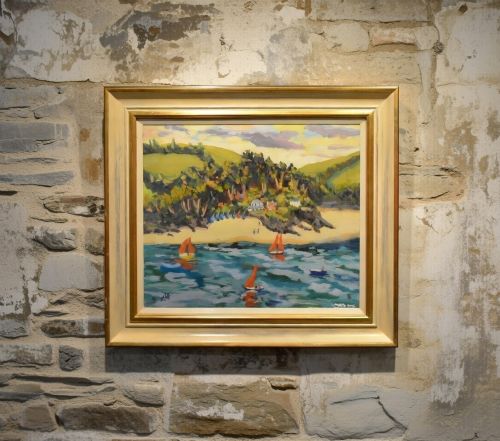
Works appear in formats from canvas to board, framed in wood or gilt, representing British impressionism, post-impressionism and nineteenth-century realism.
Materials and construction
Artists painted primarily with oil paint on canvas or wood panels, utilising gesso layers to prepare surfaces for rich pigment application.
Frames incorporate wood and gold leaf or gilt finishes, preserving the paintings while providing structural support for the stretched canvas.
Among the sands and shipwrecks, one canvas captures a surprising seaside moment featuring a boxer, a photographer, and a lady in white.
Quality factors in coastal works
Depth of composition and handling of light separate standard topographical records from works of accomplished impressionism or realism.
The integration of the wooden frame, condition of the canvas, and clarity of brushwork define the overall standing of each painting.
Joseph Farquharson·Joseph Edward Hennah·Sir David Murray·William Shayer·Donald McIntyre
The Coastal Beach Oil Painting Glossary
- Canvas
- A heavy woven fabric used as a surface for oil painting. It is stretched over a wooden frame before pigment is applied.
- Gesso
- A plaster mixture used as a base coat on wood or canvas panels. It creates a smooth, stable surface for oil paint.
- Gilt
- A thin layer of gold applied to wood framing. It gives an ornamental metallic finish to the surrounding structure.
- Impressionism
- A style focusing on accurate depiction of light and fleeting visual moments. Brushstrokes remain visible rather than blended away.
Coastal Beach Oil Painting: Frequently Asked Questions
What periods do these paintings represent?
The works stretch from the eighteenth and nineteenth centuries through the Victorian era and into the mid-twentieth century.
Individual pieces date across specific decades up to nineteen-sixties modernism, reflecting changing artistic movements.
How are these paintings framed?
Many examples retain period wooden frames, occasionally featuring gilt or gold leaf finishes.
These surrounds complement the canvas work while offering structural preservation.
What subjects appear in these scenes?
Compositions feature sandy shores, rocky beaches, lighthouses, shipwrecks, and fishing boats.
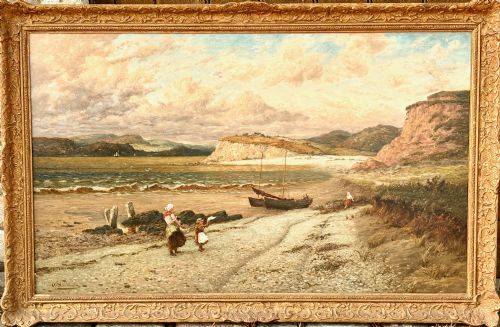
Human activity ranges from figures gathering kelp and oyster pickers to children playing on the sand.
Which artistic styles are included?
The selections contain examples of British impressionism, post-impressionism, nineteenth-century realism, and mid-century modernism.
French school and Newlyn school influences also appear across the inventory.