
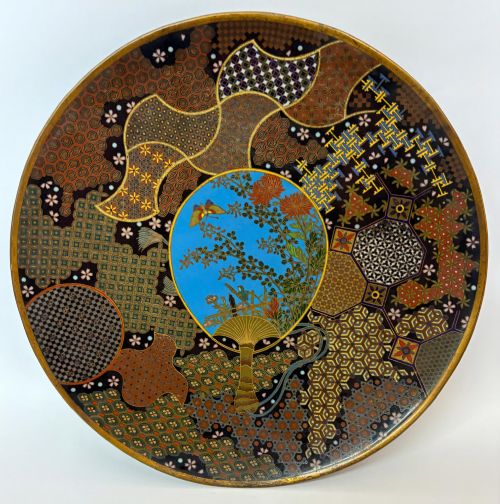


Cloisonne Enamel Plate
A cloisonne enamel plate brings intricate metalwire cells and vibrant glass powders together into lasting decorative art.
Cloisonne Enamel Plate
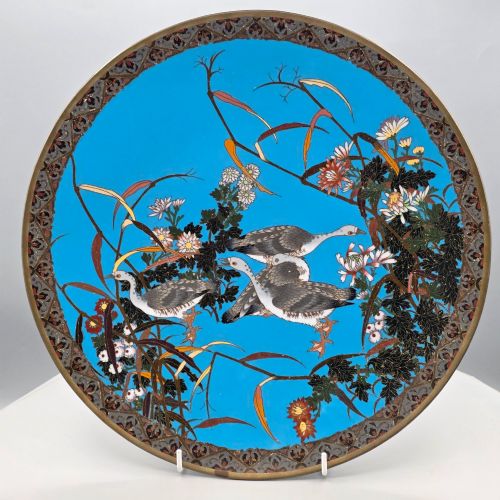
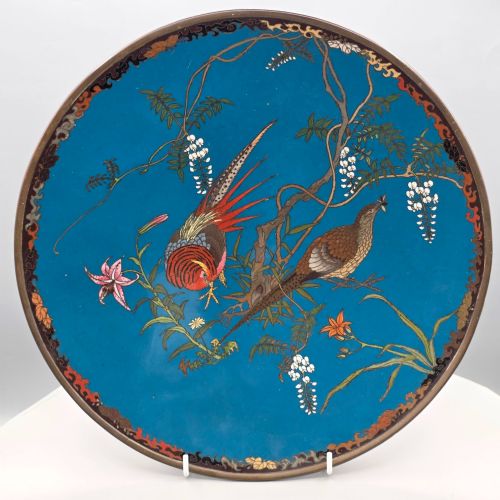
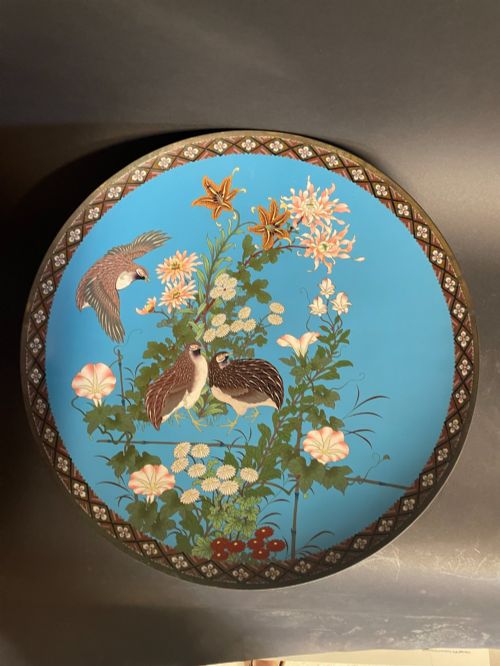
When you search for a cloisonne enamel plate, you are looking at substantial decorative chargers, dishes, and trays originating primarily from the Meiji and Edo periods in Japan, alongside occasional Qing Dynasty examples.
The pieces you are most likely to meet on this page take the form of large chargers and medium plates depicting natural motifs, landscapes, and traditional symbols across nineteenth and early twentieth century origins.
How they were made
Artisans formed these vessels using copper, brass, bronze, or porcelain as a foundation, applying fine brass or silver wire to outline elaborate pictorial cells.
Coloured enamel pastes were packed into these wire compartments and fired in kilns before the surfaces were ground and polished to a smooth finish.
Look closely to spot tiny enamel frogs, crisp shrimp, and leaping koi hiding among the floral designs.
What varies in quality
The fineness of the wirework and the complexity of the pictorial design separate standard production from masterworks.
Execution of difficult subjects such as detailed animals, human figures, or complex gradients in the enamel glaze marks the upper tier of execution.
Kinkozan
The Cloisonne Enamel Plate Glossary
- Cloisonne Enamel
- A decorative metalwork technique where glass paste is fired inside wire compartments soldered to a metal base. This method creates vibrant coloured patterns separated by thin metal lines.
- Charger
- A large ornamental plate intended for display rather than dining. These substantial pieces often serve as the focal point of a decorative collection.
- Totai Shippo
- Japanese ware featuring enamel applied over a porcelain body rather than traditional metal. This technique creates distinct textural effects resembling natural tree bark.
- Meiji Period
- The era of Japanese history spanning from 1868 to 1912, noted for technical mastery in decorative arts. Many of the finest enamel plates originate from this timeframe.
- Mon
- A traditional Japanese heraldic emblem or badge used to signify families or clans. These circular crests frequently appear within the enamel decoration of plates.
Cloisonne Enamel Plate: Frequently Asked Questions
How were cloisonne plates displayed?
These decorative chargers and plates were typically exhibited on stands or hung on walls rather than used for food. Their intricate enamel surfaces made them prized ornamental objects in period interiors.
Collectors continue to display them on dedicated stands to showcase the fine wirework and enamel detail.
What motifs appear on these plates?
Common subjects include birds such as phoenixes, herons, and owls, alongside aquatic creatures like koi fish and shrimp. Floral arrangements, landscapes featuring Mount Fuji, and samurai figures also appear.
Ausipicious symbols and traditional mon crests frequently complete the pictorial compositions.
How do I identify Meiji period pieces?
Meiji period plates often feature exceptionally fine wirework and complex pictorial scenes created between 1868 and 1912. The precision of the cloisonne cells and the depth of the enamel colour help distinguish them.
Signatures or marks on the reverse can sometimes provide specific workshop attribution.
What is Totai Shippo?
Totai Shippo is a specialised Japanese technique where enamel is applied over a porcelain core instead of metal. Artisans frequently built up the surface to resemble textured tree bark before adding coloured enamels.
Plates made this way combine the qualities of ceramics and traditional cloisonne work.