

Clear Stem Wine Glasses
Clear stem wine glasses bring centuries of British and European drinking heritage to the table, offering a direct tactile link to Georgian and Victorian gatherings.
Clear Stem Wine Glasses
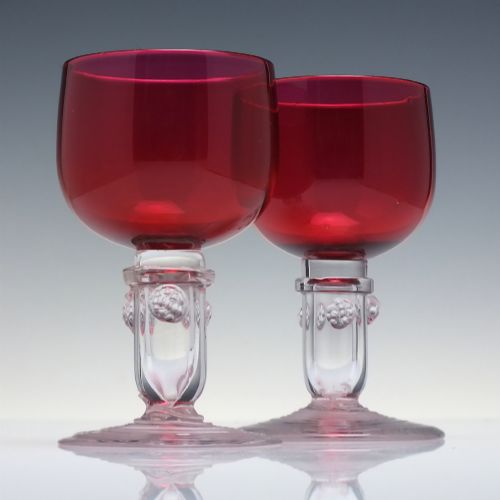
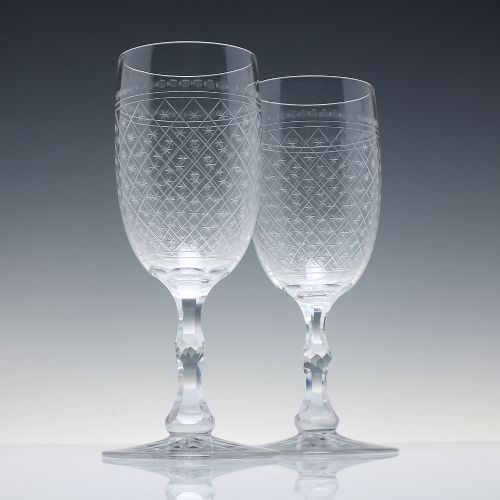
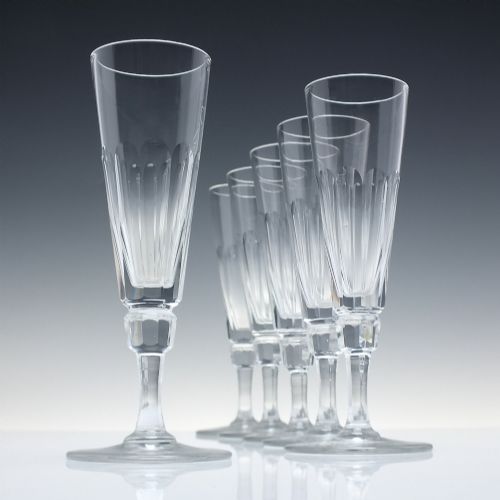
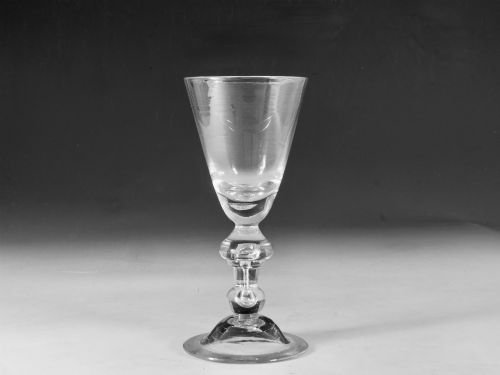
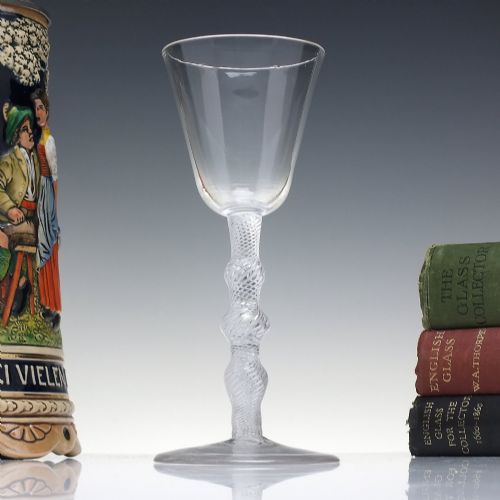
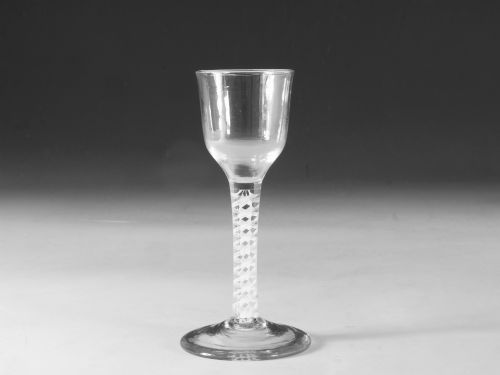
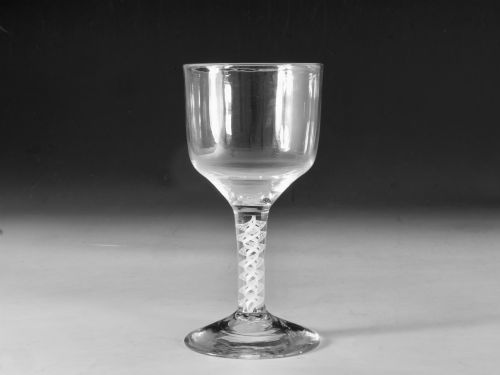
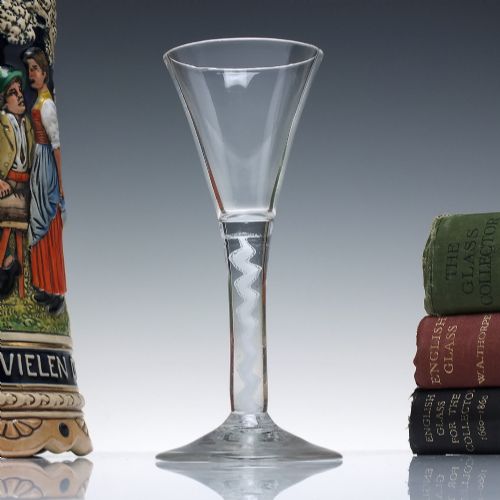
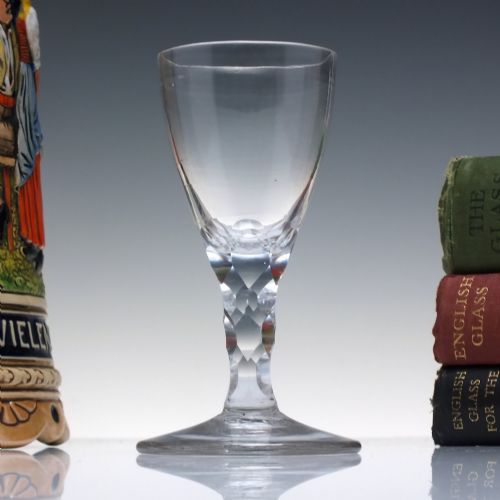
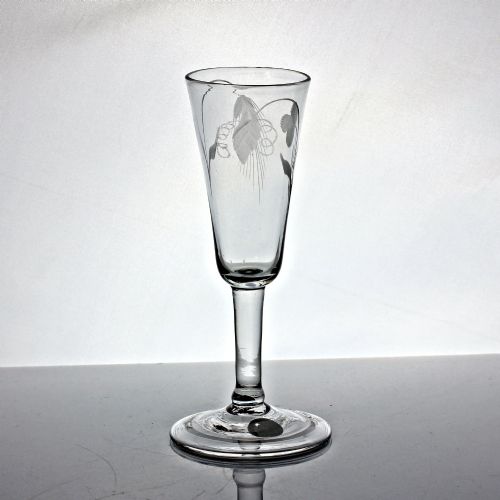
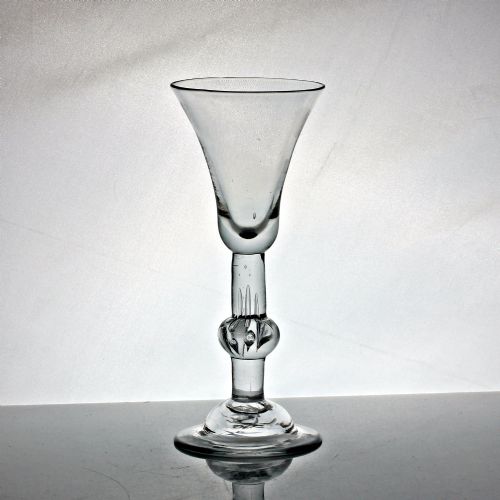
When searching for clear stem wine glasses, collectors encounter pieces spanning from the early 18th century through the Victorian era and into the early 20th century. The selection ranges from robust Georgian balusters and intricate air twist stems to elegant Victorian champagne flutes and tall Edwardian goblets.
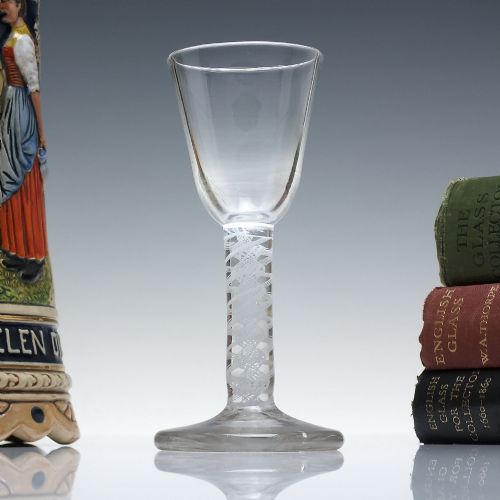
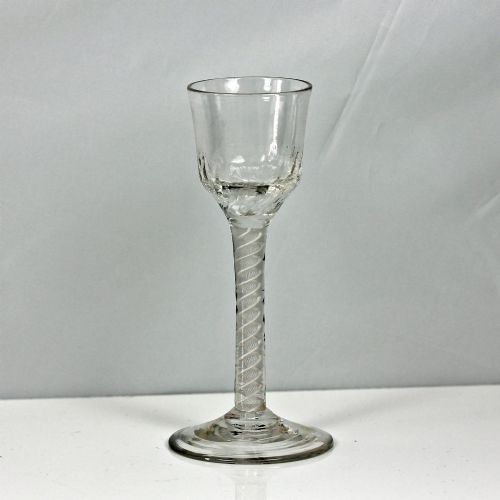
The most common examples on this page are Georgian opaque twist wine glasses and Victorian drinking glasses, reflecting the enduring survival of lead glass and clear flint glass drinking vessels across multiple generations of dining.
How they were made
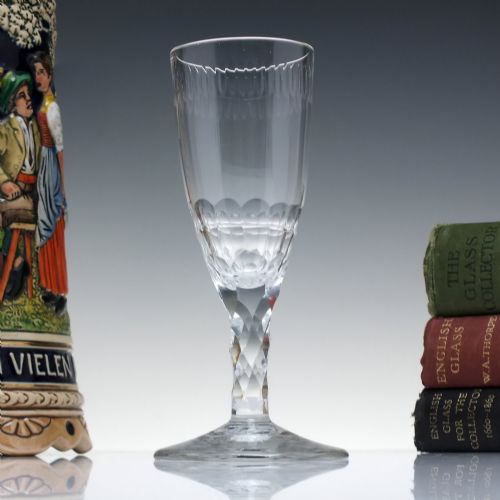
Glassmakers utilised lead glass, flint glass, and clear lead glass to achieve brilliance and weight in the stem and bowl. Advanced manipulation produced air twists, opaque twists, and facet cutting directly into the molten or cooled material.
Clear Stem Wine Glasses Retail Price Guide 2026
Typical asking prices for clear stem wine glasses among the pieces listed under this phrase on Sellingantiques today, from the lower quarter to the upper quarter. They describe what is for sale here now, not the wider market.
Listings feature lead glass, flint glass, and white enamel materials across 18th-century Georgian and 19th-century Victorian periods.
What varies in quality
Quality rests in the precision and complexity of the stem formation, particularly the intricacy of opaque or air twist threads running through the glass. Heavy baluster profiles with domed feet and balanced proportions command greater appreciation.
The clarity of the metal, the absence of excessive inclusions, and the crispness of facet cutting or wheel engraving distinguish superior pieces from standard utilitarian glassware.
Moser
The Clear Stem Wine Glasses Glossary
- Baluster
- A heavy, turned stem style popular in early glassmaking. It mimics architectural supports found in furniture of the period.
- Air Twist
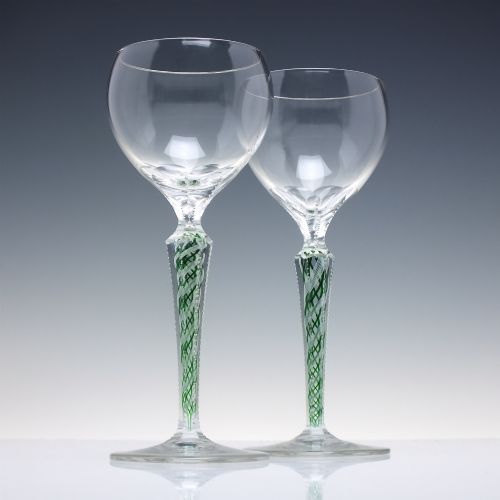
- A stem formation containing elongated bubbles drawn into threads. This technique creates a spiralling optical effect inside the clear glass.
- Opaque Twist
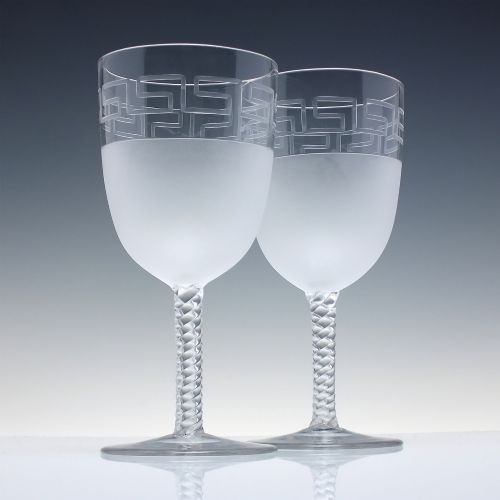
- A stem containing threads of white enamel glass twisted within the clear metal. These are categorised into single and double series depending on the complexity of the core.
- Rummer
- A large, sturdy drinking glass common in the 18th and 19th centuries. They typically feature a short stem and an ovoid or bucket bowl.
- Firing Foot
- A thickened, sturdy base found on small 18th-century glasses. It provided stability during use around tavern fires.
Clear Stem Wine Glasses: Frequently Asked Questions
Are these glasses safe to use?
Many historical glasses remain structurally sound for gentle use, though lead glass requires careful handling and hand washing. Collectors often reserve them for special occasions rather than daily dining.
Avoid thermal shock by keeping them away from extreme temperature changes, hot water, and modern dishwashers.
What is an air twist stem?
An air twist stem is created by trapping elongated air bubbles inside the molten glass before drawing and twisting the stem. This produces delicate internal spirals that catch the light.
Master glassmakers perfected this technique during the mid-18th century to add visual texture without adding coloured materials.
Why do some glasses have folded feet?
A folded foot involves turning the outer edge of the glass under itself while hot to create a smooth, reinforced rim. This technique provided extra strength to the base of heavy drinking vessels.
Folded feet are particularly characteristic of Georgian balusters and gin glasses from the 18th century.