
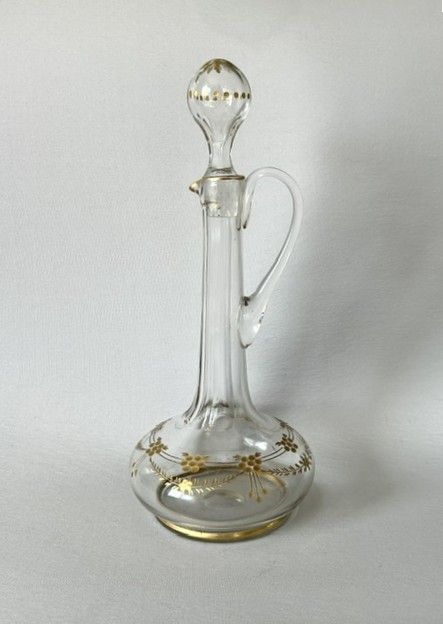

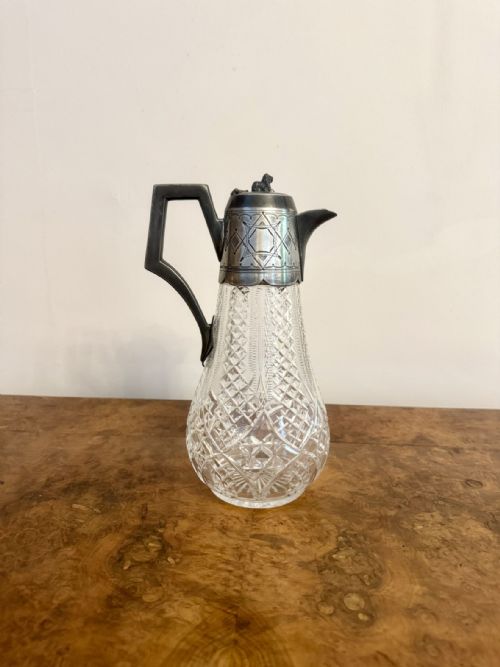


Clear Glass Wine Pitcher
A clear glass wine pitcher brings elegance to the dining table, offering a practical vessel for serving vintage claret or water.
Clear Glass Wine Pitcher
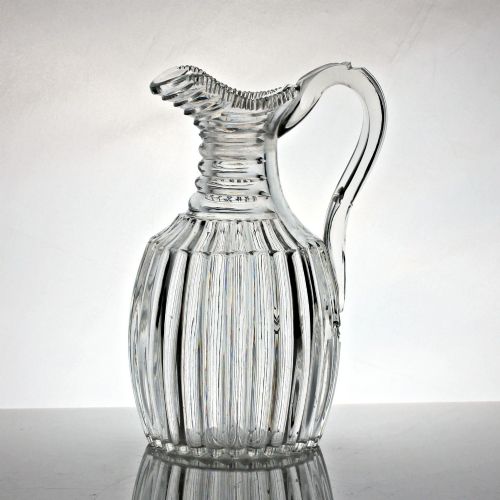
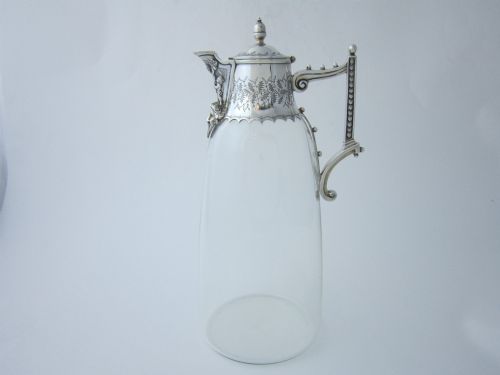
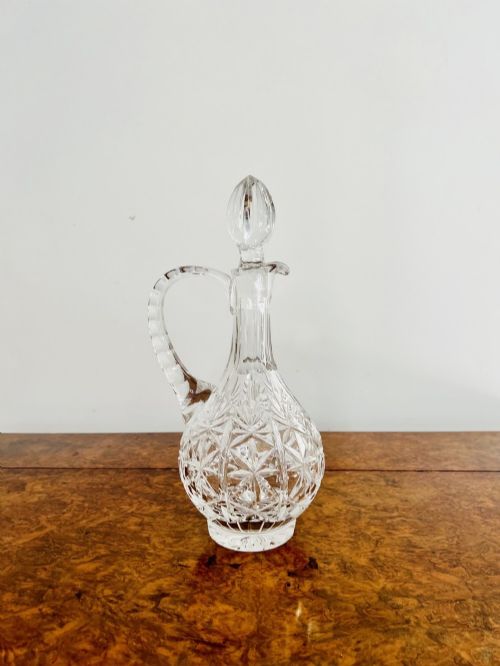
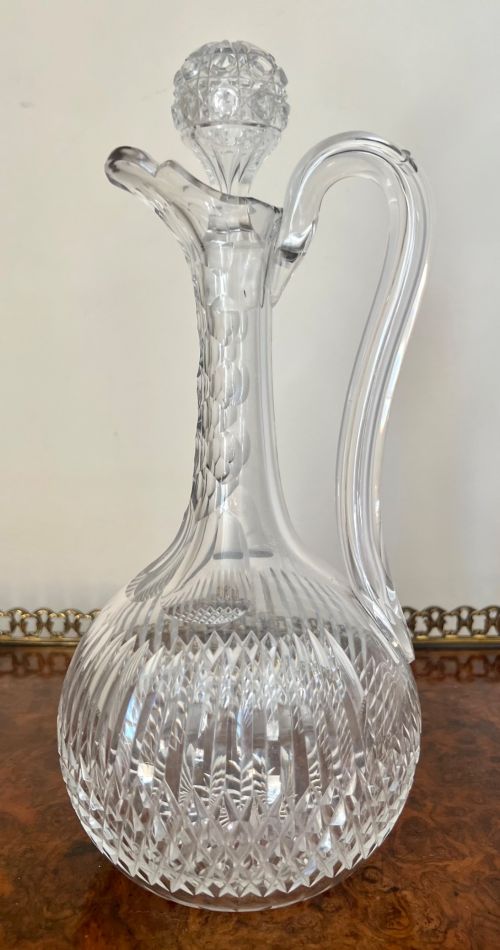
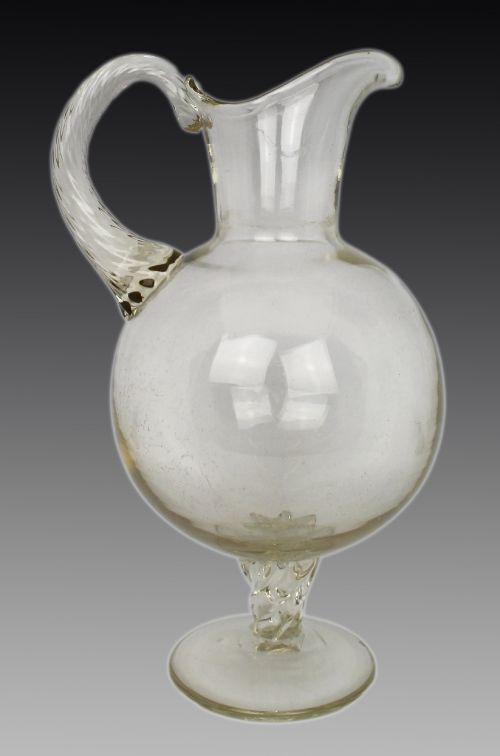
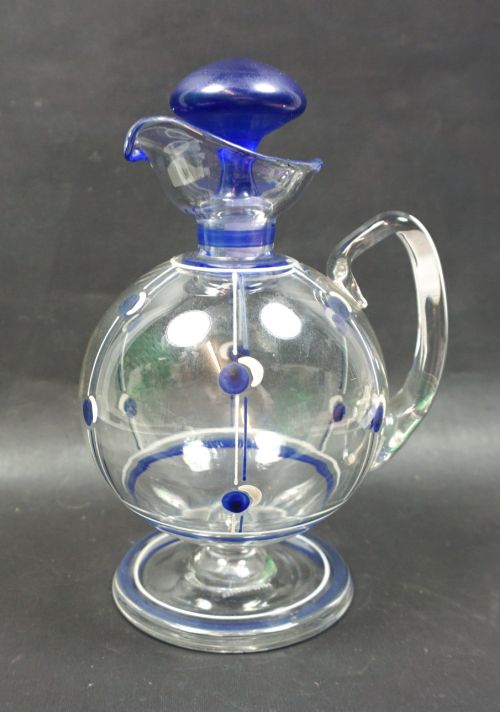
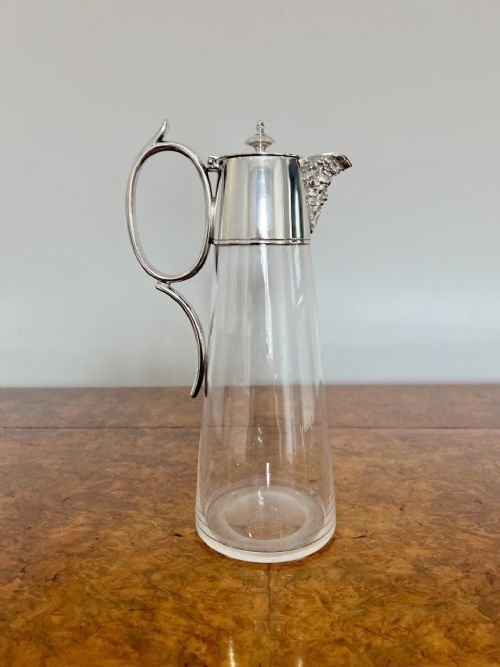
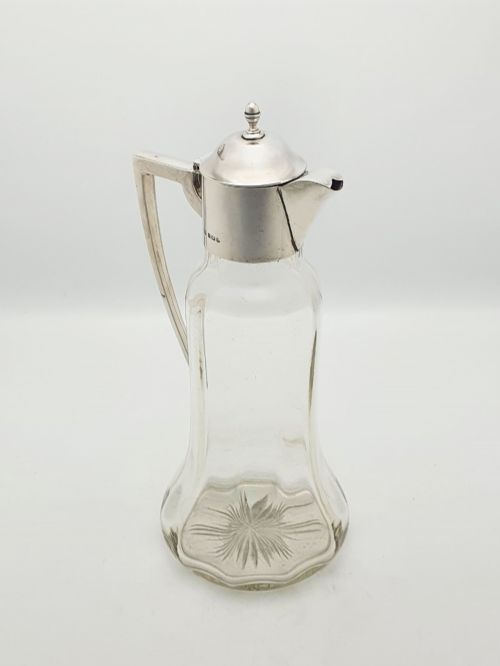
A clear glass wine pitcher encompasses various serving vessels, appearing as claret jugs, ewers, and decanters across this selection. Buyers frequently encounter Victorian and Edwardian examples featuring silver plate or sterling silver mounts alongside cut glass bodies.
Pieces date from the nineteenth century into the early twentieth century, spanning Georgian, Victorian, Edwardian, and Art Deco periods. English, French, Italian, and Bohemian workshops produced these utilitarian yet decorative tableware items for formal dining.
Materials and construction
Craftsmen utilised clear glass, crystal, lead crystal, and cut glass, often combining hand-blown vessels with applied handles and spouts. Many pieces incorporate decorative techniques such as wheel-cutting, etching, and enamel work to pattern the body.
Metal mounts in sterling silver and silver plate provide structural collars, hinged lids, and handles secured to the glass body. Makers utilised internal collars and secure fasteners to join the metalwork safely to the fragile glass vessel.
Factors of distinction
Quality rests upon the clarity of the glass and the precision of the cutting or etching. Crisp facets and deep wheel-engraving demonstrate superior craftsmanship compared to simpler moulded surfaces.
The integration and weight of the silver or silver-plated mounts differentiate standard items from finer examples. Substantial metalwork with crisp hallmarks or reputable maker marks elevates the status of the vessel.
Webb Corbett·Elkington·Hukin & Heath
The Clear Glass Wine Pitcher Glossary
- Claret jug
- A specialised pouring vessel designed specifically for serving red wine at the table. These often feature silver mounts and hinged lids.
- Ewer
- A large jug with a wide spout and curved handle, traditionally used for holding water or wine. They possess ancient classical forms revived in later centuries.
- Silver plate
- A layer of silver fused to a base metal core such as copper or Britannia metal. This technique provided the luxury appearance of solid silver at a lower cost.
- Lead crystal
- Glass containing a significant percentage of lead oxide, which increases brilliance and weight. It allows for deeper, sharper cutting than standard soda-lime glass.
- Latticinio
- A glassblowing technique involving opaque white or coloured glass threads embedded within clear glass. It creates delicate net-like patterns across the vessel.
Clear Glass Wine Pitcher: Frequently Asked Questions
What is a clear glass wine pitcher used for?
These vessels serve wine, water, or cider at the dining table, allowing sediment to settle and wine to breathe before pouring. They combine practical utility with decorative presentation.
Historically placed on the sideboard or centre of the table, they remain functional for modern dining and entertaining.
How do I clean an antique glass pitcher?
Wash these pieces gently by hand using warm water and mild detergent, avoiding harsh abrasives that might scratch the old glass or damage silver mounts. Thorough drying prevents water spots on the clear surfaces.
Submerging silver-mounted pieces in water for prolonged periods should be avoided to protect the internal adhesives and metal pins.
How do I date a Victorian claret jug?
Examine the style of the glass cutting, the shape of the metal mount, and any hallmarks stamped on the silver components. Victorian examples often display deep wheel-cut botanical motifs and heavy silver-plated frames.
Matching the design characteristics with documented periods helps narrow the manufacturing decade.
Can I use these pitchers for daily dining?
These items function well for serving beverages during special meals, provided they are handled with care during washing and pouring. Their sturdy construction permits regular use.
Careful placement on non-abrasive surfaces protects the historical glass and older metal plating from unnecessary wear.