



Silver Top Glass Jug
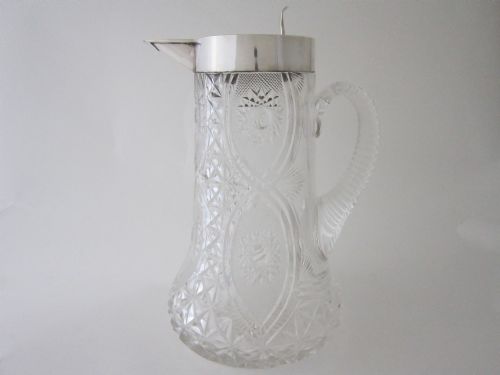
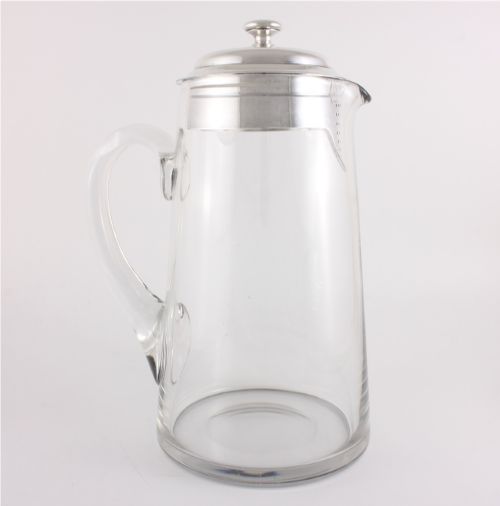
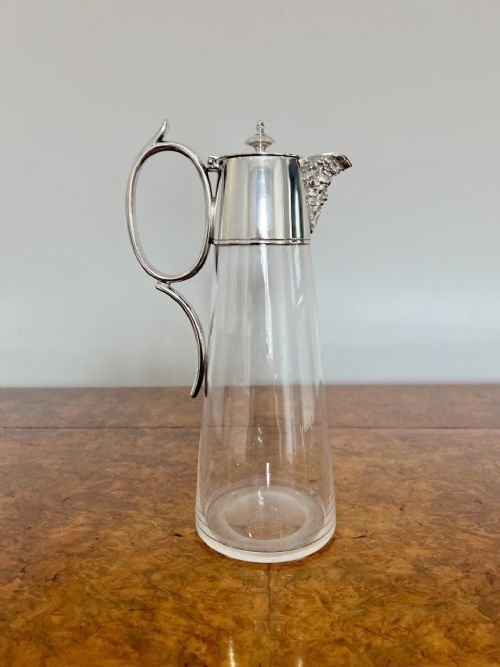
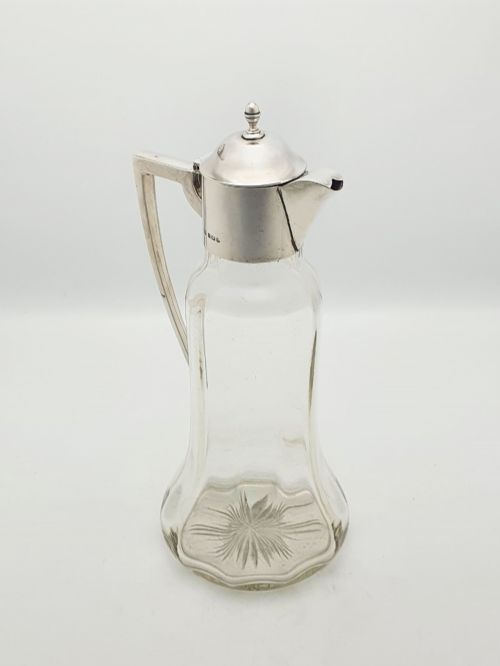
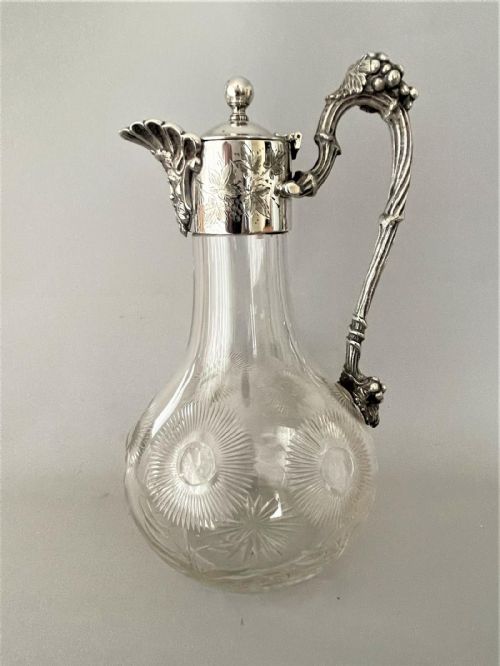
A silver top glass jug combines heavy, faceted crystal with bright metal mounts to serve wine, spirits or water.
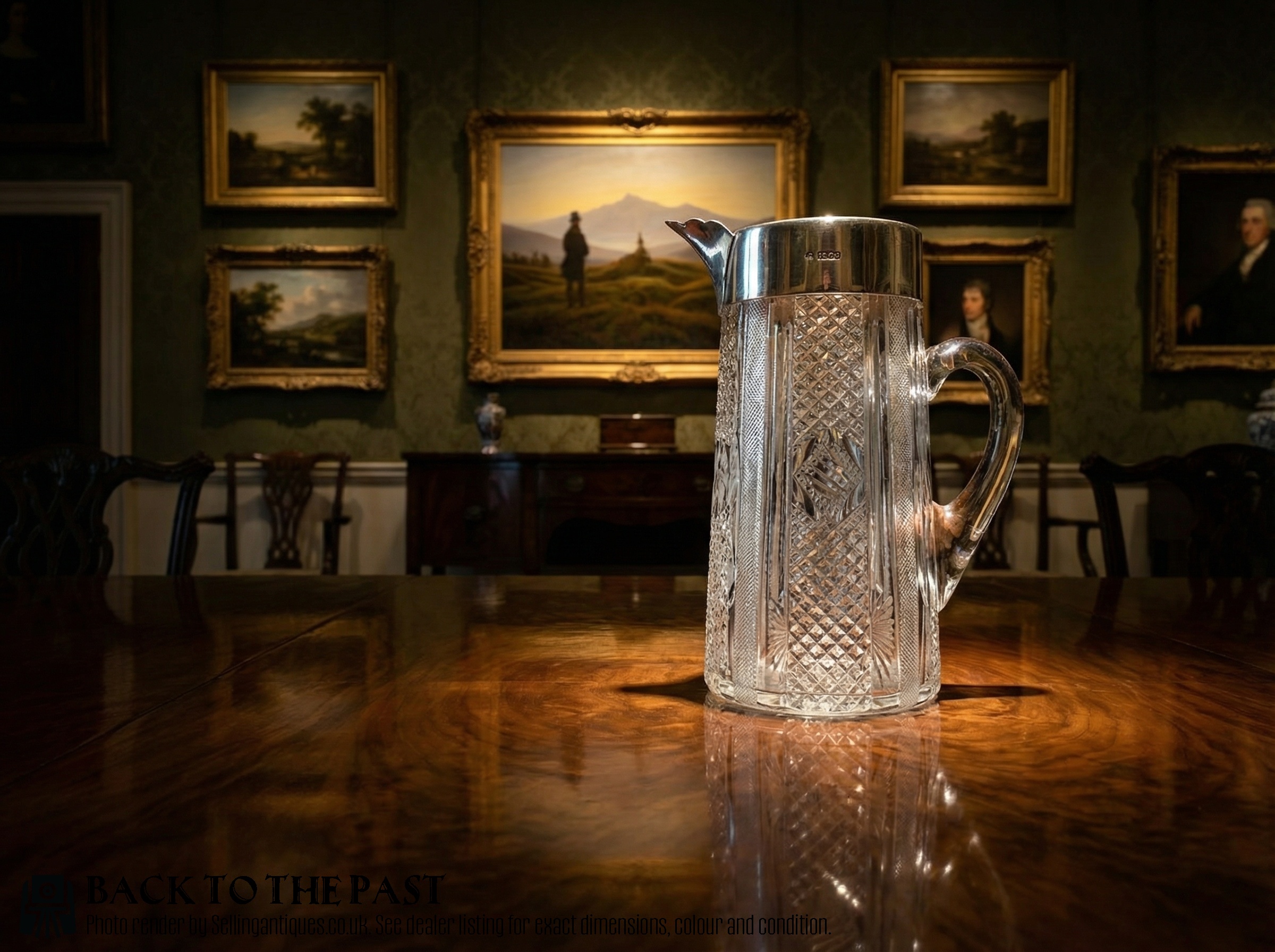
Silver Top Glass Jug
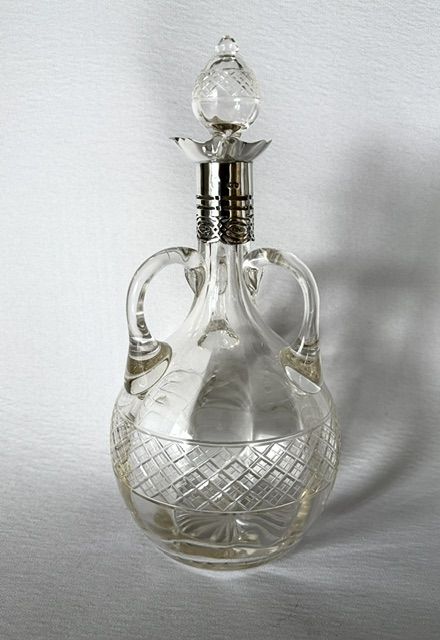
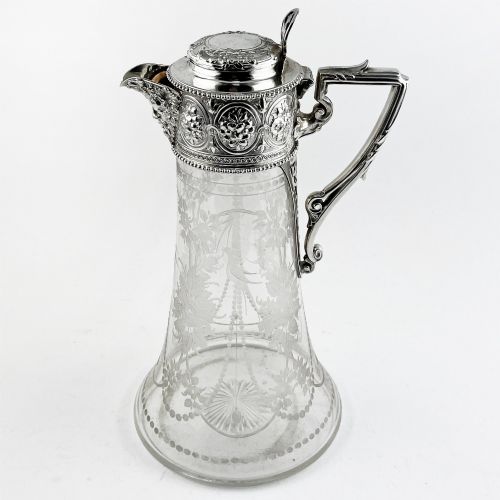
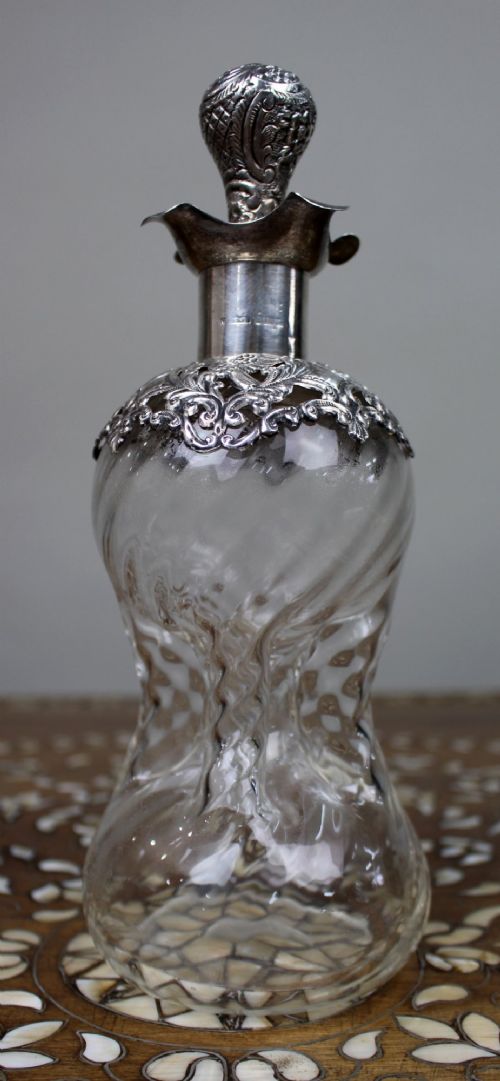
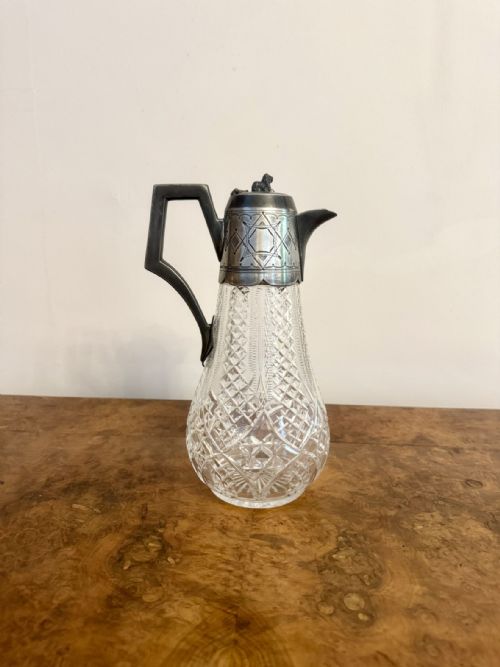
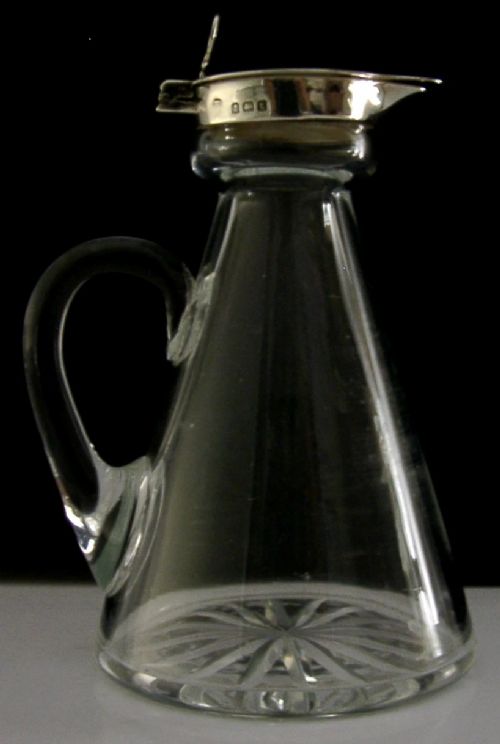
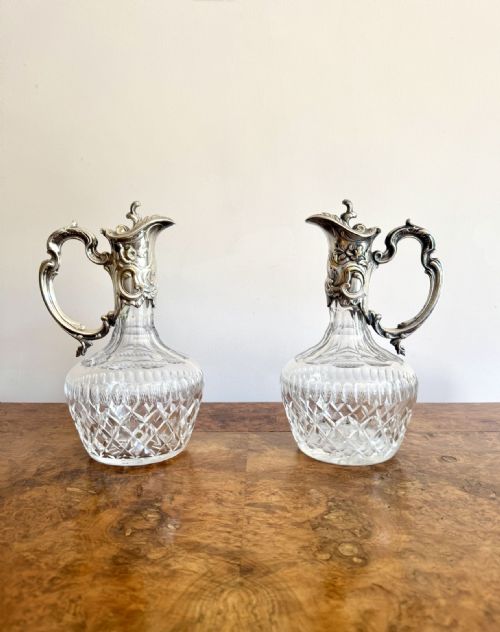
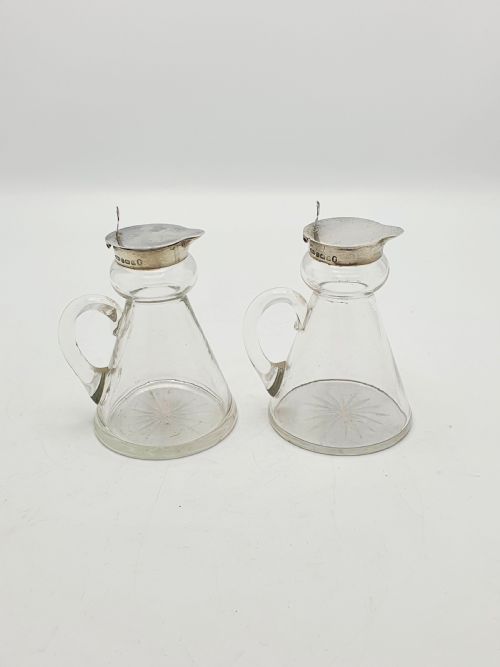
A silver top glass jug is typically found in the form of claret jugs, water pitchers and whisky noggins spanning the Victorian, Edwardian and George V periods. These vessels combine functional pouring forms with decorative metal collars, hinged lids and handles that secure the glass body.
The most common examples encountered on this page date from the late nineteenth century through to the interwar years, reflecting changing dining and barware fashions. Makers utilised both sterling silver and silver plate for the metal mounts, paired with blown and moulded glass bodies.
Forms range from large, panel-cut claret jugs designed for formal dining tables to miniature whisky noggins intended for individual use. They appear in styles running from florally engraved Victorian designs through to clean-lined Arts and Crafts and Art Deco interpretations.
Materials and construction
Makers formed the vessel bodies from heavy lead glass, crystal or occasionally coloured glass, shaping them through blowing and mould-pressing. Artisans then decorated the exterior surfaces using deep wheel-cutting, floral etching or geometric facets to catch the light.
The metal components, comprising collars, hinged lids and thumbpieces, were cast or spun in sterling silver or silver plate. Silversmiths secured these mounts around the glass necks using plaster or specialised adhesives, often incorporating integral spouts and secure hinge mechanisms.
Assessing quality and execution
Quality rests primarily on the depth and crispness of the glass cutting and the substantial weight of the metal mounts. Superior pieces display hand-cut facets with sharp definition and heavier gauge silver that maintains its structural rigidity around the collar.
The integration between the metal top and the glass body indicates higher manufacturing standards. Well-made vessels feature tight-fitting collars and robust, smooth-working hinges that align precisely with the pouring lip.
Asprey and Co. Ltd·Christofle·Hukin and Heath·Tiffany
The Silver Top Glass Jug Glossary
- Claret jug
- A pouring vessel specifically designed for serving red wine at the table. These pieces typically feature a generous glass body and an ornate silver handle and hinged lid.
- Whisky noggin
- A small individual decanter or jug used for serving whisky. They often include a silver collar and a small matched pouring lip.
- Cut glass
- Glass decorated by grinding facets or patterns into the surface using rotating wheels. The technique creates refractive edges that enhance the appearance of liquids within.
- Silver plate
- A base metal, frequently copper or a white metal alloy, coated with a thin layer of pure silver. This method offered the appearance of solid silver at a lower cost.
- Sterling silver
- An alloy containing a high proportion of pure silver combined with copper for strength. British examples commonly bear hallmark stamps verifying this standard.
Silver Top Glass Jug: Frequently Asked Questions
What is a silver top glass jug used for?
These vessels were primarily created to serve wine, water or spirits at the dining table and sideboard. Victorian and Edwardian households utilised them during formal meals and evening entertaining.
Claret jugs held red wine poured from bottles, while smaller noggins dispensed whisky. Today, many buyers continue to use them for serving drinks or display them as decorative barware.
How do I date a silver mounted jug?
Dating relies heavily on the hallmarks stamped onto the silver mounts, which indicate the assay office and year of manufacture for British sterling pieces. Unmarked silver plate or pieces without hallmarks require assessment through stylistic clues.
Cut patterns, glass colours and the overall shape of the handle and mount point toward specific eras such as the Victorian period or the Art Deco style.
Are silver plate and sterling silver mounts different?
Sterling silver mounts contain a regulated high purity of precious metal and usually carry traditional British hallmarks including a lion passant and date letters. Silver plate consists of a thin layer of silver bonded to a base metal.
Both materials were widely utilised across different price points during the nineteenth and twentieth centuries, and both can support high-quality glass bodies.
How should I clean my glass jug?
Wash the glass body gently using warm water and mild detergent, taking care to protect any antique silver mounts from harsh chemical immersion. Avoid abrasive scrubbers that might scratch the surface of the glass or wear away silver plating.
Ensure the vessel is dried thoroughly after washing, particularly around the metal collar where moisture might become trapped against the glass.