





Clear Glass Saucer
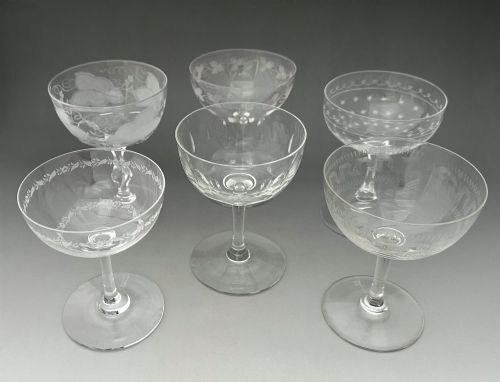
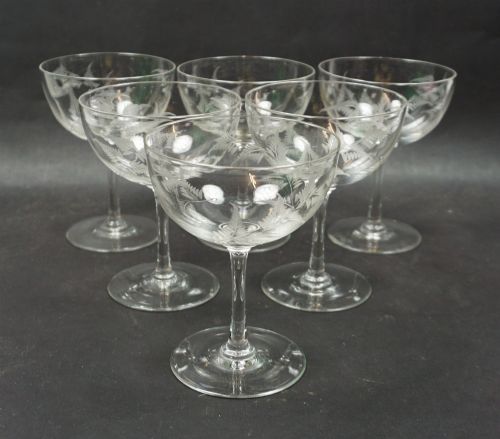
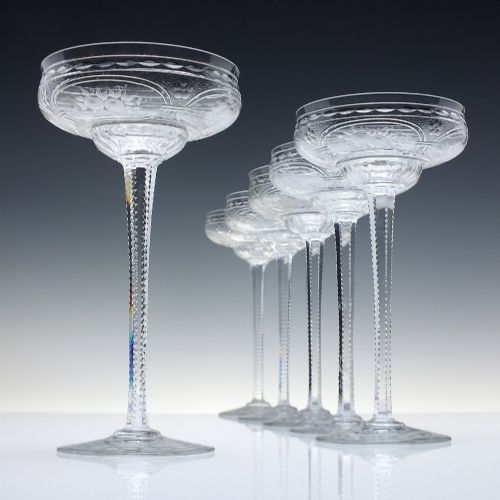
These clear glass saucer pieces span Georgian salt cellars and Victorian champagne bowls, offering crisp service and bright table settings.
Clear Glass Saucer
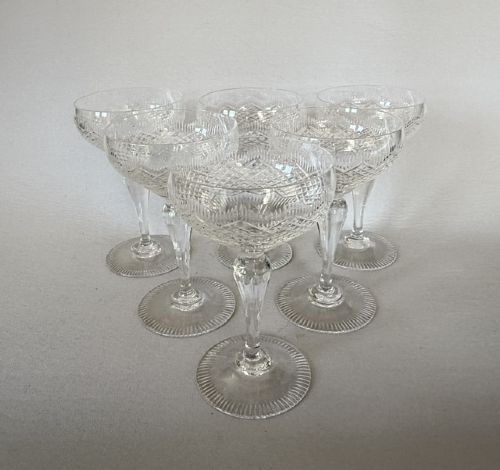
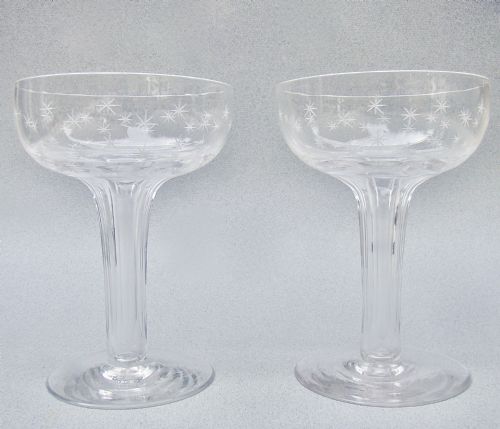
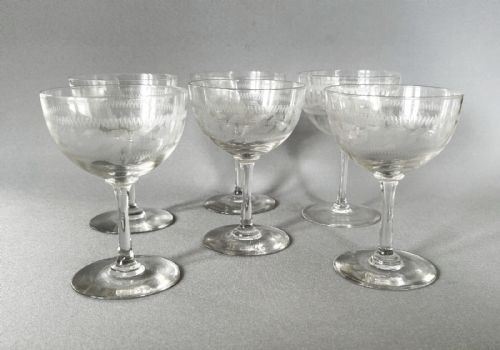
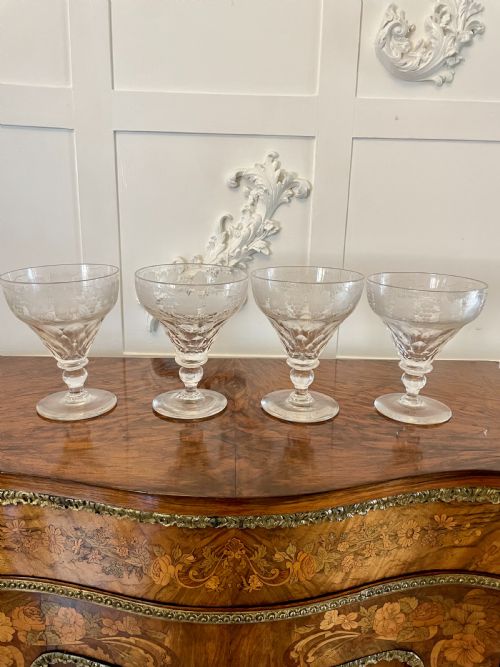
A clear glass saucer search brings up domestic tableware items spanning Georgian, Victorian, and Edwardian periods. Most pieces meet the eye as champagne coupes, hollow stem glasses, or matching plate combinations.
The objects recorded range from single sweetmeat plates to sets of six champagne glasses and fitted salts. Georgian Irish cut glass salts with fitted saucers sit alongside Edwardian etched crystal coupes and Victorian bowl sets.
Materials and production methods
Makers utilised clear glass, lead crystal, and crystal glass to shape these table wares. Weight and refractive index vary according to the lead content present in the melt.
Decoration relies upon wheel-cutting, star-etching, and engraving techniques. Artisans also applied enamel decoration or created cranberry over crystal cased layers.
Clear Glass Saucer Retail Price Guide 2026
Typical asking prices for clear glass saucer among the pieces listed under this phrase on Sellingantiques today, from the lower quarter to the upper quarter. They describe what is for sale here now, not the wider market.
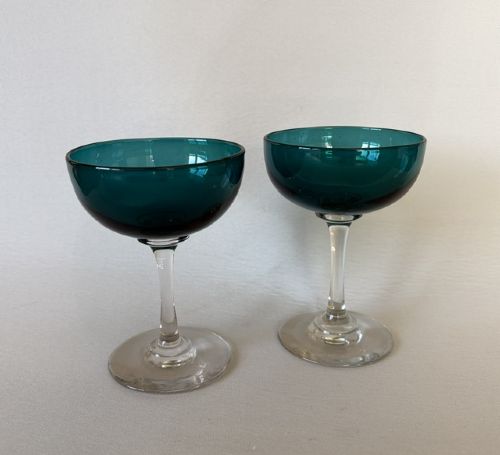
The inventory spans Victorian, Edwardian, and Georgian periods, utilising lead crystal, cut glass, and cranberry glass across champagne coupes and salts.
Distinctions in standard and finish
Depth and crispness of wheel-cut facets separate standard items from finer productions. Sharp geometric edges and smooth polished surfaces indicate superior work.
Completeness of sets and matching forms dictate utility on the table. Uniformity in thickness and clarity across a group of six or more pieces marks higher standards of manufacture.
Baccarat·Emmy Seyfried
The Clear Glass Saucer Glossary
- Champagne coupe
- A shallow saucer-shaped glass on a stem designed for sparkling wine. This form precedes the tall flute in historical dining.
- Sweetmeat plate
- A small dish used for serving confectionery, nuts, or small preserves. These often double as early forms of saucers or under-dishes.
- Cranberry glass
- Transparent glass coloured with gold chloride to produce a rich pink-red hue. It frequently appears overlaid upon clear crystal.
- Lead crystal
- Glass containing metal oxide that increases weight, brilliance, and workability for cutting. It yields a clear ring when struck gently.
- Greek key pattern
- A decorative border motif formed from a continuous rectilinear line folded into repeated meanders. It appears etched on Edwardian glassware.
Clear Glass Saucer: Frequently Asked Questions
What are clear glass saucers used for?
These items serve primarily as champagne coupes or as fitted under-dishes for salt cellars and sweetmeat plates. They accommodate drinks, small desserts, or condiments on formal dining tables.
Period dining arrangements placed them within reach for guests during courses. Their versatile shallow bowls suit multiple table settings.
How do I date a glass saucer?
Dating relies upon stylistic markers, cutting techniques, and glass composition. Georgian items often display heavier metal with distinct tool marks, while Victorian examples introduce star-etching and varied coloured overlays.
Edwardian and later productions favour cleaner geometric lines or precise enamel work. Comparing the form against known period manufacturing styles clarifies the timeline.
Are these saucers safe to use?
Antique glass functions well for modern dining provided it receives careful hand washing. Sudden temperature shifts should be avoided to protect historical material.
Lead crystal benefits from gentle cleaning without abrasive pads. Storing items securely prevents edge chipping on delicate rims.
What is the difference between glass and crystal?
Crystal contains a proportion of metallic oxide, typically lead, which increases the density and refractive index of the material. This composition allows for deeper, sharper cutting without fracturing.
Standard glass lacks this metallic content, resulting in lighter weight and less dispersion of light. Many antique table pieces utilise lead crystal for enhanced brilliance.