


Edwardian Crystal Glasses
Edwardian crystal glasses bring brilliant refraction and crisp faceted forms to the table, offering a tangible link to early twentieth-century dining elegance.
Edwardian Crystal Glasses
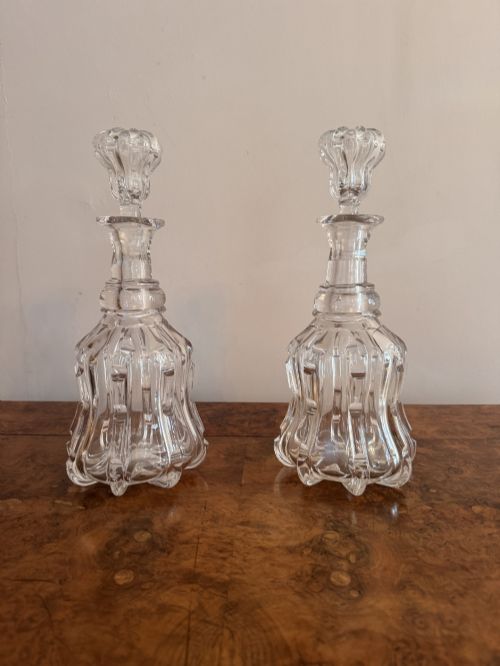
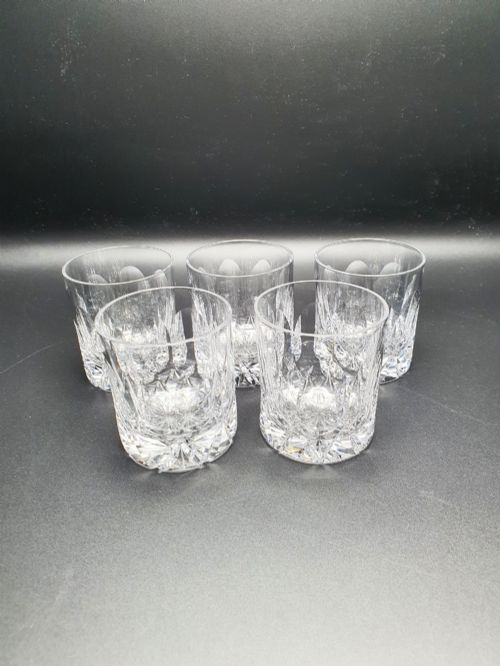
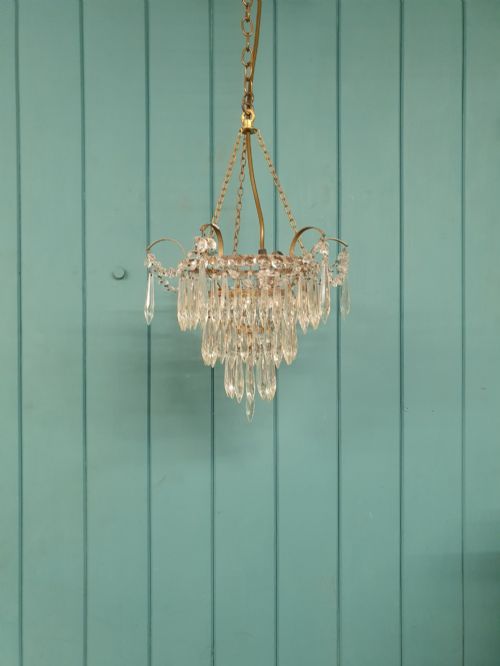
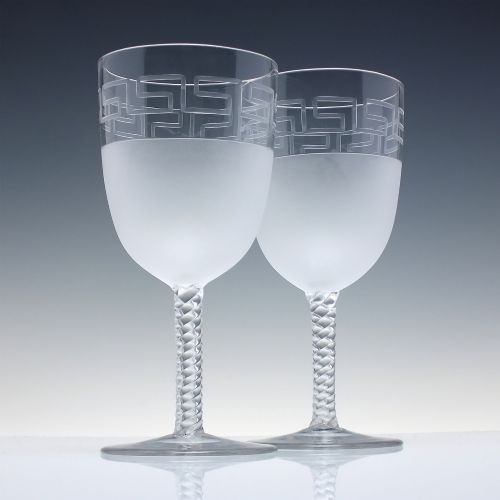
When searching for edwardian crystal glasses, buyers encounter drinking vessels, decanters, and serving pieces spanning the Edwardian period, Victorian era, and early twentieth century. The selections available here comprise champagne coupes, wine glasses, dram glasses, and champagne bowls produced in clear, intaglio-engraved, and coloured crystal. English and French makers dominate the pieces on offer, reflecting the prominent glasshouses of the period.
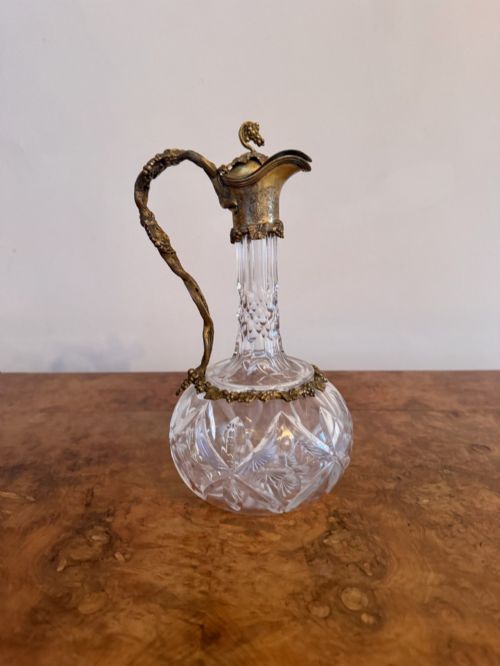
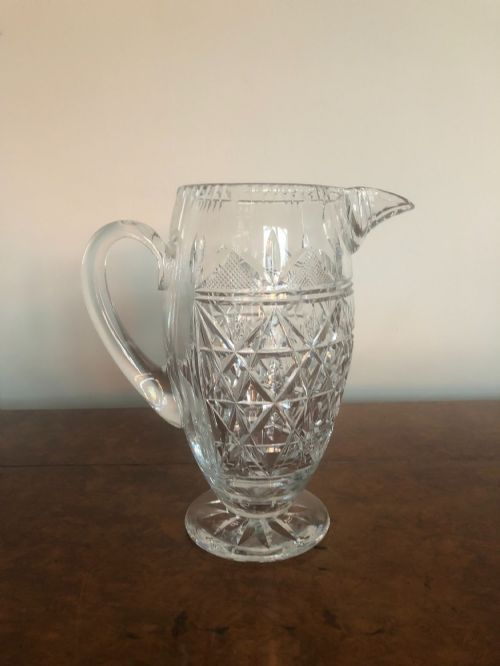
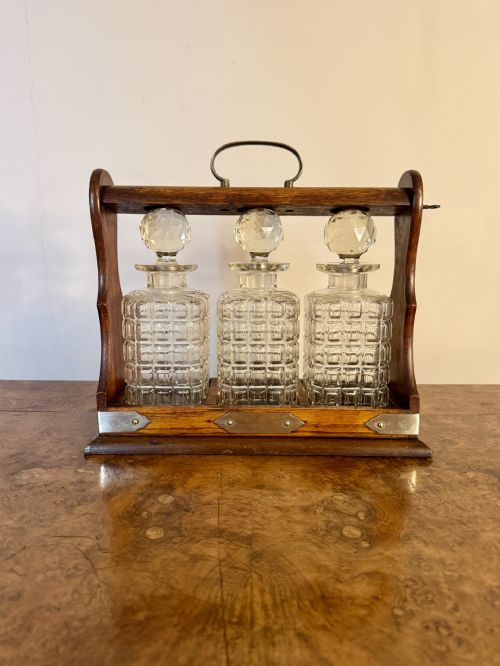
Drinking sets frequently appear as assembled harlequin groups or matched sets of six or eight pieces. Alongside stemware, the listings include related table items such as claret jugs, decanters, biscuit barrels, and scent bottles mounted in sterling silver or silver plate. These domestic objects illustrate the heavy reliance on cut crystal for formal dining and sideboard display during the opening decades of the twentieth century.
How they were made
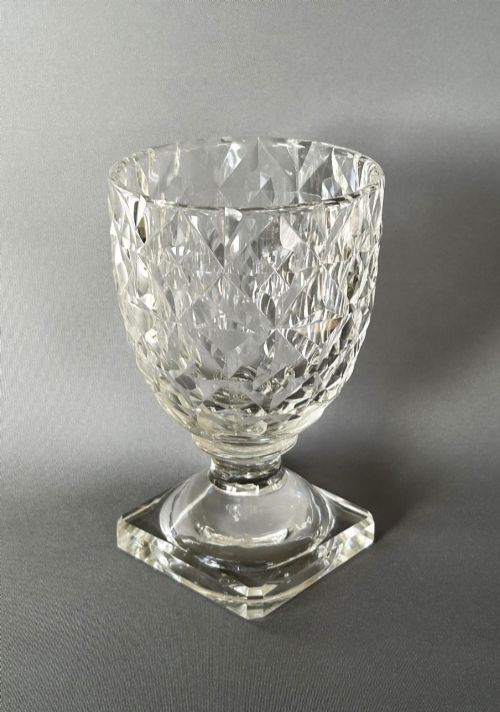
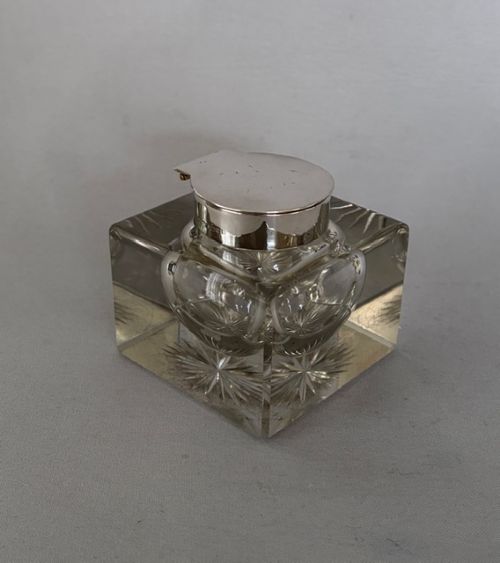
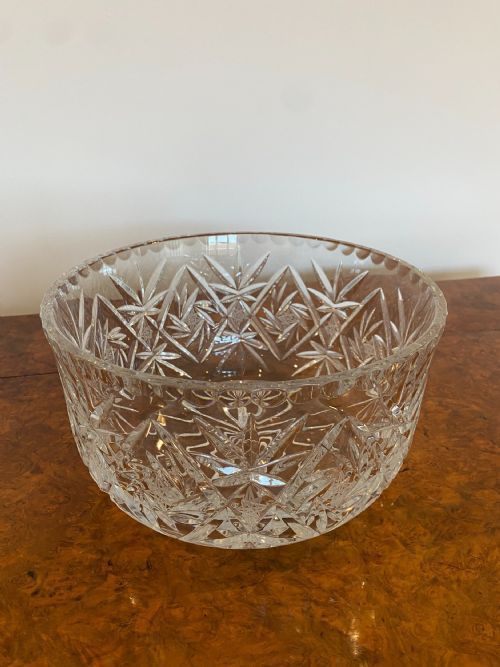
Makers utilised heavy lead crystal and standard glass, applying wheel-cutting techniques to produce deep geometric patterns, hobnail facets, and star bottoms. Many pieces incorporate applied coloured glass elements, such as green glass leaves on jugs or amber staining, alongside intaglio engraving executed by hand on the wheel. Metal mounts in sterling silver, silver plate, or ormolu provide structural collars and hinged lids for decanters and cologne bottles.
French workshops and English factories employed distinct moulding and cameo techniques, including faux cameo decoration and acid-etching. Glassblowers formed the basic vessels before skilled cutters ground the facets and polished the surfaces to maximise light refraction. Silver components bore hallmarks from assay offices such as Birmingham and Chester, dating the mounted items precisely.
Edwardian Crystal Glasses Retail Price Guide 2026
Typical asking prices for edwardian crystal glasses among the pieces listed under this phrase on Sellingantiques today, from the lower quarter to the upper quarter. They describe what is for sale here now, not the wider market.
Listings feature lead crystal, silver, and cut glass forms spanning the Victorian, Edwardian, and George V periods.
What varies in quality
The standard of cutting separates ordinary vessels from superior pieces, with crisp, deep facets showing sharper definition and superior light capture than shallow, blurred grinding. Weight and thickness indicate the lead content of the crystal, where heavier metal yields a clearer ring and greater brilliance.
The refinement of ancillary materials further distinguishes the range, particularly the weight of sterling silver mounts and the delicacy of intaglio engraving. Intact sets with uniform bowl heights and matching bases command greater attention than assembled groups showing slight variations in manufacture.
Stevens and Williams·Baccarat·William Comyns
The Edwardian Crystal Glasses Glossary
- Crystal glass
- Glass containing a proportion of lead oxide, which increases weight, clarity, and refractive index. This material allows for deeper wheel-cutting and sharper facet edges.
- Intaglio engraving
- A decorative technique where designs are ground into the glass surface using small rotating wheels. This creates sunken motifs that contrast with polished clear areas.
- Hobnail cut
- A raised, pointed diamond pattern resembling the hobnails on rustic boots. It covers the body of decanters, bowls, and tumblers to catch light from multiple angles.
- Coupe
- A broad, shallow-bowled glass traditionally used for champagne. Edwardian examples often feature short stems and heavily cut bases.
- Harlequin set
- A collection of drinking vessels that match in form or period but vary in colour or individual decorative detail. Such sets were often assembled over time rather than purchased as a single batch.
Edwardian Crystal Glasses: Frequently Asked Questions
Can I use these glasses for daily dining?
These vessels suit occasional formal dining and celebratory toasts rather than rugged daily use. Hand-blown lead crystal is softer and more vulnerable to chipping than modern toughened glass.
Handle stemware by the stem rather than the bowl to prevent accidental snapping at the join during use.
How do I identify Edwardian period crystal?
Look for heavy lead content, characteristic deep geometric cutting, and shapes typical of the early twentieth century, such as champagne coupes and square-section decanters. Hallmarked silver mounts often provide an exact year of manufacture.
Compare the cutting style against Victorian precedents, which often featured heavier, more ornate floral motifs compared to Edwardian crispness.
What is a harlequin set?
A harlequin set consists of individual glasses that share a common form, period, or maker but differ in colour or pattern. These groups offer a decorative table setting favoured by collectors.
Such sets allow buyers to enjoy matching glassware while embracing the subtle variations inherent in antique manufacture.