
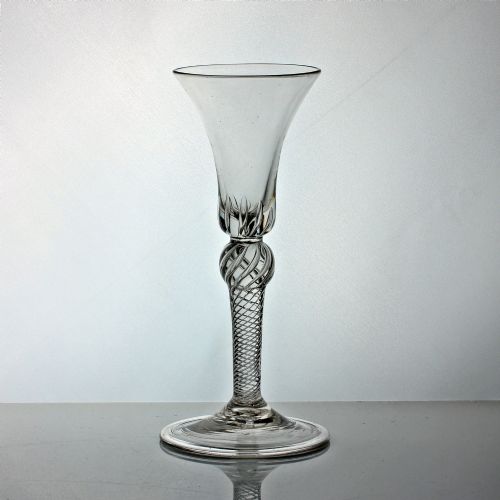

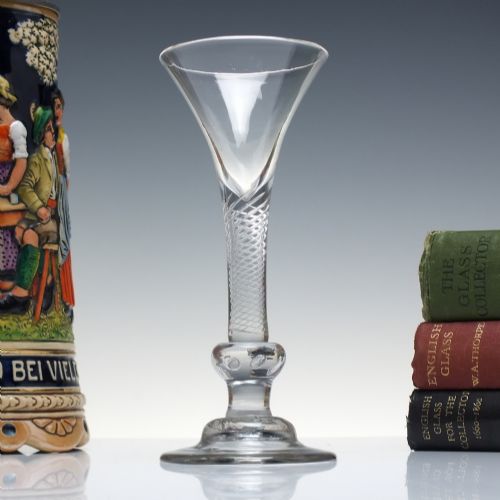
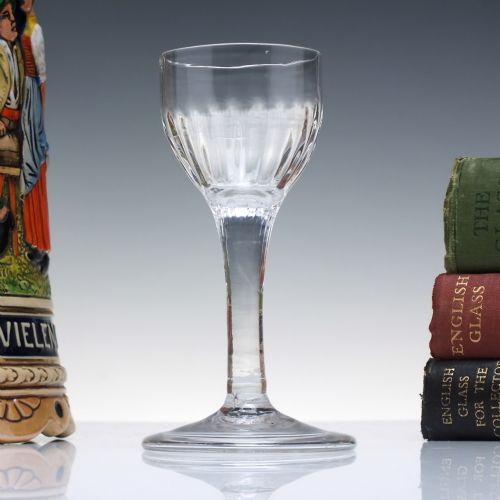


Clear Glass Footed Bowl
These clear glass footed bowl pieces bring tactile weight and historic form to a table, offering both decorative presence and functional heritage.
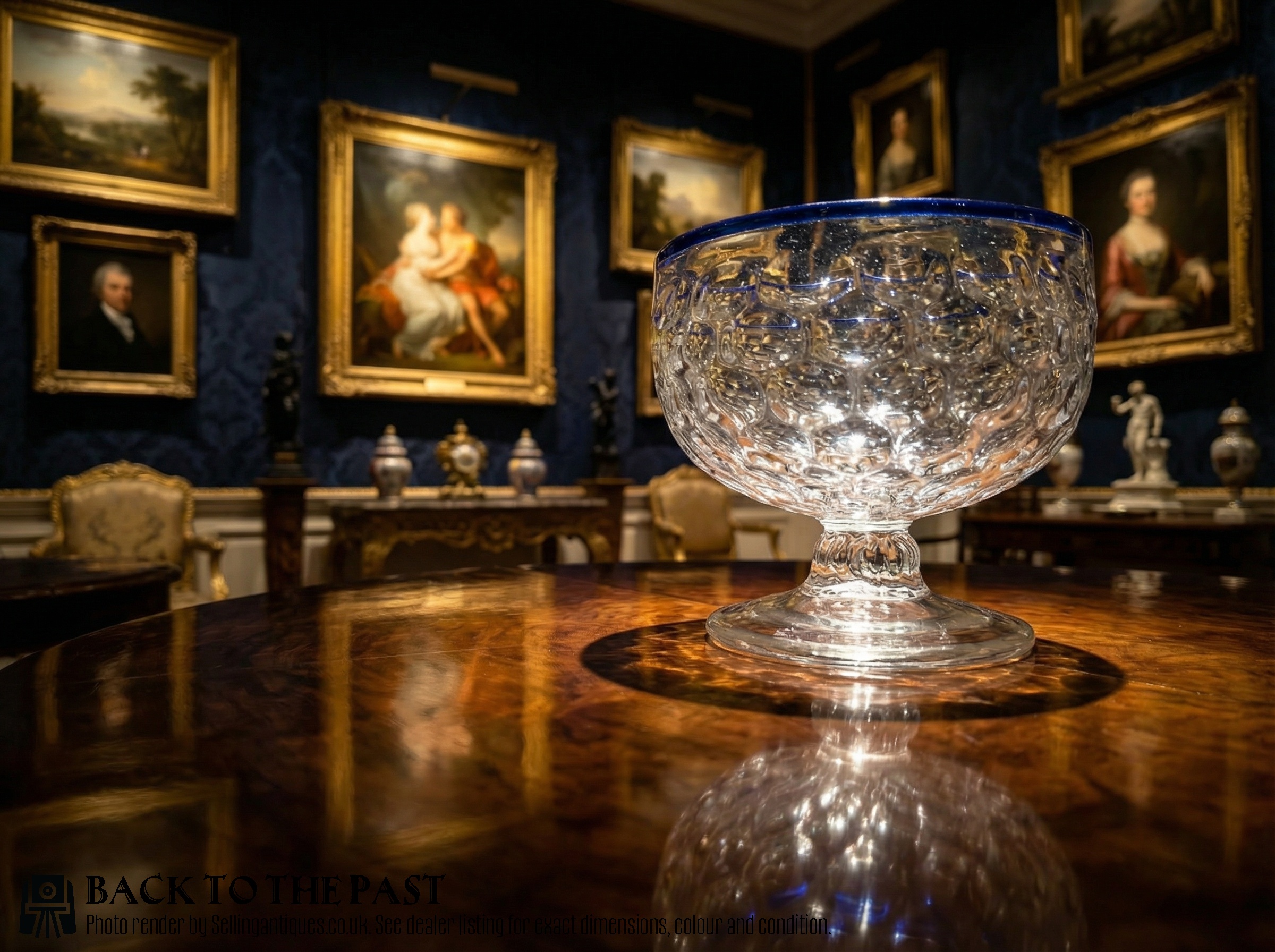
Clear Glass Footed Bowl
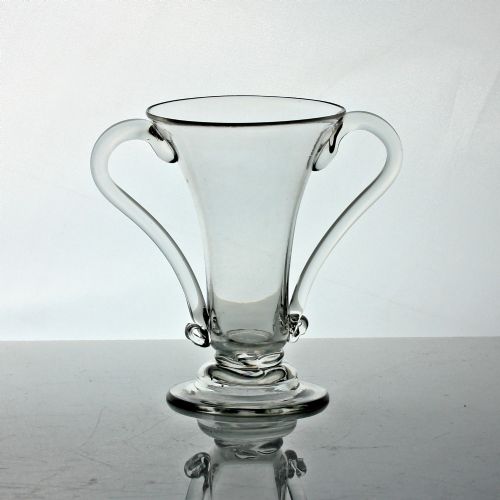
A clear glass footed bowl spans a variety of historical drinking vessels, sweetmeat glasses, tazzas, and large table centrepieces. Buyers searching this phrase encounter items raised on pedestals, domed feet, or folded bases, originating from the eighteenth century through to the early twentieth century.
The selection ranges from small Georgian jelly and sweetmeat glasses to substantial Victorian and Edwardian fruit bowls, comports, and pedestal containers. Pieces often display specific regional characteristics, including traditional Irish crystal cutting and English lead glass formations.
Materials and construction
The objects are produced from lead crystal, flint glass, and clear glass, shaped through hand-blowing and moulding techniques. Artisans utilised heavy metal oxide content in the glass batch to increase brilliance and weight, allowing for deep wheel-cutting and facet polishing.
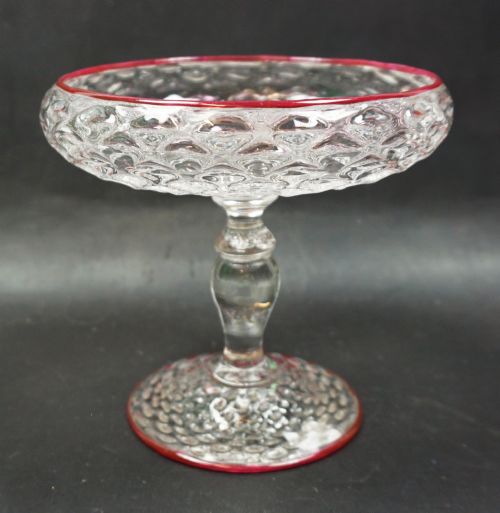
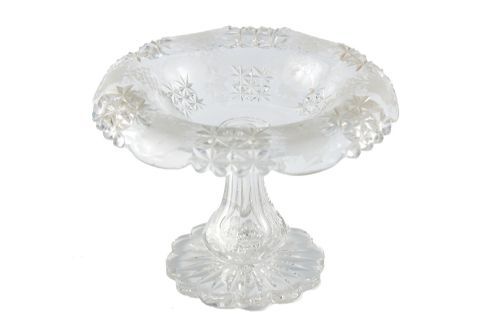
Surface ornamentation is achieved through hobnail patterns, honeycombing, wheel-cutting, etching, and the application of coloured glass rims, canes, or enamel decorations. Bases frequently incorporate folded rims or domed feet to provide stability to the elevated vessel.
The listings span from the eighteenth century to the twentieth century, encompassing Georgian, Victorian, Edwardian, and Art Nouveau periods.
Evaluating distinction
Quality rests upon the clarity of the metal, the precision of the facet cutting, and the balance of the elevated foot. Superior examples demonstrate crisp, deep wheel-cut decoration without surface blurring and possess a resonant ring when struck.
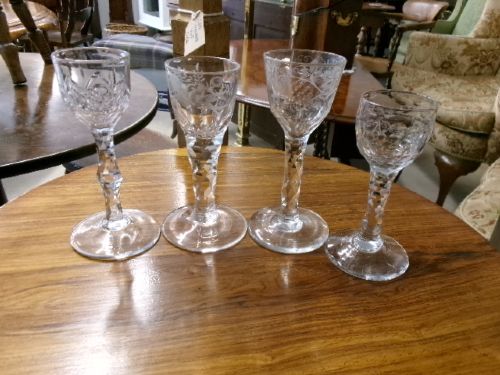
Proportion and form dictate the desirability of the piece, particularly where stems, knots, and air twists are integrated into the design. Consistency in the hand-blown thickness and minimal optical distortion within the clear bowl separate standard items from finer works.
St Louis glassworks·Stuart for Liberty·Waterford
The Clear Glass Footed Bowl Glossary
- Footed bowl
- A vessel raised above the surface by a pedestal, foot, or stem. This design elevates the contents for display.
- Tazza
- A shallow saucer or bowl mounted on a stem and foot. It serves primarily as a decorative centrepiece or fruit dish.
- Lead glass
- Glass containing lead oxide, which increases density and refractive index. It enables sharper cutting and greater brilliance.
- Folded foot
- A base edge doubled over during manufacture to create a thickened, rounded rim. This technique adds strength to the vessel.
- Air twist
- An optical effect within a glass stem created by elongated bubbles pulled and twisted during formation. It adds decorative movement to the support.
Clear Glass Footed Bowl: Frequently Asked Questions
How do I date an old glass bowl?
Dating relies on examining the manufacturing marks, pontil scars on the base, and the composition of the metal. Eighteenth-century pieces often show rough snapped pontils and heavy lead content, while later Victorian items feature mechanised press-moulding or precise wheel-cutting.
Style shifts also offer clues, moving from simple baluster stems in the Georgian era to elaborate hobnail patterns and etched flora in the nineteenth century. Comparing the weight and clarity helps place the piece within a specific decorative period.
What was a footed bowl used for?
These elevated vessels served multiple dining and display functions across different centuries, ranging from holding sweetmeats and jelly to presenting fruit and nuts. Tazzas and large centrepieces occupied the middle of the dining table for formal dessert courses.
Smaller footed glasses functioned as individual drinking vessels or containers for custards and sweet dishes. Their height kept the contents visible and separated them from the main table surface.
How should I clean antique glass?
Cleaning requires warm water and mild liquid soap, avoiding harsh scrubbing materials or abrasive detergents that scratch the surface. Hand washing is essential, as the thermal shock and harsh chemicals in modern dishwashers permanently cloud antique lead crystal.
Dry the vessel immediately with a lint-free cloth to prevent water spots on the cut facets. Remove stubborn residue gently with a soft brush rather than soaking metal-mounted or enamelled pieces for extended periods.
Are these bowls safe for food?
Most antique glass vessels remain suitable for serving dry foods, fruit, or sweets during occasional use. However, items containing higher lead content should not store acidic foods or liquids for long periods.
Inspect the interior surfaces for any manufacturing flaws or deep historical wear before use. Modern food safety standards differ from historical production methods, so many collectors prefer using these pieces for display.