

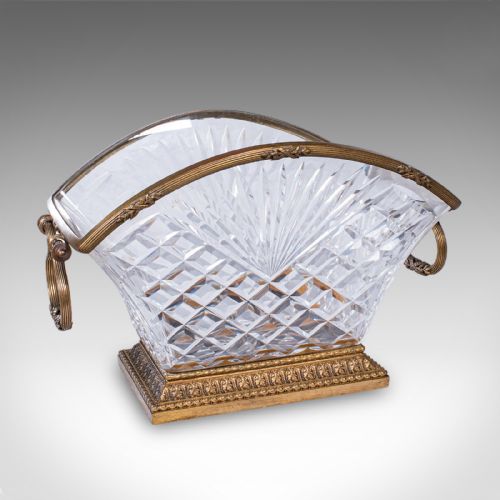
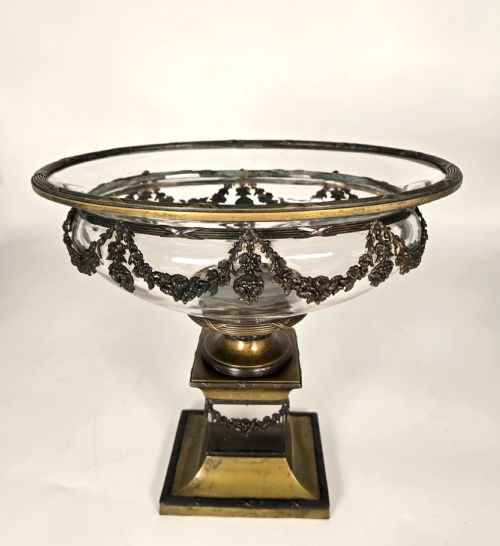
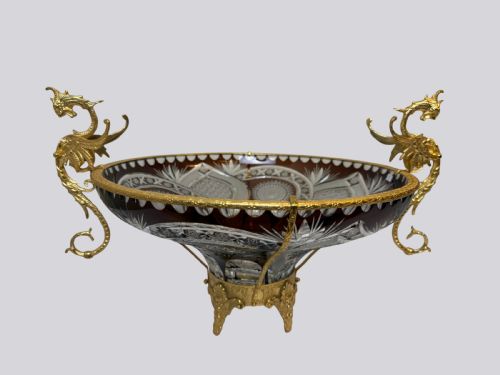


Clear Glass Decorative Bowl
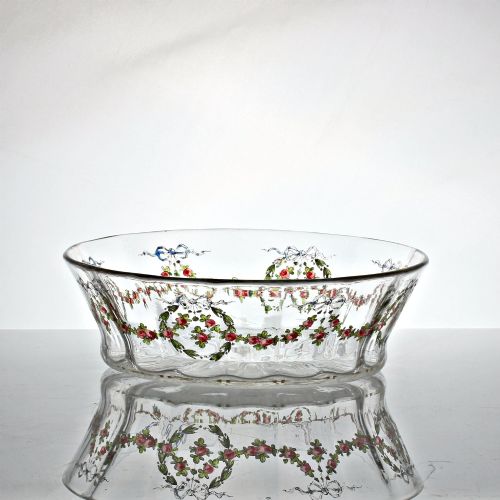
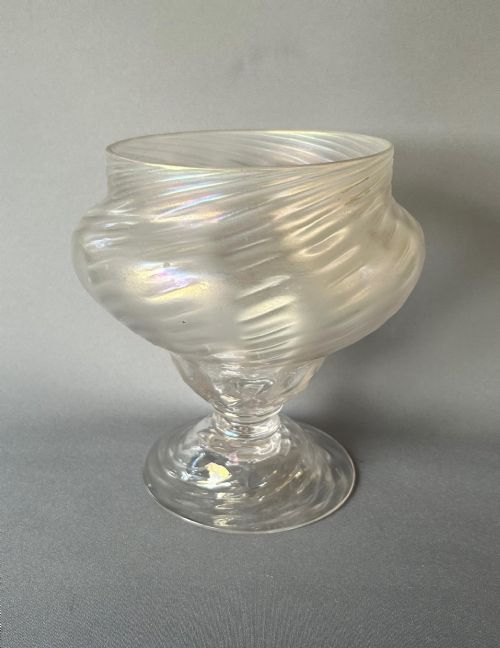
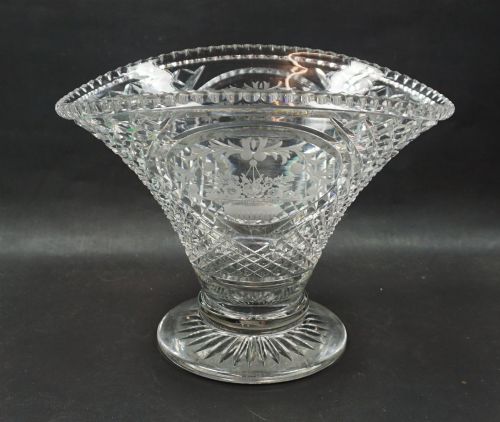
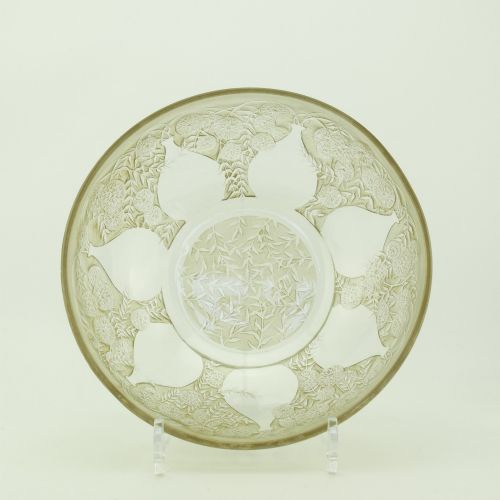
These clear glass decorative bowl selections bring brilliant refractive light and period craftsmanship into a room.
Clear Glass Decorative Bowl
When you search for a clear glass decorative bowl, you encounter versatile vessels designed for display, serving or floral arrangement across the Victorian, Edwardian and Art Deco eras. The pieces span simple domestic dishes to elaborate pedestal forms mounted in gilt bronze or ormolu, originating from English, French and Venetian workshops.
You are most likely to meet pressed, cut or opalescent glass forms dating from the nineteenth and early twentieth centuries on this page. These range from substantial centrepiece bowls intended for dining tables to smaller bon bon dishes and decorative plates.
What varies in quality
The standard of cutting and engraving largely determines the excellence of a piece, where crisp facets and deep wheel work show superior handcraft. Clarity of the metal, freedom from bubbles and the weight of the lead crystal also separate standard domestic wares from exceptional studio productions.
The integration of metal mounts demonstrates workmanship quality, with finely chased ormolu and secure bronze fittings indicating higher production standards. Additionally, the reputation of the designer or glasshouse influences the desirability and refinement of the finished object.
Clear Glass Decorative Bowl Retail Price Guide 2026
Typical asking prices for clear glass decorative bowl among the pieces listed under this phrase on Sellingantiques today, from the lower quarter to the upper quarter. They describe what is for sale here now, not the wider market.
Listings feature items spanning the Victorian era through the Arts & Crafts movement and Art Deco period, incorporating cut, opalescent and latticinio glass.
Rene Lalique·Salviati Venice·Stuart
The Clear Glass Decorative Bowl Glossary
- Lead crystal
- Glass containing lead oxide, which increases weight, refractive index and brilliance. This material allows for deep, sharp wheel cutting.
- Ormolu
- Gilded bronze used for mounts and decorative fittings on nineteenth-century pieces. It provides a rich golden contrast to clear or coloured glass.
- Opalescent glass
- Glass that displays a milky, semi-translucent appearance with bluish or pearly highlights. This effect often accentuates moulded reliefs on Art Deco vessels.
- Tazza
- A shallow bowl or plate mounted on a stem and foot, used for serving fruit or sweets. These pedestal forms elevate the display above the table surface.
- Latticinio
- A technique featuring fine white or coloured glass threads embedded within clear glass. Venetian glassmakers frequently employed this method to create delicate network patterns.
Clear Glass Decorative Bowl: Frequently Asked Questions
How do I date a glass bowl?
Examine the manufacturing technique, styling cues and any visible pontil marks on the base. Victorian pieces often feature heavy cut glass or cranberry hues, while Art Deco examples show moulded opalescent designs.
Maker marks, signatures or metal mount styles also help narrow the production period to specific decades such as the eighteen-sixties or nineteen-twenties.
Were these bowls used for dining?
Many large centrepiece bowls and tazzas served functional roles on formal dining tables for fruit, sweetmeats or floral arrangements. Smaller dishes acted as bon bon holders or serving vessels.
Other pieces were purely ornamental, designed to catch the light on side tables, mantelpieces or pedestals within nineteenth-century interiors.
How should I clean a glass bowl?
Wash the glass gently in lukewarm water using mild, non-abrasive soap and a soft cloth. Avoid harsh chemicals or scouring pads that might scratch the surface or damage engraved details.
If the piece includes metal mounts or gilding, keep moisture away from those areas and dry the glass thoroughly with a lint-free towel.
What is the difference between crystal and glass?
Lead crystal contains a specific percentage of lead oxide, which gives the material greater density, a resonant ring when struck and superior light dispersion. Standard glass lacks this lead content and tends to be lighter.
Crystal allows artisans to achieve sharper facets during the cutting process compared to ordinary soda-lime glass.
How do I display a centrepiece bowl?
Place the vessel in a well-lit location where natural light can pass through the clear or opalescent material to highlight its refractive qualities. Large pedestal bowls suit dining tables or central entrance halls.
Ensure the supporting surface is stable and level, particularly when displaying heavier lead crystal or bronze-mounted pieces.