





Vintage Glass Serving Dish
These vintage glass serving dish pieces range from heavy Victorian cut crystal to sleek Art Deco opalescent bowls, offering both practical utility and striking decorative presence.
Vintage Glass Serving Dish
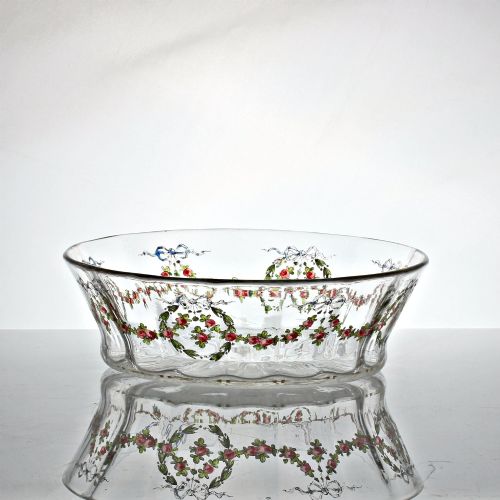
A vintage glass serving dish takes many forms across this selection, from deep centerpiece bowls and sweet dishes to handled trays and lidded servers. These items were designed for dining tables and sideboards, used to present fruit, desserts, or small savouries during formal and domestic meals.
The pieces on this page span several decades and stylistic movements, including Victorian, Edwardian, and Art Deco designs. Buyers are most likely to encounter Edwardian cut glass vessels and 1930s opalescent bowls when browsing these current listings.
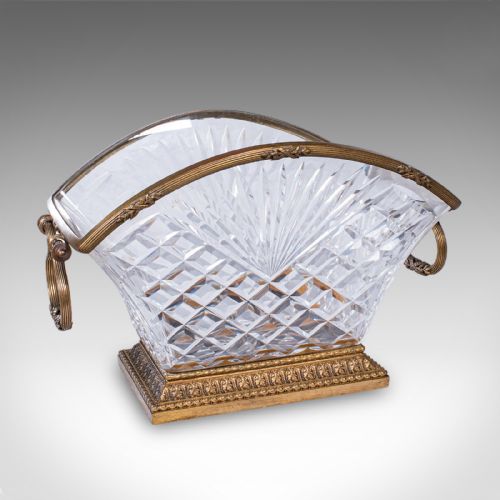
Origins vary across Britain, France, and Scotland, reflecting different regional glassmaking traditions. Some examples incorporate precious metals, combining glass bodies with silver plate, sterling silver rims, or ormolu mounts.
Materials and production methods
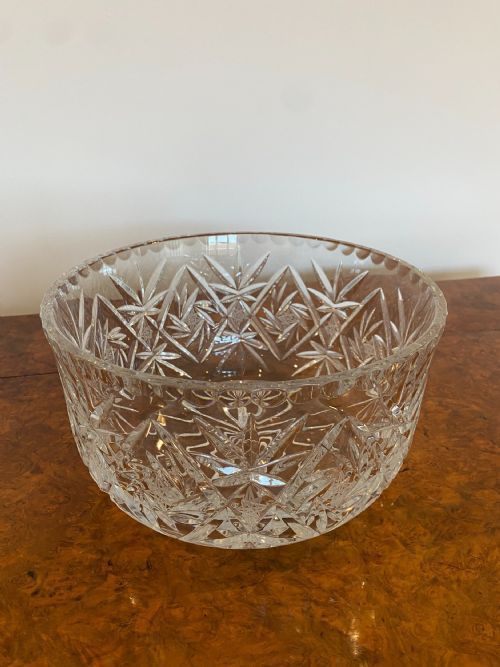
Glass production relies on traditional blowing, pressing, and cutting techniques. Cut glass items achieve their faceted surfaces through wheel-cutting and polishing, while pressed glass utilises metal moulds to shape molten material into patterned vessels.
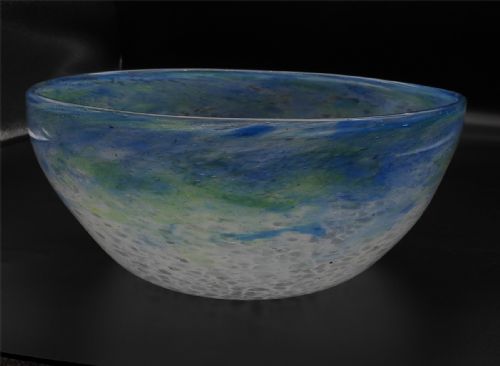
Opalescent glass gains its characteristic milky, light-catching quality through specific chemical additives during the melting process. Monart pieces demonstrate specialised Scottish glassblowing methods that introduce internal colour suspensions and mottling.
Metal components complement the glass bodies in several pieces. Ormolu mounts, bronze frameworks, and silver-plated or sterling silver rims are fitted to secure or elevate the glass vessels, requiring specialist metalworking skills alongside glass manufacture.
Vintage Glass Serving Dish Retail Price Guide 2026
Typical asking prices for vintage glass serving dish among the pieces listed under this phrase on Sellingantiques today, from the lower quarter to the upper quarter. They describe what is for sale here now, not the wider market.
Assessing quality and craftsmanship
Quality in these items is determined by the clarity and weight of the glass, alongside the precision of any cut decoration. Deeper, crisper facets on cut glass and heavier lead crystal content indicate superior material and more demanding labour.
The integration of metal mounts also sets pieces apart, where heavy cast ormolu or solid silver rims fit flush against the glass body. Signed works by notable makers carry distinct artistic merit through moulded signatures or documented factory designs.
G Vallon·Rene Lalique·Monart Glass
The Vintage Glass Serving Dish Glossary
- Cut Glass
- Glassware decorated by hand using abrasive wheels to grind geometric or floral patterns into the surface. This technique produces sharp facets that refract light.
- Opalescent Glass
- A type of glass that displays milky, translucent highlights and colour changes when viewed from different angles. It was widely utilised during the Art Deco period.
- Ormolu
- Gilded bronze used for decorative mounts and fittings on furniture and glassware. It provides a rich gold-coloured metallic accent.
- Pressed Glass
- Glass shaped by being pressed into a metal mould using a plunger. This mechanical process allowed for intricate patterns to be produced more rapidly than hand-cutting.
Vintage Glass Serving Dish: Frequently Asked Questions
How do I clean a vintage glass serving dish?
Wash these items by hand in lukewarm water using mild detergent. Avoid abrasive sponges that can scratch the surface or damage mounted metal elements.
Dry them immediately with a soft lint-free cloth to prevent water spots, particularly on pieces that feature silver or ormolu mounts.
Can I use these dishes for food?
Most of these vessels are suitable for serving dry foods, fruit, or sweets. Check each piece for metal components that might react with acidic foods.
Pieces with silver-plated or sterling rims require careful handling to avoid prolonged contact with moisture or vinegar.
How do I identify Edwardian cut glass?
Edwardian pieces often feature deep, brilliant-cut geometric patterns on heavy lead crystal. The overall weight is usually substantial compared to later mid-century items.
Stylistic cues lean towards traditional floral motifs and crisp diamond cutting popular around the turn of the twentieth century.
What is opalescent glass?
Opalescent glass diffuses light to create a milky, glowing effect, frequently with blue or amber highlights around the edges. It gained popularity in French decorative arts during the interwar years.
Makers utilised this glass type to accentuate moulded reliefs such as fruit or fish designs.