


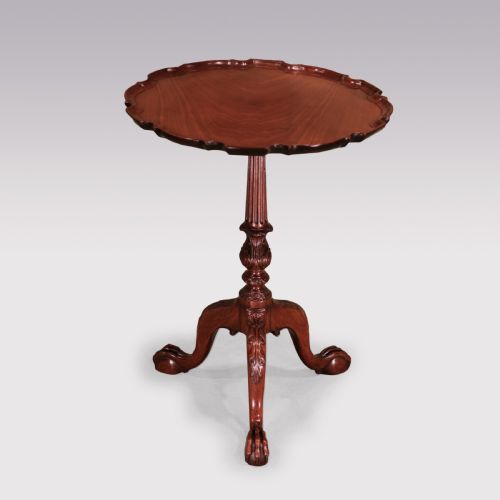

Claw Foot Side Stand
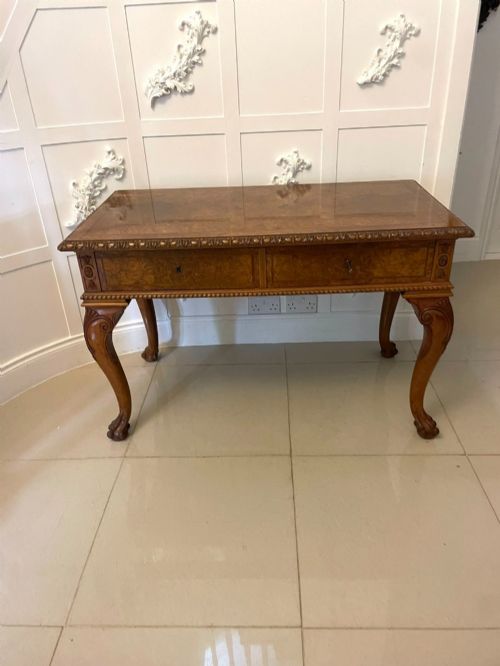
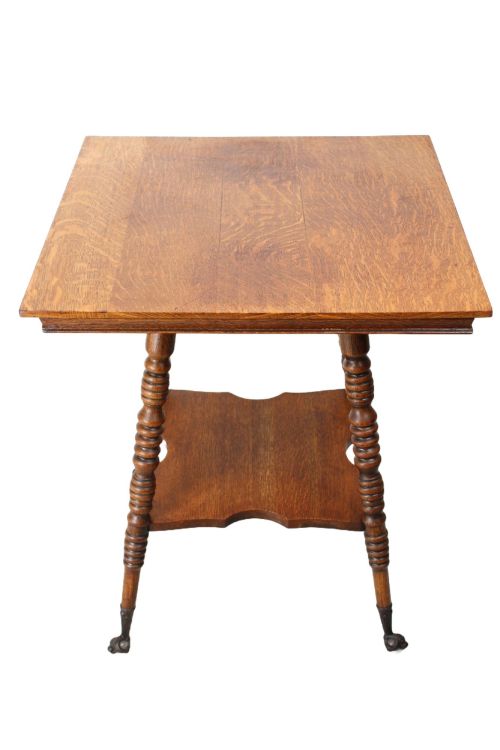
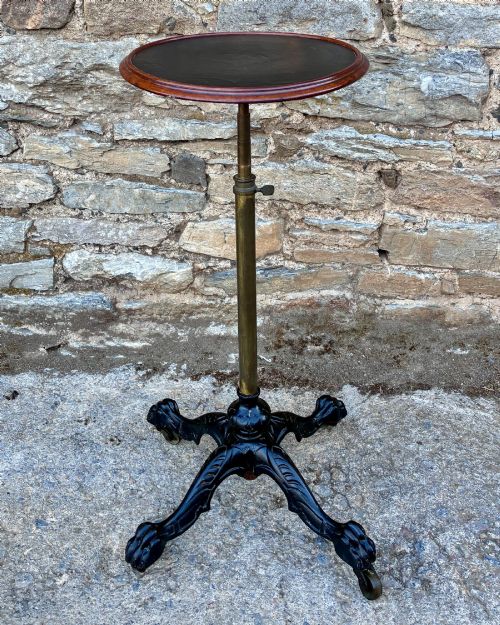
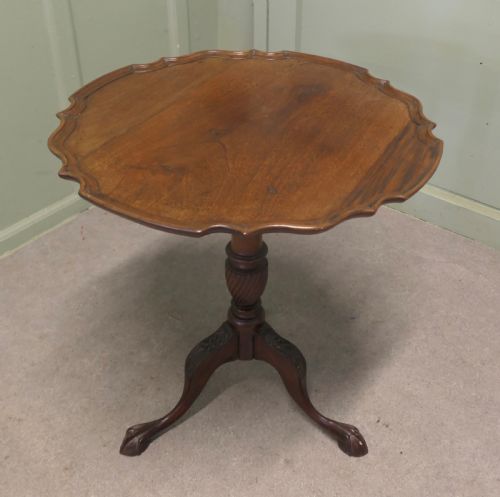
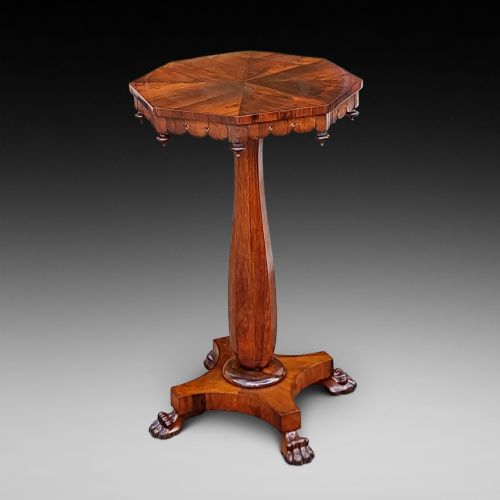
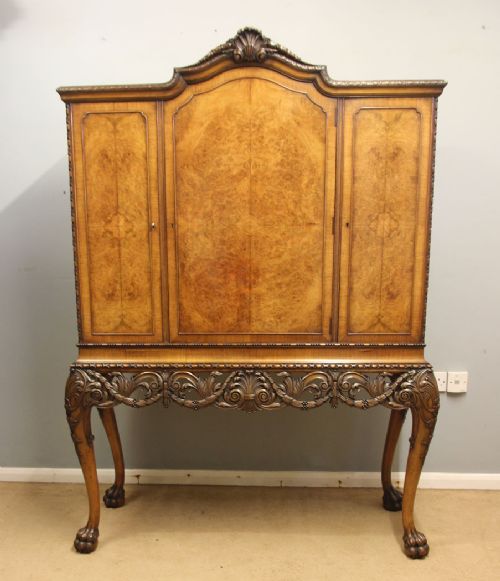
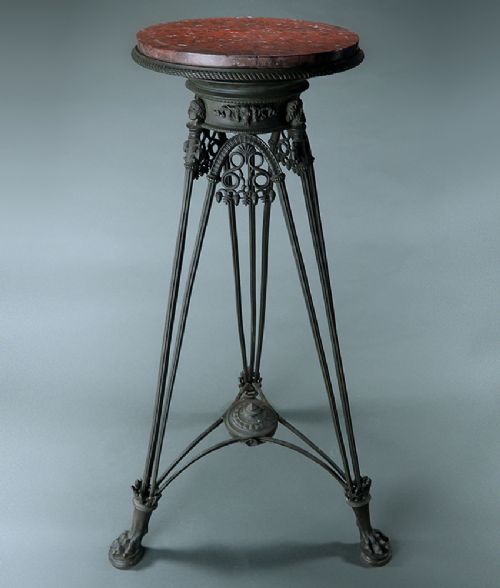
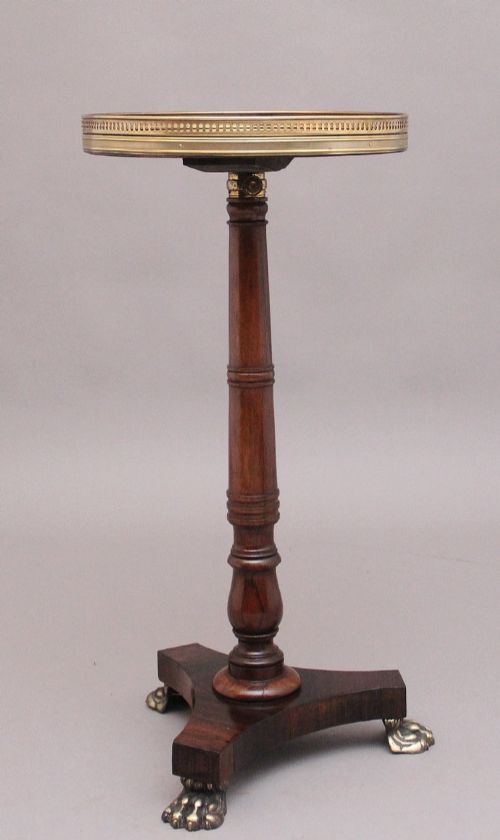
These claw foot side stand pieces combine sturdy utility with ornamental carved timber, giving your room a reliable surface with character.
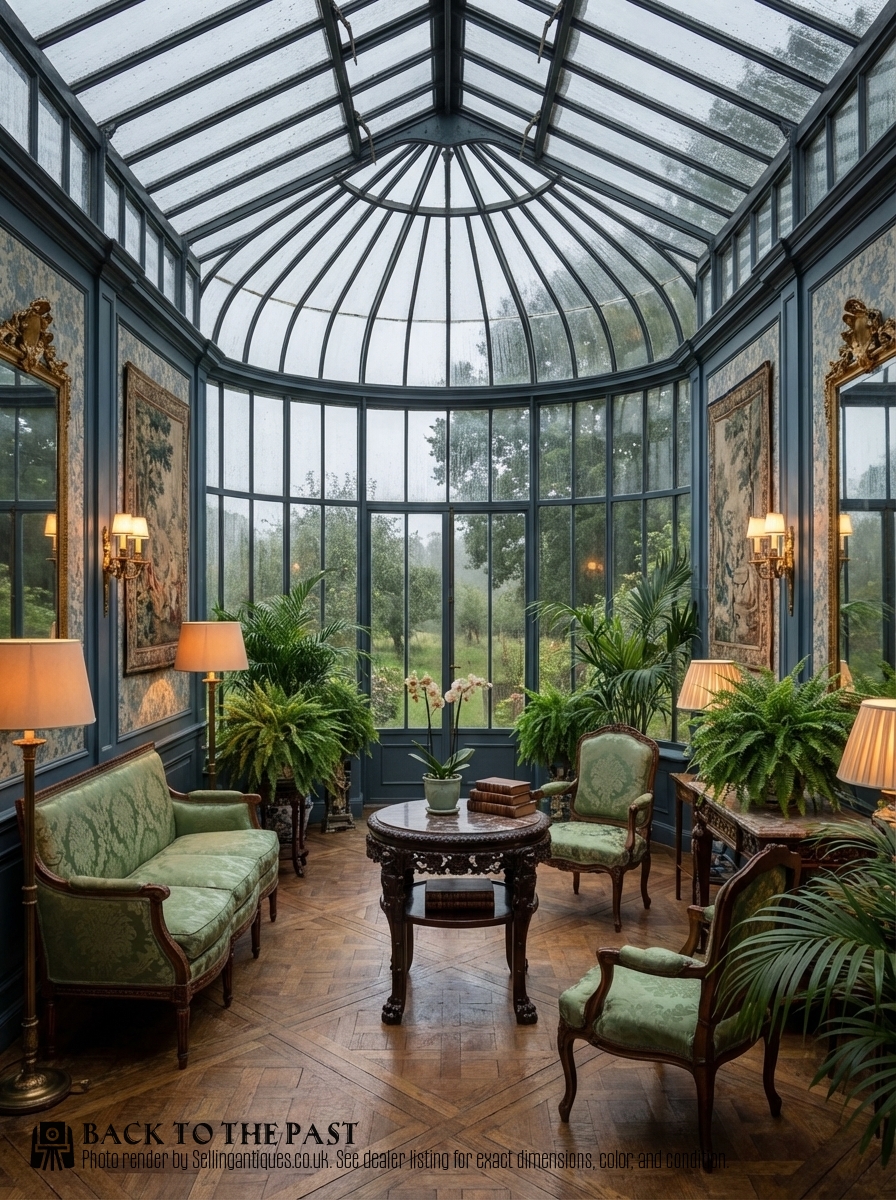
Claw Foot Side Stand
A claw foot side stand brings a distinct period silhouette into a room, serving multiple domestic functions across different corners of the home. When you search for claw foot side stand items, you encounter various forms including occasional tables, wine tables, display stands, and console tables.
The material selection ranges through mahogany, walnut, burr walnut, oak, rosewood, and hard wood, often paired with marble tops. These items span the nineteenth century, the Victorian era, and into the early twentieth century, incorporating Georgian, Regency, Queen Anne Revival, and Arts and Crafts styles.
Most examples function as compact surfaces for lamps, plants, or small display items, fitting easily beside seating or against hallway walls. Their design balances upright support with decorative foot carvings that anchor the piece visually.
How they were made
Cabinet makers utilised dense hardwoods like mahogany, walnut, and rosewood to construct these stands, ensuring structural stability for daily use. Surfaces frequently featured polished timber grains, sometimes enhanced by the intricate patterns found in burr walnut veneers.
Certain examples incorporated inset marble slabs into their tops, providing a cool, durable surface for plants or serving purposes. Structural joints and turned or carved supports relied on traditional woodworking methods suited to each specific period style.
Mahogany and walnut dominate the timber selections, while marble tops and brass accents appear frequently across nineteenth-century forms.
What varies in quality
The grade of timber selection and the crispness of the carved details on the feet and legs dictate the overall refinement of a piece. Better examples display careful matching of wood veneers and balanced proportions throughout the frame.
Superior execution shows in the stability of the joints, the smooth operation of adjustable mechanisms where present, and the integrity of marble tops or brass fittings.
Walker & Hall·Muirhead Moffat & Co
The Claw Foot Side Stand Glossary
- Guéridon
- A small French table, often round, supported by a central column or three legs. These frequently feature marble tops and decorative wood bases.
- Tripod table
- A small freestanding table supported by three legs radiating from a central pillar. Many examples include a tilt top mechanism for convenient storage.
- Torchiere
- A tall stand designed to hold a lamp or candle, lifting the light source above floor level. They often feature slender shafts terminating in ornate feet.
- Lowboy
- A small kneehole dressing table or side table with one or more rows of drawers. They typically stand on slender cabriole or straight legs.
- Dumbwaiter
- A tiered serving stand with multiple revolving or stationary trays mounted on a central column. These were traditionally used for holding dishes or drinks.
Claw Foot Side Stand: Frequently Asked Questions
What is a claw foot side stand used for?
These versatile stands serve as convenient surfaces for table lamps, small plants, decorative objects, or drinks beside seating arrangements. Their compact footprints allow them to fit easily into hallways, corners, or tight spaces.
Historically, specific variants such as wine tables or lamp stands were designed for particular domestic tasks, though today they adapt readily to modern living rooms and studies.
How do I identify the period of a stand?
Dating relies on observing the combination of timber species, construction techniques, and stylistic markers such as Georgian proportions or Victorian carving depth. The presence of specific revival styles also points toward the nineteenth or early twentieth centuries.
Examining the underside, joinery methods, and the type of fixings used can offer further clues to the age of the woodwork.
Are marble top stands delicate?
The marble inserts provide a heavy, resilient surface that resists water rings and heat marks from cups or vases. While the stone itself is durable, the supporting timber frame requires standard care to maintain its polished finish.
Moving these stands requires caution due to the combined weight of the stone top and the timber base.
Where should I place a tilt top table?
Tilt top tables function well against a wall when folded down, saving floor space while displaying the timber grain of the top. When deployed flat, they provide a stable surface for occasional use.
Position them away from direct heat sources and strong sunlight to protect the polished wood finishes from drying or fading.