

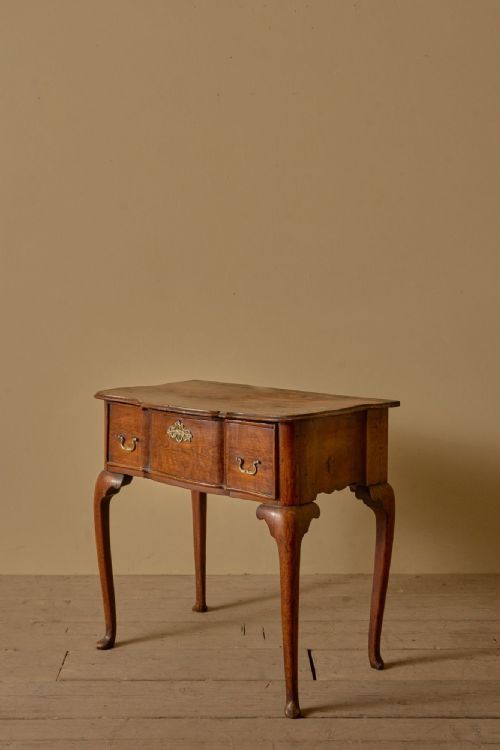
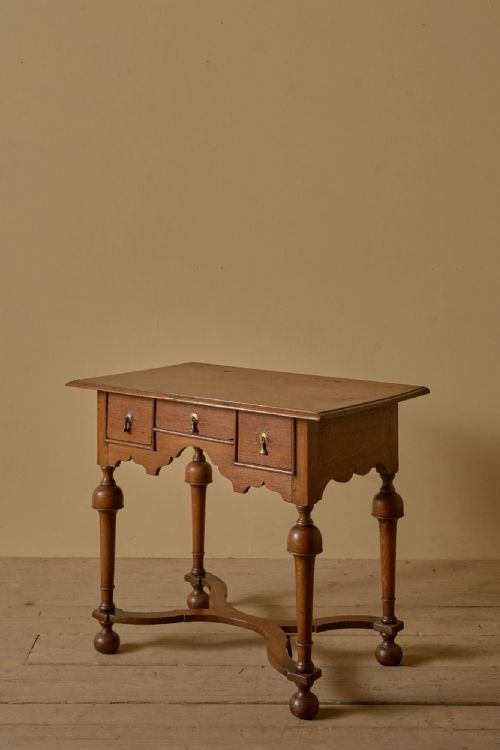
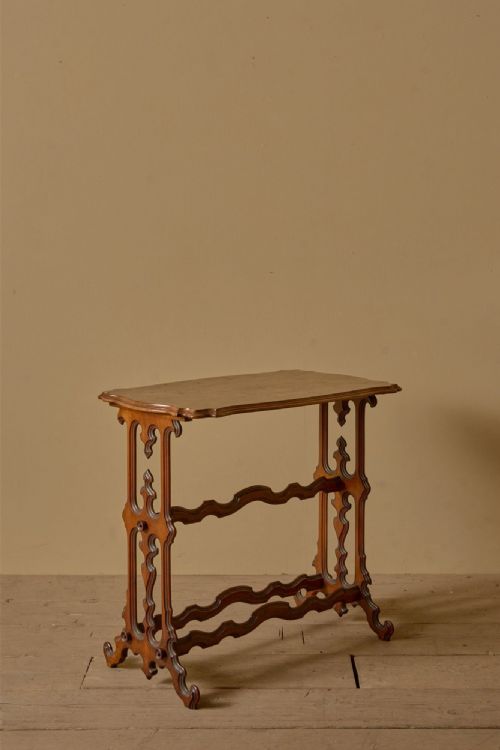
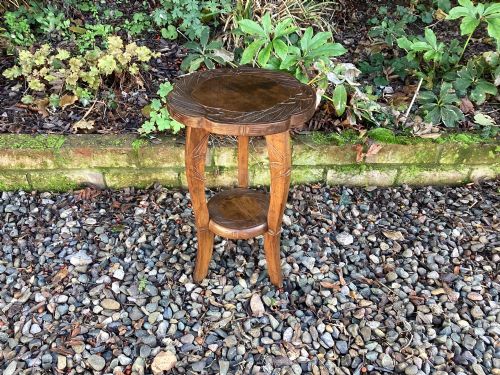
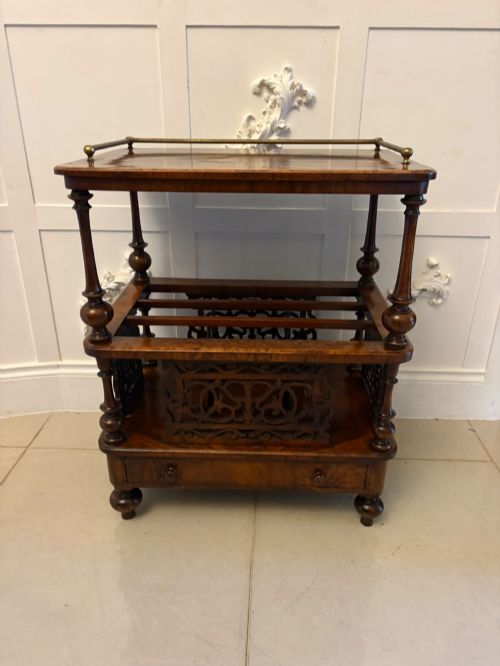
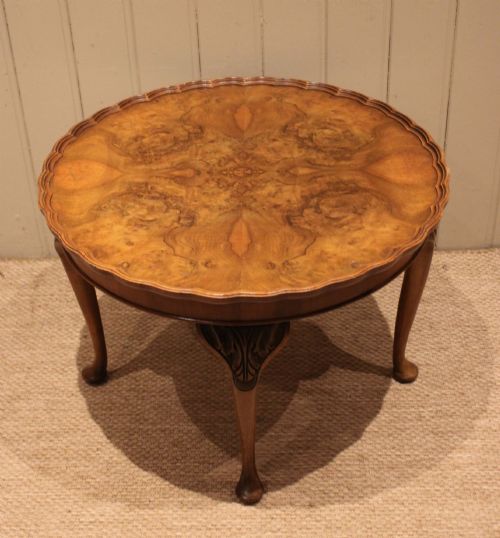
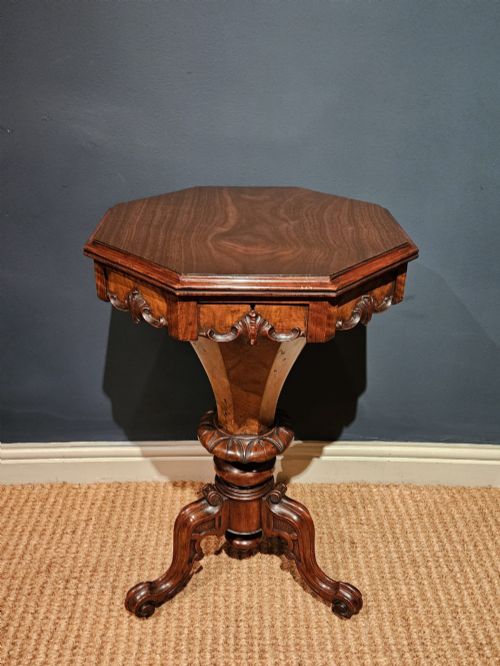
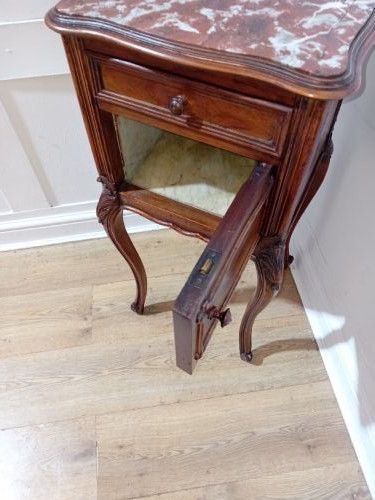
Brown Carved Side Table
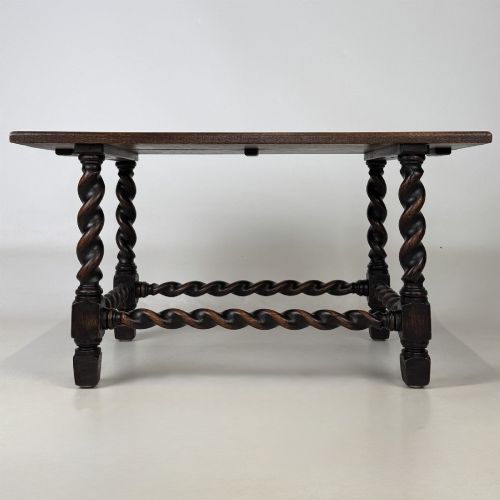
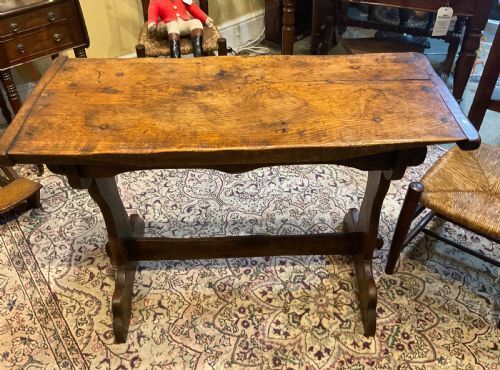
A brown carved side table brings rich timber tones and detailed woodwork into a room, serving as a practical surface with distinct historical character.
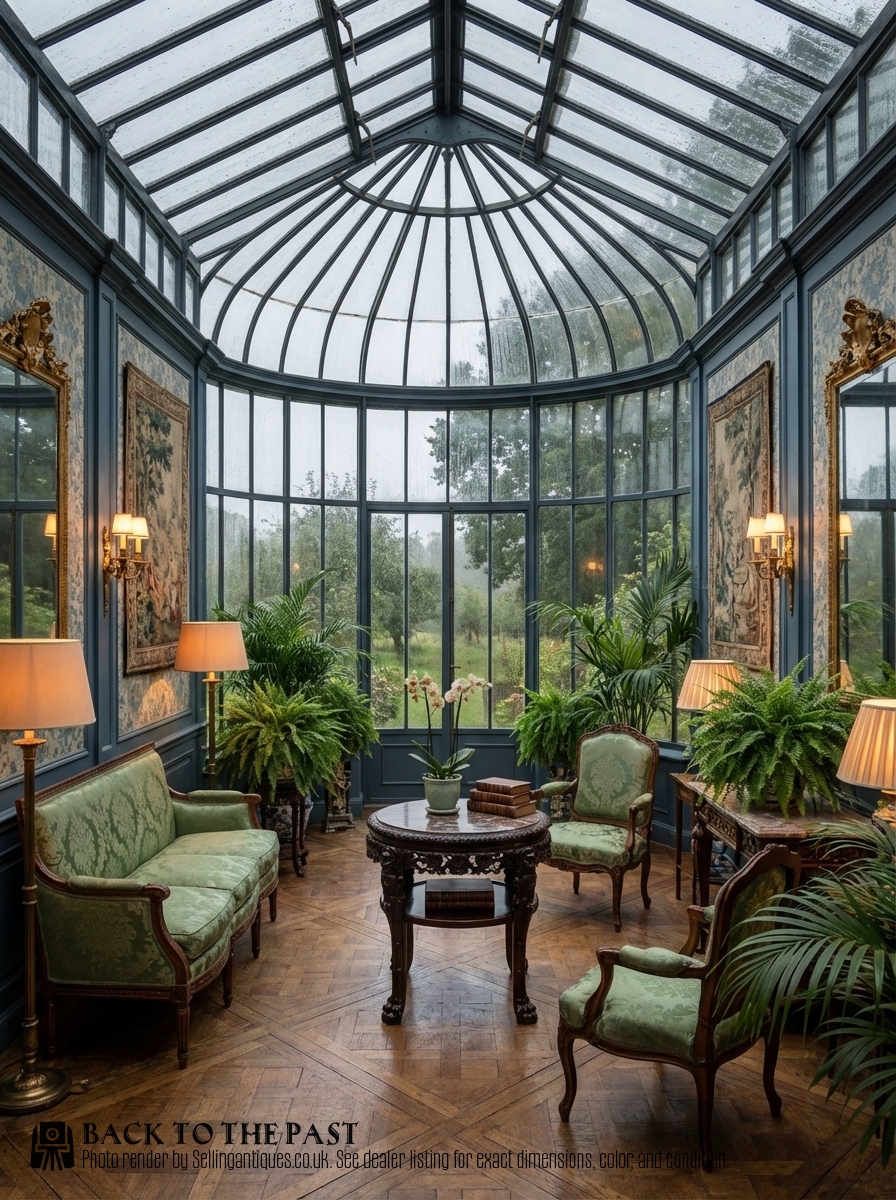
Brown Carved Side Table
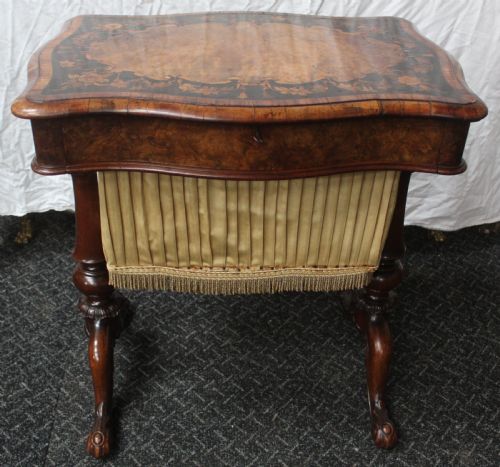
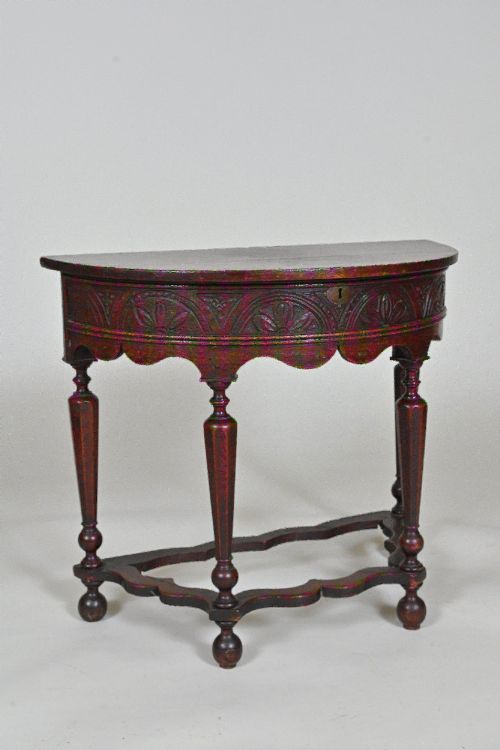
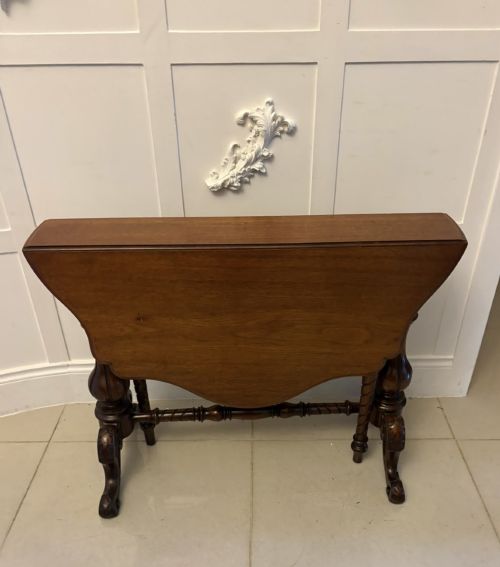
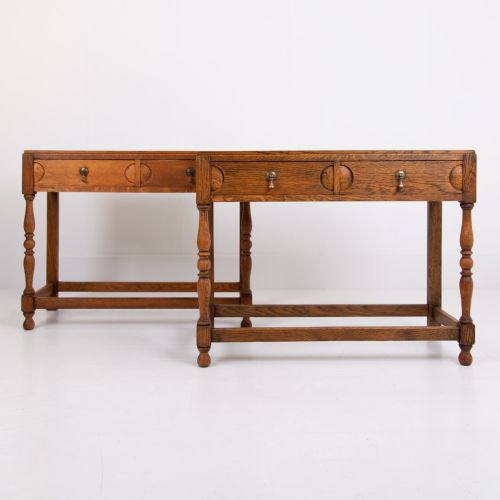
A brown carved side table appears across multiple historical periods, with Victorian, Edwardian, and nineteenth-century examples forming the core of the selection.
These pieces encompass various compact surface formats, including occasional tables, centre tables, console tables, and nests of tables, designed for domestic utility and display.
Makers utilised dark and figured timbers to create functional furniture that ranges from simple oak occasional pieces to highly ornamented walnut and mahogany designs.
Materials and Technique
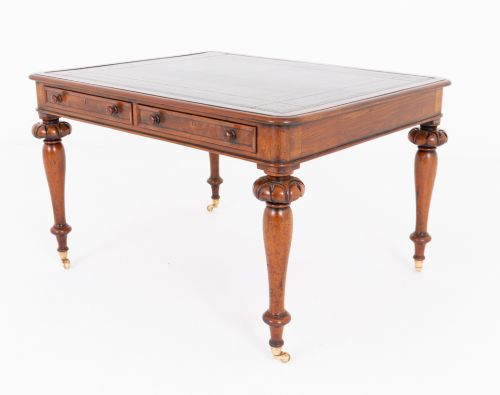
Craftsmen built these tables using dense hardwoods such as mahogany, oak, walnut, burr walnut, and rosewood, often enhancing the surfaces with marquetry inlay, parcel gilt, or brass details.
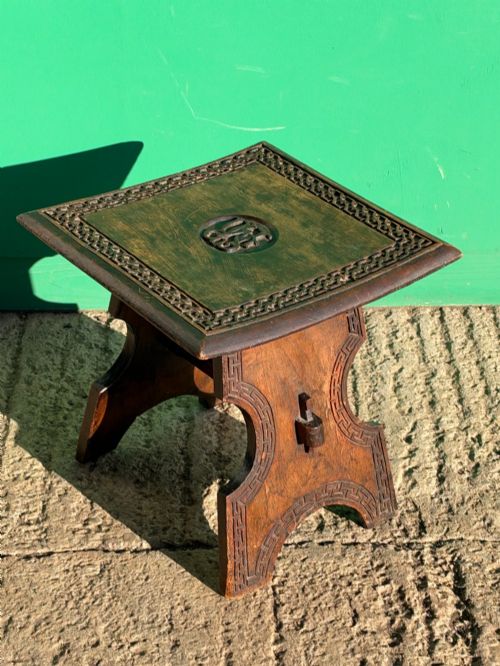
Carving was executed directly into the timber to create decorative borders, tripod bases, and structural supports, supplemented occasionally by marble tops or glass elements.
Brown Carved Side Table Retail Price Guide 2026
Typical asking prices for brown carved side table among the pieces listed under this phrase on Sellingantiques today, from the lower quarter to the upper quarter. They describe what is for sale here now, not the wider market.
Some tables double as magazine racks or sewing boxes, proving that nineteenth-century artisans understood the modern need for clever clutter concealment.
Standards of Execution
Quality separates simple utility items from pieces displaying sophisticated cabinetmaking through the depth and crispness of the wood carving and the selection of highly figured timber veneers like burr walnut.
The integration of secondary materials, such as brass mounts, intricate marquetry, and stable structural joinery, dictates the standing of each piece within its period.
Trevor Page & Co
The Brown Carved Side Table Glossary
- Burr walnut
- A prized timber veneer sourced from the abnormal growth of a walnut tree, yielding swirling patterns that decorative tables often display on their top surfaces.
- Tilt-top table
- A small occasional table featuring a mechanism that allows the wooden top to pivot vertically when not in use, saving floor space.
- Tripod base
- A pedestal support terminating in three carved legs, commonly found on nineteenth-century lamp and wine tables.
- Marquetry
- The art of applying decorative pieces of veneer to a structure to form intricate geometric or floral designs.
- Dumbwaiter
- A multi-tiered serving table designed to hold dishes or objects without requiring constant attendance.
Brown Carved Side Table: Frequently Asked Questions
How do I style a brown carved side table?
Place the table beside a seating area or against a hallway wall where its timber tones and carved details can contrast with plain surroundings. It functions effectively as a surface for lamps, books, or decorative objects.
Ensure the scale of the table matches the surrounding furniture so the piece remains a functional addition to the room layout.
What woods were used for these tables?
Cabinetmakers primarily relied on durable hardwoods including mahogany, oak, walnut, and rosewood. Burr walnut and various figured veneers were frequently chosen for decorative table tops.
Secondary woods and brass fittings often reinforce the main structure, depending on the period and origin of the piece.
How do I identify Victorian examples?
Victorian tables often feature dense burr walnut or mahogany construction, accompanied by deep carved ornamentation, pedestal bases, or marquetry inlay. These elements reflect the ornate aesthetic popular during the nineteenth century.
Examining the construction methods underneath and inside the drawers helps confirm the period of manufacture.
Can I use an antique side table daily?
These tables were built for everyday domestic use as lamp stands, occasional surfaces, or console tables, making them suitable for modern living when treated with care. Regular dusting and avoiding excessive moisture protect the polished wood surfaces.
Placing felt pads beneath heavy items on the top surface prevents scratching the antique timber.