

Claw Foot Pedestal Table
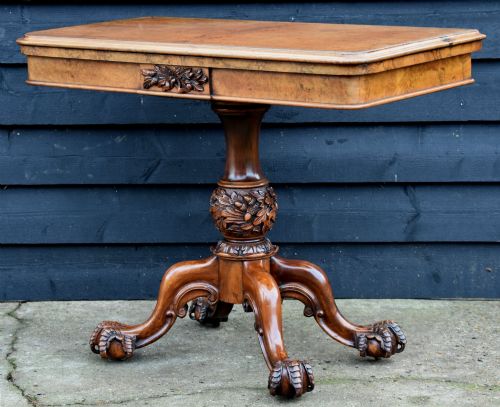
A claw foot pedestal table brings together solid timbers and substantial supports, offering a practical surface with distinct carved terminals.

Claw Foot Pedestal Table
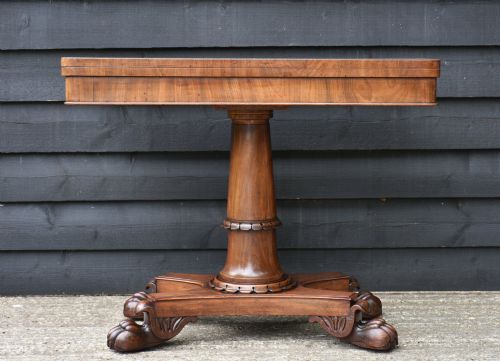
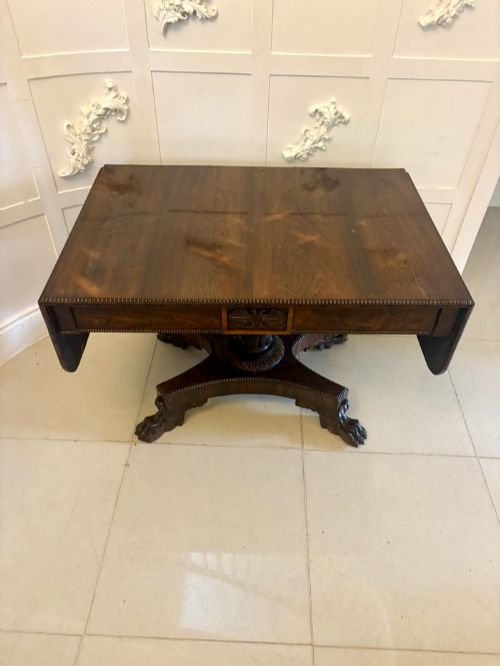
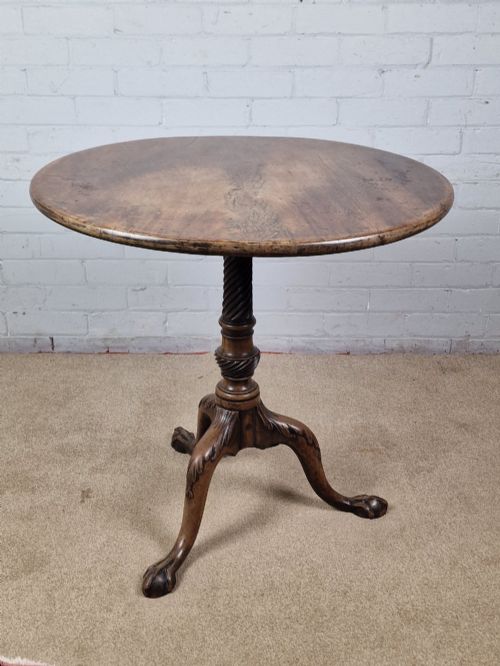
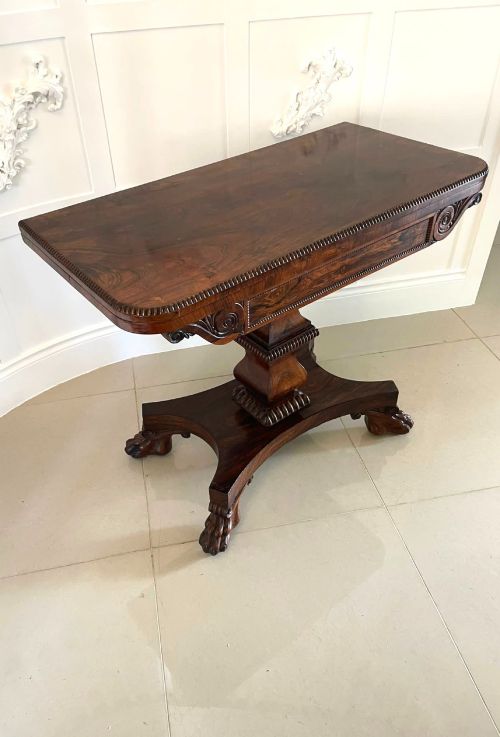
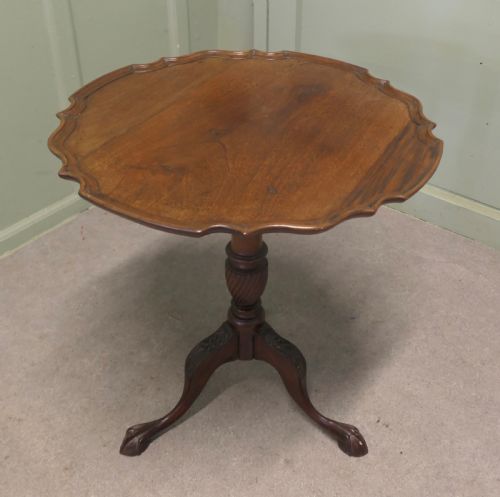
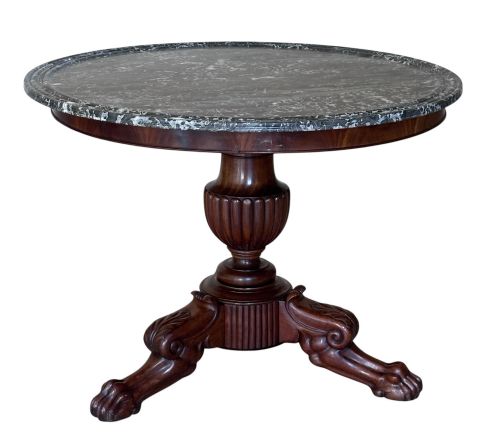
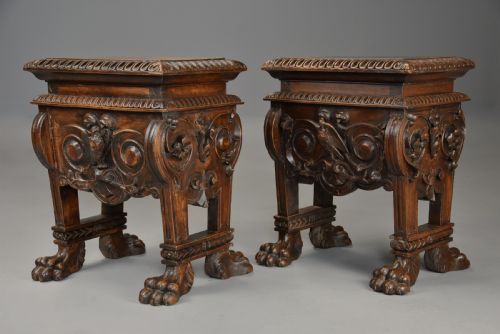
A claw foot pedestal table sits on a central pillar or tripod base rather than traditional four-cornered legs, terminating in carved animal paw feet. When searching for a claw foot pedestal table, buyers encounter a variety of forms designed for domestic use, ranging from circular centre tables to tilt-top breakfast tables and card tables.
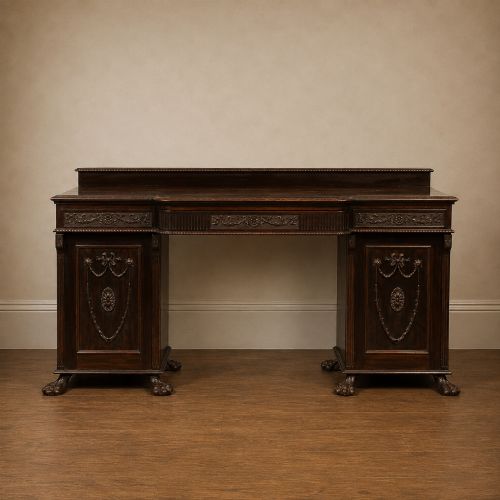
The pieces appearing on this page date principally from the nineteenth century, encompassing Regency, William IV, and Victorian periods. Alongside these, examples span from the eighteenth century up to Edwardian revivals, showing how makers adapted the central pedestal form across changing decades.
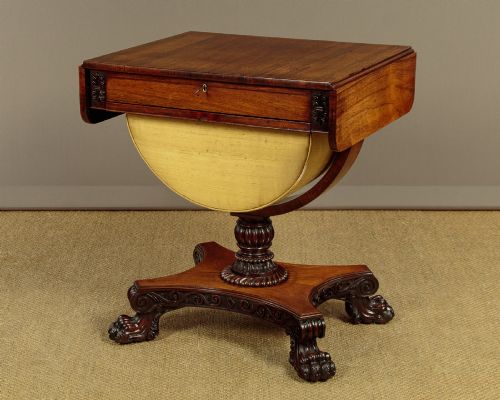
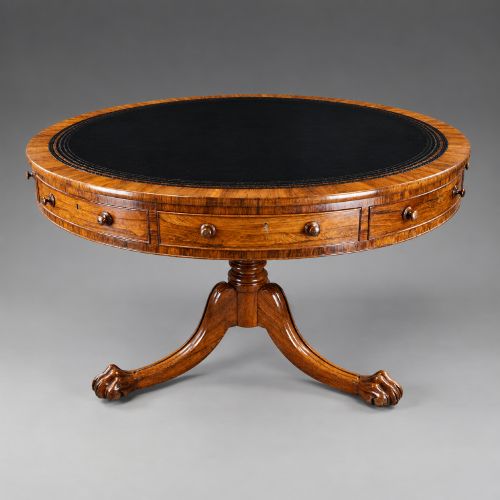
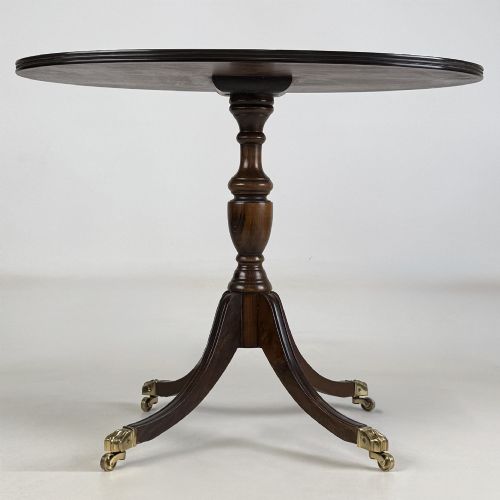
Functional types vary widely across the selection, including dining tables, drum tables, sewing tables, and occasional side tables. Most variations share a robust central column supported by three or four carved feet resting directly upon the floor.
How they were made
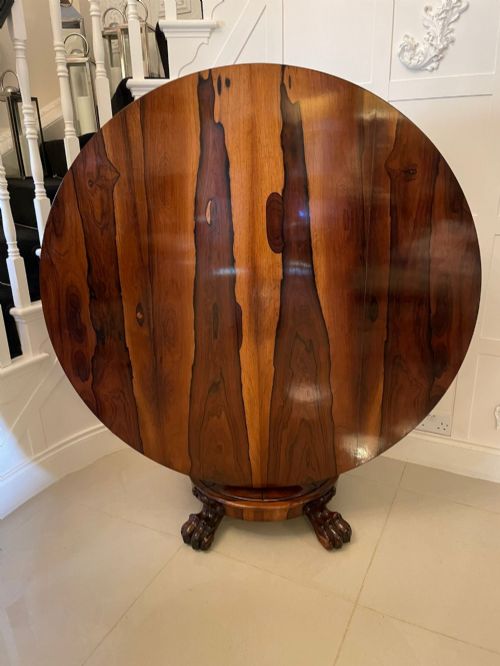
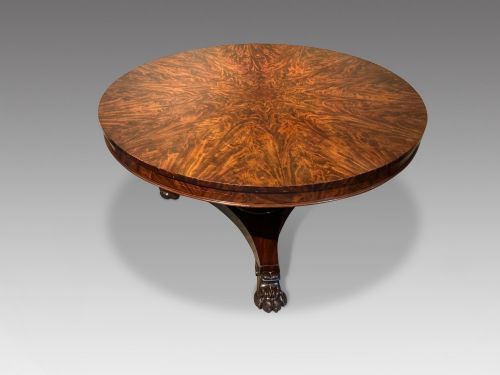
Cabinet makers utilised dense, richly figured hardwoods such as mahogany, rosewood, walnut, and burr oak to construct both the tops and the structural pedestals. These timbers were often selected for their grain patterns, particularly on circular tabletops and fold-over card table leaves.
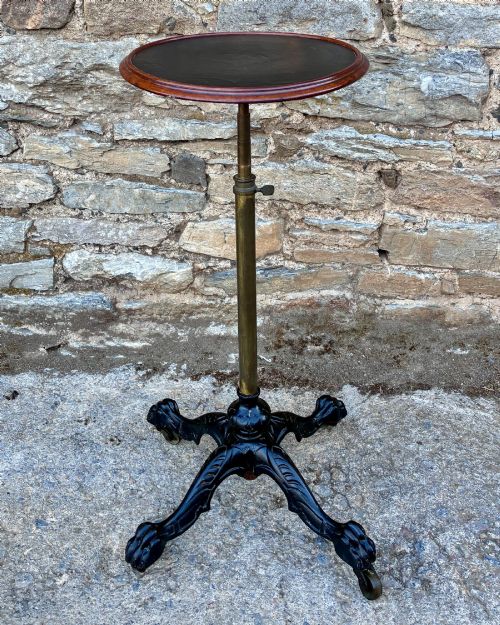
Supporting columns frequently feature heavy turning, carving, or ebonisation, anchored by robust tripod bases or platform plinths. Brass inlays, marble inserts, and leather surfaces appear on specific formal examples, adding contrasting textures to the timber frames.
Period styles span from the eighteenth-century George II era through Regency, William IV, and Victorian epochs, alongside Edwardian revivals.
What varies in quality
The distinction between standard domestic items and the finest productions lies in the crispness of the carving on the paw feet and the selection of timber veneers. Superior examples display deeply articulated claws and meticulously matched grain patterns across large circular tops.
Structural stability in the central pillar and the mechanism of tilt-top or rotating tables also determine the grade of a piece. Well-engineered joints and heavy, balanced bases ensure the table remains stable during daily use.
George Bullock·Gillows
The Claw Foot Pedestal Table Glossary
- Tilt-top table
- A table with a mechanism allowing the top to pivot into a vertical position when not in use. This design saved space in period domestic interiors.
- Gueridon
- A small circular table on a central pillar, originating in France. These often feature marble tops or decorative tripod supports.
- Drum table
- A circular library or centre table with a deep frieze containing drawers, mounted on a central pillar and heavy base. The top frequently incorporates a leather writing insert.
- Card table
- A folding table designed for gaming, featuring a hinged top that opens to reveal a baize-lined playing surface. They often rest on a pivoting pedestal base with a concealed well underneath.
Claw Foot Pedestal Table: Frequently Asked Questions
What is a claw foot pedestal table?
A claw foot pedestal table is a piece of furniture supported by a central column instead of four separate corner legs, ending in carved paw feet.
These tables appear in numerous formats, including dining tables, occasional tables, and card tables, spanning various nineteenth-century and revival periods.
What woods were used for these tables?
Cabinet makers predominantly used dense hardwoods such as mahogany, rosewood, and walnut for their strength and rich grain. Burr oak and amboyna also appear on specific decorative pieces.
These timbers were often polished to highlight natural figure patterns on the top surfaces.
How can I tell a William IV table?
William IV tables typically date from the 1830s and feature heavy, robust proportions with bold scrolling pedestal bases and deep plinths. The carving is often substantial and unpretentious.
Rosewood and mahogany are the most common timbers found on tables from this period.