





Classical Urn Sculpture
Classical urn sculpture brings ancient architectural dignity into a room, offering sculptural form through bronze, marble, and patinated metal vessels.
Classical Urn Sculpture
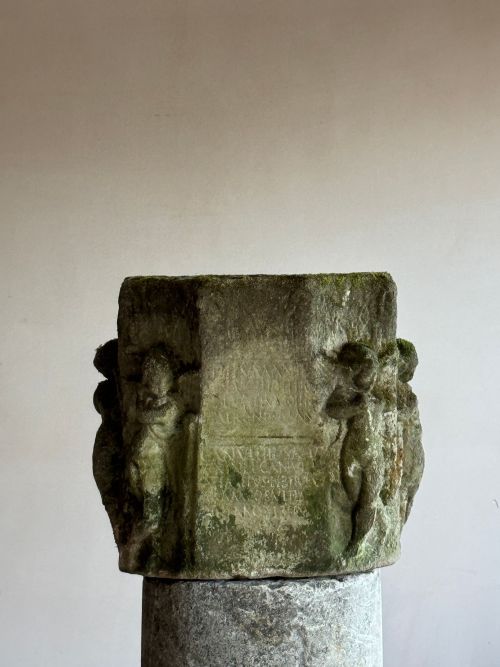
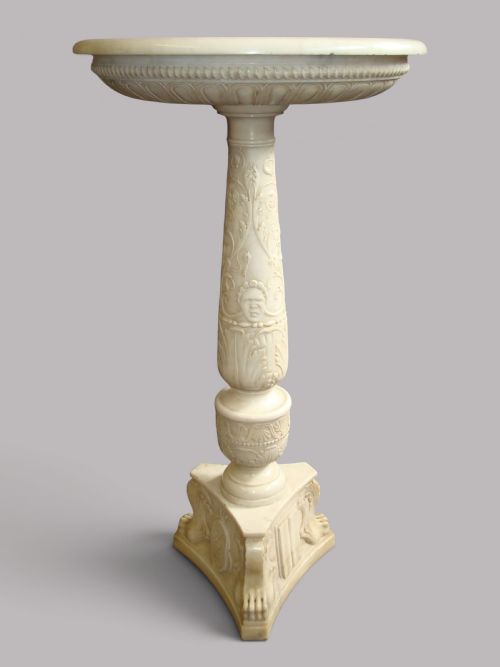
When buyers search for classical urn sculpture, they encounter decorative vessels, Grand Tour souvenirs, and sculptural pedestals drawn from nineteenth century and early twentieth century periods. Neoclassical and Victorian revival styles dominate these selections, often referencing ancient Roman or Greek forms.
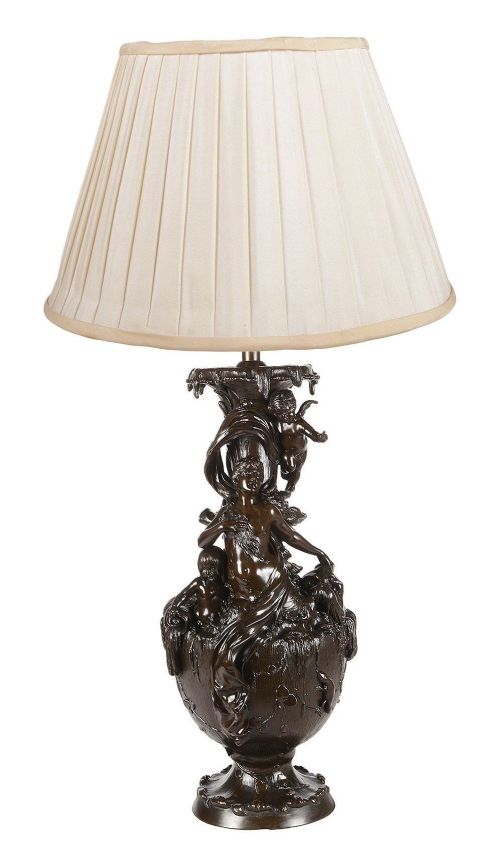
The most common versions on this page include bronze reductions of famous antiquities like the Warwick vase, alongside marble columns and earthenware figures. These objects bridge decorative arts and sculpture, functioning as table lamps, lidded urns, or standalone decorative vessels.
Originating largely from French, Italian, and British workshops, these pieces reflect a sustained nineteenth century fascination with classical antiquity. Buyers find works ranging from monumental architectural pedestals to intimate cabinet bronzes.
Materials and Technique
Foundry casting methods shape the metal pieces, utilising bronze, patinated bronze, and ormolu mounts to define sculptural details. Artisans chased and patinated these surfaces by hand to achieve varied metallic tones.
Carved stone works employ marbles, alabaster, and Carrara marble, shaped through traditional masonry and turning techniques. Milled and turned wooden elements, including mahogany and rosewood, provide supporting display stands and pedestals.
Ceramic and earthenware pieces utilise moulded earthenware bodies finished with glazes, as seen in majolica productions. Fabric components appear occasionally on lamp fittings associated with these vessels.
Classical Urn Sculpture Retail Price Guide 2026
Typical asking prices for classical urn sculpture among the pieces listed under this phrase on Sellingantiques today, from the lower quarter to the upper quarter. They describe what is for sale here now, not the wider market.
Listings feature pieces spanning the Victorian and Edwardian eras, incorporating bronze, variegated marble, mahogany, and earthenware.
The Measure of Quality
Depth and precision of chasing in cast metals separate standard foundry work from superior productions. Sharp relief in ornamental motifs and careful finishing of hidden surfaces indicate higher workmanship.
The choice and natural variation of stone determine the merit of marble and alabaster pieces. Uniform veining and meticulous polishing signify superior material selection by the maker.
Reputation of the founding house or ceramic studio influences the standing of a piece within its category. Signed works from established Parisian foundries or prominent ceramicists carry distinct sculptural authority.
Barbedienne, Paris·Auguste Cain·Goldscheider·Albert Carrier
The Classical Urn Sculpture Glossary
- Grand Tour
- A cultural journey undertaken by wealthy Europeans in the eighteenth and nineteenth centuries, acquiring classical antiquities and bronze reductions as souvenirs. These objects directly inspired many nineteenth century decorative urns and sculptures.
- Ormolu
- Gilt bronze mounted onto furniture, marble objects, or sculpture. This decorative technique involves applying finely ground gold to a bronze base.
- Tazza
- A shallow saucer-like dish or vessel mounted on a stem and foot. Classical versions appear in carved marble or metal.
- Warwick Vase
- A monumental Roman marble vase discovered at Hadrian's Villa, heavily replicated in bronze and iron during the nineteenth century. It remains a defining subject for classical urn sculpture.
- Patinated Bronze
- Bronze treated with chemical solutions to produce specific surface colours and tones. This finish adds visual depth to cast metal sculptures.
Classical Urn Sculpture: Frequently Asked Questions
How do I display a marble column?
Marble columns and pedestals work best as independent architectural supports for sculptures, urns, or lighting. Placing them in corners or transitional spaces creates focal points within a room.
Ensure the weight of the object placed on top aligns with the stability of the column base. Variegated marble surfaces pair well with minimalist interiors to highlight natural stone patterns.
How do I date a nineteenth century bronze?
Dating bronze sculptures involves examining the foundry marks, patination style, and casting seam evidence. Nineteenth century pieces often show hand-chased surface details that distinguish them from later reproductions.
Material composition and mounting hardware also provide chronological clues. Consulting maker signatures or registry marks helps narrow down the production period.
Are these urns hollow or solid?
Most decorative urns and sculptural vessels are cast hollow to reduce weight and metal usage. Foundry techniques allowed artisans to maintain thick, stable walls while keeping the interior empty.
Marble and stone versions are similarly cored or turned from solid blocks where appropriate. This construction ensures the objects remain manageable for display on furniture or pedestals.