



Cast Bronze Centrepiece
A cast bronze centrepiece anchors a room with weight and presence, offering a striking display vessel shaped by nineteenth-century tastes.
Cast Bronze Centrepiece
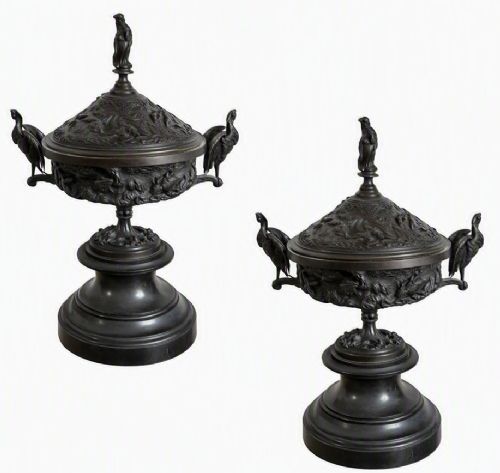
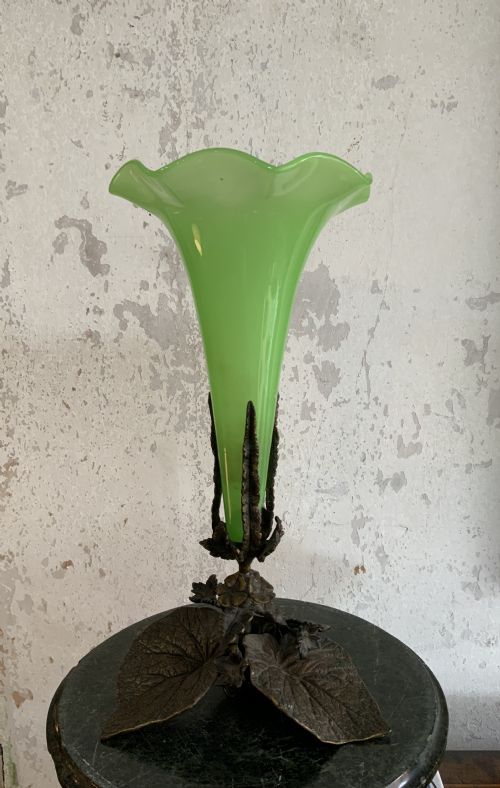
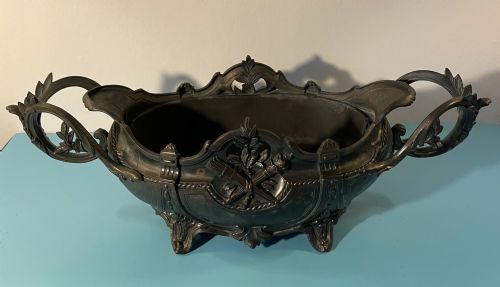
A cast bronze centrepiece brings sculptural authority to a table, functioning as an ornamental bowl, tazza, or planter. These heavy decorative vessels often incorporate mixed elements such as uranium glass liners or silver plating.
The pieces appearing here span the nineteenth century, including Victorian, Art Nouveau, Neoclassical, and Rococo Revival styles alongside Meiji and Qing Dynasty works. French revival designs and Grand Tour souvenirs sit alongside Italian and Asian examples.
Forms vary widely from epergnes and jardinieres to heavy decorative bowls, plates, and urns. Buyers encounter everything from French planters to large Japanese and Chinese bronze vessels.
Materials and construction
Foundries produced these heavy items primarily through metal casting, shaping bronze, spelter, and brass into elaborate decorative forms. Many pieces combine cast bronze with contrasting materials like luminous uranium glass or applied silver plating.
Finishes range from polished metallic surfaces to patinated verdigris effects that accent intricate relief work. Construction methods focus on substantial weight and durability, with several surviving examples scaling multiple kilograms.
Cast Bronze Centrepiece Retail Price Guide 2026
Typical asking prices for cast bronze centrepiece among the pieces listed under this phrase on Sellingantiques today, from the lower quarter to the upper quarter. They describe what is for sale here now, not the wider market.
Assessing quality and execution
The distinction between ordinary and superior pieces lies in the crispness of the casting and the depth of the sculptural detail. Finer works display sharply defined relief ornament and careful chasing on the bronze surface.
Weight and material purity separate robust foundry work from lighter alloy alternatives like spelter or cast metal. The integration of secondary elements, such as fitted uranium glass or heavy silver plating, also elevates a piece.
The Cast Bronze Centrepiece Glossary
- Tazza
- A shallow ornamental vase or bowl mounted on a stem and foot. This elevated form highlights fruit or floral arrangements.
- Jardiniere
- An ornamental pot or stand designed to hold plants or flowers. These vessels often feature elaborate cast decoration around the exterior.
- Epergne
- A large table centrepiece featuring multiple branching dishes or holders. They frequently combine cast metal frameworks with removable glass inserts.
- Verdigris
- A green patina formed naturally on copper, brass, or bronze surfaces through atmospheric oxidation. This aged coating adds tonal variation to the metal.
- Grand Tour
- A cultural journey undertaken by wealthy Europeans that popularised classical souvenir bronzes. These objects replicated famous antiquities for domestic display.
Cast Bronze Centrepiece: Frequently Asked Questions
How do I clean antique bronze?
Cleaning antique bronze requires a gentle touch to preserve the historic patina built up over generations. Dusting with a soft, dry cloth is usually sufficient for routine maintenance.
Avoid abrasive polishes or harsh chemical cleaners that strip away the original surface finish and historical character.
Where were these pieces made?
These metalwork items originate from European workshops in France and Italy, alongside Japanese and Chinese foundries of the nineteenth century. European makers produced revivalist pieces influenced by classical antiquity and Rococo taste.
Asian export workshops created substantial bronze vases and bowls tailored for international collectors during the Meiji and Qing periods.
How much do they weigh?
Weight varies considerably depending on the size and thickness of the metal casting. Surviving examples range from manageable decorative bowls to heavy vessels scaling several kilograms.
This substantial mass reflects solid foundry work and the dense nature of cast bronze and mixed metals.