




Classical Stone Garden Ornaments
Classical stone garden ornaments bring neoclassical presence to open grounds, offering enduring form through statues, urns and plinths.
Classical Stone Garden Ornaments
Classical stone garden ornaments encompass carved marble, limestone and cast stone works designed to anchor outdoor landscapes. Buyers searching for classical stone garden ornaments encounter figurative statues, campana urns and architectural pedestals dating from the eighteenth century to the mid-twentieth century.
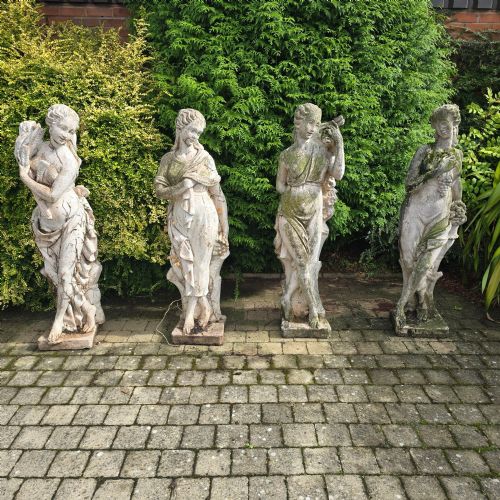
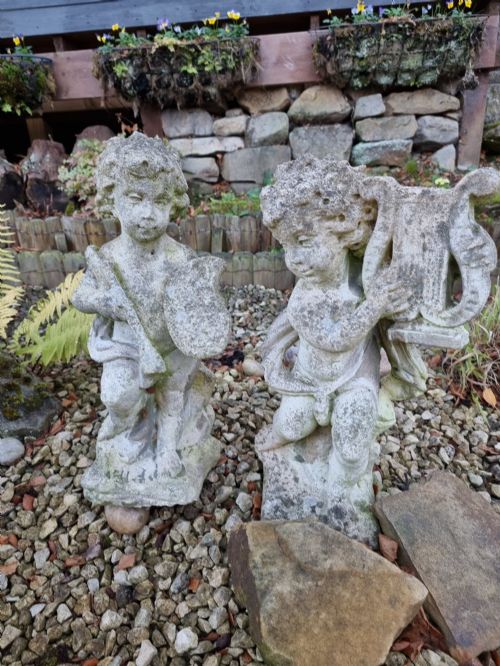
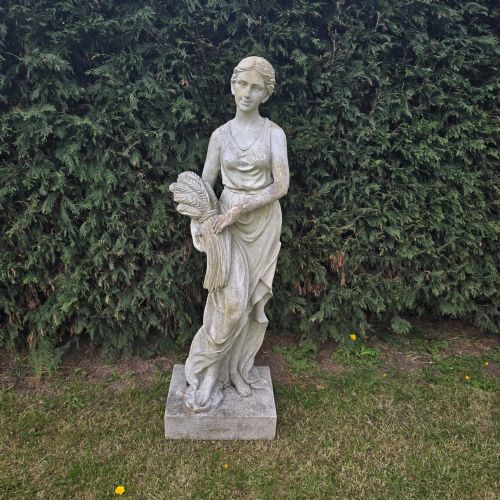
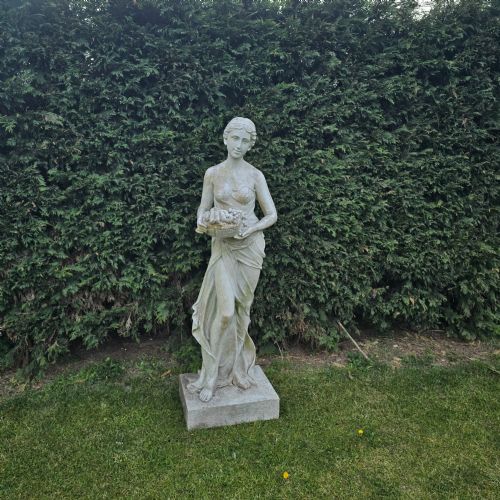
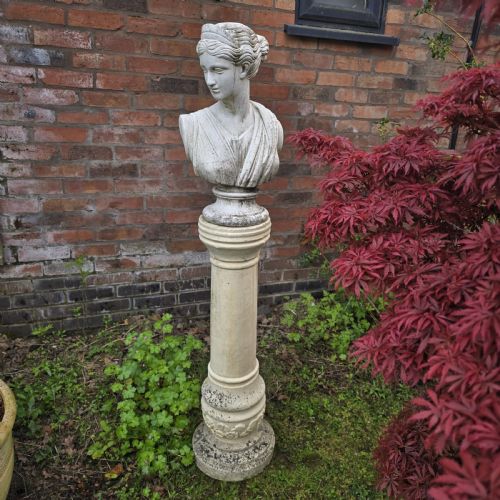
The inventory on this page leans heavily toward mid-twentieth-century pieces, notably garden statues from nineteen-fifty and nineteen-thirty, alongside nineteenth-century French and Italian carved marbles. Forms range from life-sized figures representing the four seasons and mythological subjects like Venus and Athena to functional bird baths and sundials.
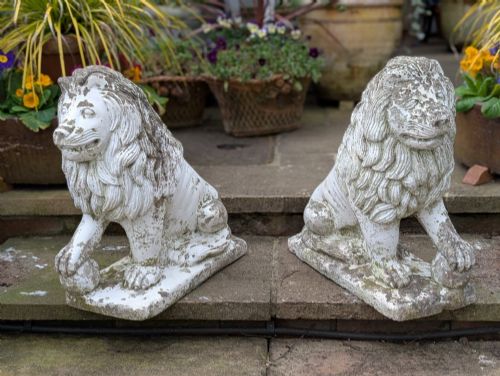
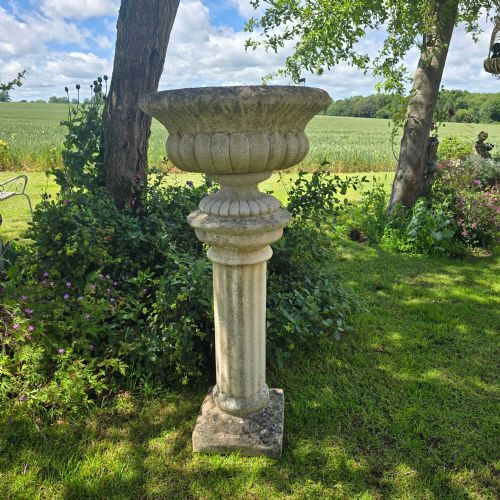
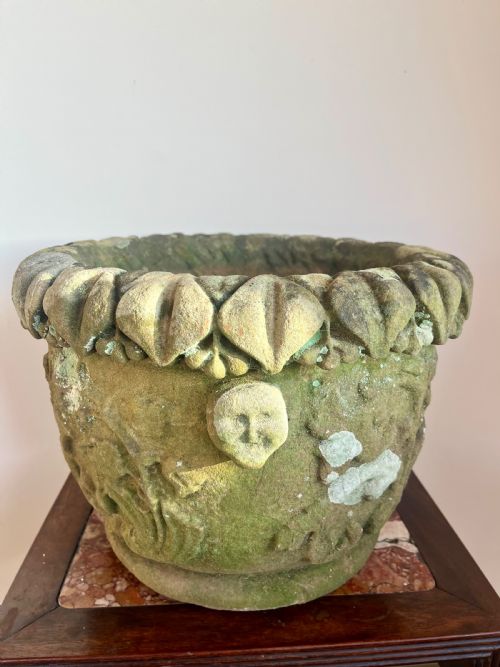
Urns and planters appear frequently, often paired for gateposts or formal paths, alongside guardian lions carved from stone or cast in iron. These pieces draw on neoclassical and classical revival styles, echoing antique models intended to weather naturally outdoors.
Materials and methods
Makers shaped these ornaments using traditional stone carving techniques on solid marble and limestone, or by casting mixes of reconstituted stone, composite stone and concrete into moulds. Cast pieces frequently incorporate aggregate binders that simulate the texture and visual weight of quarried stone over time.
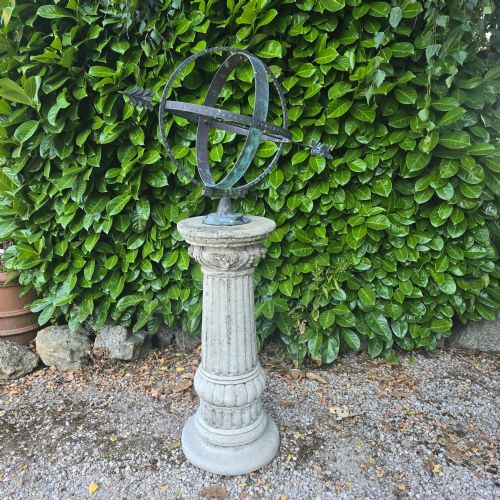
Selected works incorporate mixed media, pairing cast stone plinths with bronze sundials or utilising paint finishes to seal surfaces. Iron components appear in nineteenth-century pieces, combining cast iron urns with stone pedestals to achieve durable garden structures.
Listings feature periods spanning from the eighteenth century through Victorian and Edwardian eras up to nineteen-fifty.
Assessing quality
Quality rests upon the crispness of the initial modelling and the depth of hand-finishing after casting or carving. Superior examples exhibit anatomical accuracy in figures and sharp relief in foliate urn carving, whereas lesser pieces display softened details and flat planes.
The material composition also dictates longevity and aesthetic maturity, with hand-carved marble and high-grade reconstituted stone developing organic lichen growth and mineral patination superior to uniform modern mixes.
Andrew Handyside
The Classical Stone Garden Ornaments Glossary
- Campana urn
- A bell-shaped garden vessel with an everted rim, typically mounted on a socle base and square plinth. This classical form originates from ancient Roman bronze and marble prototypes.
- Reconstituted stone
- A manufactured material composed of crushed stone or aggregate mixed with cement or binders, then moulded into architectural ornaments. It provides a durable alternative to quarried stone.
- Armillary sphere
- An astronomical instrument consisting of revolving rings centred on a globe, frequently utilised as a garden sundial. These pieces are often mounted on stone pedestals.
- Plinth
- A heavy rectangular block or pedestal that elevates a bust, urn or garden statue above ground level. They provide structural stability and visual prominence in landscape design.
- Neoclassical revival
- An artistic movement drawing inspiration from the classical art and architecture of ancient Greece and Rome. This style dominates the nineteenth and early twentieth-century pieces found in garden statuary.
Classical Stone Garden Ornaments: Frequently Asked Questions
How do I clean classical stone ornaments?
Wash stone surfaces gently with low-pressure water and a soft brush to remove accumulated dirt and debris. Avoid harsh chemical cleaners that strip protective mineral patina and accelerate surface erosion.
Allow organic lichens and mosses to remain if you prefer an aged appearance, as weathering adds character to reconstituted and natural stone.
Can these statues stay outside in winter?
Most reconstituted stone, cast stone and marble pieces withstand outdoor winter conditions if they possess adequate drainage. Elevate urns and planters off freezing ground using pot feet or stone blocks to prevent moisture absorption and subsequent cracking.
Cover delicate armillary spheres and bronze sundials during severe frost, or store smaller composite statues indoors if prolonged sub-zero temperatures threaten the material.
How do I secure tall garden statues?
Position heavy figures on level ground and anchor tall pedestals with internal dowels or mortar if local wind conditions demand structural support. Life-sized statues of the four seasons or large urns often utilise their own substantial weight for stability.
Consult a professional landscaper when installing massive marble lions or multi-part architectural antiques on lawns or paved terraces.