






Classical Sculpture Lamp
A classical sculpture lamp brings mythological figures and antiquity into a room, offering sculptural presence alongside soft illumination.
Classical Sculpture Lamp
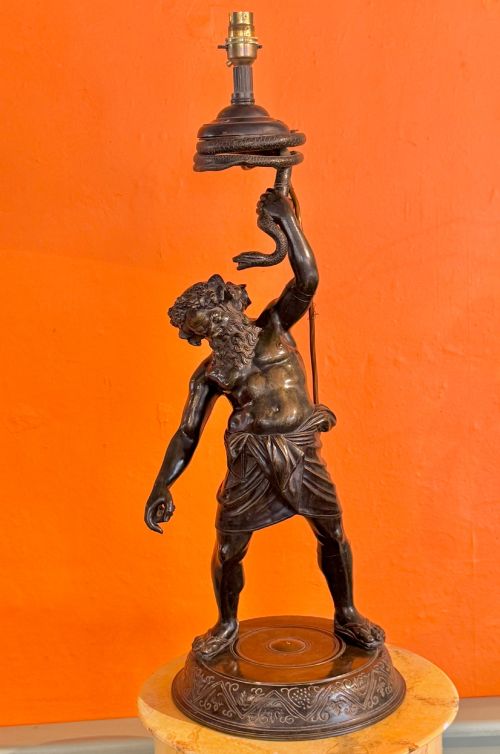
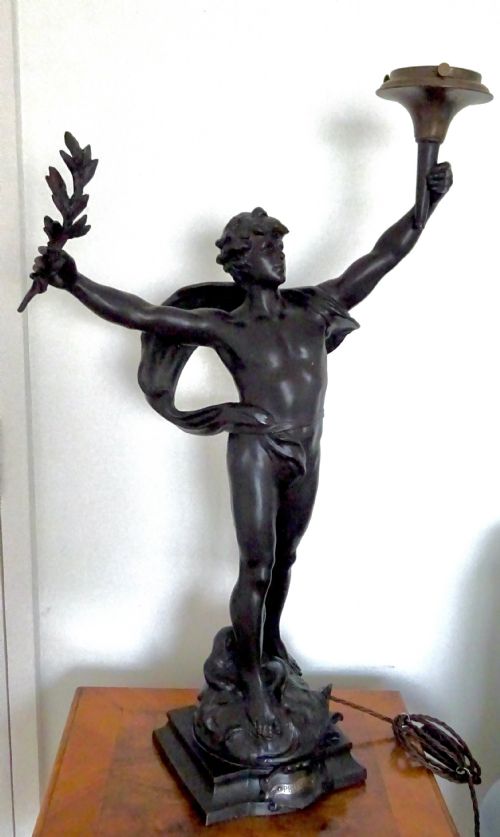
A classical sculpture lamp combines figural bronze or patinated metal casting with lighting forms, drawing directly from ancient Greek and Roman motifs. These pieces range from table lamps featuring classical deities to large floor torcheres held by mythological figures.
The versions most commonly met on this page date from the nineteenth century, reflecting periods such as the Regency, Georgian, and Victorian eras alongside French neoclassical design. Makers often adapted antique statues or Grand Tour bronzes into functional oil lamps and later electric light sources.
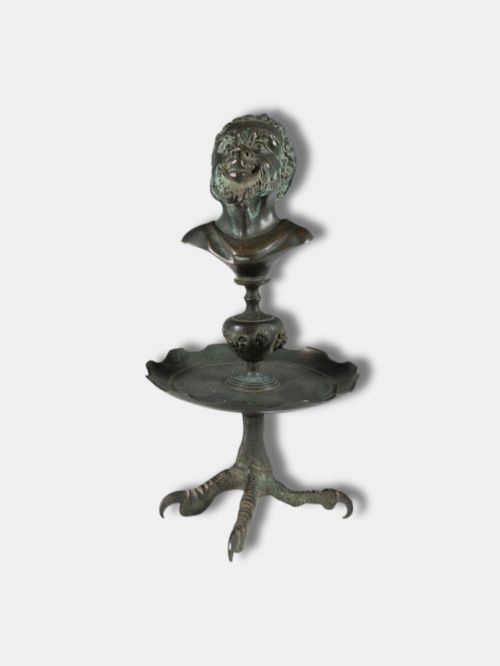
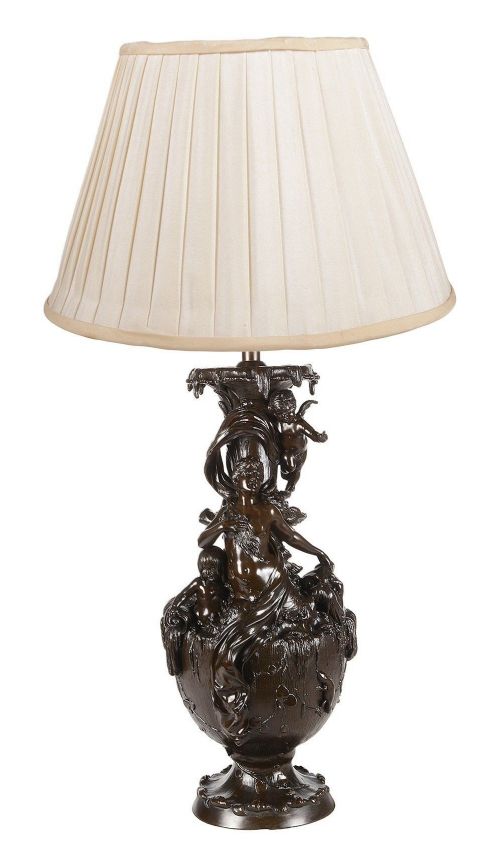
Forms vary from maiden statues and cherubs to specific figures like Atlas, Apollo, Venus, and various goddesses. Buyers encounter table lamps, floor lamps, and torcheres created in bronze, ormolu, and patinated bronze, frequently mounted on marble plinths.
What varies in quality
The refinement of the metal casting dictates the upper tier of these pieces, where muscular definition, facial expression, and drapery folds remain crisp and detailed. Lesser examples exhibit softer contours and less defined finishing work across the figural elements.
Signatures from established founders or sculptors elevate certain items, demonstrating documented artistry rather than anonymous workshop production. The quality of the underlying materials, from dense patinated bronze to solid marble plinths, further separates standard production from exceptional works.
Classical Sculpture Lamp Retail Price Guide 2026
Typical asking prices for classical sculpture lamp among the pieces listed under this phrase on Sellingantiques today, from the lower quarter to the upper quarter. They describe what is for sale here now, not the wider market.
Listings feature table lamps, floor lamps, and torcheres cast in bronze, brass, marble, glass, and fabric across nineteenth-century neoclassical styles.
G. Amodio Naples·Humphrey Hopper·Jean-Jules Cambos·H. Moreau·Emile Picault·Coutan·Henri Honore Ple·Auguste Moreau·F. De Luca
The Classical Sculpture Lamp Glossary
- Torchere
- A tall stand or floor lamp designed to hold a light source aloft, frequently styled as a classical figure holding a torch. These tall pieces often measure several feet in height.
- Patinated Bronze
- Bronze treated with chemical solutions to produce a specific surface colour, ranging from dark brown to green tones. This finish protects the metal and highlights sculptural depth.
- Ormolu
- Gilt bronze produced by applying a finely ground high-carat gold mercury amalgam to a bronze object. The technique creates a brilliant golden surface characteristic of fine French decorative arts.
- Grand Tour
- A cultural journey undertaken by nineteenth-century travellers through Europe, collecting small bronzes and classical antiquities. These acquired objects heavily influenced subsequent decorative lamp designs.
- Spelter
- An alloy of zinc used as a less expensive alternative to bronze for figural castings. It appears in several nineteenth and early twentieth-century lamps.
Classical Sculpture Lamp: Frequently Asked Questions
What periods do these lamps come from?
The pieces span the nineteenth century, with notable representation from the Regency, Georgian, and Victorian periods. Makers during these eras drew heavily on neoclassical and French nineteenth-century design.
Later examples extend into the Edwardian era, utilising the same classical motifs adapted into new lighting formats.
How were these figural lamps originally used?
Many began as oil lamps before later conversion to electricity, combining domestic illumination with classical display. Large torcheres served to light grand hallways and principal reception rooms.
Smaller table versions stood on desks, side tables, or cabinets to provide focused light while displaying mythological subjects.
How do I distinguish bronze from spelter?
Bronze offers a heavier weight and a resonant tone, holding fine detail and taking a deep, durable patina over time. Spelter is a softer zinc alloy that feels lighter and shows a different texture beneath the surface finish.
Signed works in bronze often reflect higher-tier foundry production compared to later spelter alternatives.
What figures are commonly depicted on these lamps?
Common subjects include classical deities such as Venus, Apollo, and Amphitrite, alongside mythological figures like Atlas and satyrs. Cherubs and maiden statues also frequently form the central sculptural body.
These representations derive directly from ancient sculpture and Grand Tour souvenirs collected across Europe.