



Vintage Sculptural Lamp
A vintage sculptural lamp brings figurative art and illumination together, turning a practical light source into a dramatic centrepiece for any room.
Vintage Sculptural Lamp
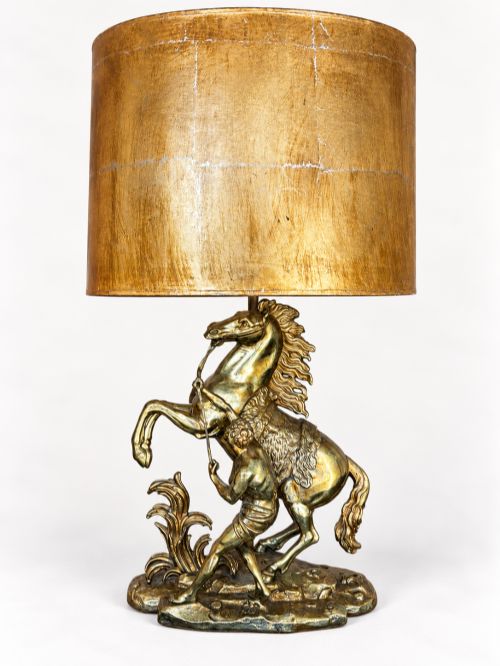
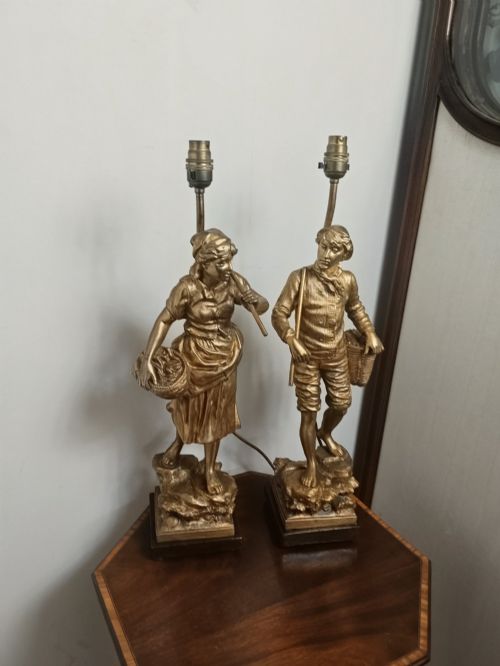
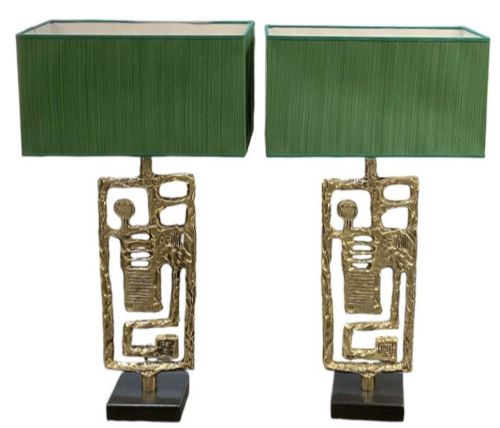
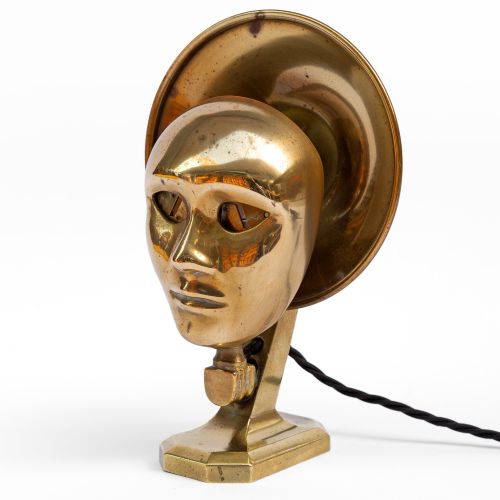
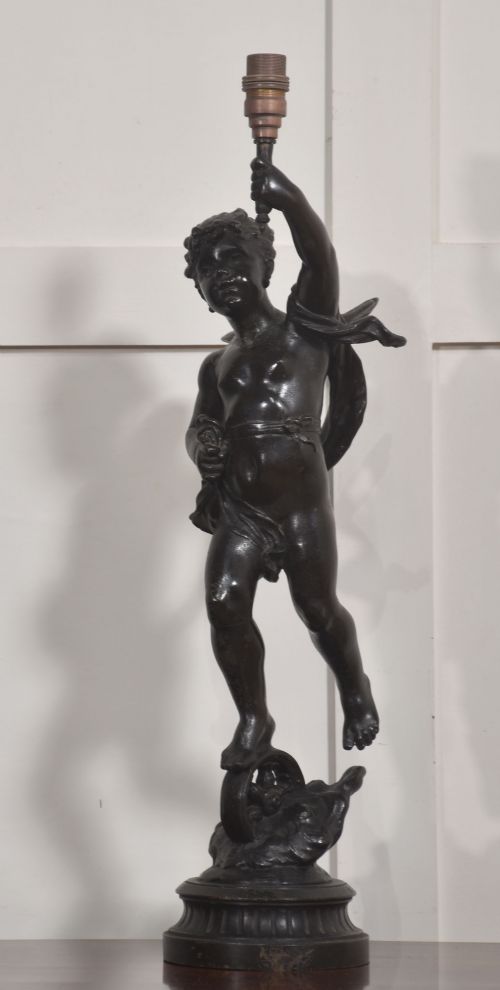
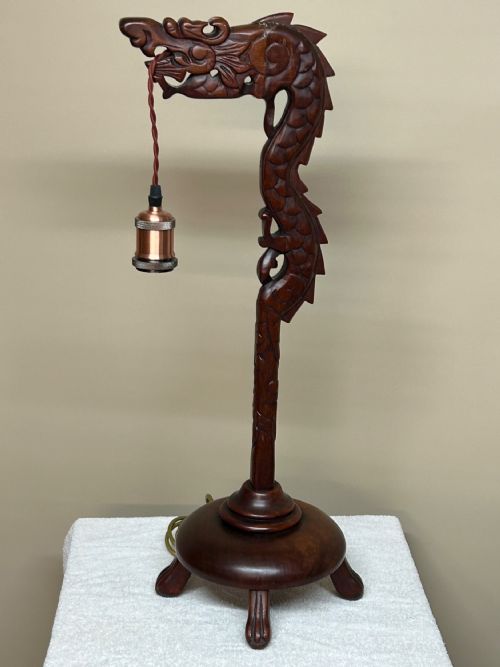
A vintage sculptural lamp takes the form of cast figures, animals, and architectural motifs rather than a traditional column or standard. When you search for a vintage sculptural lamp, you encounter table lamps and floor lamps that double as standalone works of art.
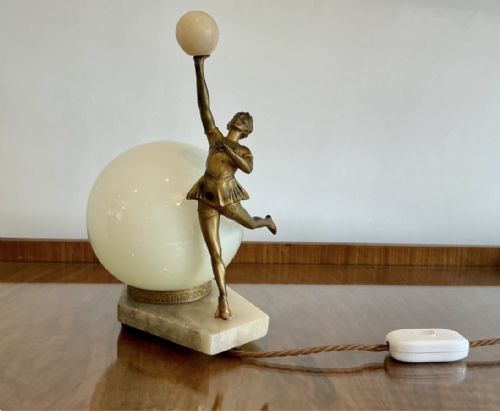
The pieces on this page span from the late 19th century through the mid-20th century, encompassing periods such as Art Nouveau, Art Deco, and Mid-Century Modern. Figures range from classical deities and cherubs to stylised ladies, seagulls, and cinematic interpretations.
Most examples function primarily as table lamps, though monumental floor lamps and occasional tables adapted for lighting also appear. Materials vary widely, combining metalwork and carved stone to create substantial decorative objects.
How they were made
Makers utilised casting techniques in bronze, brass, spelter, and silver plate to shape the figurative and botanical elements of each piece. These metals were often patinated, gilded, or bronzed to achieve varied surface textures and tonal depth.
Marble and alabaster frequently serve as heavy base materials, providing stability for top-heavy sculptural figures while adding a contrasting textural element. Fabric shades complete the construction, diffusing the light cast by the illuminated body or bulb.
Vintage Sculptural Lamp Retail Price Guide 2026
Typical asking prices for vintage sculptural lamp among the pieces listed under this phrase on Sellingantiques today, from the lower quarter to the upper quarter. They describe what is for sale here now, not the wider market.
Listings feature periods spanning from the late 19th century through the 1960s, encompassing Art Nouveau, Art Deco, and Mid-Century Modern styles.
What varies in quality
Signatures, foundry marks, and attribution to known designers or makers elevate a piece above anonymous production models. The integration of the lamp fitting with the original sculpture also dictates the overall cohesion and success of the design.
E Rousseau·Fritz Lang·Angelo Brotto for Esperia·Ivan Zaiec·Rene Mathieu·P.Sega
The Vintage Sculptural Lamp Glossary
- Spelter
- An alloy of zinc and lead or tin, commonly used as a less expensive alternative to bronze for figural casting. It is often painted or bronzed to imitate finer metals.
- Patination
- The natural or artificial ageing of a metal surface through oxidation, producing a distinctive coloured film or sheen. This process highlights the contours of sculptural figures.
- Alabaster
- A fine-grained, translucent stone used for lamp bases and bodies. It allows light to diffuse softly through the material when illuminated.
- Figural lamp
- A lighting fixture incorporating human or animal forms as the primary decorative element. These pieces draw heavily on artistic movements like Art Nouveau and Art Deco.
Vintage Sculptural Lamp: Frequently Asked Questions
How do I wire a vintage lamp safely?
Older electrical components should be inspected and modern wiring installed by a qualified professional to ensure safety standards are met.
Retaining original sockets or switches is sometimes possible, but internal rewiring protects both the piece and your home.
What is the difference between bronze and spelter?
Bronze is a robust copper alloy that accepts fine detail and deep patination, commonly used in high-end sculptural pieces.
Spelter is a softer, zinc-based substitute that feels lighter and requires careful handling to prevent surface damage.
Where should I place a sculptural floor lamp?
Monumental floor lamps and tall figural pieces function best in corners or open spaces where their full silhouette remains visible.
Pairing them with neutral backgrounds allows the intricate details of the metalwork and carved stone to stand out.