


Classical Sculpture Art
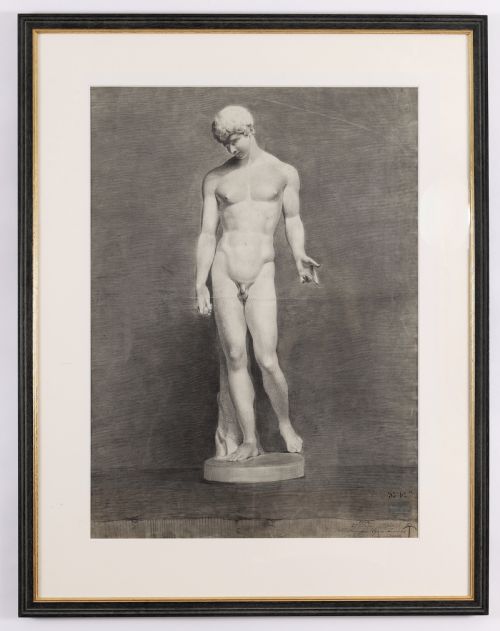
Classical sculpture art brings mythological figures, dancers, and historic portraits into homes through enduring nineteenth and early twentieth-century interpretations.
Classical Sculpture Art
Classical sculpture art encompasses figures, busts, wall plaques, and reliefs inspired by ancient Greek and Roman aesthetics. These pieces draw heavily on historical, mythological, and allegorical subjects.
The selections available here rely predominantly on nineteenth-century and early twentieth-century interpretations, spanning Victorian, Art Nouveau, and Art Deco periods.
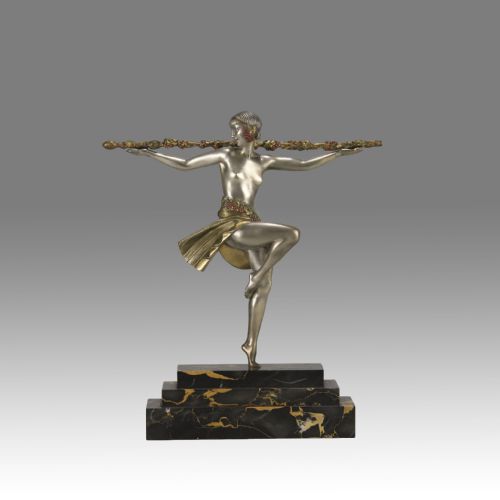
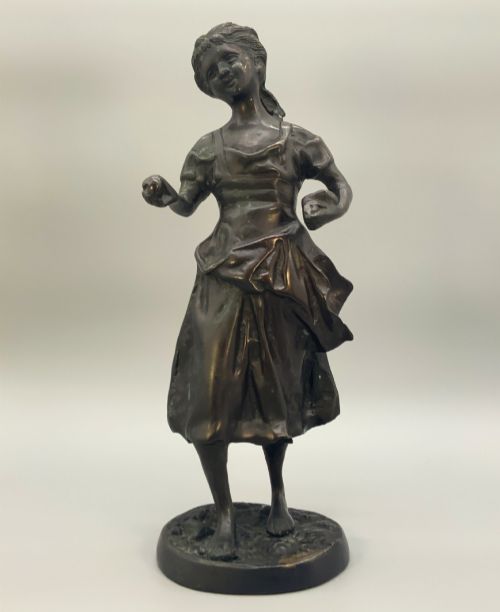
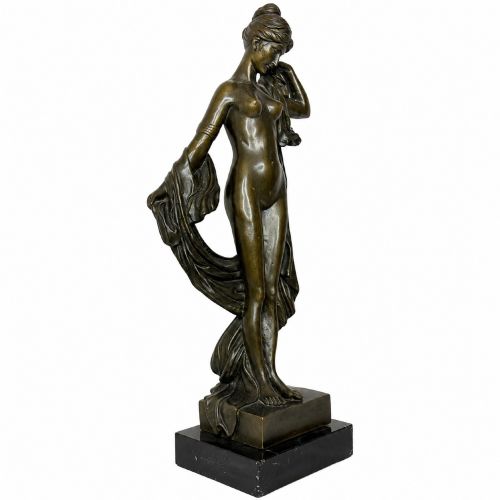
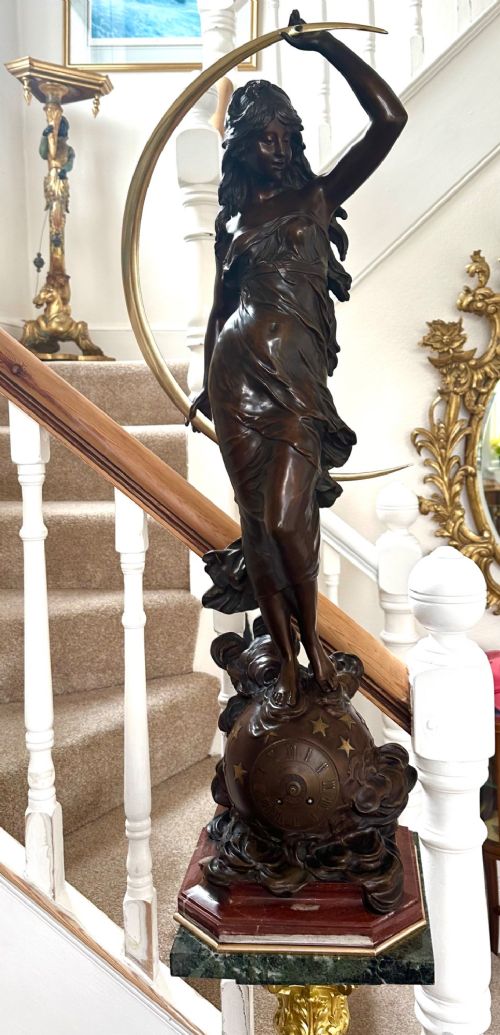
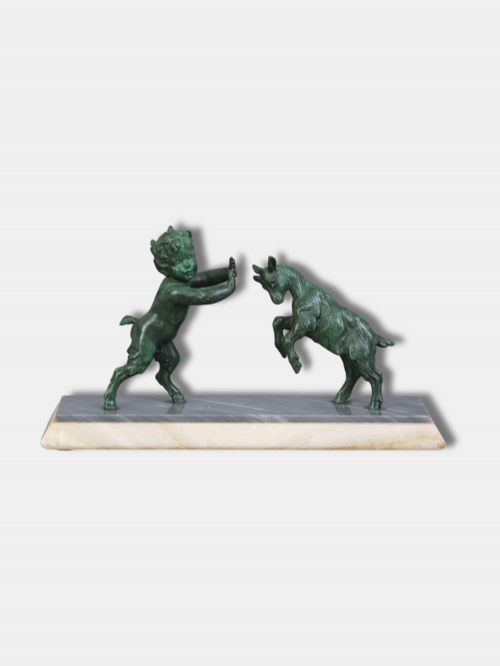
Bronze figures, carved alabaster, marble portraits, and terracotta studies dominate the forms, reflecting both grand salon pieces and smaller cabinet bronzes.
Materials and construction methods
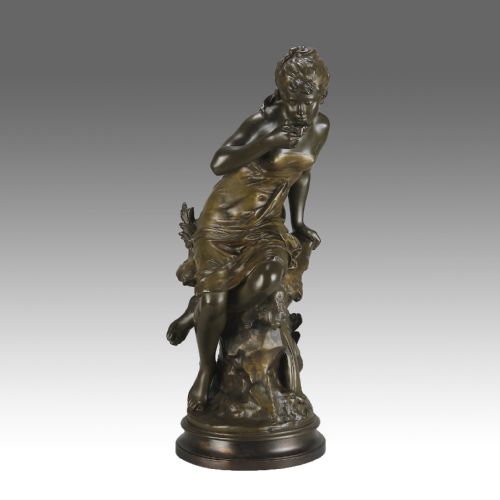
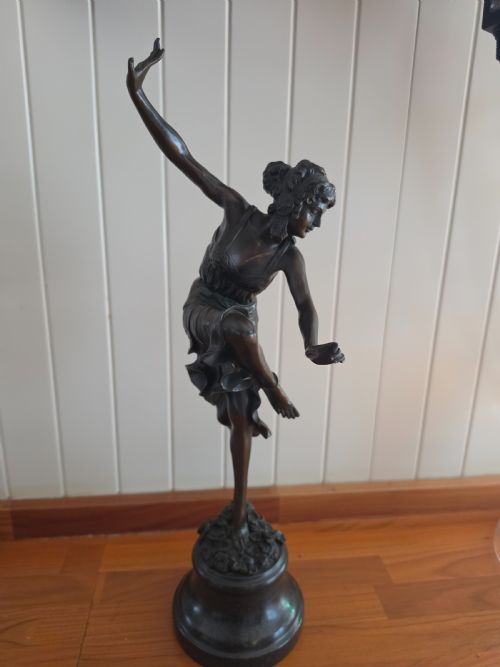
Foundries produced bronze works using the lost-wax method, often finishing the metal with rich patination or cold-painted details to enhance texture and depth.
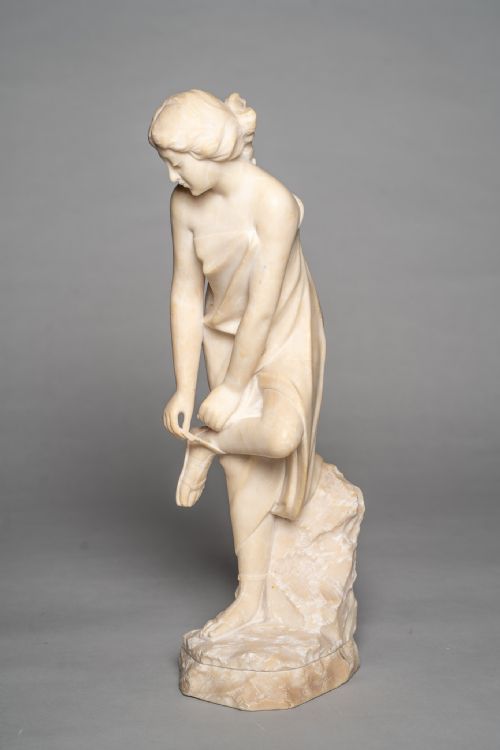
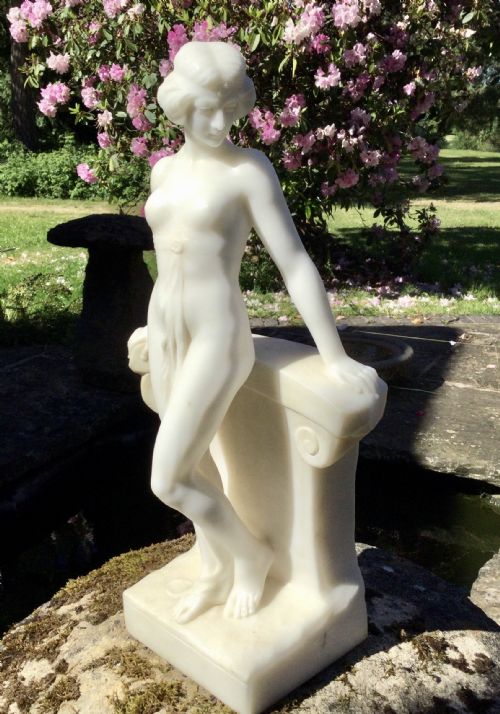
Sculptors carved figures and busts directly from blocks of marble and alabaster, utilising stone grain to define drapery and facial expressions.
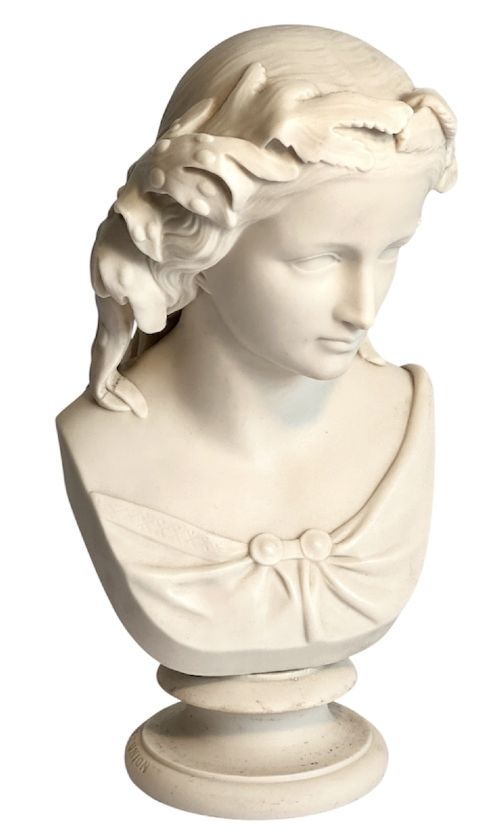
Parian ware, terracotta, and plaster casts offered accessible mediums for intricate mythological subjects and portraiture during the nineteenth century.
Even ancient Roman deities occasionally found themselves depicted with distinctly Victorian hairstyles and expressions.
Elements of distinction
Casting precision and surface chasing determine the refinement of metal sculptures, separating workshop-standard editions from carefully hand-finished examples.
Stone carvings depend on the purity of the marble or alabaster and the sensitivity of the hand in capturing anatomical proportions.
Signatures from established founders and sculptors elevate individual pieces, alongside crispness of detail in the casting or carving.
Pierre le Faguays·Moreau Family·Emile Carlier·Mathurin Moreau·Aurore Onu·E. Villanis·Edouard Drouot·Julien Lorieux·Georges-Charles Coudray·Auguste Moreau·Antonio Merente·Luca Madrassi·Justo de Gandarias·Fritz Kochendorfer·Hector Lemaire·Aristide Maillol
The Classical Sculpture Art Glossary
- Patina
- The surface coloration and sheen developed naturally on metal over time or applied chemically by the founder. This treatment accentuates the contours of bronze figures.
- Parian ware
- A fine-grained, unglazed porcelain resembling white marble, developed in the nineteenth century. Manufacturers utilised this material extensively for classical busts and figures.
- Lost-wax casting
- A metal-casting method where a wax model is melted from a mould and replaced with molten bronze. This technique allows for exceptional detail in sculptural work.
- Cold-painted
- Pigment applied to a metal object after casting, without subsequent firing. Artisans used this technique to add lifelike colour to garments and skin.
- Terracotta
- Fired clay used for sculptural models and finished figures. The warm reddish-brown material records the direct touch of the artist.
Classical Sculpture Art: Frequently Asked Questions
What subjects do these sculptures typically depict?
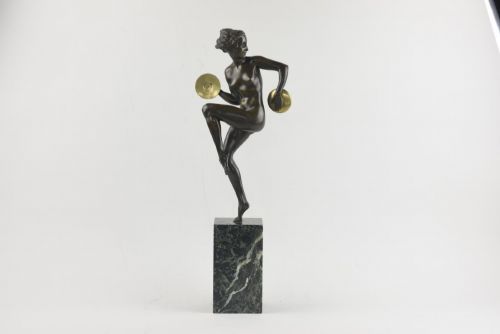
These works draw heavily from Greek and Roman mythology, depicting figures like Diana, Psyche, and fauns alongside allegorical representations of seasons and dance.
Portrait busts of historical figures and literary characters also feature prominently among the available materials.
How do I care for bronze sculptures?
Bronze requires minimal maintenance, needing only gentle dusting with a soft cloth to prevent particulate accumulation on the surface.
Avoid liquid cleaners or polishes, which can strip the original patina and damage the protective wax coating.
Where were these pieces manufactured?
The majority of these works originate from European workshops, with French foundries and Italian carvers producing the largest share of nineteenth and early twentieth-century examples.
English potteries also contributed significant porcelain and parian figures during the Victorian era.