



Classical Revival Porcelain
Classical revival porcelain brings antique neoclassical forms and classical motifs into nineteenth-century interiors.
Classical Revival Porcelain
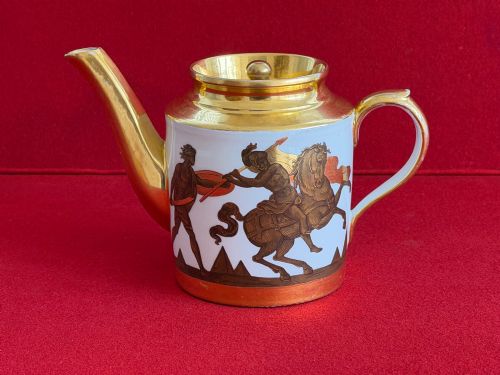
When you search for classical revival porcelain, you are looking at nineteenth-century objects that draw directly upon ancient Greek, Roman and Renaissance vocabulary. The selection on this page centres primarily on 19th-century pieces, spanning Georgian origins through to Edwardian interpretations, reflecting enduring nineteenth-century tastes.
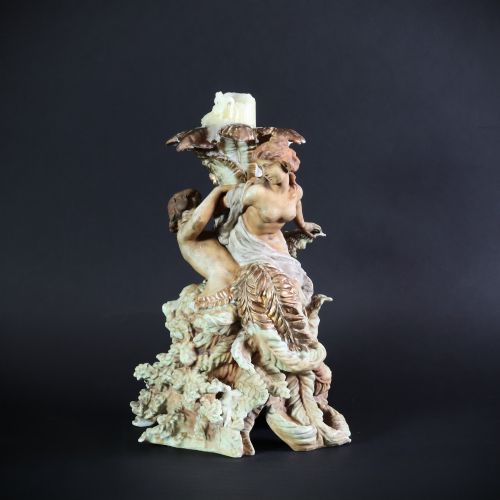
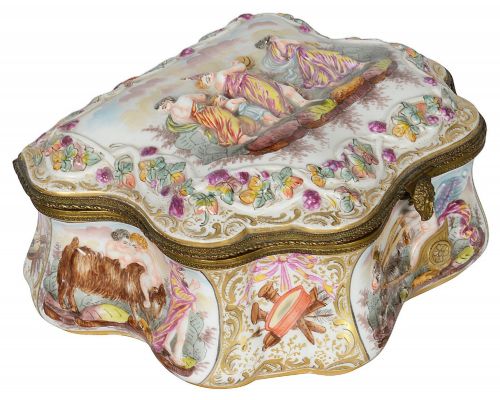
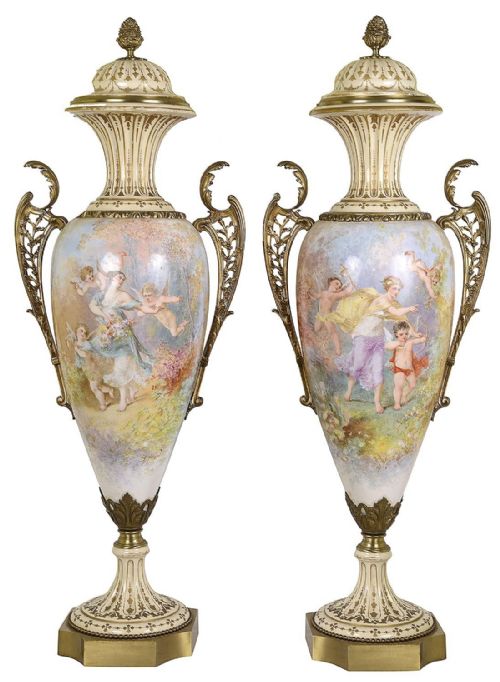
The forms vary widely across practical and decorative household objects. You will encounter table lamps, large lidded vases, mantel clocks housed in gilt metal and ormolu, allegorical figurines, and jewellery caskets alongside larger credenzas.
Origins shift between English potteries and continental European workshops, with French Sevres style pieces and German factories like Dresden and Volkstedt appearing frequently. These objects served as sophisticated decorative centrepieces in period drawing rooms and boudoirs.
How They Were Made
Makers combined hard or soft-paste porcelain with cast metal mounts such as ormolu, gilt bronze, gilt metal, and brass. Enamel painting and gold leaf application often adorned the ceramic bodies, adding rich colour and metallic highlights to vases, clocks, and caskets.
Structural elements frequently incorporated secondary materials like marble for lamp bases and coromandel wood for cabinetry, demonstrating multidisciplinary manufacturing techniques. Textile components also supplemented certain lighting pieces.
Many items relied on collaboration between ceramic artists and metalworkers, particularly in French mantel clocks and mounted vases where ormolu frames secured delicate porcelain panels.
Classical Revival Porcelain Retail Price Guide 2026
Typical asking prices for classical revival porcelain among the pieces listed under this phrase on Sellingantiques today, from the lower quarter to the upper quarter. They describe what is for sale here now, not the wider market.
Listings feature 19th-century materials including porcelain, gilt bronze, ormolu, and coromandel across periods from Georgian to Edwardian.
What Varies in Quality
Quality reveals itself in the crispness of the porcelain moulding and the delicacy of the hand-painted enamel details. Superior pieces display finely articulated facial expressions on allegorical figures and precise registration in transfer or hand-applied gilding.
The integration of metal mounts separates standard production from exceptional examples. Heavy, finely chased ormolu and gilt bronze mounts that fit the porcelain body seamlessly indicate superior workshop standards compared to loosely cast brass or gilt metal.
The depth of historical adherence and the reputation of the manufacturing source, whether a recognised English maker like John Rose Coalport or a continental factory working in the Sevres style, heavily influence the overall standing of an individual piece.
John Rose Coalport·Volkstedt·Lamb of Manchester·Samuel Alcock·P.H Mourey
The Classical Revival Porcelain Glossary
- Ormolu
- Gilded bronze used widely for decorative mounts on nineteenth-century clocks and porcelain vases. The technique involves applying a mercury and gold amalgam to bronze before heating.
- Sevres style
- A descriptive term for porcelain decorated in the manner of the famous French royal factory. It usually denotes rich blue grounds, elaborate gilding, and hand-painted pastoral or classical scenes.
- Allegorical figurine
- A sculpted porcelain figure representing an abstract idea or classical theme through human form and symbolic attributes. These figures were popular decorative ornaments on nineteenth-century mantelpieces.
Classical Revival Porcelain: Frequently Asked Questions
How do I identify Sevres style porcelain?
Sevres style porcelain is typically recognised by its rich coloured ground, most notably cobalt blue, paired with elaborate hand-gilding and classical painted panels. Many nineteenth-century continental and English factories produced wares in this manner to satisfy collectors.
While genuine Sevres bears specific royal ciphers, Sevres style pieces often imitate these aesthetic markers without claiming direct factory origin.
What is the difference between ormolu and gilt metal?
Ormolu specifically refers to finely chased gilt bronze, where gold is amalgamated with mercury and applied to a bronze base through heat. It yields a deep, warm metallic lustre.
Gilt metal and brass mounts, by contrast, are generally less refined and lack the sharp chiselling characteristic of high-period ormolu.
Where were these pieces originally displayed?
These decorative objects were designed for prominent public and private rooms within nineteenth-century homes, such as drawing rooms, libraries, and formal boudoirs. Vases and mantel clocks occupied prominent positions on mantelpieces and side cabinets.
Smaller items like jewellery caskets rested on dressing tables, while credenzas displayed broader collections of ceramics.
How should I care for antique porcelain with metal mounts?
Maintenance requires dry dusting with a soft brush to protect delicate hand-painted enamels and gold leaf. Moisture should be kept away from both the ceramic surface and the metal mounts to prevent corrosion.
Ormolu and gilt bronze elements need only gentle cleaning with a dry cloth, avoiding abrasive metal polishes that strip historical gilding.