







Classical Regency Furniture
Classical regency furniture brings architectural dignity to domestic interiors through refined timbers and clean lines.
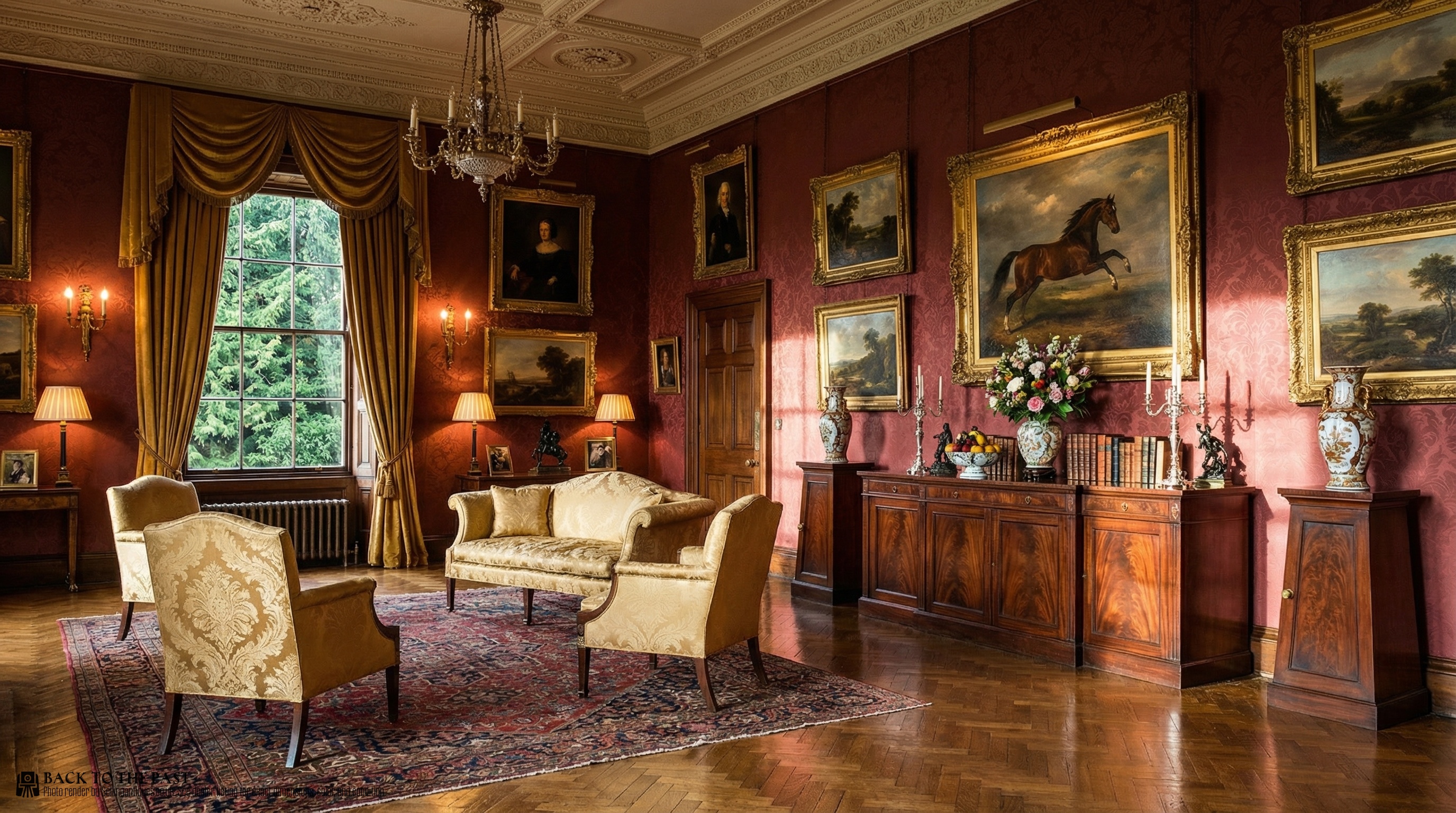
Classical Regency Furniture
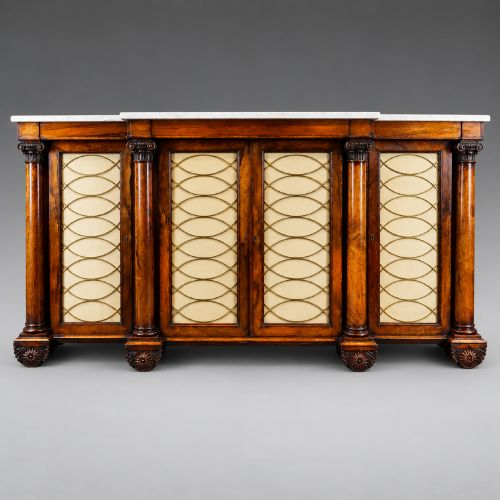
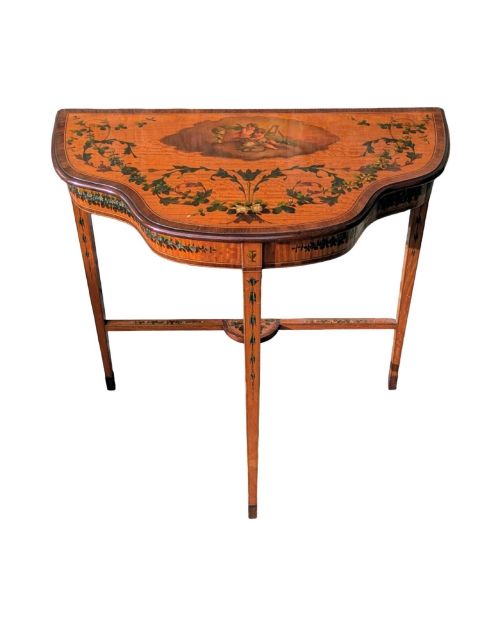
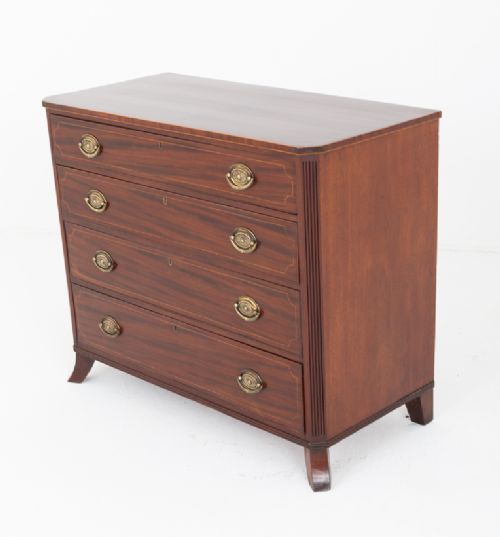
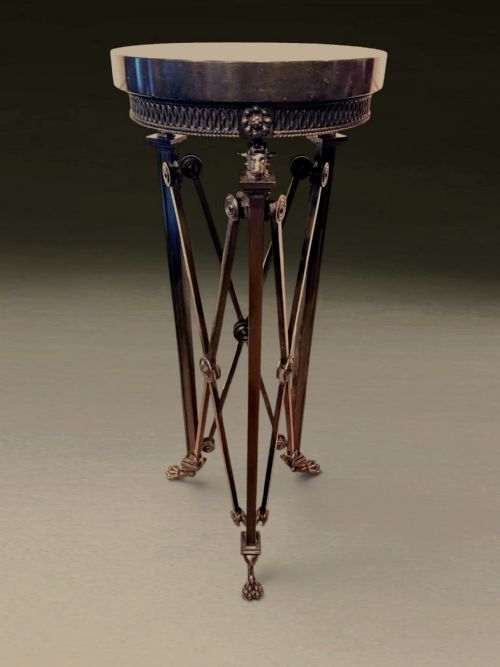
When you search for classical regency furniture, you encounter items designed during the Regency, William IV, and Georgian periods, alongside later nineteenth and twentieth century revivals. The forms span practical household pieces such as chests of drawers, console tables, serving tables, and bookcases, as well as specialised items like cellarettes and torchere stands.
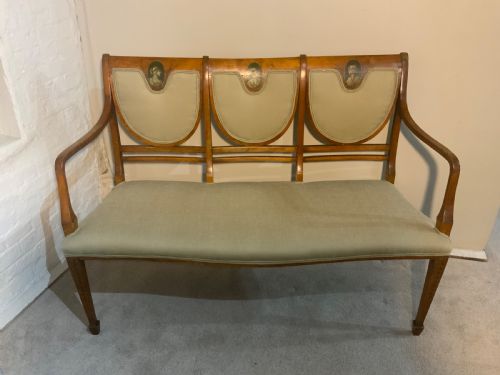
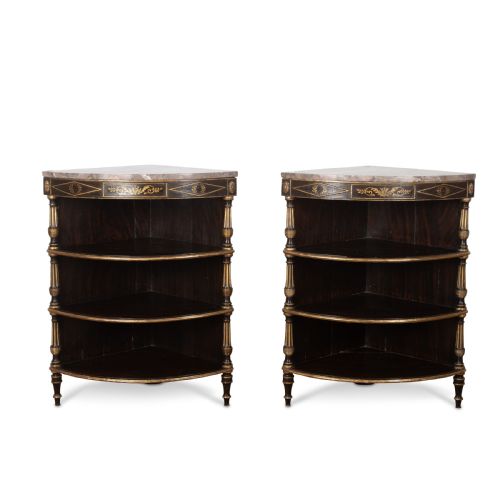
Mahogany and rosewood dominate the selection, frequently enhanced by parcel gilt, brass mounts, and marble tops. You will regularly find seating options including hall chairs and settees, alongside pedestal cabinets and display furniture reflecting neoclassical and French Empire influences.
Materials and construction methods
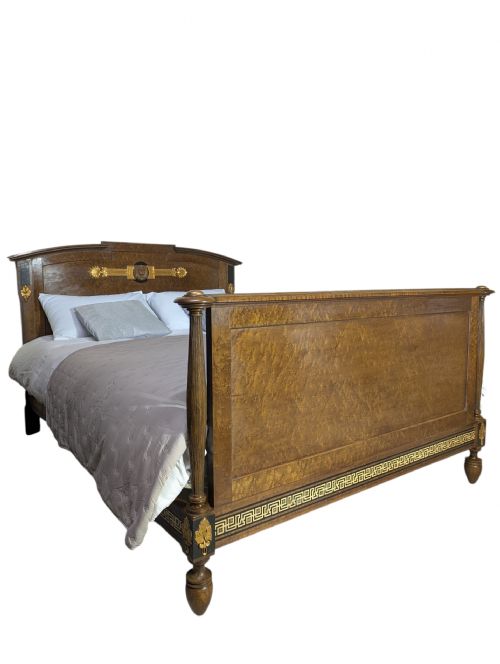
Cabinet makers utilised dense native and imported timbers, notably solid mahogany, rosewood, satinwood, and burr oak, often applying veneers to achieve striking grain patterns on drawer fronts and table tops. Structural elements frequently incorporated parcel gilt details and brass inlays to accentuate architectural mouldings.
Surfaces were brought to a fine finish, while specific pieces integrated decorative marble slabs or specialised glass panels within display cabinets and bookcases. Metal fittings such as brass handles and mounts completed the construction of functional items like cellarettes and chests of drawers.
Classical Regency Furniture Retail Price Guide 2026
Typical asking prices for classical regency furniture among the pieces listed under this phrase on Sellingantiques today, from the lower quarter to the upper quarter. They describe what is for sale here now, not the wider market.
Judging the standard of execution
The degree of refinement in carved details, parcel gilt enrichment, and timber selection marks the distinction between standard items and superior works. Master craftsmen achieved crisp architectural lines and harmonious proportions that elevate specific console tables, bookcases, and serving tables.
The integration of secondary timbers and the precision of joinery within drawers and carcass frames demonstrate the underlying integrity of the piece. Subtle variations in brass mounts and the quality of marble tops further indicate the standing of the workshop.
Mack Williams And Gibton
The Classical Regency Furniture Glossary
- Parcel Gilt
- Partial application of gold leaf to highlight specific carved details or mouldings. This technique draws the eye to architectural motifs on mirrors and console tables.
- Cellarette
- A lockable container designed for storing bottles of wine safely within a dining room. These timber receptacles often sit on low pedestals or floor frames.
- Torchere
- A tall stand intended to support a light source or decorative ornament. In neoclassical interiors, these stands take the form of columns or giltwood figures.
- Bonheur du Jour
- A small writing desk featuring a cabinet or shelving superstructure on top. This feminine form became popular for correspondence and light reading.
- Pediment
- A triangular or architectural crowning element placed above bookcases and cabinetry. It originates from classical building facades.
Classical Regency Furniture: Frequently Asked Questions
What defines classical regency furniture?
These pieces draw inspiration from classical antiquity, featuring balanced proportions, architectural columns, and restrained ornamentation. Woods like mahogany and rosewood provide a dark, uniform ground for gilt and brass details.
They reflect the taste of the early nineteenth century and subsequent revival periods, emphasising symmetry and clean structural lines.
Where should I place a console table?
Console tables suit entrance halls, reception rooms, and dining spaces where floor space is relatively narrow. They frequently stand against flat walls beneath matching pier mirrors.
Their shallow depth allows them to serve as display surfaces without obstructing walkways.
How do I care for rosewood surfaces?
Keep polished timber surfaces away from direct sunlight and excessive heat sources to prevent the wood from drying out or fading. Dust regularly with a dry, soft cloth.
Avoid using silicone sprays or harsh chemical polishes that can damage the historical finish of the timber.
Are these pieces suitable for daily use?
Sturdy items like chests of drawers, bookcases, and dining sideboards remain fully functional for modern storage needs. Their solid timber construction handles ordinary domestic routines well.
Delicate stands and heavily gilded pieces require gentle placement to avoid accidental knocks to fragile decorative elements.
How do I distinguish revival pieces?
Nineteenth and twentieth century revivals often utilise secondary woods and construction methods typical of their actual manufacturing era rather than the Regency period. Examining interior drawer linings and backboards helps reveal the true age.
Stylistic proportions and hardware fastenings also offer clues to whether an item is an original period piece or a later copy.