
Classical Portrait Canvas Art
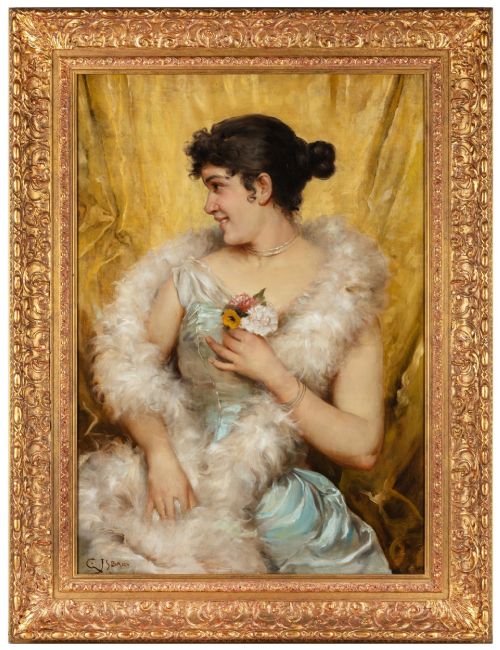
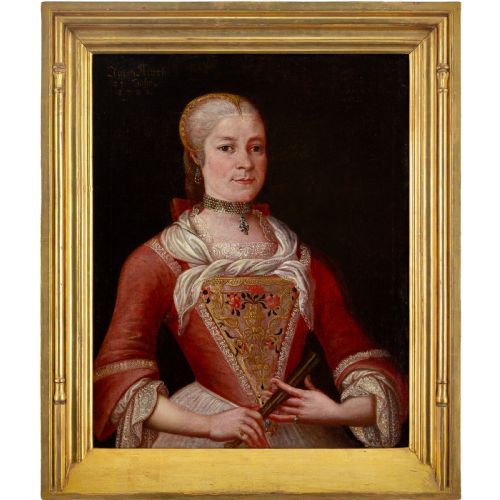
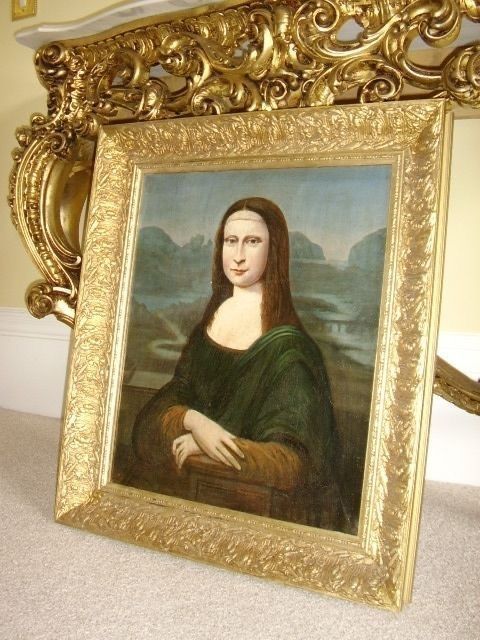
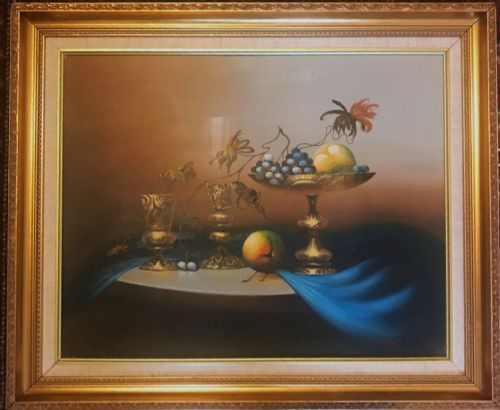
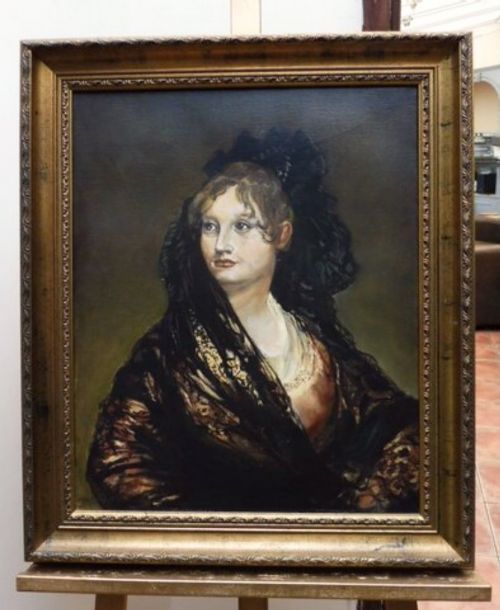
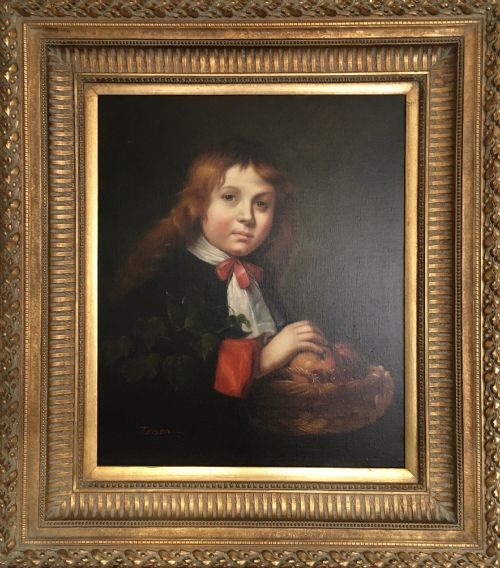
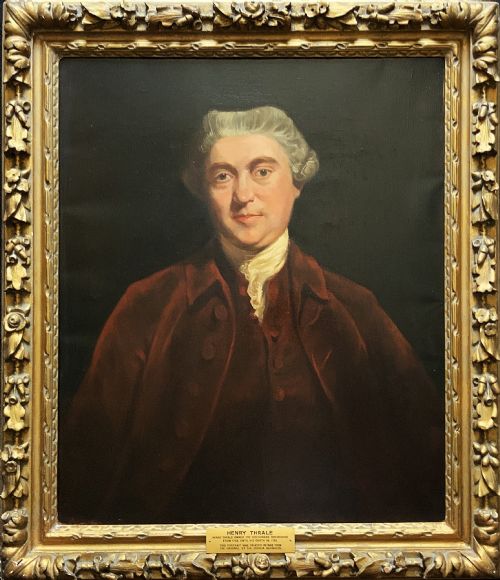
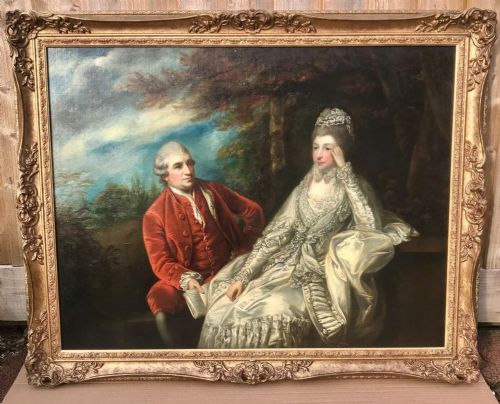
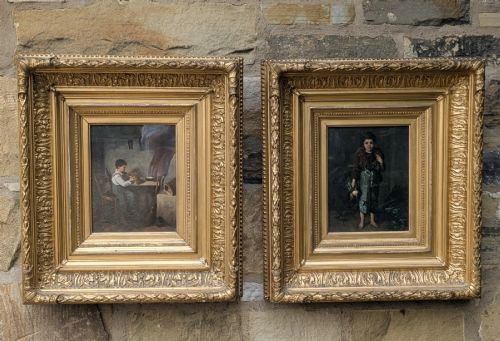
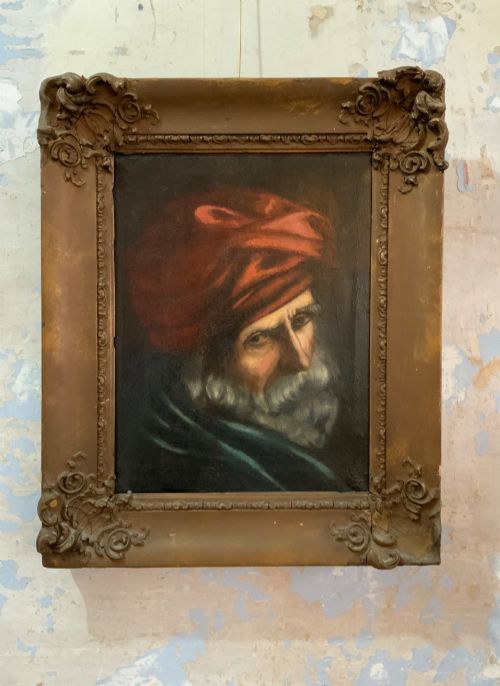
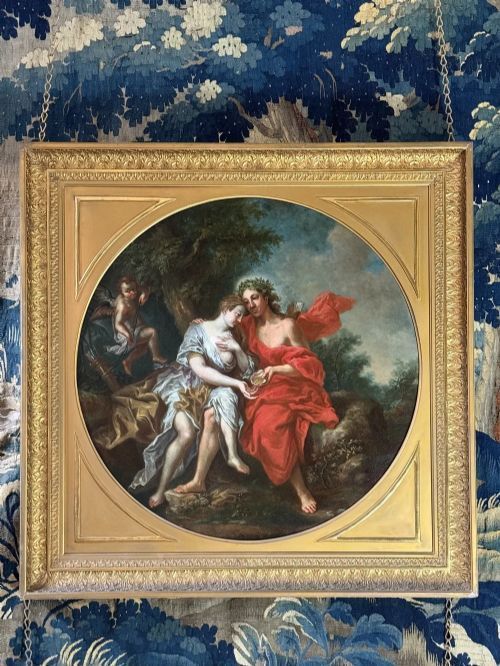
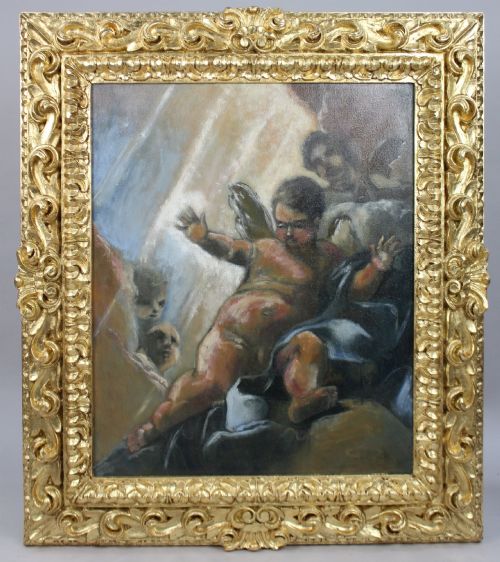
When you search for classical portrait canvas art, you encounter centuries of painted likenesses, mythological scenes, and framed wall pieces executed in oil.
Classical Portrait Canvas Art
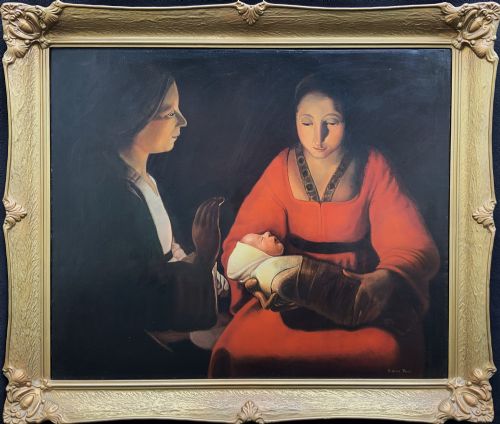
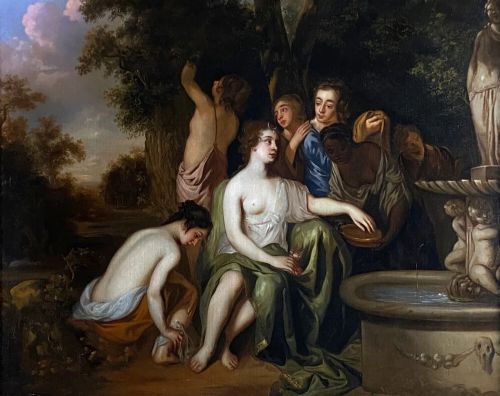
Classical portrait canvas art encompasses framed wall art and oil paintings created across the seventeenth, eighteenth, and nineteenth centuries, alongside later twentieth-century studies. These works range from direct seventeenth-century Dutch and British portraiture to eighteenth-century French and Bavarian studies, as well as later interpretations of Renaissance and Baroque masters.
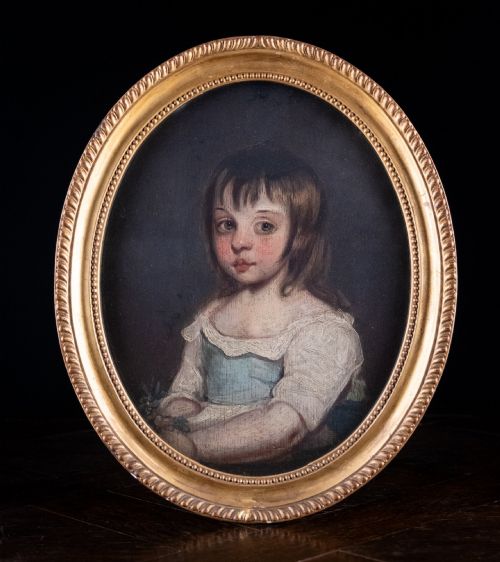
Buyers will find individual portraits of ladies, gentlemen, and children, alongside mythological compositions and pairs of historical subjects. The predominant formats are oil paintings on canvas, frequently housed within carved giltwood frames that complement the traditional aesthetic of the period.
Materials and technique
The foundation of these works is woven canvas stretched over wooden frames, providing a stable support for applications of oil paint. Artists built up their compositions using rich oil pigments, layering translucent glazes and opaque tones to achieve depth in skin textures, drapery, and background shadows.
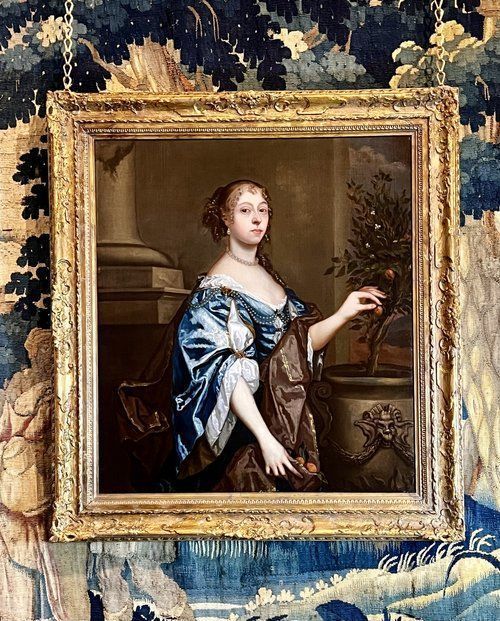
Many of these paintings are completed by heavy wooden frames finished with giltwood, gold leaf, or gilt accents. These frames were often carved to match the prevailing style of the era, from Baroque intricacy to Victorian ornamentation.
Several portraits feature subjects engaging in unusual pastimes, including ladies picking oranges and gentlemen posing with their favourite livestock.
Assessing quality
Quality in these works resides in the fidelity of the brushwork, the anatomical conviction of the subject, and the expressive handling of light and shadow. Superior pieces display a confident command of facial modeling and fabric texture, whereas lesser examples rely on stiff repetition or flat application.
The integrity of the original canvas and the preservation of the pigment layers also distinguish finer examples. Furthermore, the accompanying frame contributes to the overall standard, with period-correct carved giltwood enhancing the significance of the artwork.
Sir Peter Lely·Pieter Borsseler·Sir Joshua Reynolds·Charles-Antoine Coypel·John Opie·Theodore Jensen·John Ferneley Senior
The Classical Portrait Canvas Art Glossary
- Giltwood
- Wood carved and coated with a thin layer of gold leaf or gold paint. This finish appears frequently on the decorative frames enclosing antique oil paintings.
- Baroque
- An artistic style originating in the seventeenth century characterised by dramatic use of light, intense emotion, and grand scale. Works in this style often feature deep shadows and dynamic compositions.
- Oleograph
- A mechanical colour lithograph designed to imitate an oil painting on canvas. These reproductions replicate the visual texture of brushstrokes through a stamped surface pattern.
- Rococo
- A decorative and theatrical style developed in eighteenth-century France, known for lightness, playful themes, and curved forms. Paintings from this movement often depict mythological or leisurely scenes.
- Provenance
- The documented history of ownership of an artwork. Tracing this lineage helps authenticate the origin and attribution of historical portraits.
Classical Portrait Canvas Art: Frequently Asked Questions
How do I identify a canvas portrait from the seventeenth century?
Seventeenth-century portraits typically exhibit specific stylistic markers such as dark, moody backgrounds, stiff lace collars, and dramatic lighting techniques associated with Baroque traditions. Examining the weave of the canvas and the composition of the wood stretcher frame also offers clues regarding the age of the piece.
Furthermore, expert attribution often relies on comparing brushwork techniques and pigment analysis with known works from that era. Signature analysis, where present, can also assist in pinpointing the origin.
How should I care for an antique oil painting?
Antique oil paintings require stable environmental conditions away from direct sunlight, high humidity, and extreme temperature fluctuations. Keeping them in moderate rooms prevents the canvas from sagging and stops the paint layers from cracking.
Dusting should be performed gently with a soft, dry brush, avoiding any liquids or chemical cleaners. Professional conservation is recommended if the varnish yellows or if the canvas requires tension adjustment.
Are giltwood frames original to the paintings?
Many antique portraits retain their original frames, though framing often changed during subsequent centuries to match interior design preferences. A frame that shares the exact period characteristics and wear patterns of the canvas is more likely to be original.
Examining the rabbet of the frame and the fit of the canvas can reveal whether they have been together long-term. Even when replaced, a period-appropriate giltwood frame remains desirable for presentation.