


Classical Plant Stand
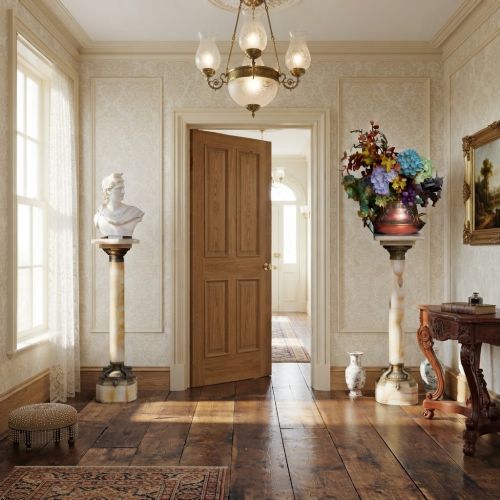
A classical plant stand elevates greenery and sculpture, bringing architectural form and dignity to a room.
Classical Plant Stand
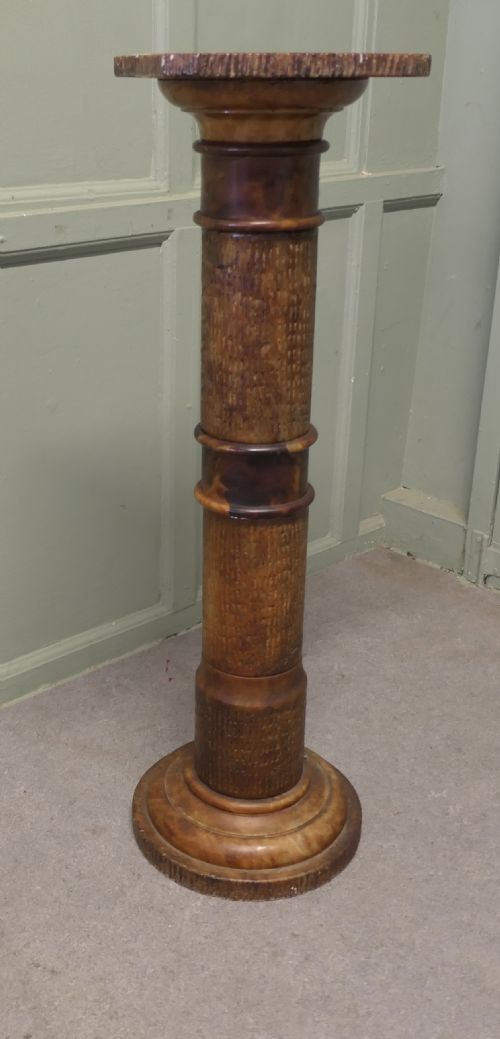
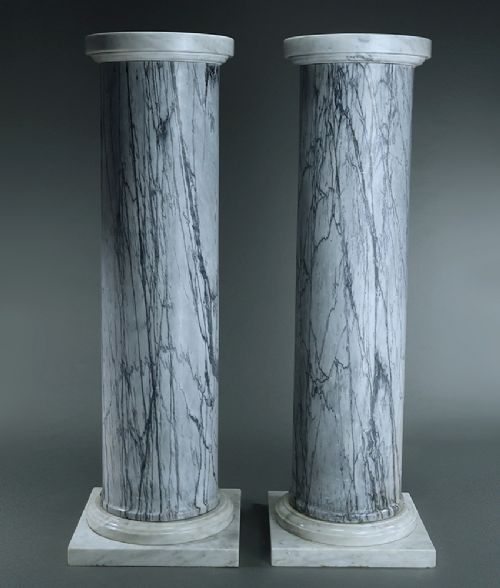
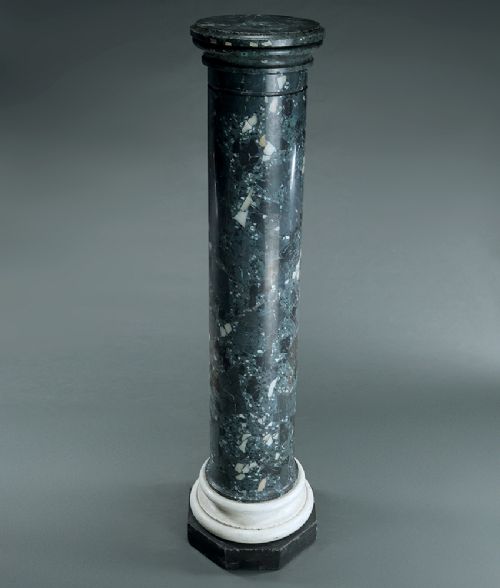
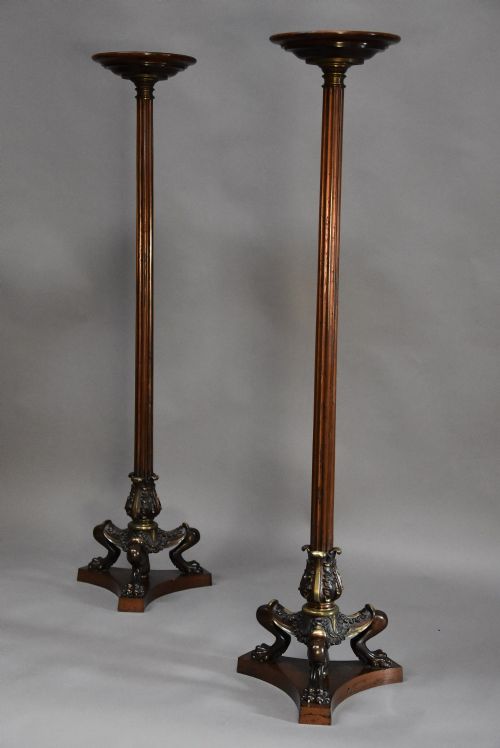
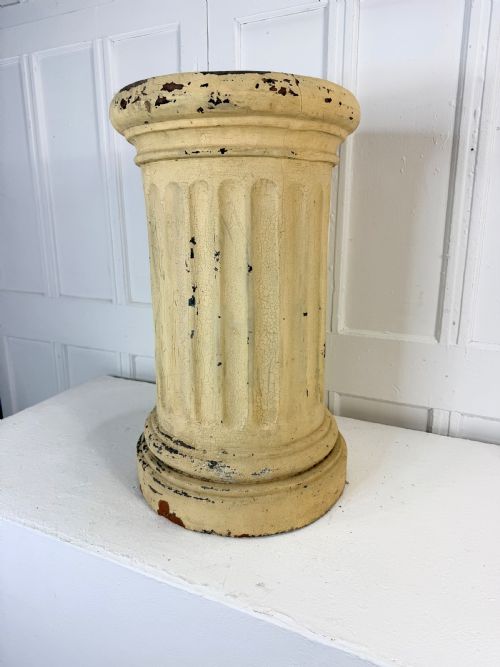
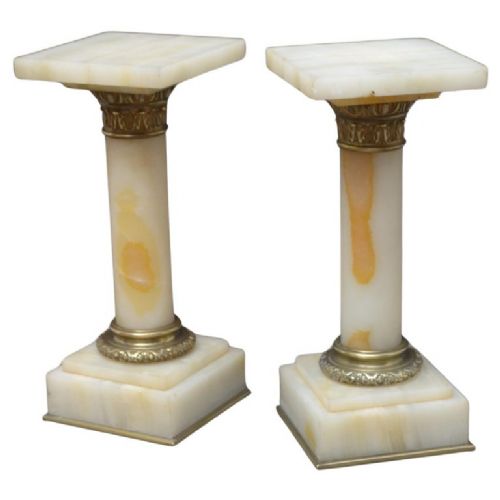
A classical plant stand takes the form of a column, pedestal, or torchere designed to raise decorative objects and plants above floor level.
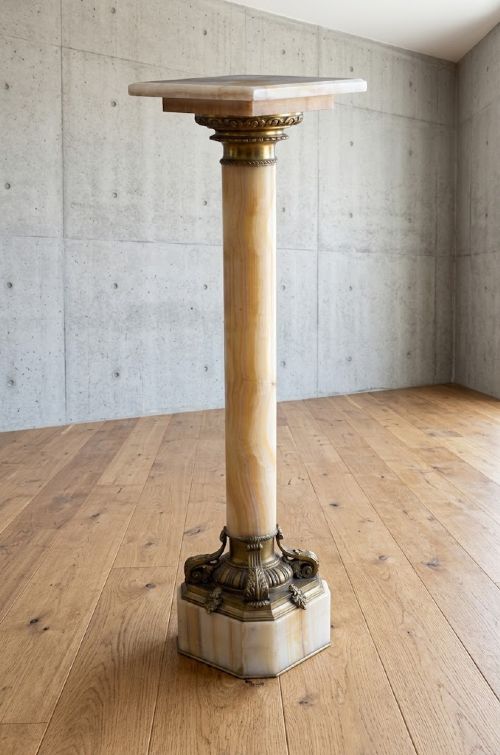
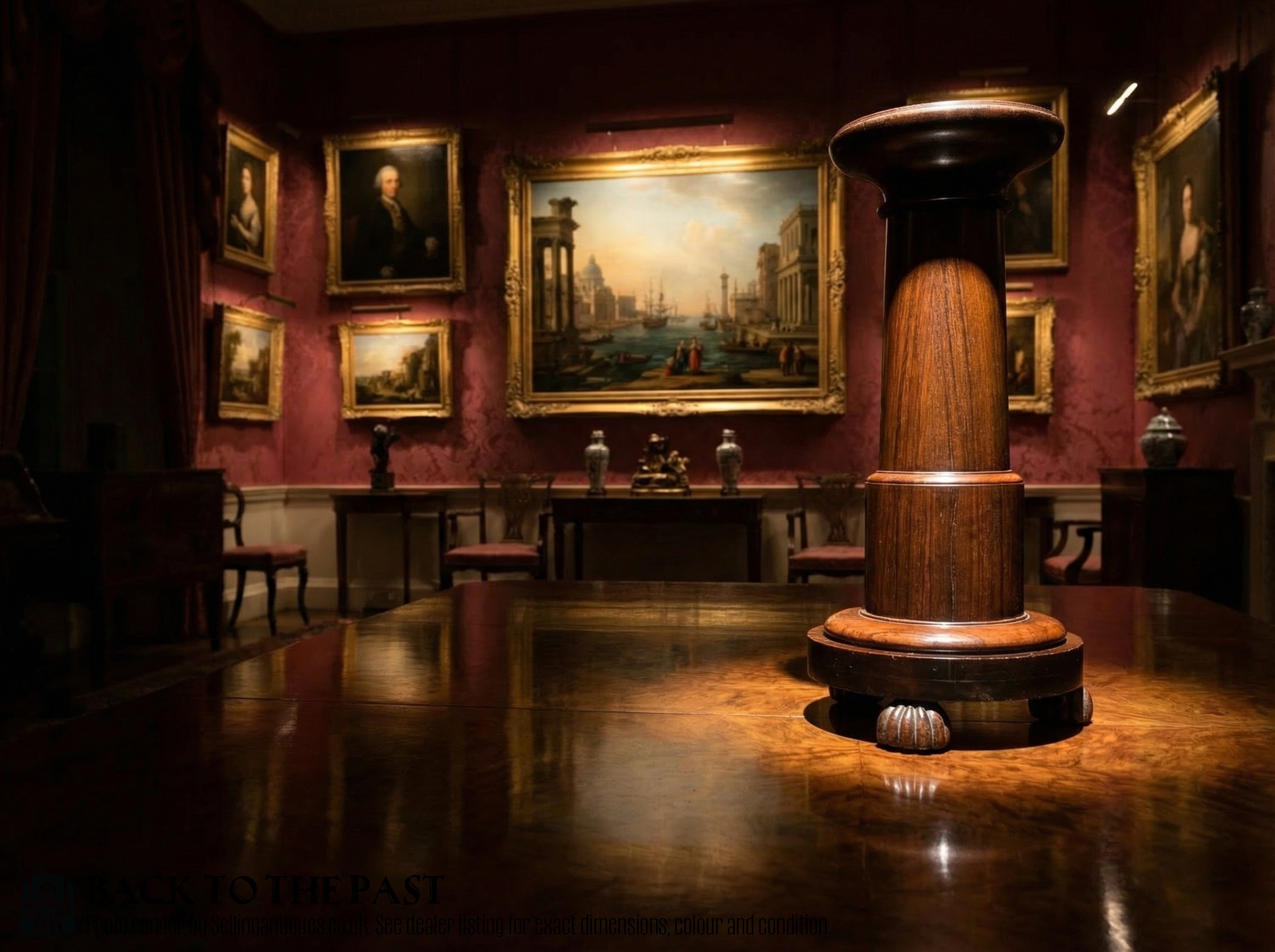
You will most commonly encounter nineteenth-century examples fashioned as marble, onyx, or mahogany columns, drawing directly from ancient architectural orders.
The selection ranges from tall stone display plinths to turned wooden stands rooted in Regency, Victorian, and Neoclassical styles.
Materials and Construction
Makers utilised dense natural stones including verd antique, bardiglio, and onyx, often turning them on lathes or casting them in scagliola and plaster.
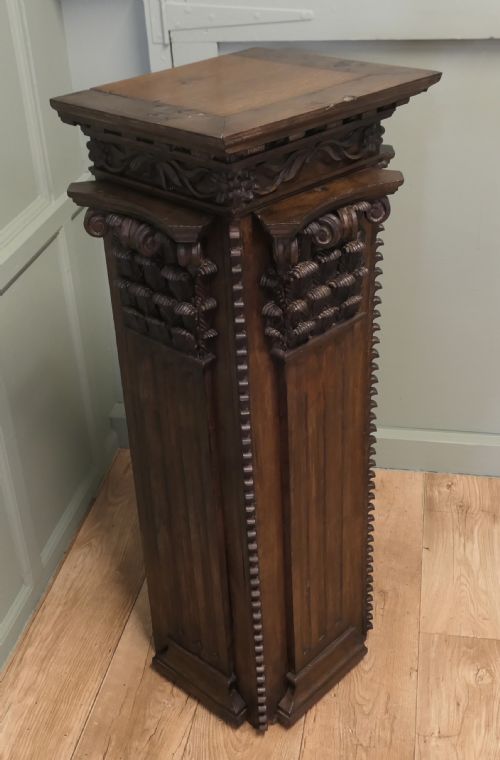
Cabinetmakers combined timbers such as mahogany, satinwood, oak, and birch, occasionally applying grain paint or faux marble finishes.
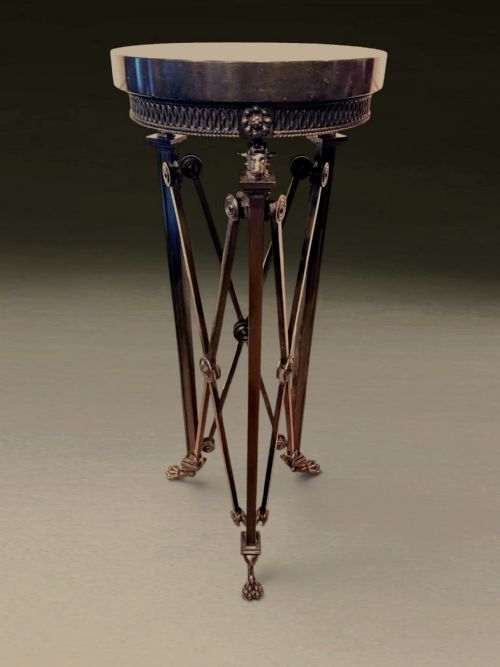
Mounts and collars cast in brass, ormolu, and bronze provided structural reinforcement and decorative contrast to stone and wood shafts.
Neoclassical and Victorian revivals dominate the aesthetic, alongside Regency designs influenced by Thomas Hope and George Smith.
Quality and Distinction
The weight and selection of the stone dictate much of the character, with solid variegated marbles and richly figured onyx standing apart from painted plaster.
Carving depth and precision in wooden capitals or bronze ormolu collars separate standard utilitarian supports from ambitious architectural showpieces.
Proportion and balance determine the visual success of a column, ensuring a stable platform for heavy urns or trailing foliage.
The Classical Plant Stand Glossary
- Column
- An upright architectural pillar comprising a base, shaft, and capital, used here as a freestanding display support.
- Torchere
- A tall ornamental stand originally designed to carry a candle or light, now frequently utilised for plants and urns.
- Scagliola
- A composite material made from selenite, glue, and pigments, manipulated to imitate costly marbles and stone.
- Ormolu
- Gilded bronze applied as decorative mounts, collars, and capitals on nineteenth-century furniture and pedestals.
- Neoclassical
- A style drawing inspiration from the classical architecture and art of ancient Greece and Rome.
Classical Plant Stand: Frequently Asked Questions
What is a classical plant stand used for?
These pieces serve as elevated display platforms for potted plants, bronze sculptures, and decorative urns. They draw the eye upward and introduce architectural weight to interior spaces.
In period settings, they functioned to showcase prized botanical specimens or art objects in drawing rooms and hallways.
How do I identify a nineteenth-century column?
Nineteenth-century examples rely on traditional joinery, hand-turned timber shafts, and dense natural stones like onyx and bardiglio. Look for patination on the wood and the characteristic weight of solid stone or scagliola.
Stylistic cues point toward Regency, Victorian, or Neoclassical revivals popular during the eighteen-hundreds.
Are these stands strong enough for heavy pots?
Most solid stone, marble, and hardwood columns possess substantial weight and robust construction suited for heavy planters. The wide base and sturdy shaft distribute heavy loads effectively to the floor.
Care should still be taken with uneven flooring to ensure absolute stability for top-heavy arrangements.