


Classical Plant Column
A classical plant column elevates sculpture and foliage alike, bringing architectural presence and refined proportion to a room.
Classical Plant Column
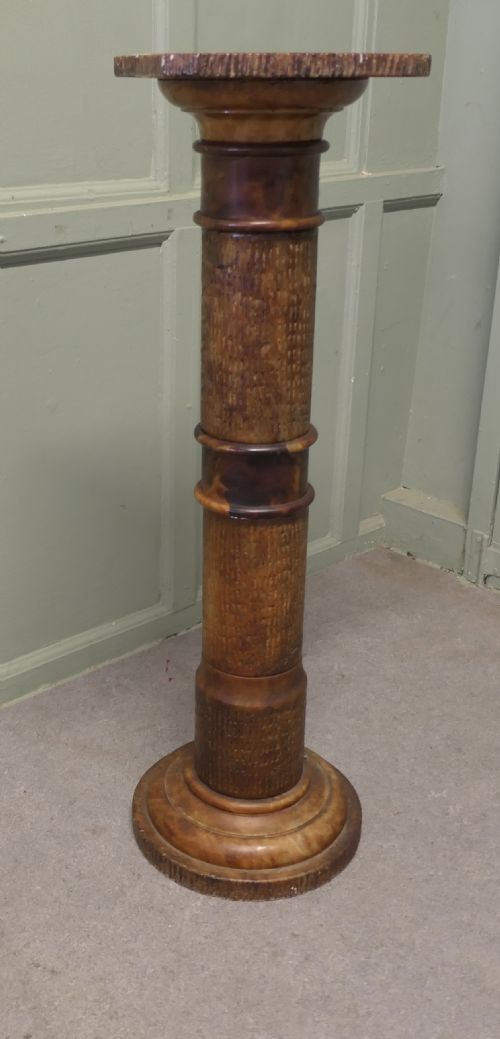
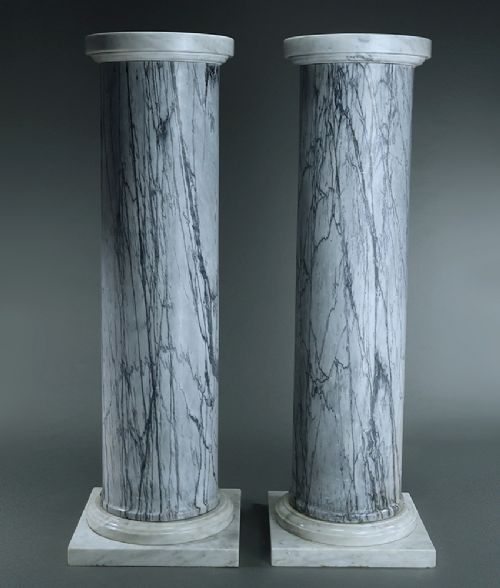
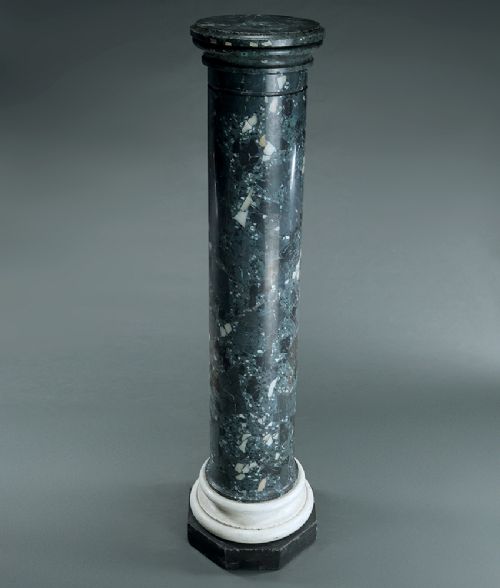
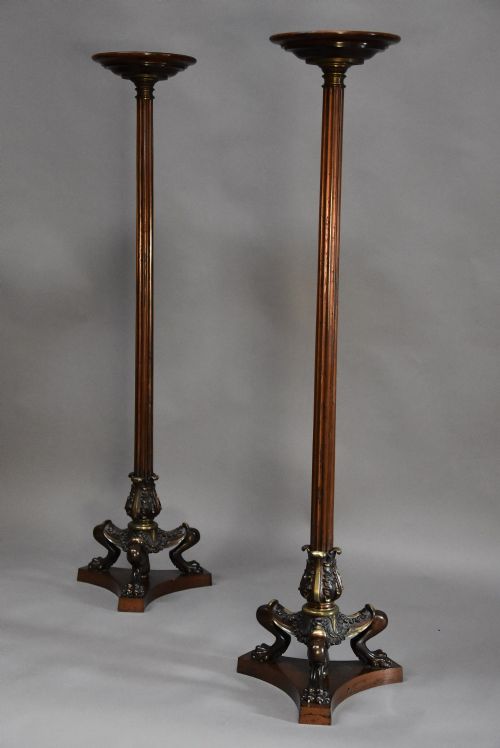
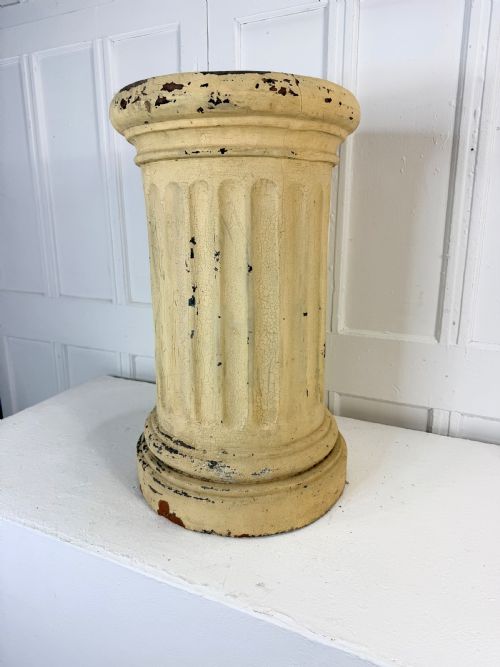
A classical plant column functions primarily as a display pedestal, torchere or plinth designed to elevate decorative objects, urns and botanical specimens. When you search for a classical plant column, you encounter architectural supports rooted in classical antiquity, often adapted during the Regency, Victorian and early twentieth-century periods.
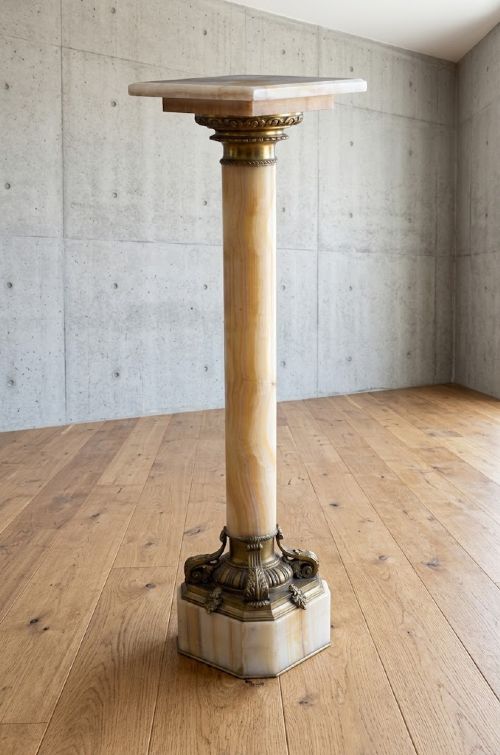
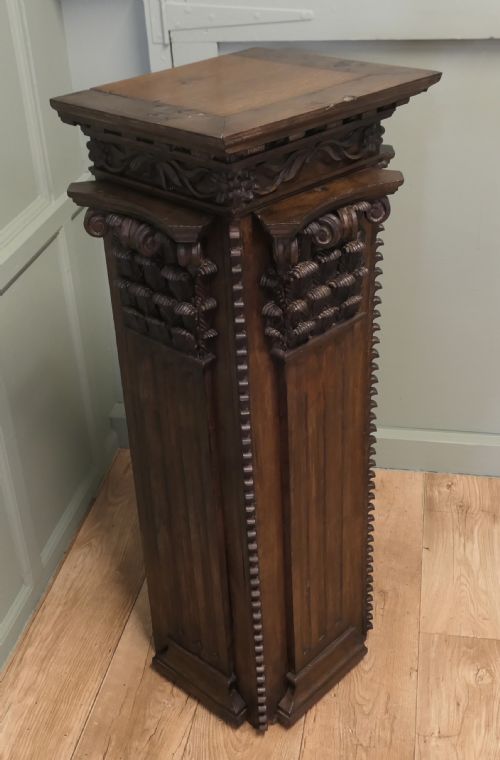
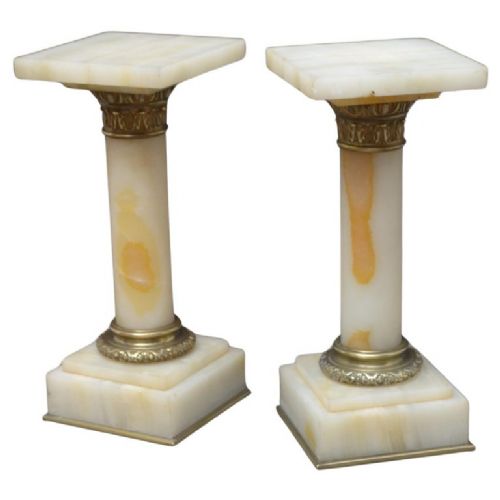
The most common forms on this page include marble and onyx columns alongside carved wooden pedestals and painted torchere stands. These pieces range from restrained nineteenth-century mahogany shafts to elaborate French designs featuring ormolu collars and variegated stone surfaces.
Materials and construction methods
Metal mounts in gilt bronze and ormolu provide structural collars and decorative bases, particularly on French nineteenth-century examples. Gesso and gilding often embellish wooden surfaces, adding reflective detail to Scandinavian and continental pedestals.
Current listings feature columns spanning the eighteenth, nineteenth and twentieth centuries, incorporating materials from solid marble to painted plaster.
Distinctions in quality
Quality rests upon the selection of materials, from solid variegated marbles and finely figured mahogany to painted pine or plaster alternatives. The weight and choice of stone, alongside the precision of turning and carving, separate standard production from masterwork pieces.
Integration of secondary metals also dictates standard, as cast ormolu collars and detailed bronze mounts require advanced foundry work compared to plain wooden turnings. Proportion, stability and the crispness of architectural details such as fluting or classical capitals determine the visual success of the column.
The Classical Plant Column Glossary
- Torchere
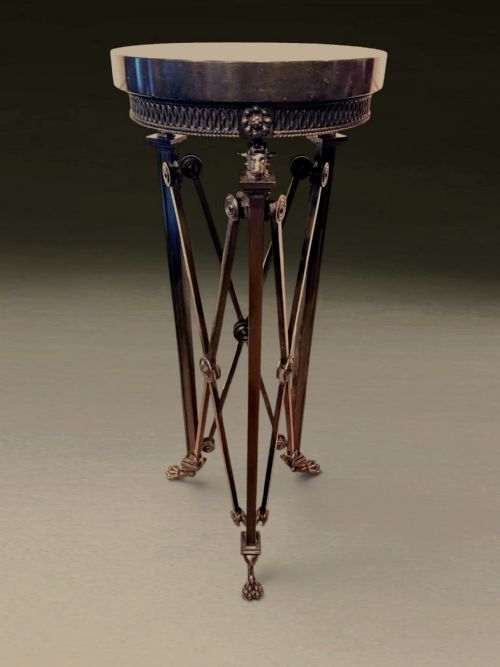
- A tall ornamental stand designed to carry a light or a display object. These slender supports often feature circular tops and elevated bases.
- Scagliola
- A composite material made from selenite, glue and pigments, resembling marble and other hard stones. Craftsmen apply this technique to create smooth, decorative columns and scagliola pedestals.
- Ormolu
- Gilt bronze ornamentation applied to furniture and decorative items. This technique involves coating bronze with a finely ground mercury and gold amalgam.
- Plinth
- The heavy base supporting a column or statue. It provides structural stability and grounds the architectural form.
- Neoclassical
- A style derived from classical architecture and art of ancient Greece and Rome. This aesthetic prioritises symmetry, proportion and classical orders.
Classical Plant Column: Frequently Asked Questions
How were classical plant columns used?
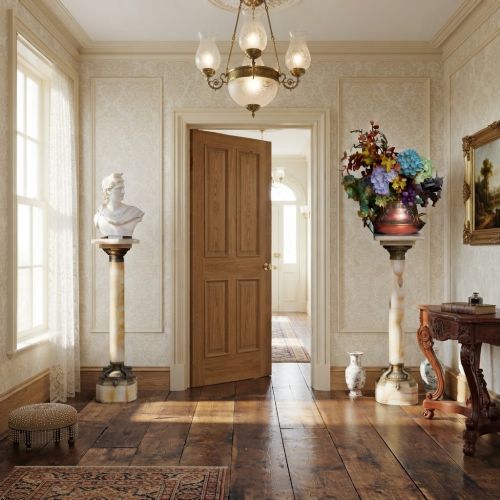
These pieces served to elevate sculptures, vases and potted plants, drawing the eye upward within domestic interiors. They placed decorative objects at an optimal viewing height.
In grand reception rooms and hallways, they acted as architectural punctuation points, dividing spaces while displaying prized possessions.
How do I date a wooden column?
Dating relies on timber selection, tool marks and prevailing aesthetic movements such as Regency or Victorian styling. Mahogany and satinwood often point towards earlier nineteenth-century production.
Surface treatments like grain painting or specific gilding techniques also offer chronological clues regarding manufacture.
Are these columns stable enough for heavy plants?
Stone and heavy timber columns generally provide substantial weight and a wide base for secure balance. Their structural integrity depends on the original construction and broad footings.
Checking the width of the base relative to the top helps confirm suitability for heavier loads.