





Classical Pillar Plinth
These classical pillar plinth examples elevate sculpture and art, bringing grand architectural weight into a room.
Classical Pillar Plinth
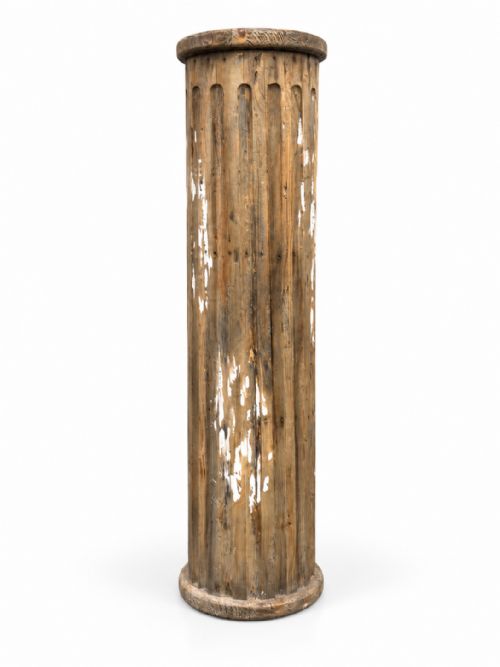
A classical pillar plinth serves as a structural display piece for sculpture, urns, and plants within a domestic interior. These items take the form of columns, pedestals, and plant stands rooted in neoclassical design.
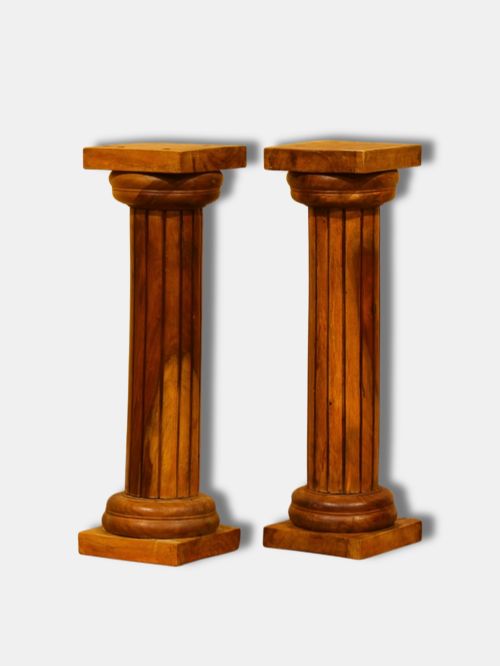
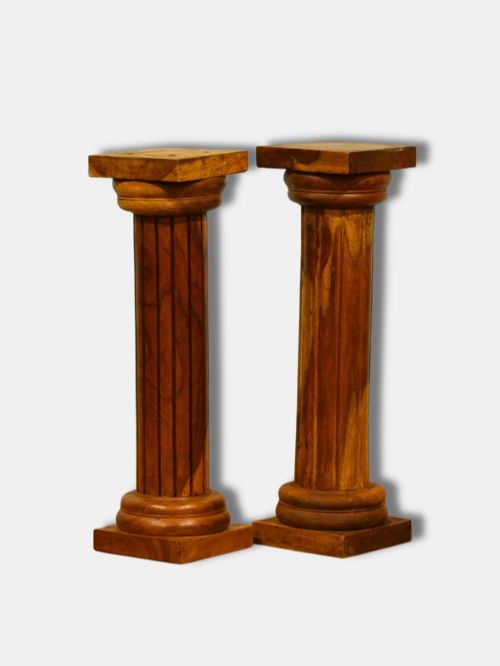
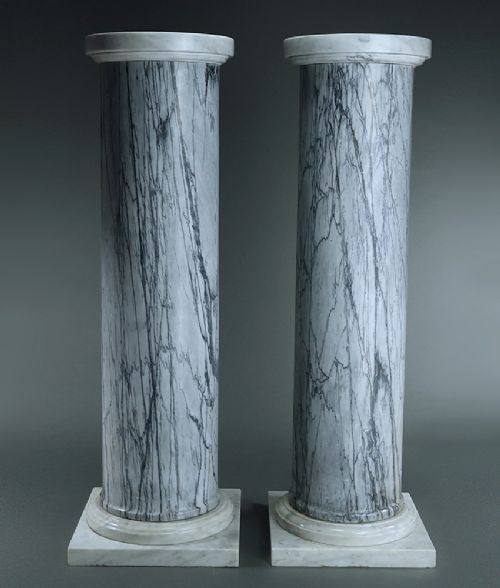
The pieces seen on this page span the Victorian era, the nineteenth century, and the early twentieth century. Common configurations include pairs of wooden column pedestals and single marble display pillars.
Origins stretch from Italy to France, taking shape as architectural salvage, carved wood stands, and Grand Tour souvenirs. Buyers encounter everything from spiral wooden pillars to tall stone columns.
How They Were Made
Makers utilised natural hard woods like mahogany and oak, often turning them on a lathe or carving intricate details by hand. Some wooden examples feature painted finishes or parcel gilding to mimic more costly materials.
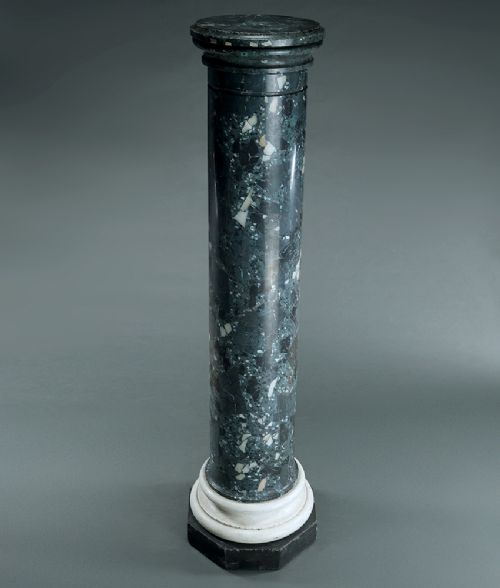
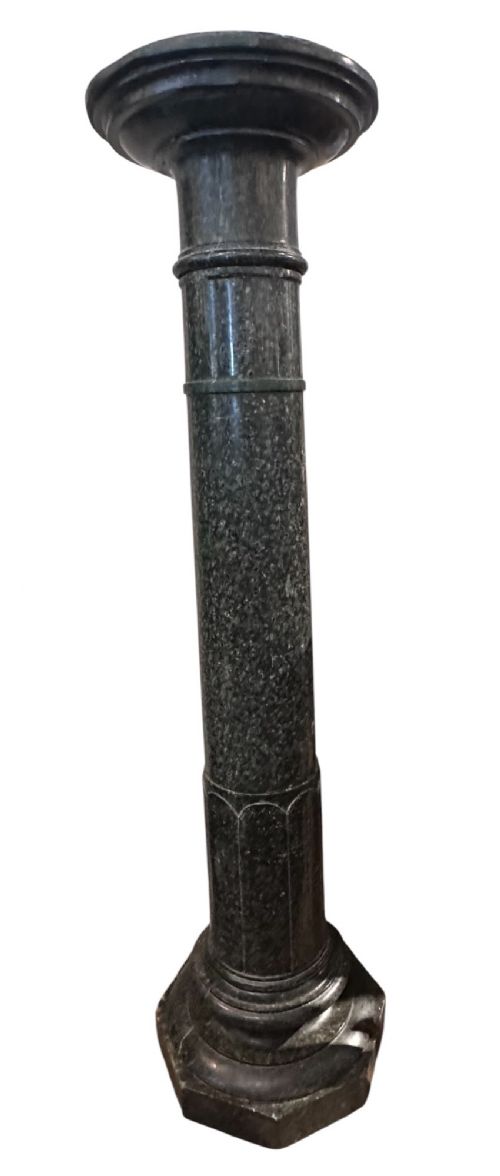
Masonry involves solid stones such as bardiglio, carrara, and arabescato marble, alongside carved alabaster and limestone capitals. Scagliola appears as a composite technique to simulate luxurious marbles like verde antico.
Surface treatments range from simulated marble paint effects on wood to polished natural stone surfaces. Plaster also appears as a sculptural medium for cast pedestals.
Classical Pillar Plinth Retail Price Guide 2026
Typical asking prices for classical pillar plinth among the pieces listed under this phrase on Sellingantiques today, from the lower quarter to the upper quarter. They describe what is for sale here now, not the wider market.
One exceptional nineteenth-century wooden pedestal conceals a secret compartment beneath its classical exterior.
What Varies in Quality
The distinction between tiers rests upon the choice of material and the depth of carving. Solid marbles and finely figured hardwoods command greater presence than painted plaster or softwood alternatives.
Proportion and architectural correctness dictate visual success in these structures. Pieces with well-defined capitals, balanced shafts, and stable bases show superior workshop execution.
Surface preservation affects the overall integrity of the object, whether dealing with the crispness of carved stone or the patination on aged wooden display columns.
The Classical Pillar Plinth Glossary
- Capital
- The topmost member of a column, providing a decorative transition to support the load above. Corinthian examples feature carved acanthus leaves.
- Scagliola
- A composite material made from pigmented selenite, glue, and plaster, applied to mimic genuine marble. Artisans polished this mixture to achieve a stone-like sheen.
- Bardiglio
- A grey Italian marble characterised by dark veining and cloud-like patterns. It frequently appears in nineteenth-century columns.
- Verde Antico
- A dark green serpentine marble flecked with white calcite veins. Craftsmen also replicated this appearance using decorated wood.
- Pedestal
- A structural support base that elevates a statue, urn, or plant stand. These supports take square, round, or columnar profiles.
Classical Pillar Plinth: Frequently Asked Questions
What is a classical pillar plinth used for?
These pieces function primarily as elevated platforms for displaying sculpture, large urns, or botanical specimens. They draw the eye upward and create distinct focal points within a room.
Historically, homeowners used them in hallways, libraries, and drawing rooms to showcase valuable art objects at eye level. Today, they serve the same architectural purpose in modern interiors.
How do I tell marble types apart?
Carrara marble typically displays a white or blue-grey ground with soft grey feathering. Bardiglio leans towards a darker grey palette with pronounced linear veining.
Verde Antico presents a deep green tone mottled with white markings. Alabaster offers a semi-translucent quality with softer stone density.
Are wooden pillars stable enough for heavy statues?
Hardwood and solid timber columns provide robust support for substantial decorative objects. Many nineteenth-century examples were engineered specifically to bear considerable weight.
Placement on level flooring ensures maximum stability for taller wooden display columns. Checking the base footprint helps determine load capacity.
How do I style a plinth in a room?
Placing a single column in an empty corner introduces verticality and architectural interest to an awkward space. Pairs of pedestals work well framing a doorway or fireplace.
Keeping the top surface uncluttered lets the materials and grain patterns speak for themselves. The object placed on top should balance the diameter of the column top.