



Classical Painted Furniture
Classical painted furniture brings architectural grace and subtle colour to a room through finely decorated surfaces on satinwood, pine, and mahogany.
Classical Painted Furniture
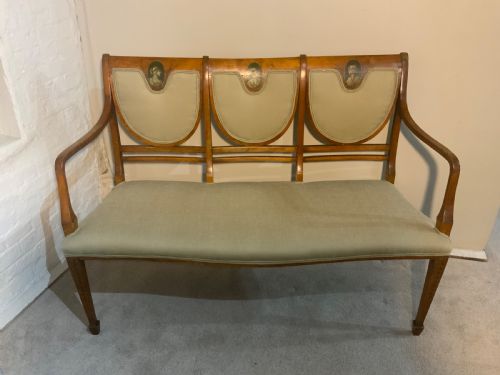
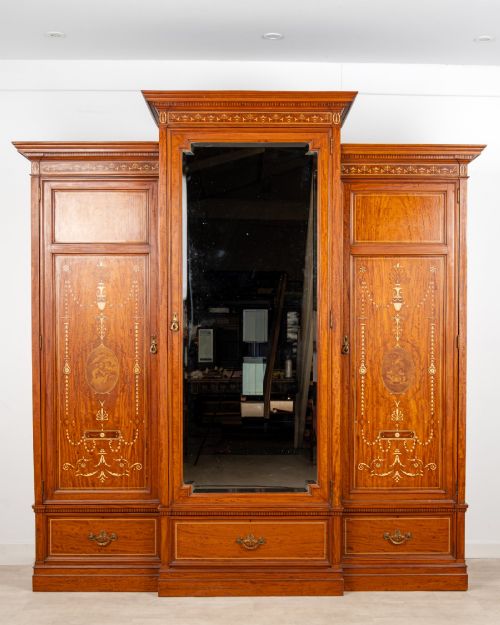
Classical painted furniture encompasses items built across the eighteenth, nineteenth, and early twentieth centuries, drawing on Italian neo-classical, Gustavian, Regency, and Sheraton styles. When buyers search for classical painted furniture, they find statement pieces ranging from console tables and side cabinets to writing desks, settees, and large wardrobes.
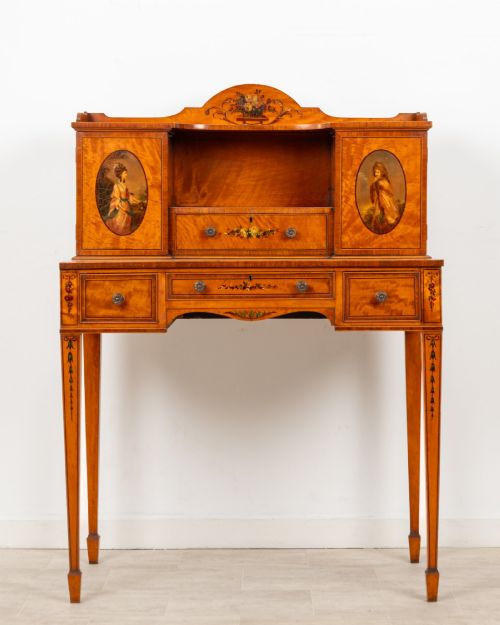
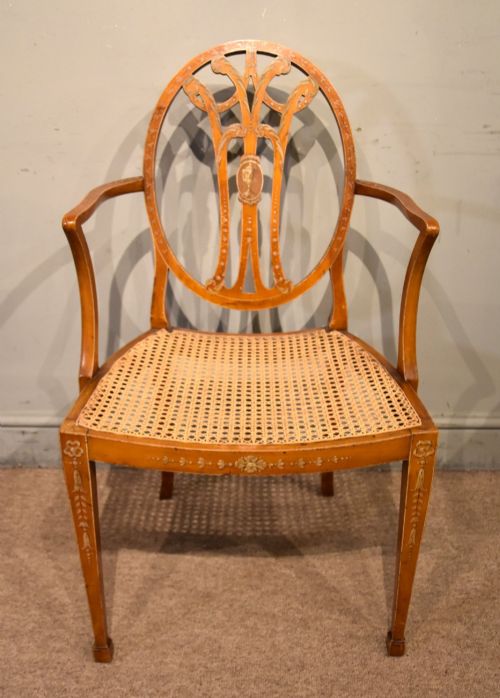
The pieces on this page lean heavily towards Edwardian and nineteenth-century interpretations of earlier designs, often utilising satinwood as a primary canvas. You will regularly encounter demi-lune commodes, card tables, and bureau desks featuring hand-painted panels and decorative motifs alongside simpler architectural bookcases and corner cabinets.
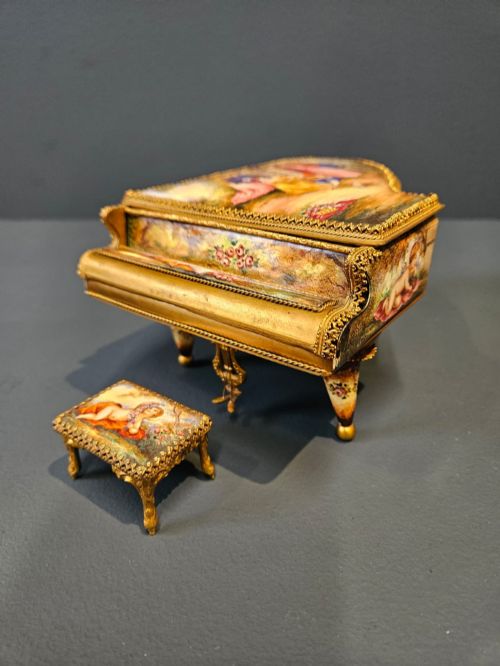
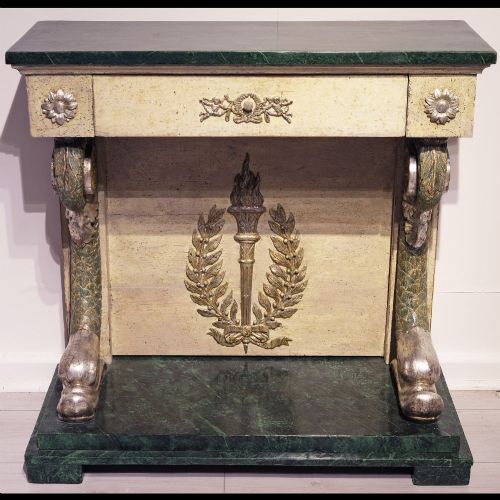
Origins span across English workshops, French studios, Italian makers, and Austrian craft traditions, reflecting a broad European appetite for classical ornamentation. Whether dealing with a Gustavian console or a Sheraton Revival cabinet, each piece combines structural cabinetry with illustrative surface art.
What varies in quality
Quality rests heavily on the execution of the painted panels and the finesse of the underlying joinery, separating hurried commercial production from master workshops. Finer examples display crisp brushwork, balanced composition in their neo-classical scenes, and precise inlay work around the borders.
Materials also dictate the tier of the piece, with choice cuts of figured satinwood, genuine marble tops, and heavy cast brass or ormolu mounts elevating the object. The integrity of the structural carcase, whether pine, mahogany, or walnut, ensures the piece remains sound beneath its decorative skin.
Listings feature items spanning the eighteenth century through to the 1930s, showcasing materials like satinwood, marble, brass, and painted wood across diverse forms.
Kaufman
The Classical Painted Furniture Glossary
- Satinwood
- A hard, yellow-brown timber with a natural sheen that serves as the ideal smooth ground for painted decoration. It became particularly favoured during the eighteenth and nineteenth centuries for high-status cabinetry.
- Demi-Lune
- A half-moon shape commonly used for commodes, side cabinets, and card tables designed to sit flush against a wall. This form allows the painted top and front panels to display their decorative motifs cleanly.
- Gustavian
- The Swedish interpretation of French neo-classical design, known for lighter, brighter painted finishes and restrained carving. Pieces from this tradition favour pale tones and functional elegance.
- Ormolu
- Gilded bronze used for decorative mounts, feet, and hardware on fine furniture. It adds a metallic richness that frames the painted panels and timber surfaces.
Classical Painted Furniture: Frequently Asked Questions
How do I clean painted furniture?
Dust surfaces gently with a soft, dry cloth to prevent accumulation of grit. Avoid harsh chemical cleaners or excess moisture, which can damage the historic paint layers.
Keep pieces away from direct sunlight and fluctuating heat sources to protect the timber carcase and prevent the painted panels from cracking or fading over time.
Where should I place a console table?
Console tables sit naturally in hallways, living rooms, or dining spaces where their decorative tops and painted fronts remain visible. Pairing them with a mirror creates a traditional focal point.
Ensure the floor is level so the piece rests evenly without placing undue strain on its joints and delicate painted legs.
Can I use an antique desk for daily writing?
Many writing desks and bureau cabinets from the nineteenth and early twentieth centuries remain fully functional for modern writing tasks. Use a protective blotter to safeguard the painted or polished writing surface from ink and scratches.
Check the height and knee clearance of older desks, as nineteenth-century seating ergonomics often differ slightly from contemporary standards.
How do I identify a Sheraton Revival piece?
Sheraton Revival pieces date mostly to the late nineteenth and early twentieth centuries, copying the lighter proportions and classical motifs of eighteenth-century designer Thomas Sheraton. Look for satinwood veneers, painted floral swags, tapering legs, and delicate stringing.
Examine the secondary woods and construction hardware, as these later revivals often reveal nineteenth-century manufacturing techniques beneath their neo-classical styling.