



Classical Ormolu Clock
A classical ormolu clock brings French neoclassical elegance and golden warmth to a mantelpiece, driven by precision mechanics and gilt bronze.
Classical Ormolu Clock
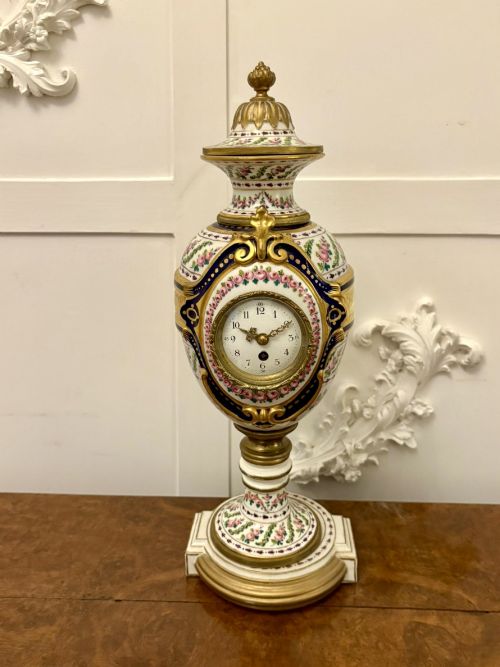
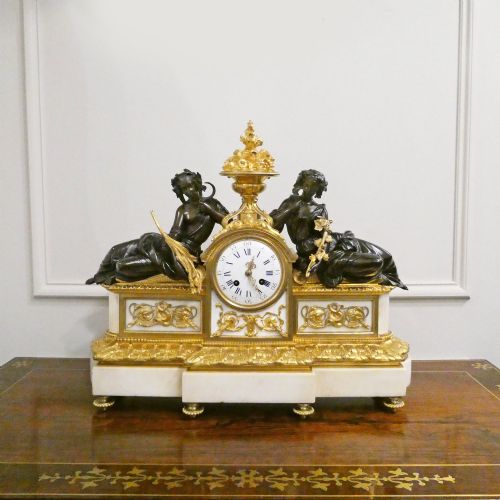
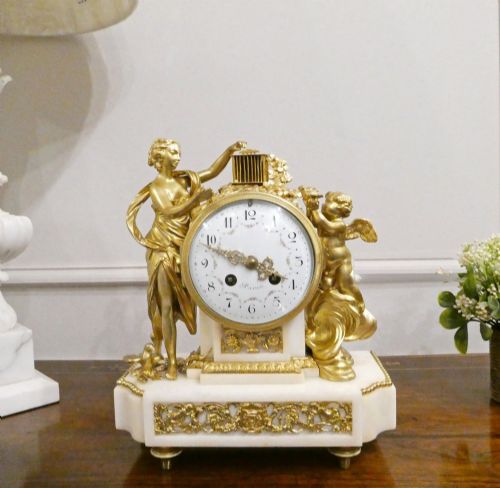
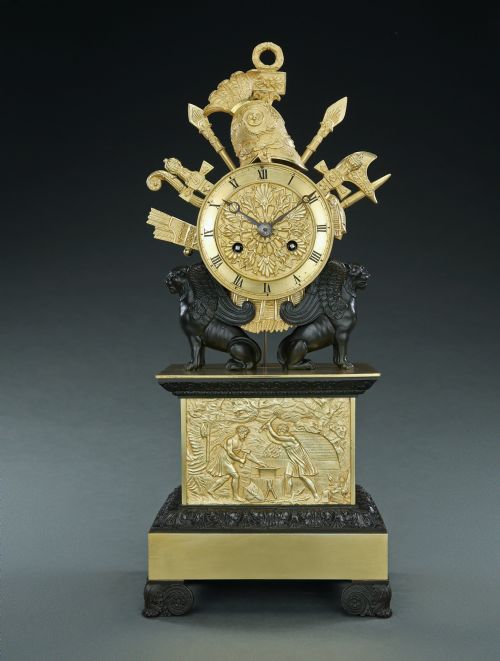
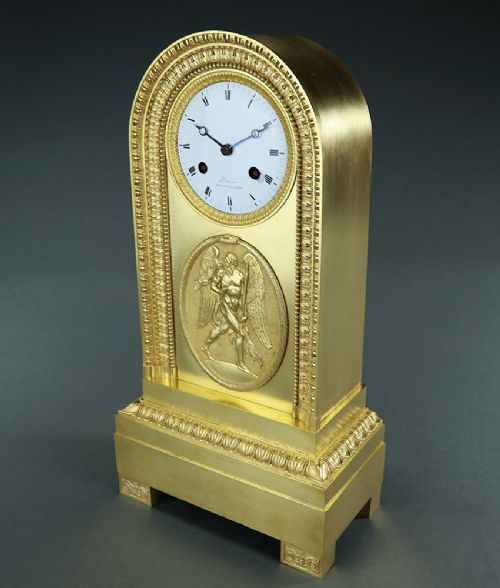
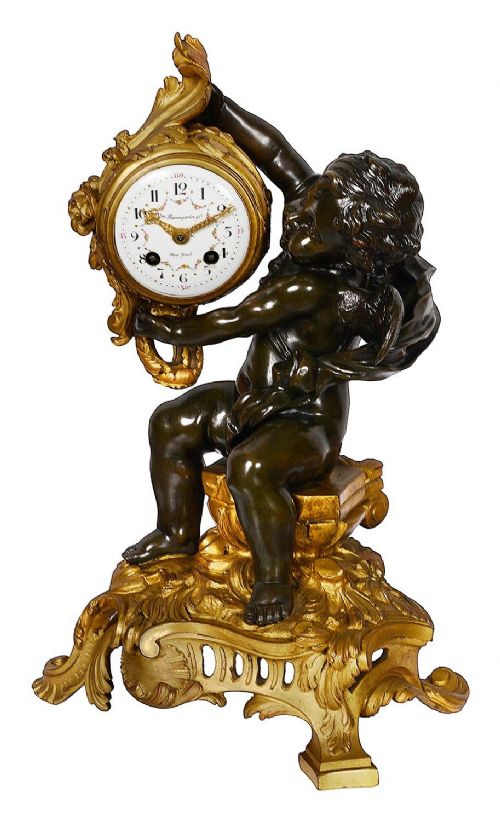
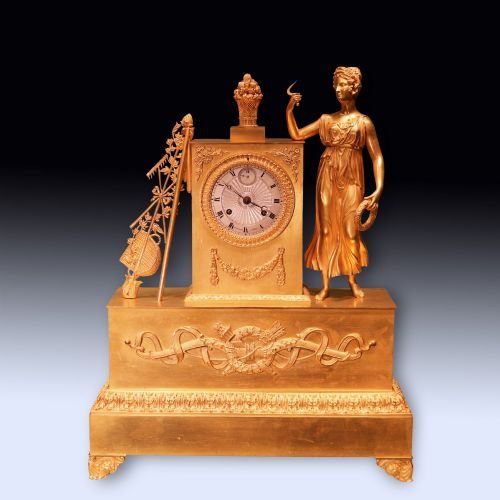
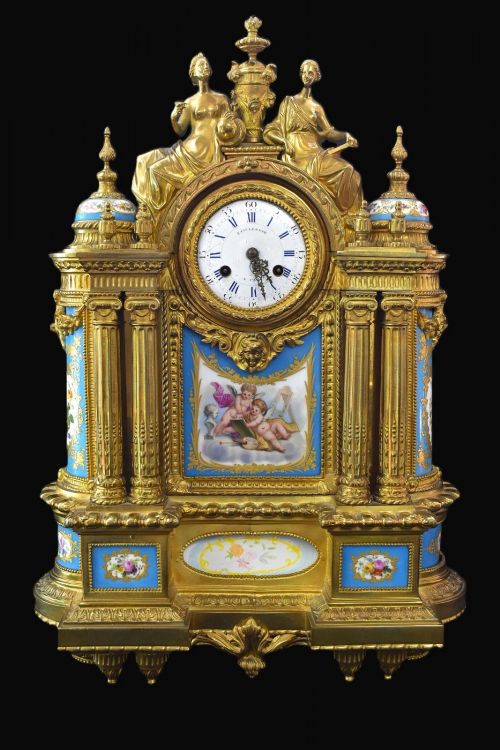
A classical ormolu clock combines architectural gilt bronze cases with mechanical movements, predominantly originating from nineteenth-century France during the Empire, Louis XVI Revival, and Napoleon III periods. These pieces take the form of mantel clocks, portico clocks, wall cartels, and elaborate garniture sets accompanied by side vases or candelabra.
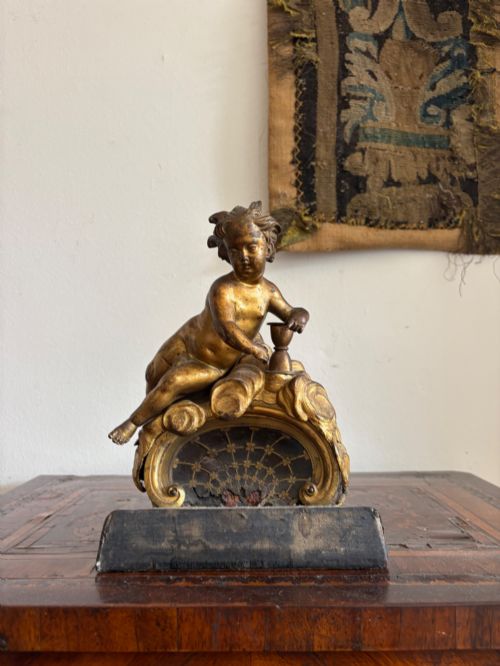
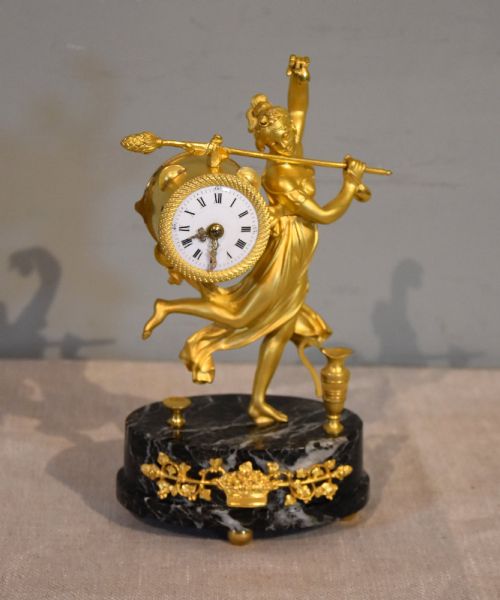
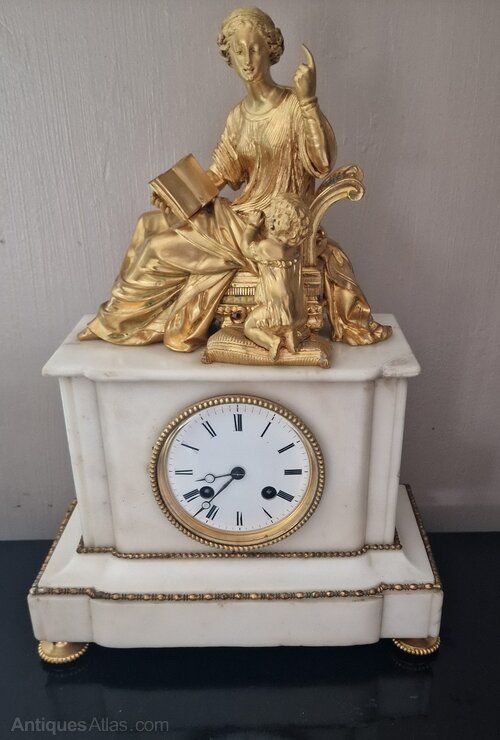
Buyers encountering this phrase most frequently meet mantel clocks featuring marble bases, enamel dials, and figural or architectural mounts. The designs draw heavily on classical motifs such as putti, urns, trophies of war, and celestial allegories.
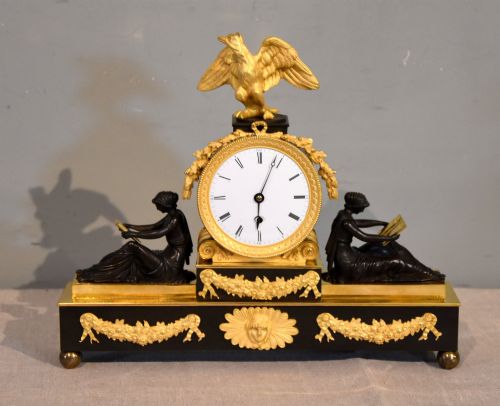
English Regency variants also appear alongside the dominant French works, demonstrating a distinct local interpretation of brass and gilt bronze timepiece construction.
Materials and Technique
The construction relies on cast bronze treated with mercury gilding or modern electroplating to achieve the signature golden ormolu surface, paired with contrasting patinated bronze or natural stone bodies like white and green marble.
Clockmakers integrated enamel dials, cut crystal, and Sevres porcelain panels into the metal frameworks, housing mechanical brass movements driven by springs or weights.
Cases incorporate hand-chased ornamentation, where skilled metalworkers refined the cast bronze details using small punches and chisels before assembly.
Some timepieces feature delicate pairs of sculpted bronze doves perched atop the case, quietly watching the hours pass.
Indicators of Excellence
Quality separates through the crispness of the bronze chasing and the depth of the fire gilding, where superior examples exhibit sharp relief and rich, warm lustre rather than flat or brassy surfaces.
The sophistication of the movement and the integration of signature maker details on the dial or backplate elevate an example, alongside the matching integrity of original garniture elements and marble plinths.
Vincenti·Canaillor of Paris·Etienne Lenoir·Japy Freres·Berger·Pons De Paul·A.D Mougin
The Classical Ormolu Clock Glossary
- Ormolu
- A method of applying finely ground gold-mercury amalgam to bronze, or the resulting golden surface finish. This technique creates the durable, warm metallic sheen characteristic of classical decorative metalwork.
- Garniture
- A set of matched ornamental objects designed to be displayed together, typically comprising a central clock flanked by matching urns, vases, or candelabra. These matched ensembles unified nineteenth-century interior mantelpiece decoration.
- Portico Clock
- A clock featuring a architectural case supported by four columns, often housing a suspended pendulum swinging within the central void. Charles X examples frequently utilise this balanced structural layout.
- Cartel Clock
- A wall-mounted clock housed within an ornate frame of scrolled bronze or carved wood. These decorative timepieces were designed to hang securely from domestic wall fixtures.
- Finial
- A decorative ornament fixed to the topmost point of a clock case or urn. Finials frequently take the form of sculpted flames, pinecones, or figural motifs.
Classical Ormolu Clock: Frequently Asked Questions
What is a classical ormolu clock?
These timepieces are decorative mechanical clocks housed in gilded bronze cases, created primarily in nineteenth-century France and Regency England. They combine timekeeping utility with sculptural artwork reflecting classical motifs.
Craftsmen utilised cast bronze, marble, porcelain, and enamel to build elaborate mantel and wall pieces that served as centrepieces for formal rooms.
How do garniture sets function?
A garniture set uses a central clock flanked by matching decorative objects like urns or candelabra to create a balanced mantel display. The side pieces echo the materials and decorative style of the main clock.
This arrangement allowed nineteenth-century decorators to achieve symmetrical visual weight across a fireplace surround or console table.
How should I clean ormolu?
Ormolu requires gentle dusting with a soft, dry brush to prevent the accumulation of dirt in the chased recesses of the bronze. Avoid harsh chemical cleaners or abrasive cloths that can strip the delicate gold surface.
Preserving the original gilt layer maintains both the visual warmth and the historical integrity of the metalwork.
How do I identify French Empire style?
French Empire pieces display strict symmetry, military trophies, classical deities, and architectural dignity inspired by ancient Rome and Greece. The bronze work often contrasts polished ormolu with dark patinated bronze elements.
Markings on the movement backplate or dial frequently point to Parisian workshops active during the early nineteenth century.