



![Pen and Ink Sketch - Female Nudes by William Edward Frost [1810-1877]](https://www.sellingantiques.co.uk/photosnew/dealer_kendallhouse/dealer_kendallhouse_full_1758970795762-8493507346.jpg)


Classical Mythology Artwork
Classical mythology artwork brings figures from ancient Greek and Roman tales into your home through historic paintings, prints and engravings.
Classical Mythology Artwork
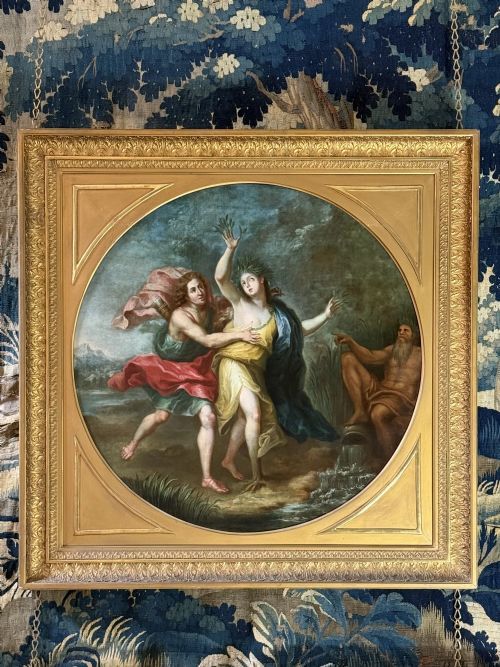
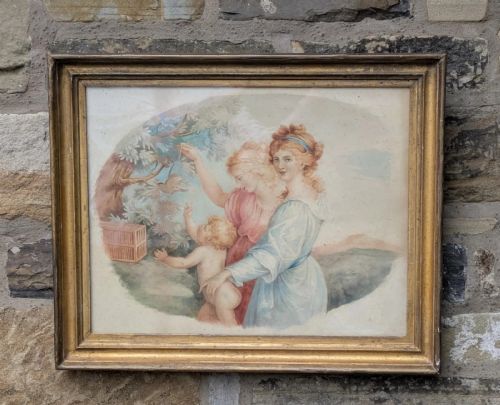
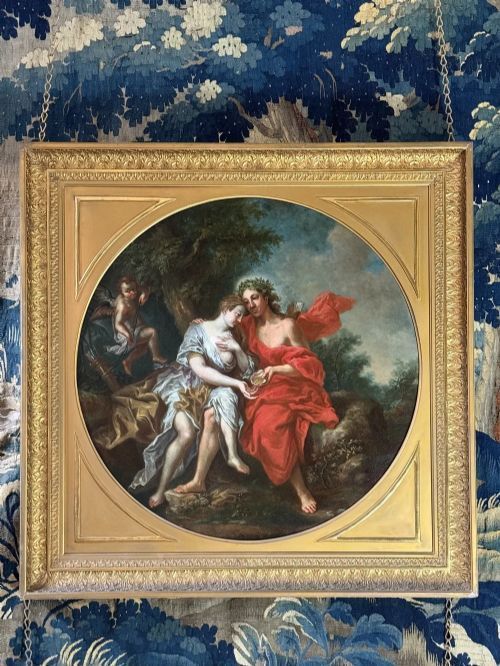
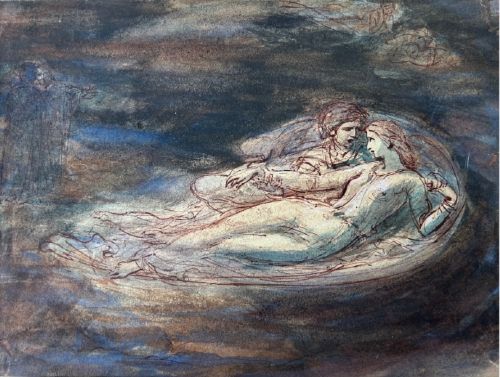
Classical mythology artwork comprises oil paintings, watercolours, etchings and engravings depicting gods, goddesses and scenes from antiquity. These pieces draw on stories from Homer, Ovid and classical drama, translating heroic and pastoral narratives into visual form. They span centuries of European production, reflecting changing tastes in decorative arts.
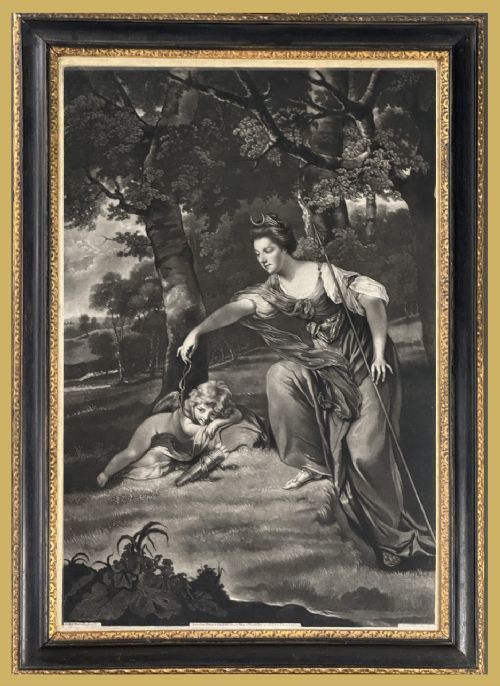
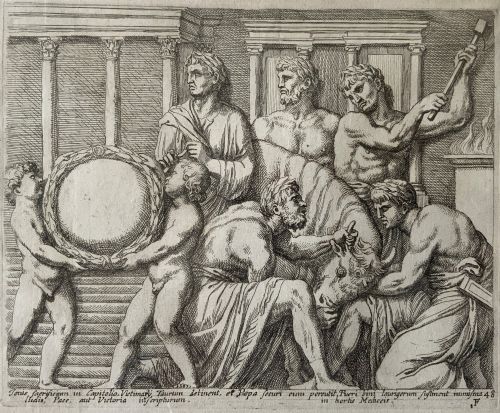
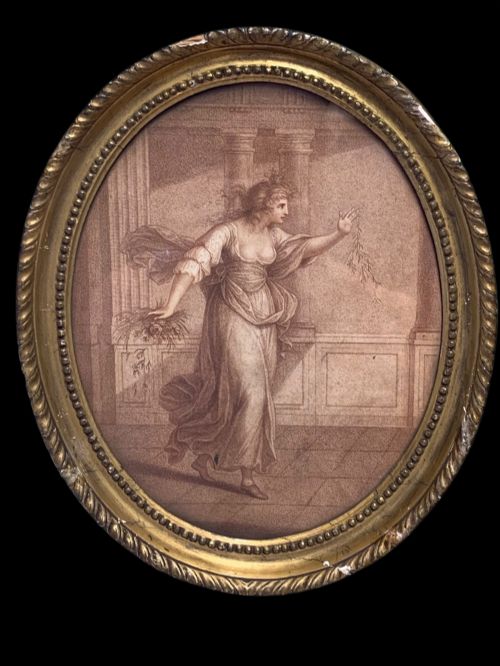
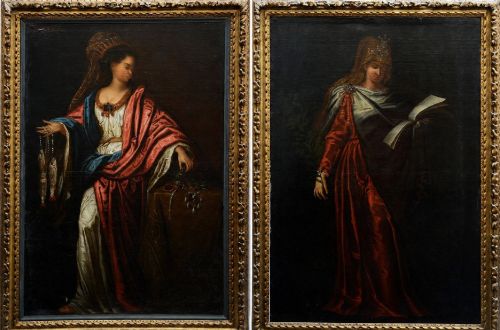
The most common examples encountered on this page date from the seventeenth, eighteenth and nineteenth centuries. Buyers frequently find framed prints, stipple engravings and oil paintings executed in neoclassical, baroque and pre-raphaelite styles. Subjects range from large allegorical oil canvases to detailed architectural plates recording classical antiquities.
Originating across British and continental European schools, these works capture enduring motifs such as Apollo, Venus, Diana and mythological beasts. They offer a direct connection to historic academic training and grand tour collections, serving as focal points for traditional interiors.
How they were made
Makers utilised oil paint on canvas or wood panels, alongside ink and wash on paper, to build up rich figurative compositions. Engravings and etchings were painstakingly worked onto metal plates before being pressed onto paper sheets, frequently housed within period wooden or giltwood frames.
Paper works often relied on delicate stipple techniques or chromolithography to achieve subtle tonal gradations and colour depth. Oil paintings combined layered glazes with spirited brushwork, reflecting the academic methods taught in European studios.
Classical Mythology Artwork Retail Price Guide 2026
Typical asking prices for classical mythology artwork among the pieces listed under this phrase on Sellingantiques today, from the lower quarter to the upper quarter. They describe what is for sale here now, not the wider market.
The listings span the seventeenth to the twentieth centuries, utilising oil, ink, paper, and giltwood across neoclassical and baroque styles.
What varies in quality
Quality rests upon the precision of the draughtsmanship and the expressive capability of the line or brushstroke. Master works display confident anatomy and dynamic composition, whereas lesser examples show stiff figures and mechanical execution.
The choice of materials and the integrity of the framing contribute significantly to a piece's standing. Original period frames and fine early impressions on quality laid paper command greater appreciation than later restrikes or heavily restored canvases.
Charles Antoine Coypel·François Perrier·Margaret Maitland Howard·André Charles Voillemot·Antoine Calbet·John Flaxman·Jean Baptiste Isabey·William Edward Frost·Arthur Hacker·Francesco Albani·Peter Paul Rubens·Andrea Mantegna·Edward Rooker·James Basire
The Classical Mythology Artwork Glossary
- Mezzotint
- A printmaking process of the intaglio family where the plate is roughened to produce dark tones and smooth areas create highlights. This technique allows for rich tonal variations and soft gradations.
- Stipple engraving
- A method of producing prints by means of dots rather than lines, creating subtle shifts in shadow and light. It was widely utilised during the eighteenth century for reproducing classical subjects.
- Etching
- A printmaking technique where acid cuts into unprotected parts of a metal plate to hold the ink. Artists use this method to achieve fine, expressive lines.
- Neoclassical
- A Western cultural movement drawing inspiration from the art and culture of classical antiquity. It prioritises restraint, linear precision and heroic subject matter.
- Chromolithography
- A planographic colour printing process using multiple stone plates for each hue. It enabled the faithful reproduction of painted artworks on paper during the later periods.
Classical Mythology Artwork: Frequently Asked Questions
What subjects do these artworks show?
These pieces depict scenes from Greek and Roman mythology, including figures like Apollo, Venus, Diana and various architectural antiquities. Artists drew inspiration from classical literature and archaeological discoveries.
Subjects range from intimate pastoral sketches of nymphs and satyrs to grand narrative oil paintings depicting heroic legends and divine interactions.
How should I display these pieces?
Historic frames, particularly original giltwood or walnut examples, complement the classical subject matter and protect the edges of the canvas or paper. Consider lighting conditions to prevent fading on delicate works on paper.
Pairing engravings or oil paintings with traditional interiors or library spaces enhances their historical character and visual impact.
How do I identify the period of an engraving?
Examine the paper type, plate marks and typographic details around the margins, which often indicate the publication date and publisher. Eighteenth-century plates frequently display distinct plate impressions and watermarks on laid paper.
Stylistic cues within the depicted architecture and costume also offer clear indicators of whether an engraving stems from the seventeenth, eighteenth or nineteenth century.
What is the difference between an etching and an engraving?
An etching relies on acid to bite lines into a metal plate, resulting in a freer, more fluid line created by the artist. Engravings are cut directly into the metal using a sharp tool called a burin, producing clean and precise strokes.
Both techniques were heavily employed by classical artists to disseminate mythological scenes across Europe before the advent of modern photography.