
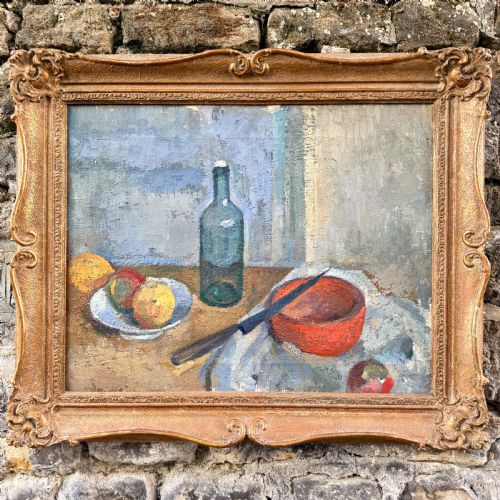
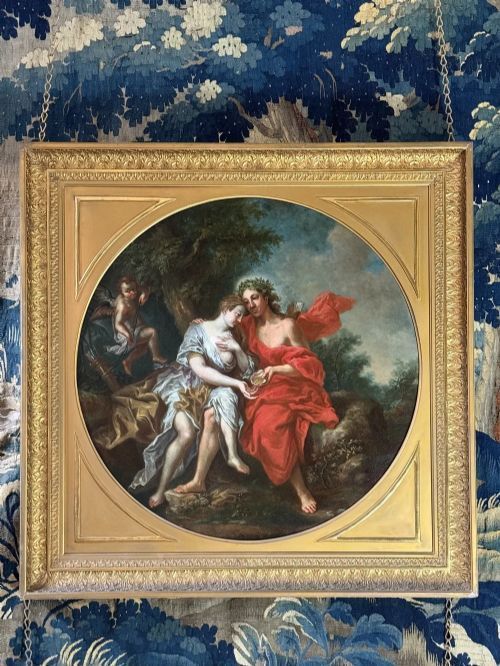
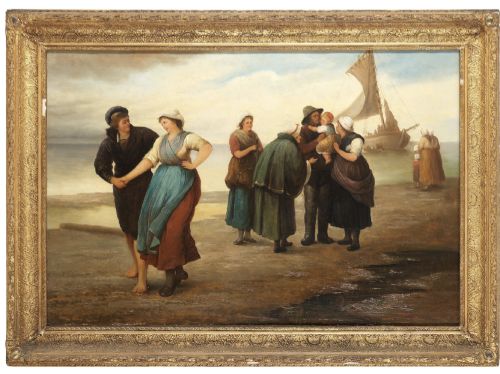
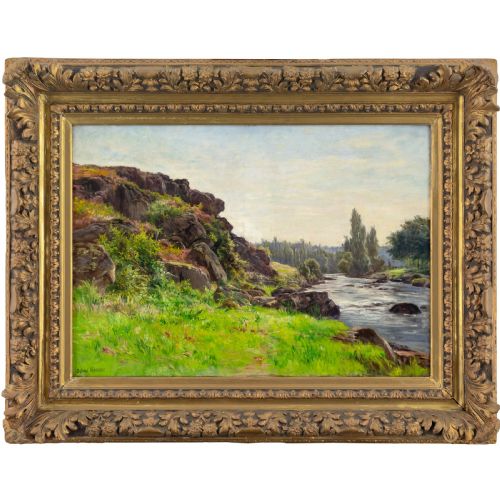
Framed French Oil Painting
When you search for a framed french oil painting, you find centuries of portraits, landscapes, and pastoral scenes set in decorative wooden surrounds.
Framed French Oil Painting
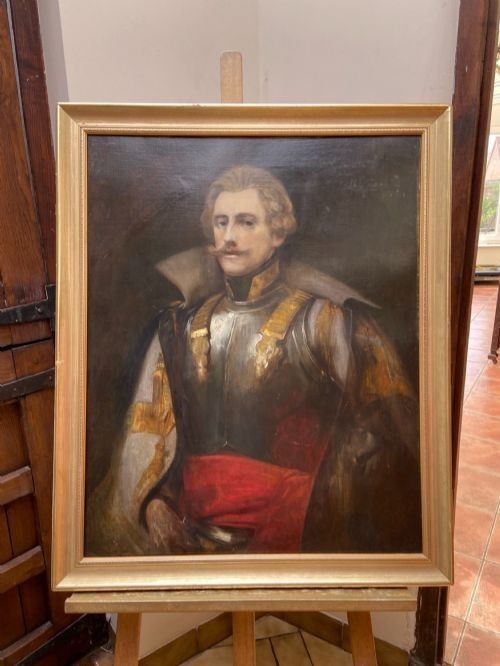
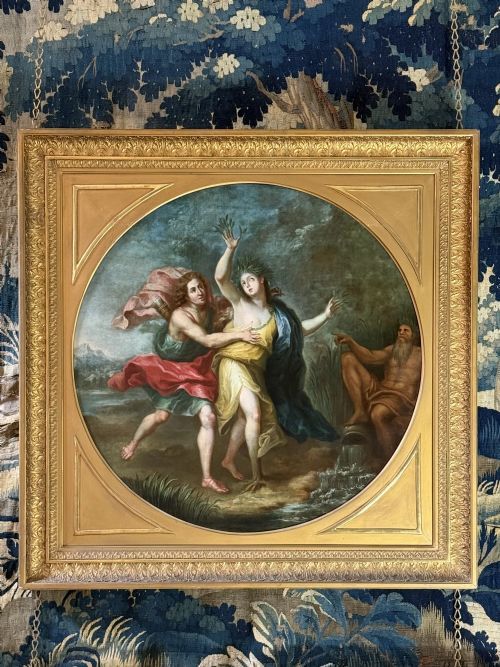
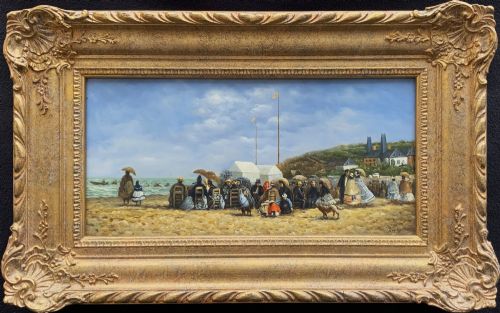
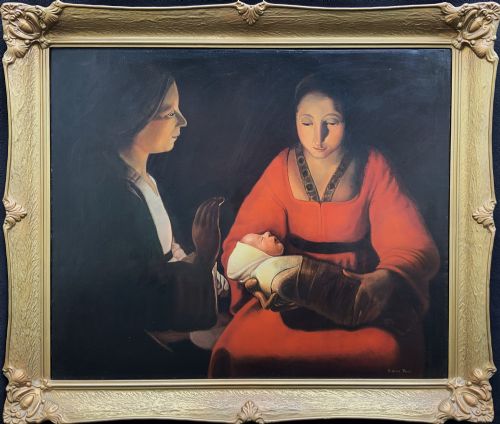
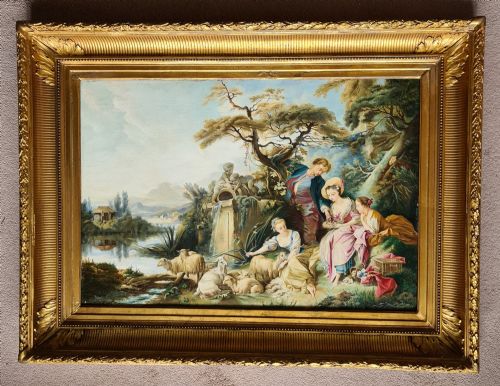
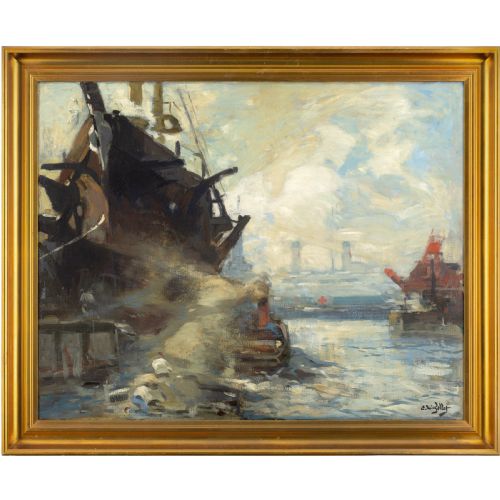
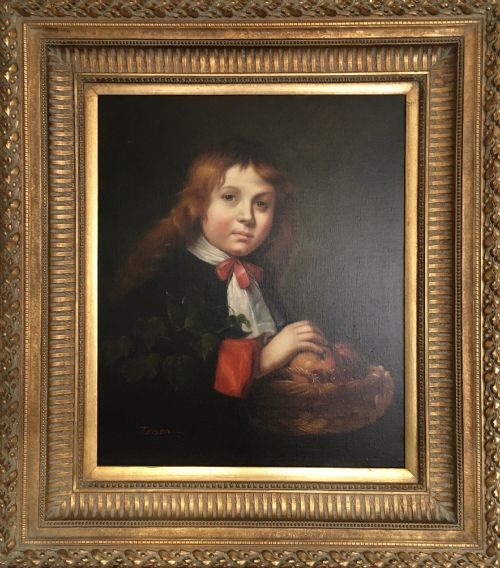
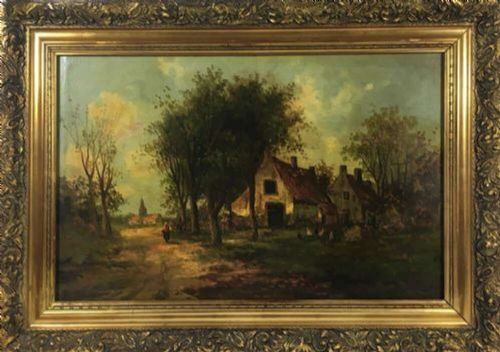
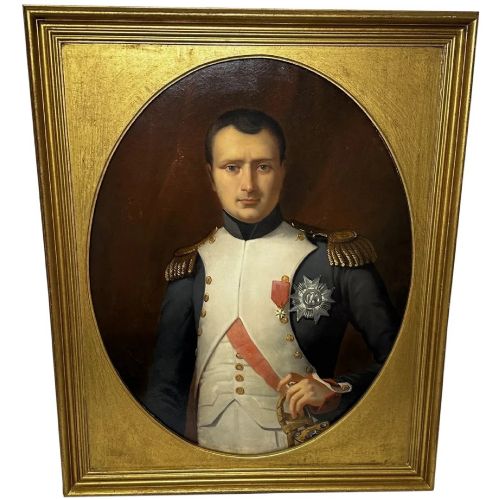
A framed french oil painting spans portraiture, landscapes, and maritime scenes originating from the seventeenth century through to the mid twentieth century. Buyers seeking a framed french oil painting encounter classical portraits of officers and judges alongside Barbizon school farmyard landscapes and impressionist cityscapes. Many works depict pastoral narratives, still lifes, and coastal views attributed to named artists or regional French schools.
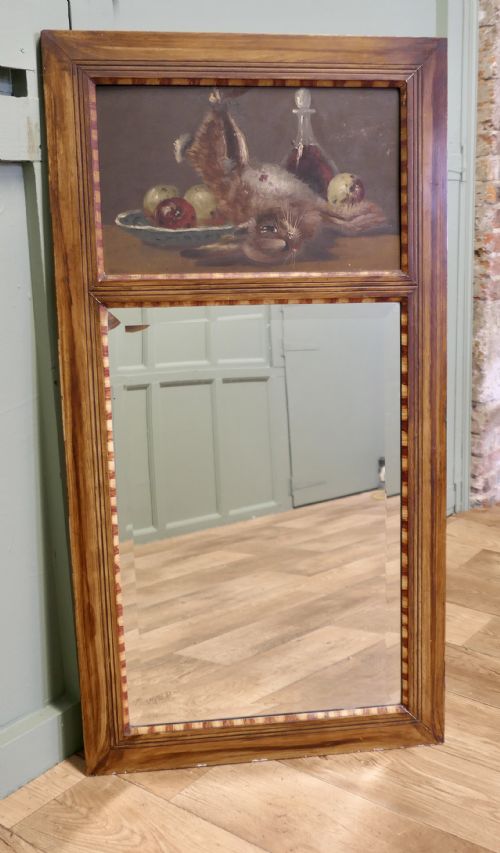
The physical format frequently combines the canvas painting with an integral wall mount, such as a tall country trumeau pier mirror containing a pastoral oil painting above the glass. These items function simultaneously as fine art and decorative wall furnishings. The selection encompasses works ranging from small seventeenth century panels to large twentieth century Paris street views.
Materials and construction methods
These works are executed in oil paint upon stretched canvas or wooden panel supports, utilising traditional brushwork techniques. The physical substance of the oil medium allows for layered application, visible impasto texture, and nuanced colour blending across centuries of French painting traditions.
The surrounds are constructed from wood, frequently enhanced with gesso and gilt finishes to create ornate frames or architectural trumeau mirror panels. Gilding and carved wooden mouldings enclose the canvas, forming a unified decorative object designed for domestic display.
Framed French Oil Painting Retail Price Guide 2026
Typical asking prices for framed french oil painting among the pieces listed under this phrase on Sellingantiques today, from the lower quarter to the upper quarter. They describe what is for sale here now, not the wider market.
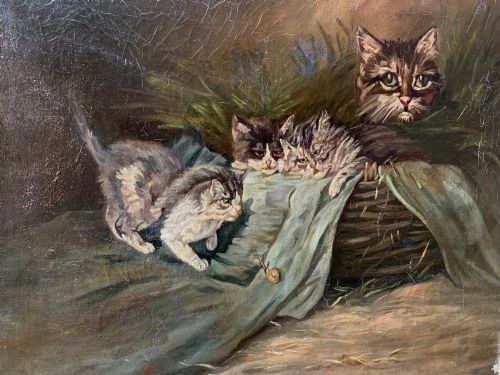
Cats, kittens, and loyal dogs frequently share the canvas with French judges, military officers, and sailors across the centuries.
Factors distinguishing individual examples
Quality resides in the precision of the brushwork, the anatomical or spatial accuracy of the composition, and the expressive depth of the portraiture or landscape. Works by documented academic painters or recognised circles exhibit superior draughtsmanship compared to anonymous provincial school pieces.
The preservation of the original canvas, the subtlety of the pigment layering, and the integrity of the period gilt wood frame contribute to the overall standard of an example. Patina on the surface and the harmonious relationship between the painting and its original mount distinguish finer pieces.
CHARLES-ANTOINE COYPEL·Eugène-Louis Gillot·Edouard Pingret·Arthur Gué·Paul Désiré Trouillebert
The Framed French Oil Painting Glossary
- Trumeau
- A decorative wall mirror or panel featuring an oil painting set into the upper section above the glass plate. This form was widely used in French interiors from the eighteenth century onwards.
- Gesso
- A plaster mixture applied to wood frames as a smooth base before gilding or painting. It allows for intricate carved relief details around the edge of the canvas.
- Barbizon School
- A nineteenth-century French movement focused on realistic landscape painting en plein air. Practitioners painted rural farmyards and forests directly from nature.
- Giltwood
- Wood carved and coated with gold leaf or metallic powder to create a lustrous decorative surface. It provides the ornate border for many classical and impressionist canvases.
Framed French Oil Painting: Frequently Asked Questions
How do I date a French oil painting?
Dating relies on stylistic evidence, costume details in portraits, and the physical construction of the canvas and stretcher frame. Signatures, inscriptions on the reverse, and the framing style also provide chronological markers.
Comparing the brushwork technique to established periods like the eighteenth-century French Rococo or nineteenth-century impressionism helps narrow the decade of creation.
What is a trumeau mirror?
A trumeau mirror is an architectural wall fixture combining a vertical glass mirror plate with an integrated oil painting set into the wooden frame above. These pieces originated in grand French interiors.
The upper artwork typically depicts a pastoral, coastal, or romantic scene matching the decorative scheme of the room where it hung.
How should I hang an oil painting?
Hang oil paintings away from direct sunlight and fluctuating heat sources to protect the canvas support and oil pigments from cracking. Secure fixings must match the substantial weight of wood and gilt frames.
Ensure the wall brackets are rated to hold the combined weight of the heavy wooden structure and canvas safely.
What is the Barbizon school?
The Barbizon school refers to a collective of French landscape painters working near the forest of Fontainebleau during the nineteenth century. They championed naturalistic representations of rural life and terrain.
Their focus on atmospheric lighting and unidealized farmyard scenes influenced the development of later impressionist landscape painting.