



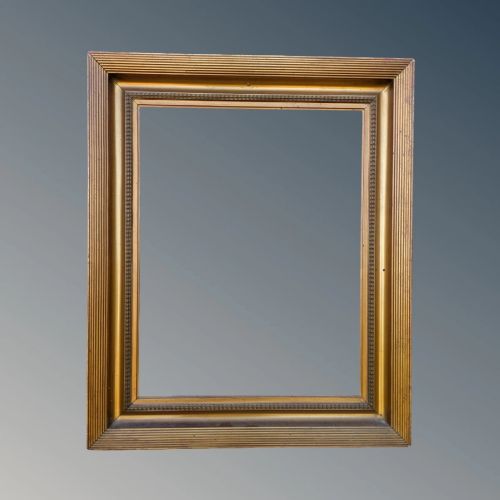
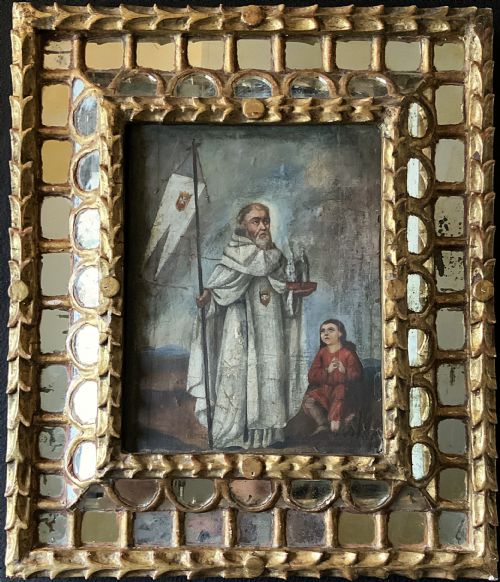
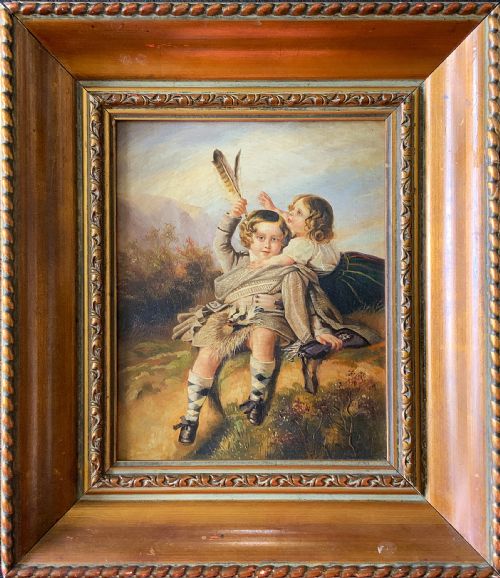
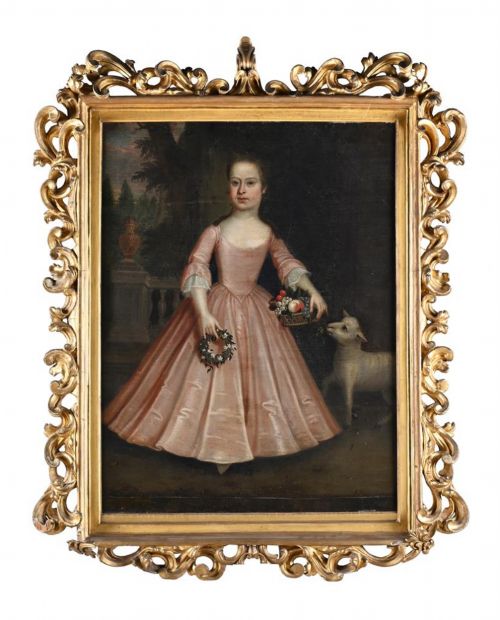

Carved Gilt Framed Artwork
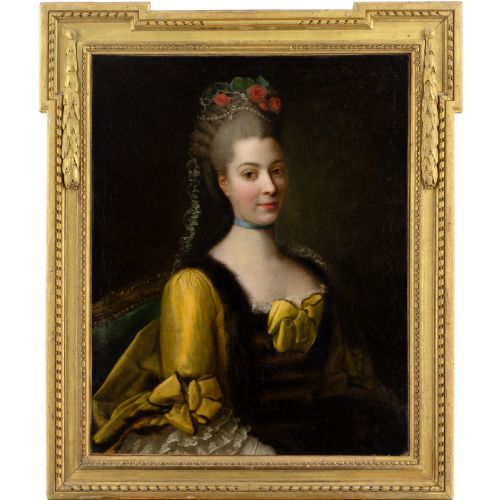
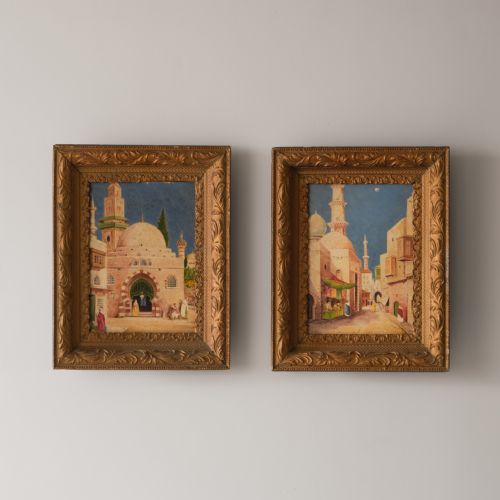
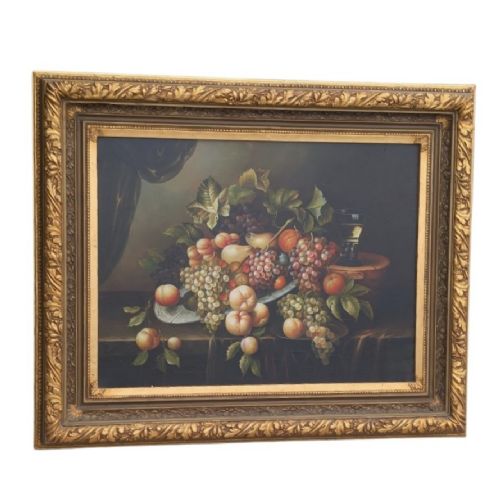
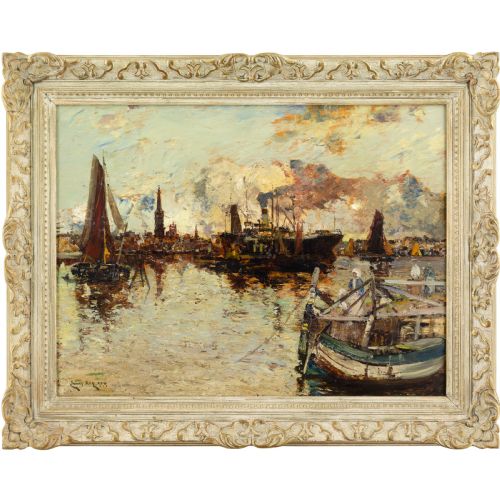
These carved gilt framed artwork pieces unite oil paintings and panels with period wooden surrounds, offering centuries of portraiture and landscape for the collector.
Carved Gilt Framed Artwork
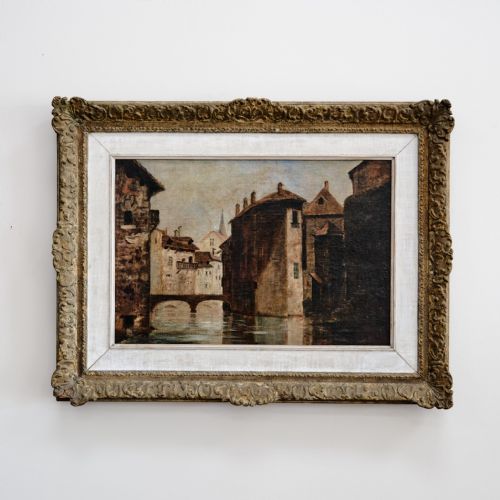
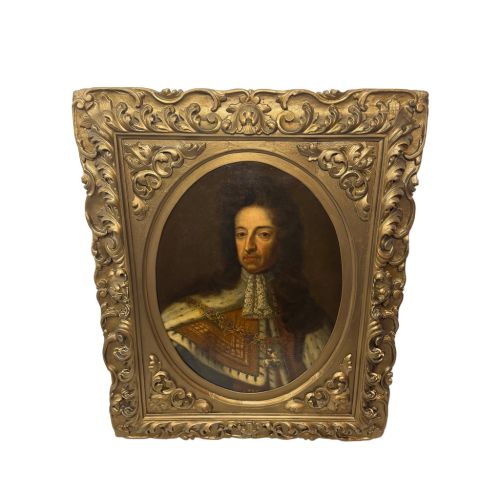
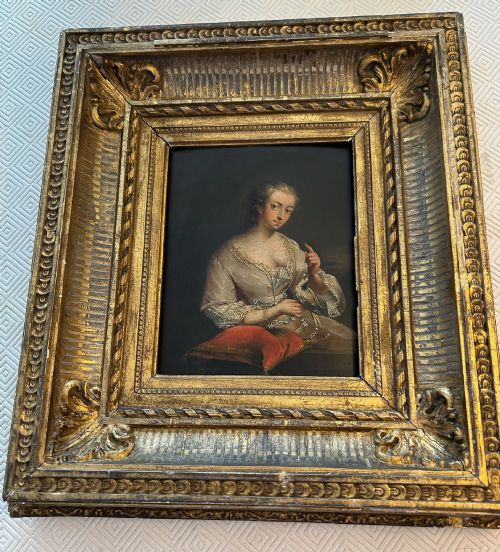
When you search for carved gilt framed artwork, you encounter historical oil paintings and fine art panels paired with ornate wooden surrounds. The selection spans centuries of portraiture, landscapes, and still life works.
The most common examples on this page comprise 17th-, 18th-, and 19th-century oil on canvas portraits alongside Victorian and later decorative frames. These works originate from various European schools including French, Italian, and Dutch workshops.
How they were made
Makers constructed the supports using wood panels, oak, and canvas, applying oil paint and occasionally gold leaf and gesso for the decorative surfaces. Artisans carved the wooden frames by hand, laying down preparatory layers before applying gilding.
Painters utilised oil on canvas or wood to build up rich tones, while frame makers employed traditional joinery and carving techniques to shape intricate mouldings and slip liners.
Carved Gilt Framed Artwork Retail Price Guide 2026
Typical asking prices for carved gilt framed artwork among the pieces listed under this phrase on Sellingantiques today, from the lower quarter to the upper quarter. They describe what is for sale here now, not the wider market.
Listings include oil paintings, canvas supports, wood panels, and gilt wood frames spanning the seventeenth to twentieth centuries.
What varies in quality
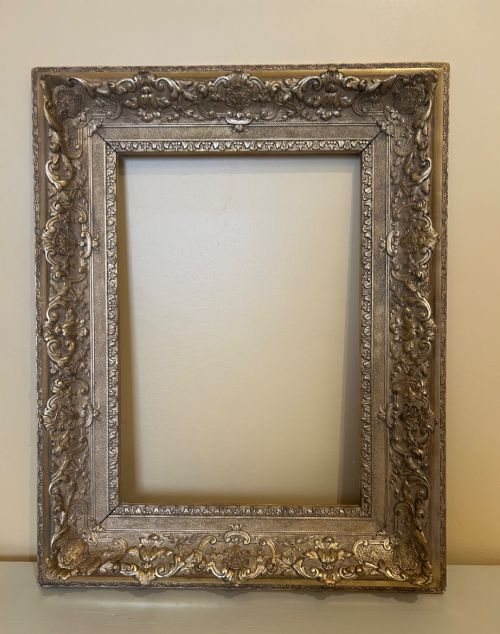
The depth and intricacy of hand carving on the wooden frames separate simpler mouldings from elaborate Baroque or Renaissance Revival examples. Crisp detail in the gesso and the preservation of original gold leaf distinguish superior framing.
Within the artworks themselves, the fineness of brushwork, the handling of light in luminist or impressionist pieces, and the anatomical accuracy of portraiture define the upper tiers of the collection.
Thomas Hudson·Edward Ladell·Frans Gailliard·James Kay RSW
The Carved Gilt Framed Artwork Glossary
- Giltwood
- Wood that has been coated with gold leaf or a gold-coloured metallic finish. This material forms the primary visual boundary for many historic oil paintings.
- Gesso
- A plaster mix applied to wood before gilding or painting. It provides a smooth surface for detailed carving and gold leaf adhesion.
- Oil on Canvas
- Pigment mixed with drying oil applied to a stretched cloth support. This technique dominates the historical paintings found in these listings.
- Baroque
- An artistic style characterised by exaggerated motion and clear detail. Pieces from this period often display dramatic framing and intense subject matter.
Carved Gilt Framed Artwork: Frequently Asked Questions
What periods do these pieces span?
The inventory covers items ranging from the seventeenth century through to the mid-twentieth century. You will find seventeenth-century Dutch and Spanish works alongside Victorian and later twentieth-century paintings.
Earlier examples often feature heavy baroque or classical surrounds, while later pieces reflect impressionist and luminist developments in painting styles.
How should I care for a gilt frame?
Gilt frames require careful handling to preserve the delicate gold leaf and gesso layers. Keep them away from direct sunlight and excessive moisture to prevent the wood and preparation layers from cracking.
Dust the carved surfaces gently with a soft, dry brush rather than using chemical cleaning products or damp cloths.
What subjects appear most frequently?
Portraits of historical figures, gentlemen, and ladies form a substantial part of the selection, often painted by distinct European schools. Landscapes, riverscapes, and floral still life works also feature prominently.
These subjects reflect the domestic and formal tastes of the eighteenth and nineteenth centuries.
Are the frames original to the paintings?
Many listings present period frames paired with canvases from the same era, such as seventeenth-century baroque frames housing contemporaneous portraits. Other entries combine antique paintings with solid wood period frames or later heavy gilt surrounds.
Examining the joinery and materials helps determine the relationship between the artwork and its housing.