



Classical Male Portrait
A classical male portrait brings gravity to a room through sculpted marble or painted canvas.
Classical Male Portrait
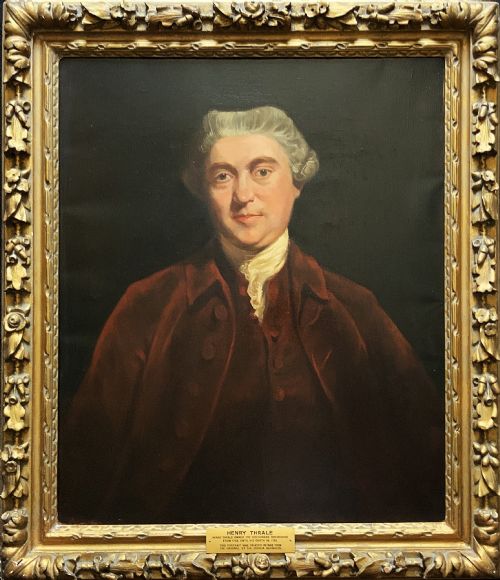
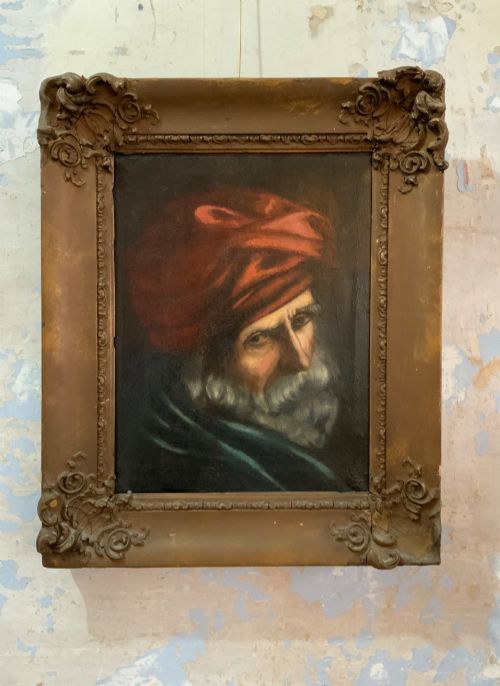
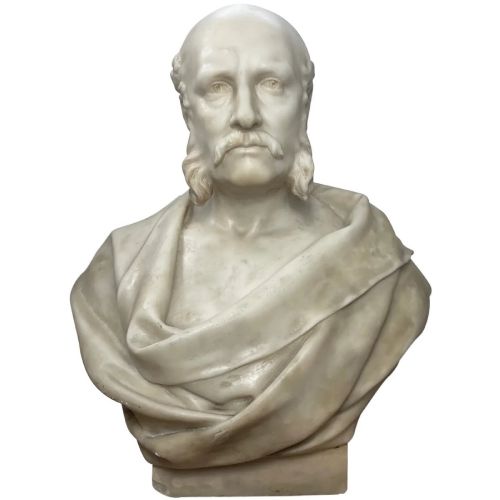
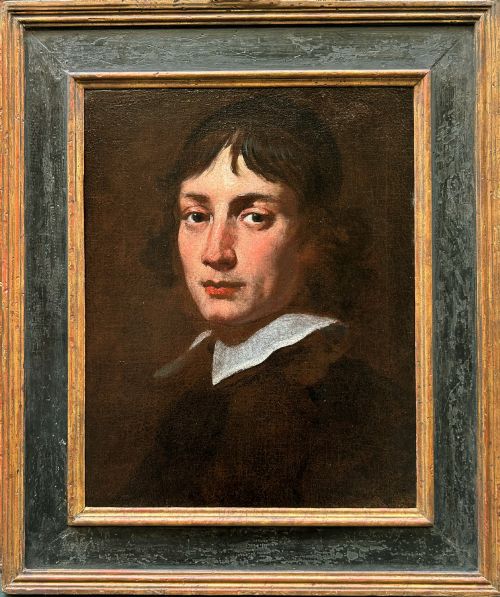
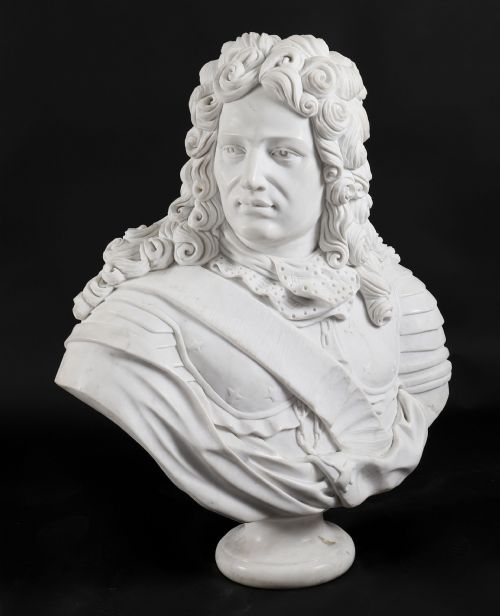
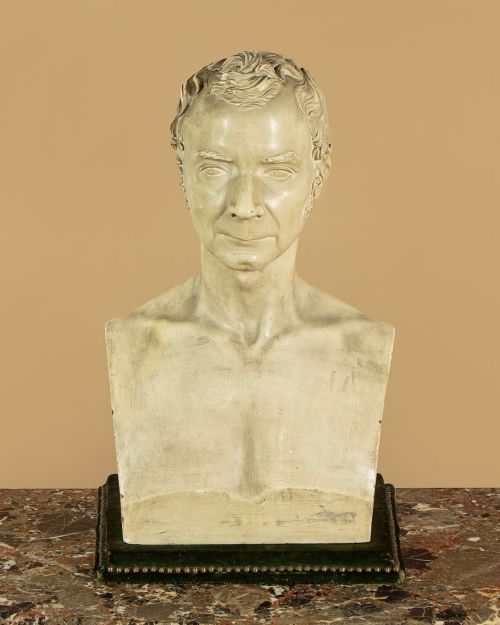
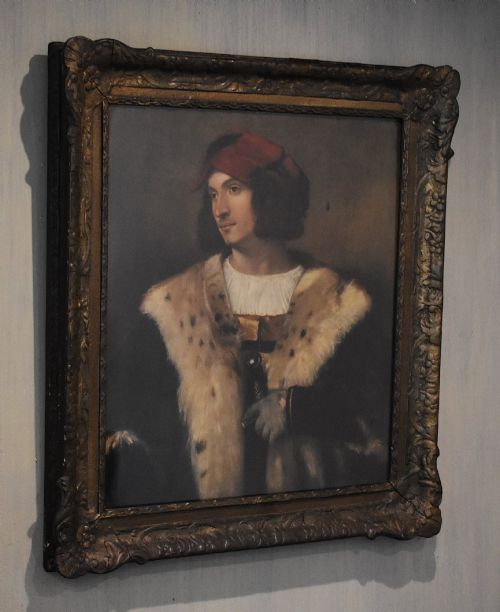
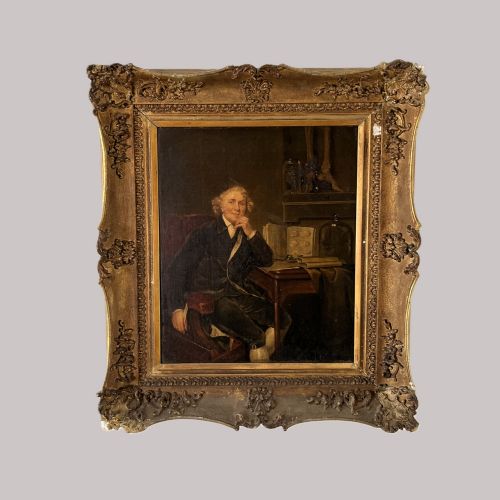
A classical male portrait captures gentlemen, philosophers, emperors, and nobles in oil paint, white marble, bronze, plaster, and terracotta. These works draw from 17th-century Baroque traditions, 18th-century Georgian sensibilities, and 19th-century neoclassical revivals. The selection on this page leans heavily toward oil paintings on canvas and sculptural busts.
Subjects range from named figures such as James Stanley and John Hunter to anonymous noblemen, Persian gentlemen, and classical figures like Homer and the Emperor Augustus. Pieces span the 17th, 18th, and 19th centuries, alongside later twentieth-century interpretations, including Grand Tour items and library busts.
Buyers encounter everything from monumental civic marble pieces to framed wall art prints after Titian and Van Dyck. The variety encompasses British, Italian, and Flemish schools, reflecting shifting ideals of masculinity and intellect across centuries.
How they were made
Plaster served as a primary medium for library and portrait busts, often painted or finished to mimic stone or bronze. Draftsmen worked on paper for drawings after Van Dyck, while printmakers used plates to reproduce works after masters like Titian.
Classical Male Portrait Retail Price Guide 2026
Typical asking prices for classical male portrait among the pieces listed under this phrase on Sellingantiques today, from the lower quarter to the upper quarter. They describe what is for sale here now, not the wider market.
Listings feature mediums spanning oil on canvas, carved white marble, cast bronze, and moulded plaster.
What varies in quality
The anatomical precision of the carving or the brushwork dictates the standing of a piece. Master sculptors render the subtle tension in a Roman Emperor's expression or the crisp folds of armour, whereas lesser studio copies rely on softer, generalized contours.
In painted works, the handling of light and shadow across the fabric and skin separates accomplished portraitists from decorative iterations. Material purity also matters, as a finely crystallized white marble block differs significantly from standard cast plaster.
Sir Joshua Reynolds·Guillaume Courtois·John Hamilton Mortimer·Giuseppe Moretti·Van Dyck·Sir Thomas Brock·Mathurin Moreau·Edward Alcock·Frans van der Mijn
The Classical Male Portrait Glossary
- Neoclassical
- A style originating in the mid-18th century drawing inspiration from the art and culture of classical antiquity. It emphasises severe lines, heroic subjects, and sober colours.
- Grand Tour
- A traditional trip through Europe undertaken by upper-class European young men of means in the 18th and 19th centuries. Travellers often acquired classical sculptures and portrait busts as mementos.
- Library bust
- A sculptural portrait designed specifically for display on bookshelves or library joinery. These pieces are frequently cast in plaster or terracotta.
- Old Master
- A term for a European painter of skill born before about 1700, or a painting by such an artist. Works by followers or after these figures also appear in this category.
- Baroque
- An artistic style prevalent in the 17th and 18th centuries characterised by movement, drama, and deep chiaroscuro. Portraits from this period emphasise rich textures and intense gazes.
Classical Male Portrait: Frequently Asked Questions
Where should I place a marble bust?
Marble portrait pieces require stable surfaces capable of supporting substantial weight, such as heavy sideboards, pedestals, or deep mantelpieces.
Keep them away from direct heat sources and strong sunlight to preserve the stone finish.
How do I care for an oil painting on canvas?
Maintain a stable room temperature and moderate humidity to prevent the canvas from slackening and the oil paint from cracking.
Dust the surface gently with a soft, dry brush without applying pressure to the impasto.
Are plaster busts fragile?
Plaster is softer and more brittle than marble or bronze, making it vulnerable to chipping if bumped or dropped.
Handle these pieces infrequently and lift them by the base rather than the neck or head.
How can I tell a 17th-century portrait from a 19th-century copy?
Examine the preparation of the canvas, the ageing of the oil pigments, and the stretcher construction behind the frame for period clues.
Style cues in clothing and hair also point to the era in which the artist worked.