
Classical Male Figure
A classical male figure brings the heroic ideals of antiquity into interior spaces through sculpture, bronze and fine drawing.

Classical Male Figure
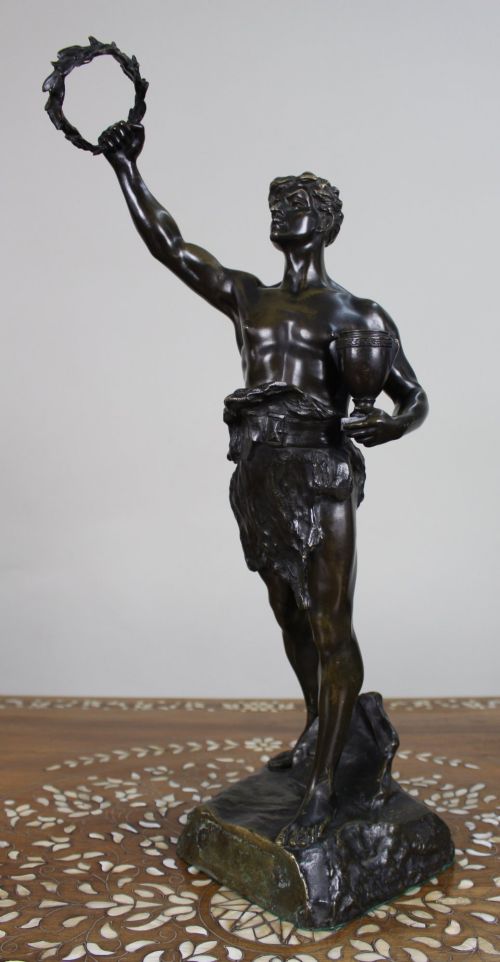
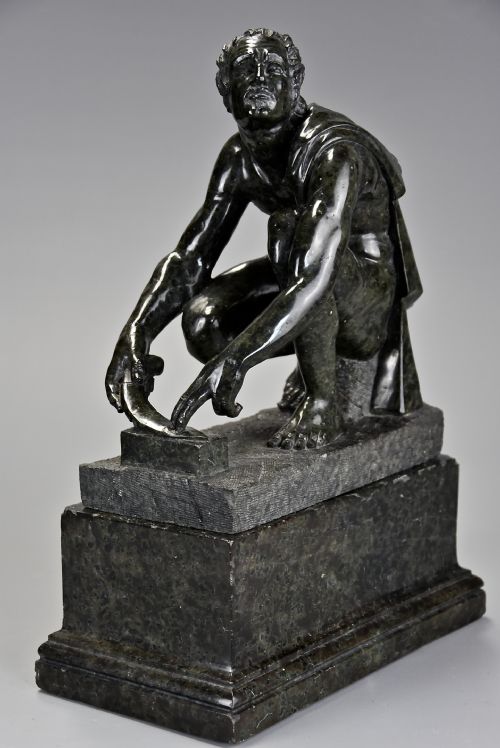
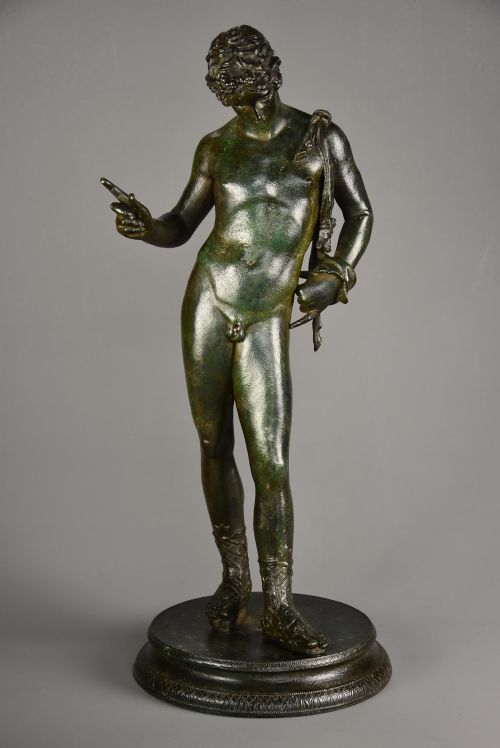
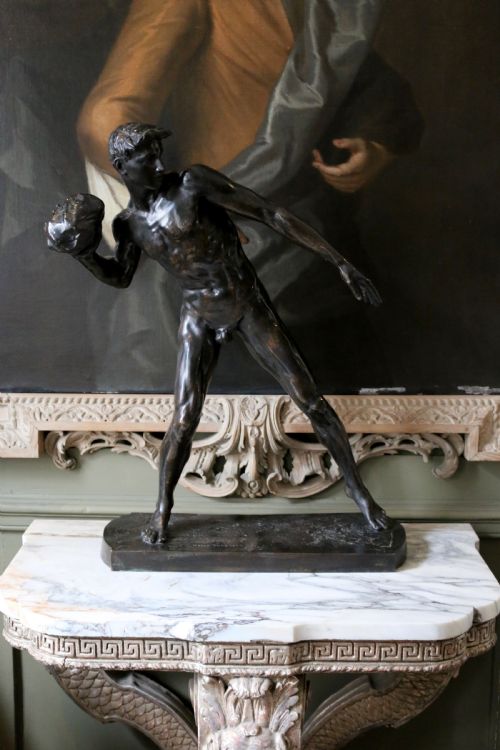
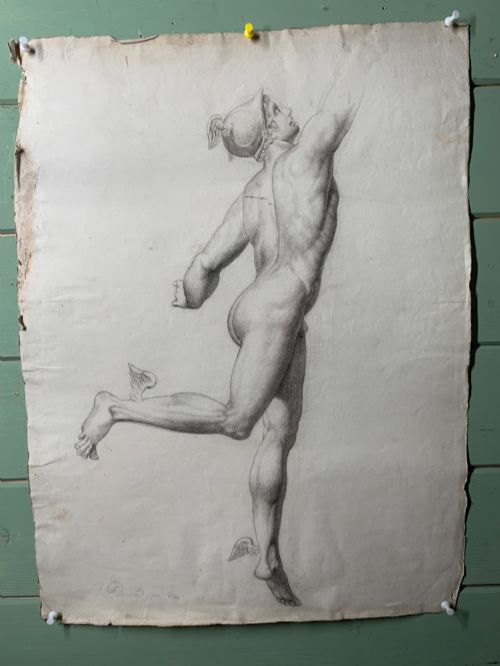
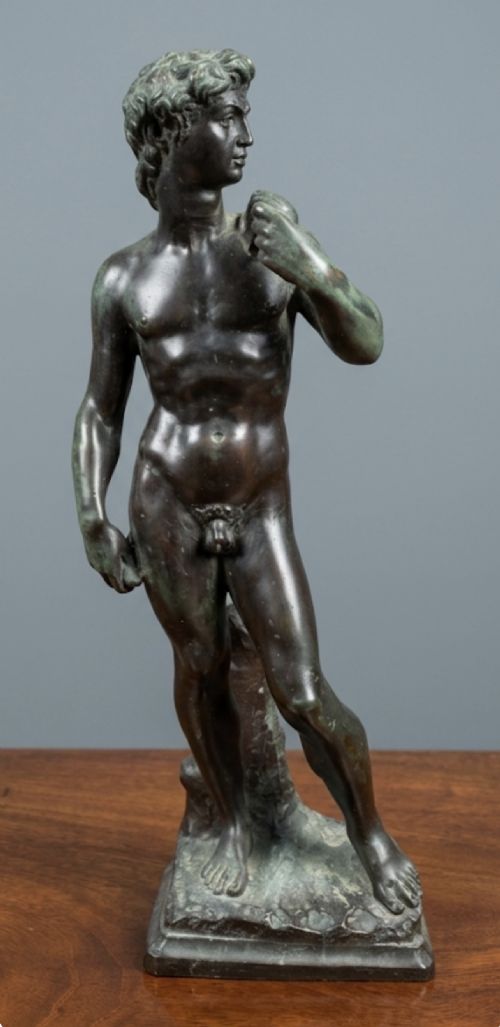
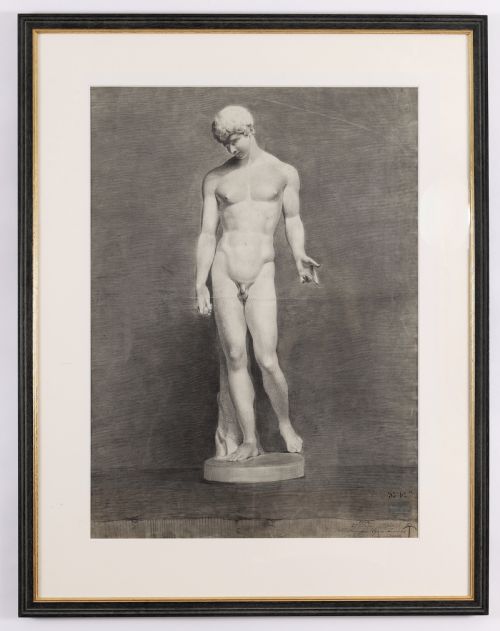
A classical male figure represents heroic proportions and mythological subjects, drawing directly from ancient Greek and Roman prototypes. These works span three-dimensional sculpture, bronze reduction casts and academic life studies on paper.
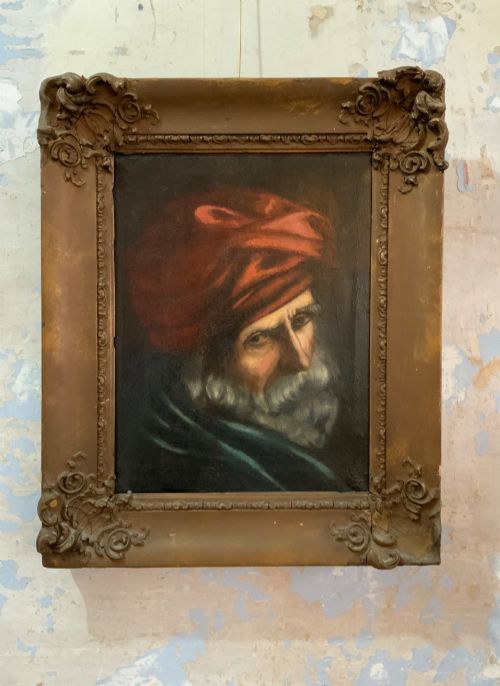
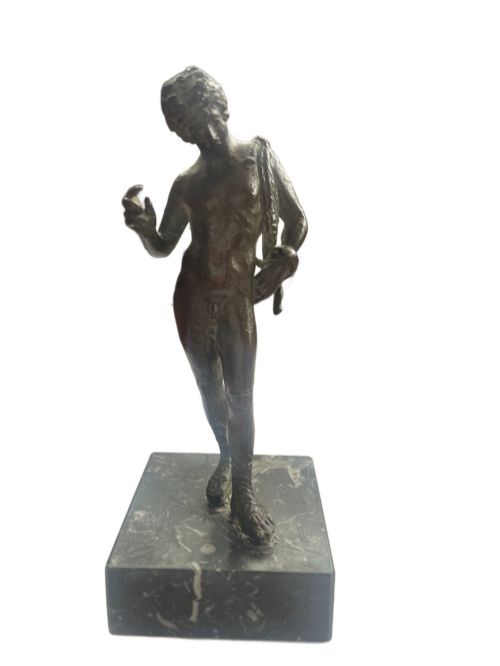
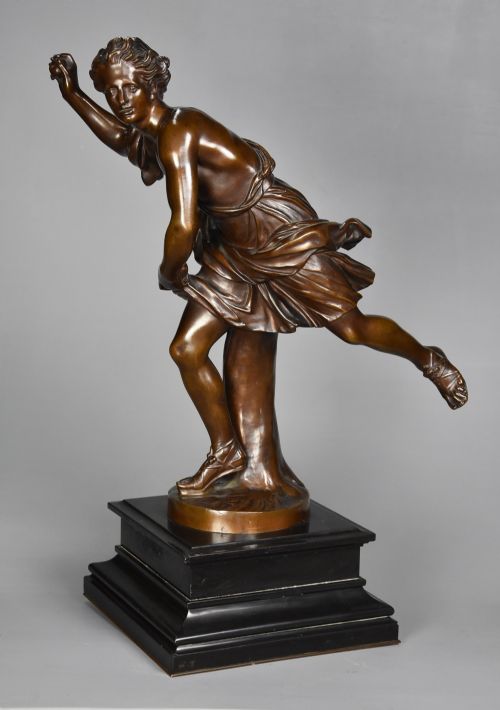
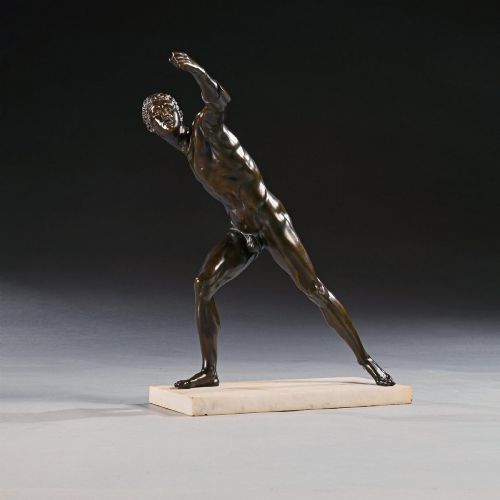
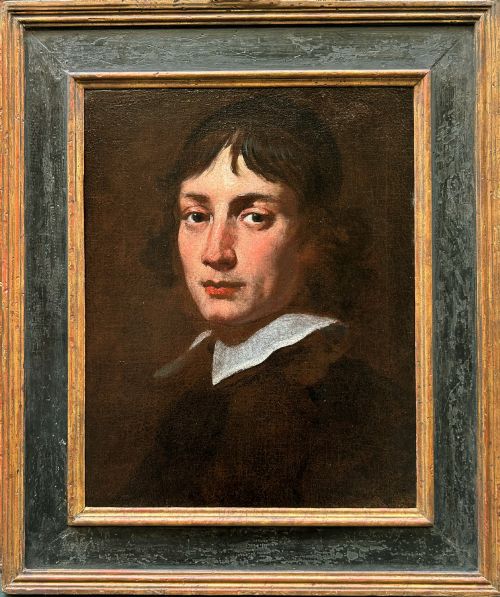
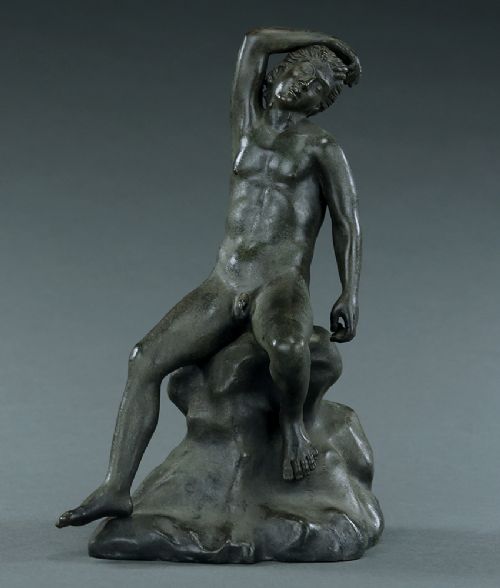
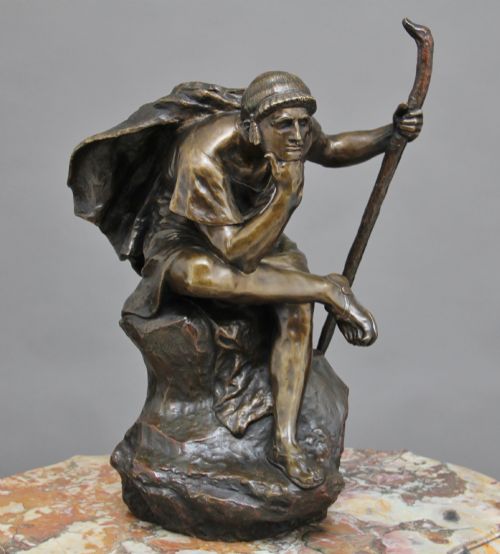
The material record on this page relies heavily on nineteenth-century reinterpretations, particularly Grand Tour bronzes acquired by travellers in Italy. Sculptures of Narcissus, fauns and gladiators dominate the selection alongside graphite drawings and oil paintings.
Makers and foundries such as Barbedienne and Goldscheider appear among these objects, reflecting the industrial and artistic revival of classical subjects during the Victorian period. Buyers encounter both monumental display bronzes and intimate desk pieces.
Materials and methods
Bronze casting forms the core of these listings, often utilising the lost-wax method to capture anatomical detail and fluid movement. Artisans applied varied patinations, ranging from dark green to verdigris, to mimic the appearance of excavated antiquities.
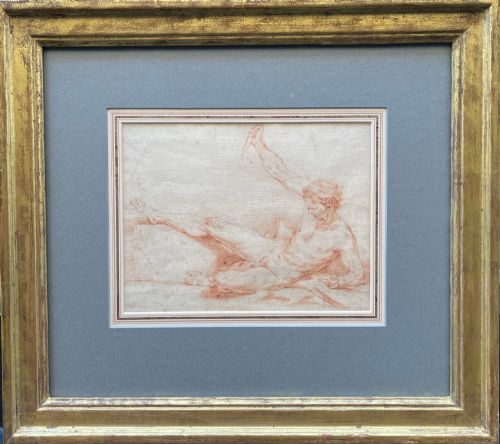
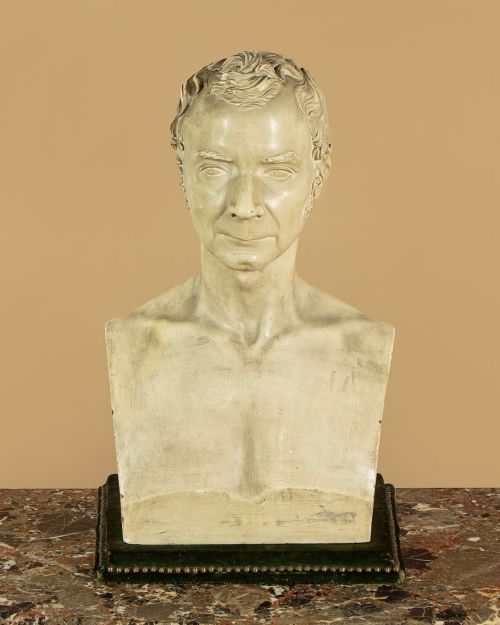
Carved marble and verdo prato feature in sculptural bases and standalone busts, requiring precise hand-chiselling by nineteenth-century stone masons. Paper works utilise charcoal, graphite and academic pencil drawing to record live studio models in neoclassical poses.
Several figures hold fruit or musical instruments, proving that even heroic ancient youths occasionally needed a snack.
Distinctions in quality
The definition of the musculature and the crispness of the chasing separate standard foundry output from exceptional sculptural work. Master founders retained sharp anatomical lines and clean inscriptions without obscuring detail beneath heavy patination layers.
Proportion and stance dictate the visual success of a figure, particularly in reductions after ancient marbles where balance is critical. Paper works show quality through the precision of academic drafting and the accurate rendering of shadow and light on the human form.
Barbedienne·Goldscheider·Emile Louis Picault·Julien Lorieux·Hamo Thornycroft
The Classical Male Figure Glossary
- Grand Tour
- A traditional trip through Europe undertaken by upper-class young men to absorb classical art and culture. Pieces acquired on these journeys frequently included bronze reductions of famous antique statues.
- Patination
- The chemical treatment or natural weathering applied to metal surfaces to produce colour and age effects. Dark green and brown patinations are typical on nineteenth-century bronzes.
- Neoclassical
- A Western cultural movement drawing inspiration from the art and culture of classical antiquity. This style heavily influences the proportions and themes of the figures found in these listings.
- Discophoros
- An ancient Greek sculpture type depicting a youth holding a discus. Surviving roman copies inspired numerous nineteenth-century bronze and marble iterations.
- Verdo prato
- A dark green Italian marble utilised for sculptural bases and pedestals during the Grand Tour period. Its deep tone provides contrast for patinated bronze figures.
Classical Male Figure: Frequently Asked Questions
What is a Grand Tour bronze?
A Grand Tour bronze is a nineteenth-century miniature or reduction cast of a famous classical sculpture, purchased by travellers visiting Italy.
These pieces served as portable reminders of classical antiquity for domestic display.
How do I identify a nineteenth-century casting?
Nineteenth-century castings often feature foundry stamps, signatures, or specific patination styles that distinguish them from modern reproductions.
Examining the underside and the sharpness of the chasing helps confirm the period of manufacture.
What subjects are most common?
Common subjects include mythological figures such as Narcissus, fauns, and gladiators, alongside academic male nude studies.
These derived directly from classical statues housed in European museums.
How should I display a bronze figure?
Bronze figures require stable indoor conditions away from direct moisture to protect their patination over time.
Placing them on sturdy surfaces like marble bases or wooden pedestals ensures structural support.