
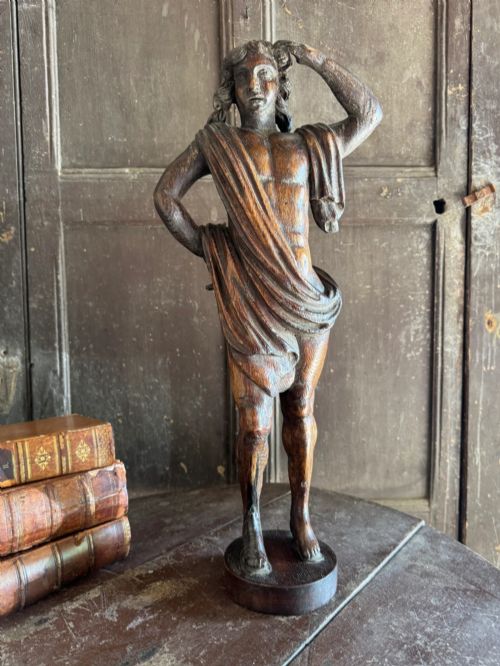
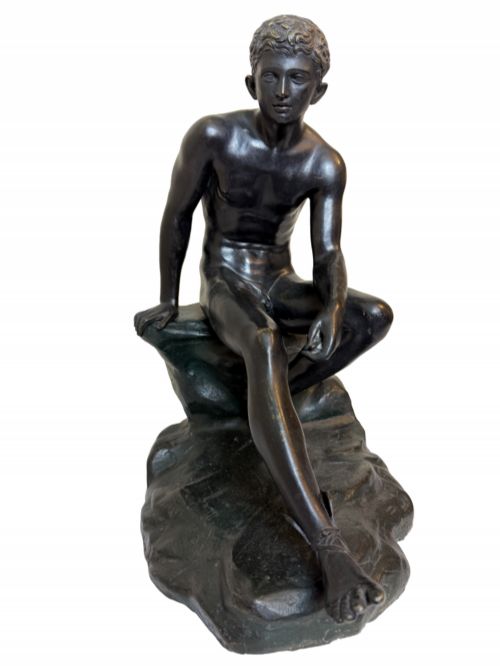

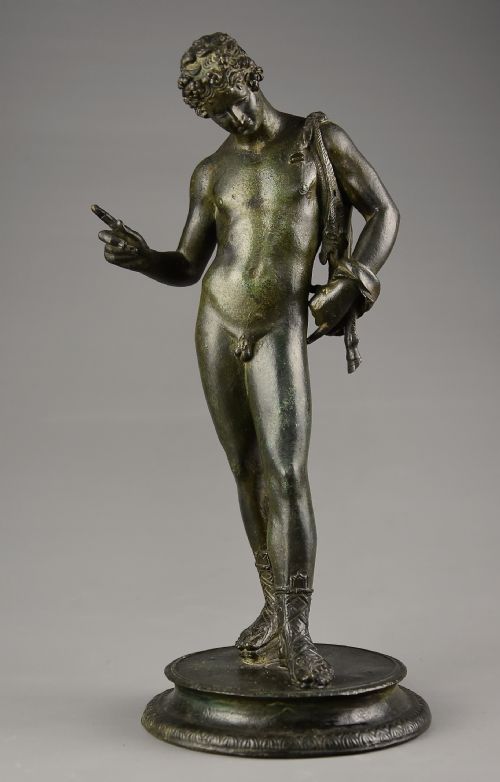
Classical Male Figure Sculpture
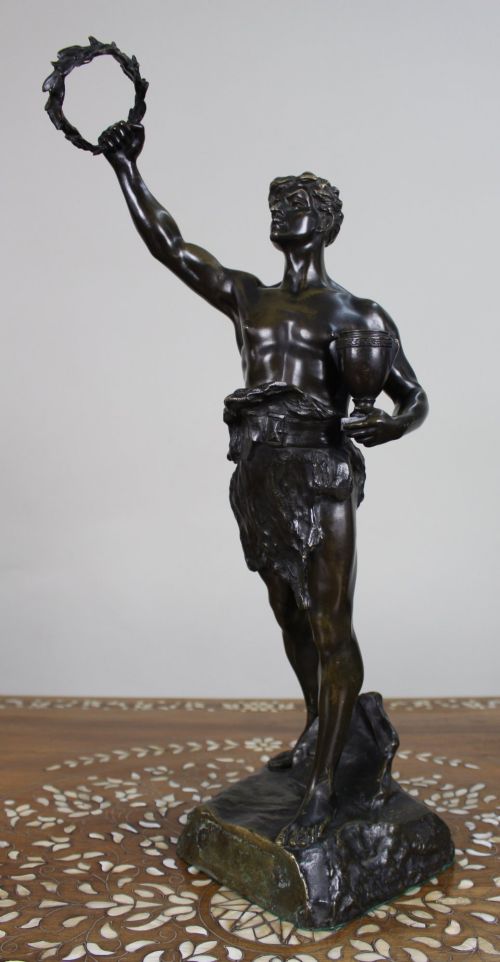
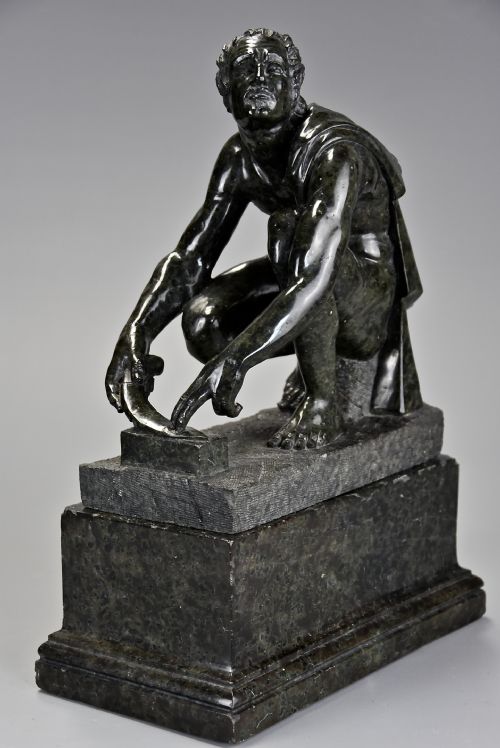
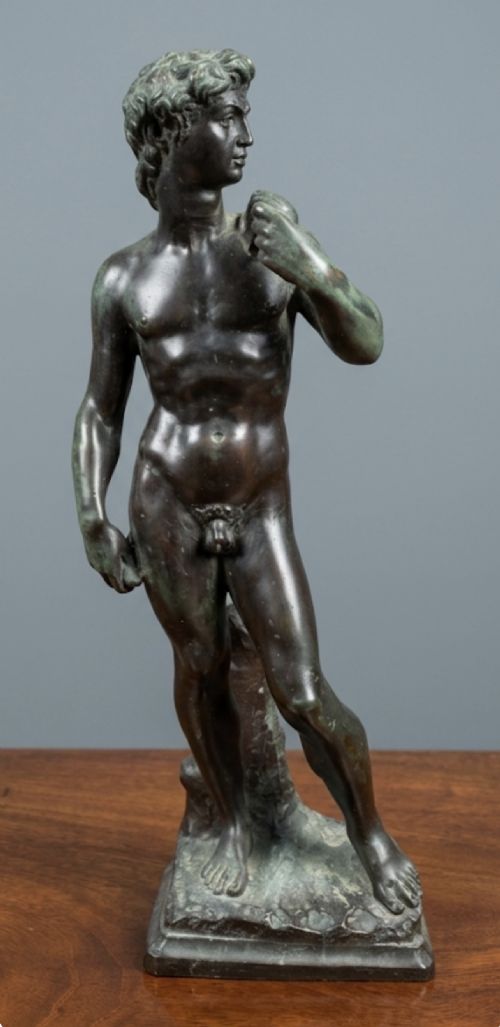
Classical male figure sculpture captures the muscular poise and heroic narrative of antiquity through bronze, marble and plaster.
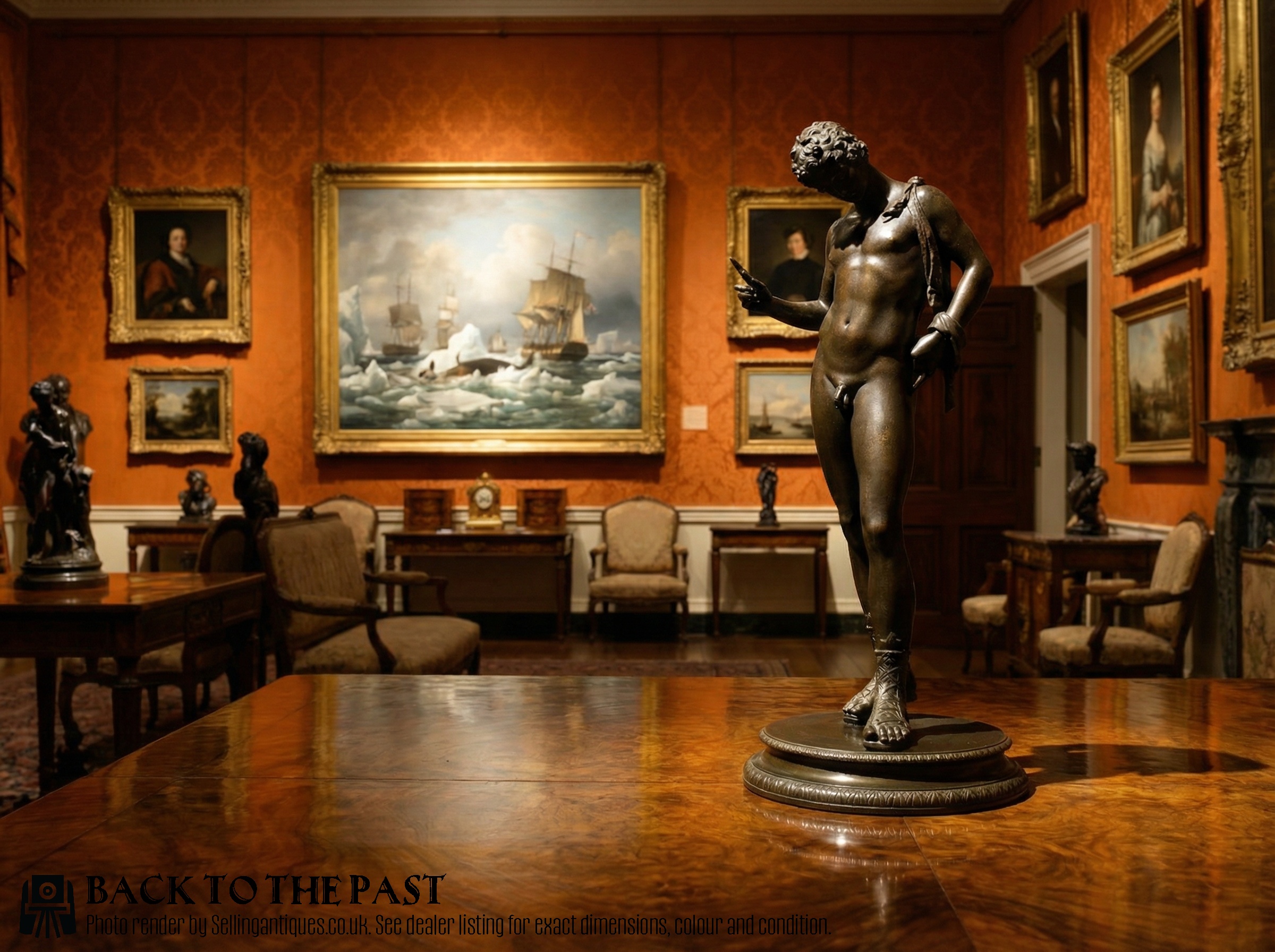
Classical Male Figure Sculpture
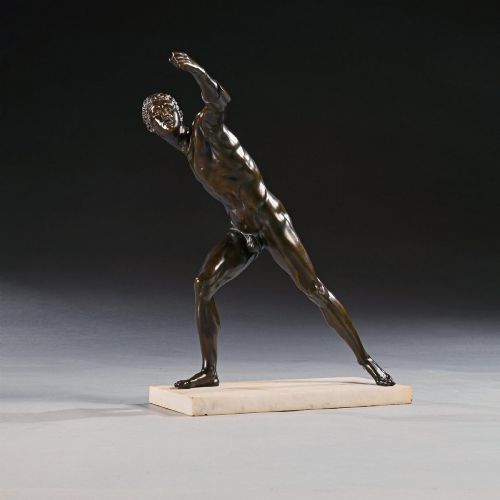
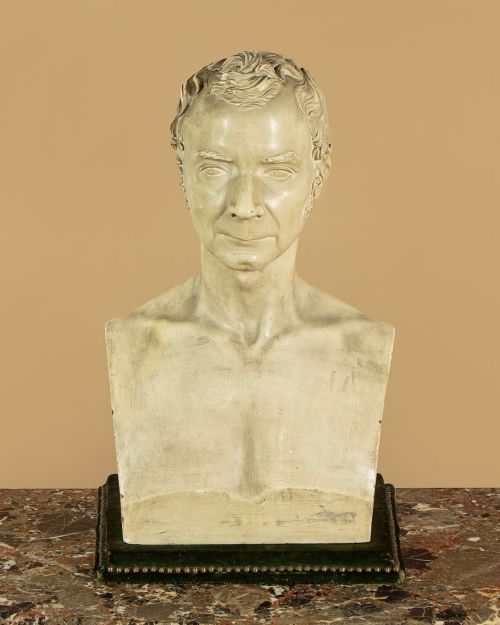
A classical male figure sculpture interprets heroic myths, athletic ideals and historical rulers through the visual vocabulary of ancient Greece and Rome. These works appear most frequently as nineteenth-century bronze casts, Italian Grand Tour souvenirs and carved marble portrait busts originating from British and continental workshops.
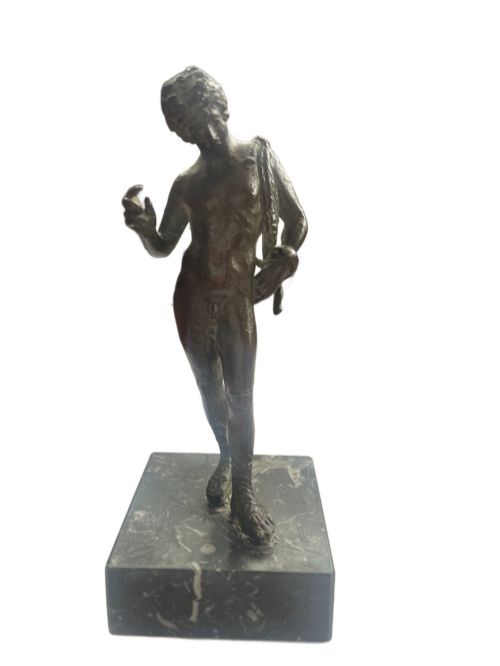
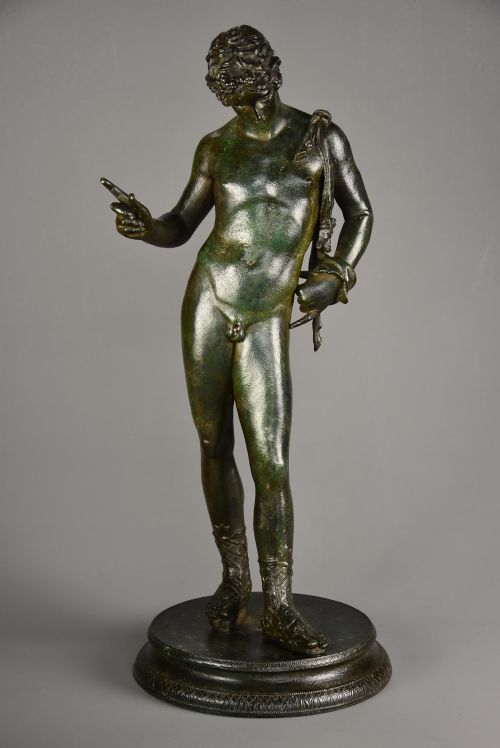
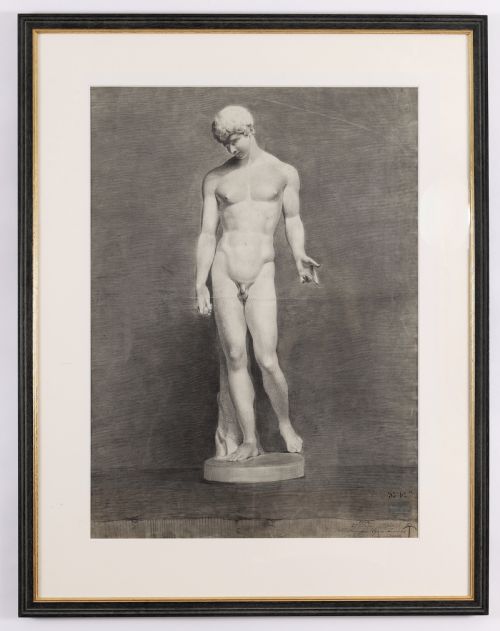
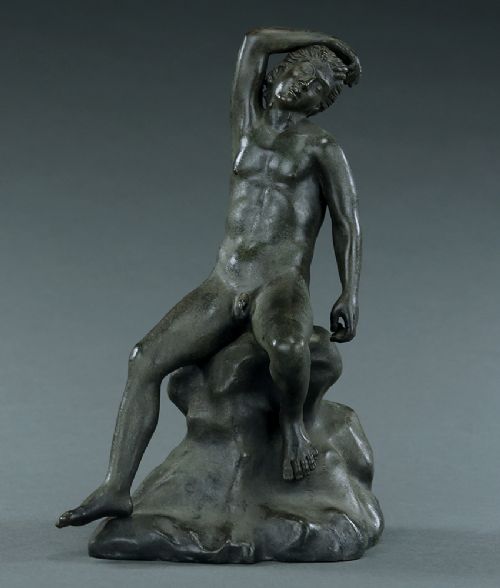
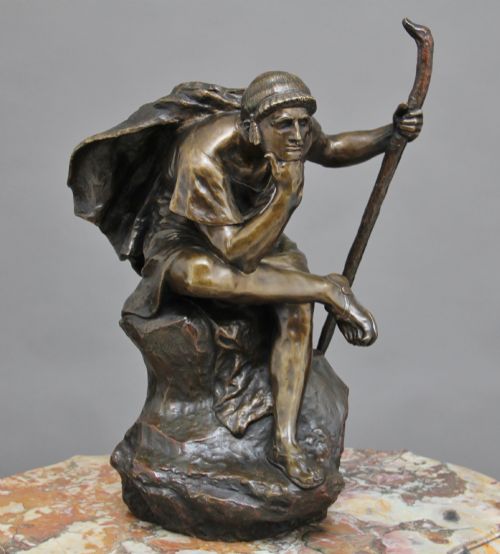
Collectors encounter subjects ranging from mythological figures like Narcissus and Mercury to monumental gladiators and athletes. Forms extend from small cabinet bronzes and table lamps to large garden figures and framed classical drawings.
Materials and casting methods
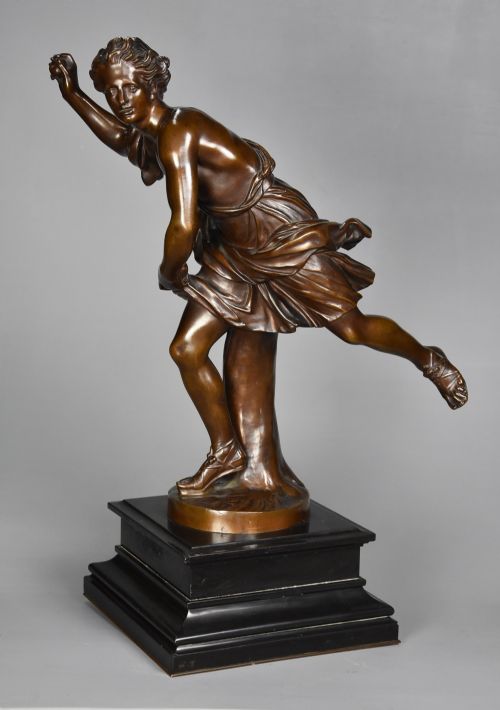
Foundries produced bronze sculptures using the lost-wax method or sand casting, applying chemical patinas ranging from dark brown to deep green to simulate age. Artisans then hand-chased the metal surfaces to sharpen anatomical details and drapery.
Carved pieces utilise Carrara marble, verde prato stone, oak or plaster. Stonework relies on chisels and rasps to achieve smooth flesh contours, while plaster works capture direct studio models or cast from antique originals.
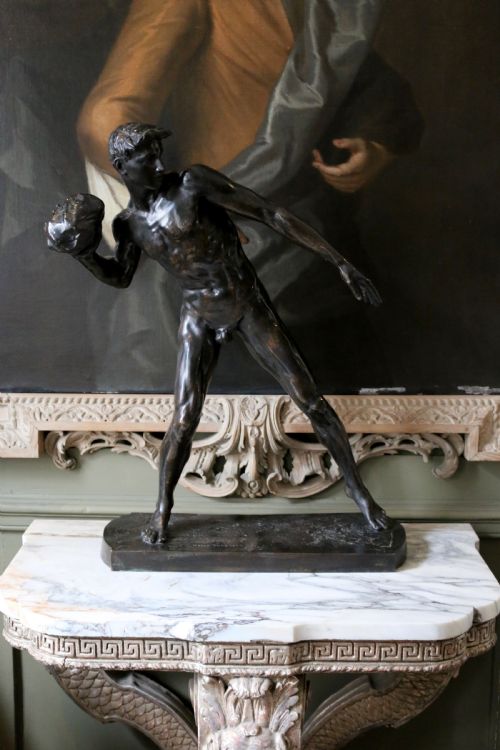
Several figures depict athletic youths caught mid-stride, preserving the eternal awkwardness of putting a stone for posterity.
Distinctions in craftsmanship
The choice of base materials and patination also separates works. Fine pieces rest on fossil marble or structured slate bases, displaying subtle tonal gradations in their patination rather than flat, uniform factory paint.
Barbedienne·Emile Louis Picault·Goldscheider·Hamo Thornycroft·Julien Lorieux·Raoul Francois Larche
The Classical Male Figure Sculpture Glossary
- Grand Tour
- A traditional journey through Europe undertaken by upper-class scholars to study classical antiquities, prompting the production of smaller bronze and marble copies.
- Patina
- A chemical or natural film formed on the surface of bronze through age or deliberate treatment. It alters the surface colour to shades of brown, green or black.
- Lost-wax
- A metal-casting process where a molten metal is poured into a mould that has been created by means of a wax model.
- Chasing
- The art of manually refining and detailing a metal casting using hammers and punches after it leaves the foundry.
- Neoclassical
- An artistic movement drawing on the ideals of classical Greece and Rome, dominant in European sculpture and architecture during the eighteenth and nineteenth centuries.
Classical Male Figure Sculpture: Frequently Asked Questions
What is a Grand Tour bronze?
A Grand Tour bronze is a nineteenth-century reduction or copy of a famous classical sculpture, purchased by travellers visiting Italy as a memento of their education.
These works were produced in workshops across Naples, Florence and Paris, capturing the appearance of ancient statuary for private display in domestic interiors.
How do I care for bronze sculpture?
Bronze requires light dusting with a dry, soft cloth to prevent particulate accumulation on the patinated surface.
Avoid using water, chemical cleaners or abrasive polishes, as these substances strip away the historic patina and expose the raw metal underneath.
Are these pieces from antiquity?
Most pieces belonging to this category date from the nineteenth century, created during revivals of classical interest rather than the ancient periods themselves.
Foundries and studios utilised ancient Greek and Roman prototypes, such as works by Lysippus or the Borghese Gladiator, to model their contemporary casts and carvings.
Where were these sculptures displayed?
Nineteenth-century collectors placed these sculptures in libraries, entrance halls and studies, often mounting them on columns or dedicated marble plinths.
Larger versions also found placement in conservatories and landscaped gardens, weathering the elements when cast in bronze or carved from durable stone.