


Classical Mahogany Mirror
A classical mahogany mirror brings architectural line and warm grain to a room, offering the structured symmetry of Regency and Empire design.
Classical Mahogany Mirror
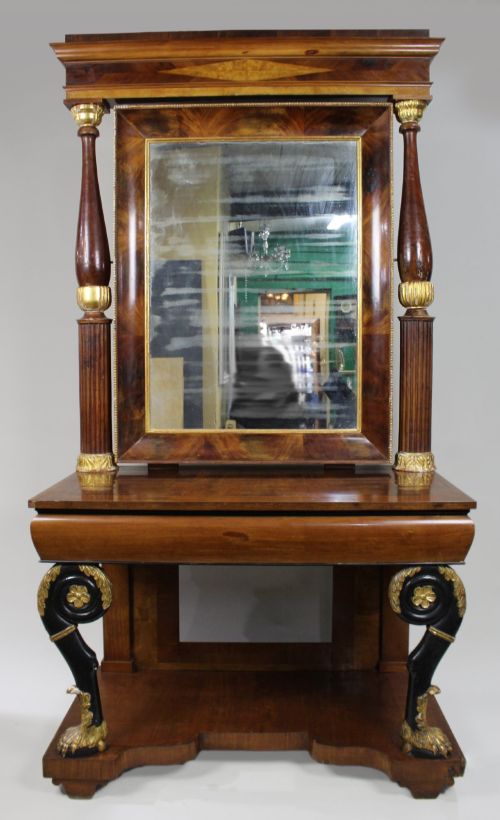
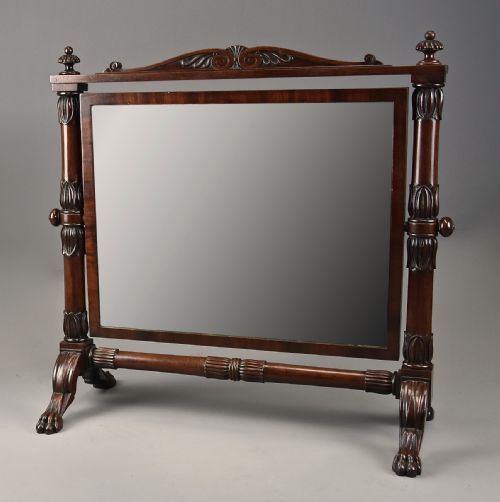
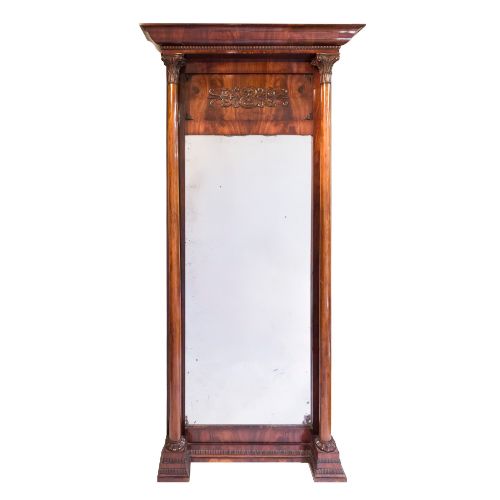
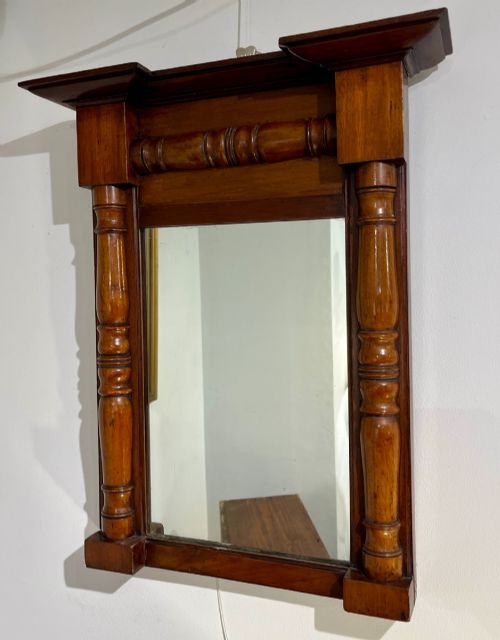
When you search for a classical mahogany mirror, you encounter wall mirrors, pier glasses, and cheval dressing mirrors spanning the Georgian, Regency, and Victorian periods. These pieces draw on classical motifs such as columns, pilasters, and parcel gilt accents to create a commanding presence in an interior.
The versions most frequently met on this page include tall pier mirrors designed to sit above console tables, alongside freestanding cheval mirrors in French and American Empire styles. Rich timber frames display the deep red-brown tones typical of period mahogany and Cuban mahogany.
Originating across English, French, American, and Danish workshops, these mirrors reflect the enduring appeal of classical design principles throughout the nineteenth century.
Materials and Construction
The primary material is solid mahogany or figured wood veneer over secondary timbers, often highlighted with parcel gilt or brass mounts in the Empire taste. Frames utilise precise joinery to support heavy glass plates while accommodating decorative carvings and applied mouldings.
Surface treatments rely on traditional polishing techniques that accentuate the grain, particularly in examples utilising flame mahogany or Cuban mahogany. Giltwood details and oil paint elements are integrated carefully into the wooden structure to frame the reflective glass.
Classical Mahogany Mirror Retail Price Guide 2026
Typical asking prices for classical mahogany mirror among the pieces listed under this phrase on Sellingantiques today, from the lower quarter to the upper quarter. They describe what is for sale here now, not the wider market.
Evaluating Quality and Execution
Quality in a classical mahogany mirror rests upon the selection of the timber and the crispness of the carved or applied ornament. Superior examples display dense, highly figured Cuban or flame mahogany grain rather than plain stock.
The proportion of the architectural elements, such as the weight of flanking columns and the integration of parcel gilt highlights, separates standard regional pieces from masterworks designed in the manner of prominent cabinet makers.
P & MA Nicholson
The Classical Mahogany Mirror Glossary
- Pier mirror
- A tall mirror designed specifically to hang on the wall between two windows, frequently placed above a matching console table or pier table.
- Cheval mirror
- A freestanding full-length dressing mirror mounted on a vertical frame with pivots that allow the glass to tilt.
- Parcel gilt
- Portions of a carved wooden frame decorated with thin layers of gold leaf while other areas reveal the natural mahogany underneath.
- Flame mahogany
- A decorative veneer cut from wood where the branch meets the trunk, creating a distinctive flamed or feathered grain pattern.
- Overmantel mirror
- A wide horizontal mirror constructed to fit securely on the wall directly above a fireplace mantelpiece.
Classical Mahogany Mirror: Frequently Asked Questions
Where should I hang a pier mirror?
A pier mirror functions best on a large expanse of wall, traditionally positioned between two windows or directly above a console table. This placement bounces natural light around the room while maintaining architectural symmetry.
Ensure the wall structure can support the weight of the timber frame and glass plate, securing the piece with appropriate fixings at both top and bottom.
How do I clean a mahogany frame?
Dust the timber gently with a dry, soft microfibre cloth to prevent any buildup of particles in the carved details or around the gilt accents. Avoid using modern chemical sprays or wet cloths that can damage the historical polish.
Apply a quality beeswax polish sparingly once or twice a year if the wood appears dry, buffing it gently to maintain the natural lustre of the mahogany.
What is a cheval mirror used for?
A cheval mirror serves as a freestanding dressing glass that allows a full-length view of attire. The pivoting mechanism lets the user adjust the angle of the glass as needed.
Position the mirror in a bedroom or dressing area on a level floor so the weighted base remains stable during adjustment.
How do I identify a Regency mirror?
Regency mirrors typically display strict classical proportions, often incorporating ebonised details, reeded columns, and gilt gesso ornamentation. The influence of ancient Roman and Greek design dictates the clean lines.
Look for period construction methods, such as hand-beveled glass plates and older backing boards, which help distinguish nineteenth-century examples from later reproductions.