

Classical Gilt Overmantel Mirror
A classical gilt overmantel mirror brings architectural weight and reflected light to a room, framing a fireplace with gilded grandeur.
Classical Gilt Overmantel Mirror
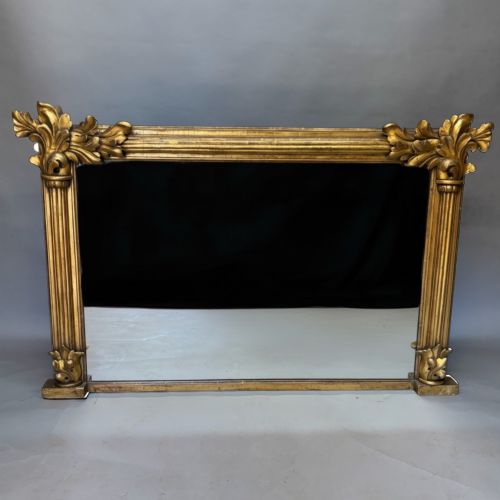
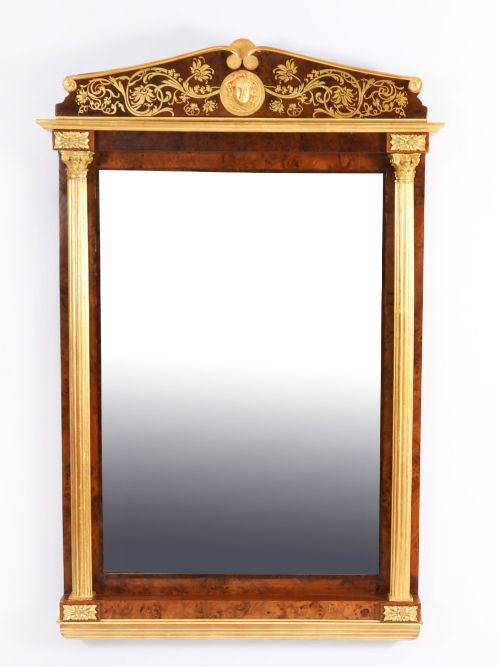
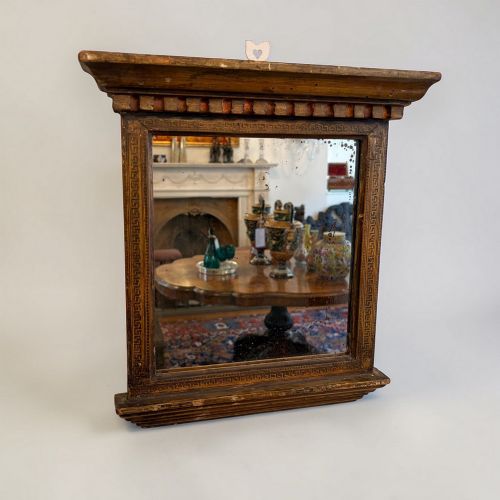
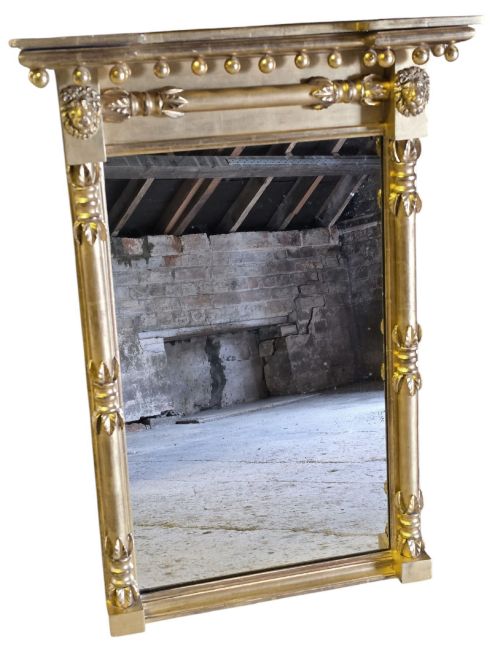
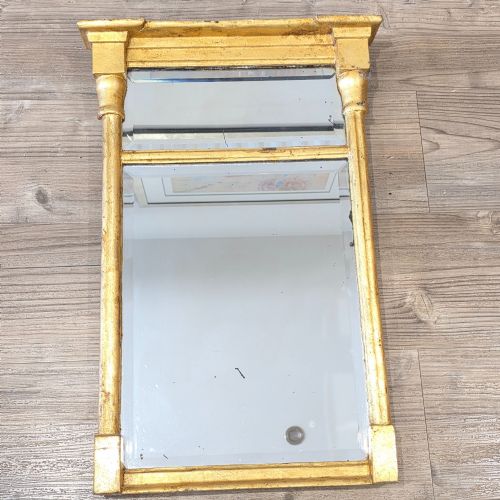
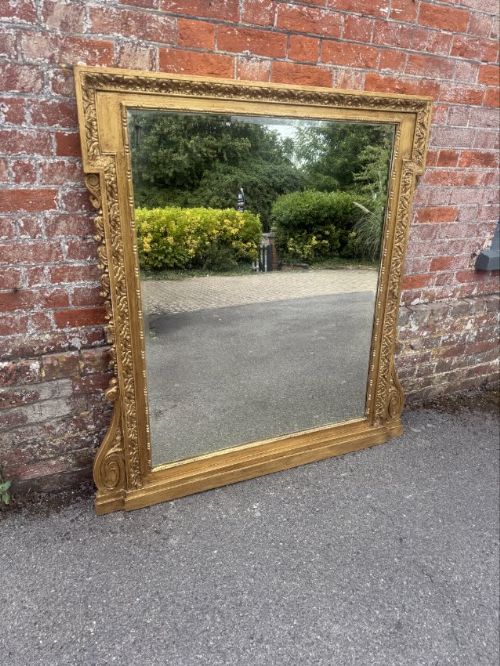
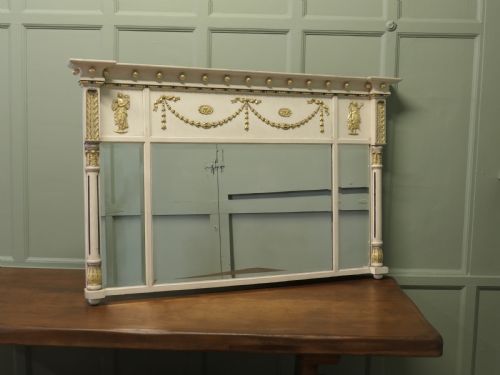
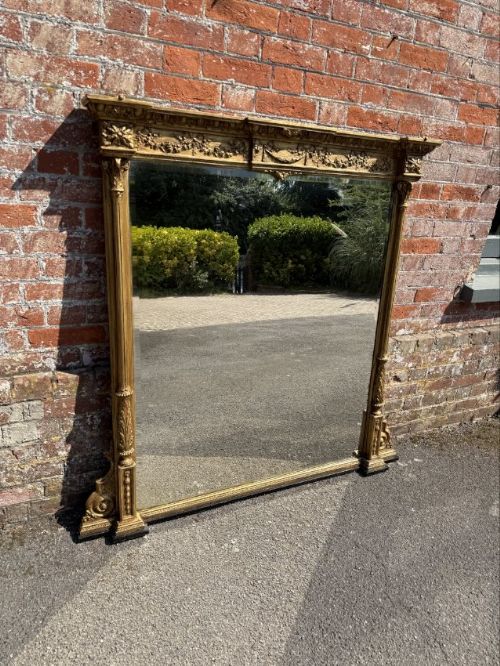
A classical gilt overmantel mirror is designed specifically to sit above a mantelpiece, drawing the eye upwards with generous scale and ornate framing. The examples found here span the Georgian, Regency, and Victorian periods, alongside French and Italian influences that lean heavily into Neoclassical, Adam Revival, and Louis XVI styles.
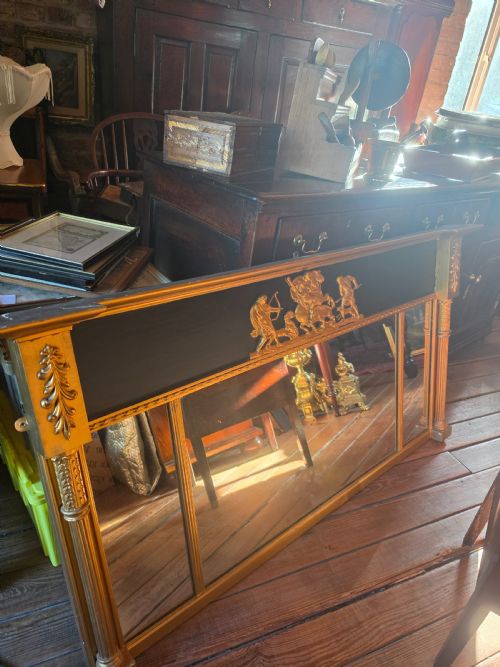
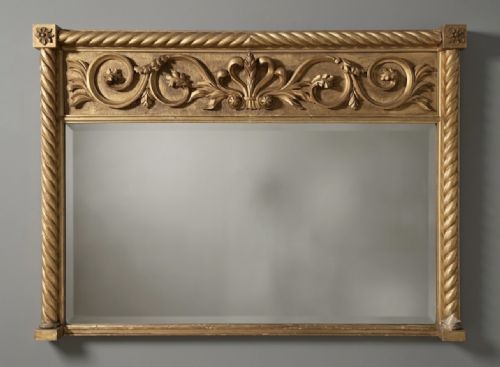
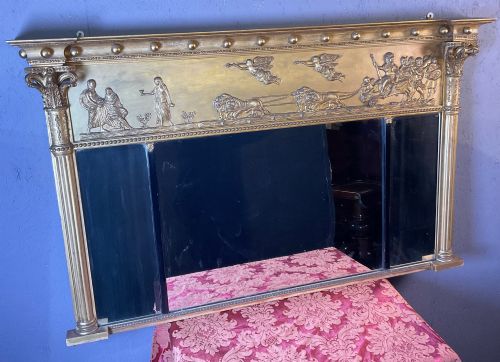
Many of these pieces take the form of wide horizontal formats, sometimes featuring triptych or triple plates, while others rise in grand vertical arches. Pier mirrors and trumeau panels also appear amongst the selections, often incorporating verre eglomise panels or mythological and floral carvings.
Makers and craftsmen of the 19th century built these overmantels to anchor principal reception rooms in grand houses. Today, buyers encounter everything from modest giltwood frames to monumental Irish country house pieces carrying carved wood and gesso ornamentation.
How they were made
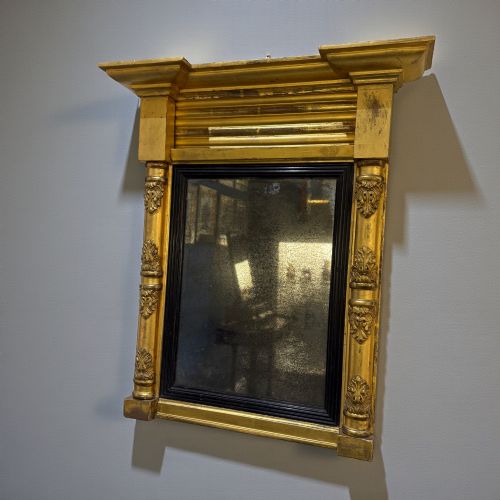
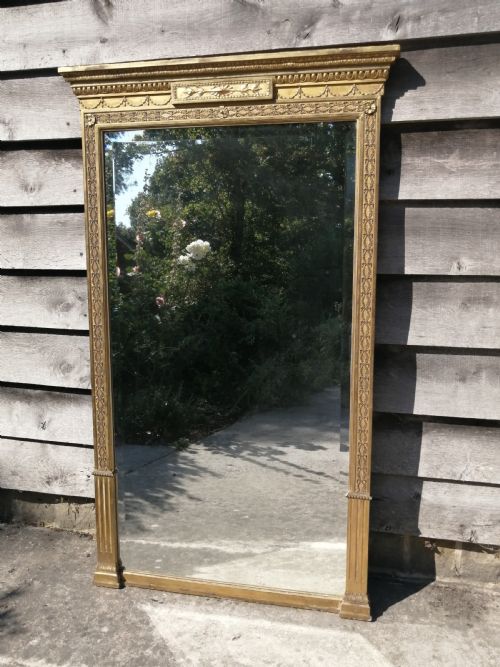
Makers constructed the foundational frames using timber such as carved wood, which provided the structural stability needed for large hanging formats. Over this wooden base, artisans applied layers of gesso to build up intricate decorative reliefs, mythological motifs, and classical column details.
Gilding was achieved using gold leaf or applied gilt finishes to create a luminous surface, while some examples utilise painted and parcel-gilt techniques. Original mirror glass plates, occasionally showing the gentle speckling of age or crackle finishes, complete the construction.
Several mirrors carry quiet echoes of ancient chariot rides and mythical beasts, silently watching over modern mantelpieces for centuries.
What varies in quality
Quality rests in the crispness of the carved wood and gesso details, where sharply defined floral motifs and classical ornamentation demonstrate superior hand-workmanship. Lesser examples exhibit softer, shallower moulding where the composition material has rounded over time.
The integrity of the plate glass and the retention of the original gold leaf or gilt surface also dictate standing. Pieces retaining their original mirror plates and uncompromised gilding sit securely at the upper end of the scale.
The Classical Gilt Overmantel Mirror Glossary
- Overmantel mirror
- A large mirror designed to hang specifically on the wall directly above a fireplace mantelpiece. These frames often match the horizontal proportions of the hearth below them.
- Gesso
- A plaster-like mixture applied over a wooden frame and carved or moulded into relief decorations before gilding. It allows for intricate classical motifs and crisp surface detail.
- Verre eglomise
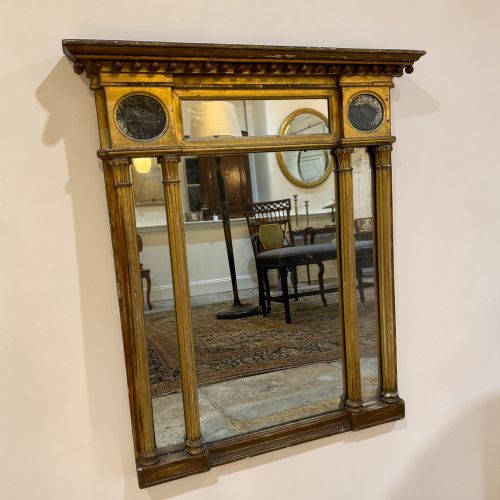
- A traditional technique where cold painting and gilding are applied to the rear face of glass. This creates a decorative panel with a mirrored silhouette, frequently seen in upper sections of Regency plates.
- Trumeau mirror
- A decorative wall mirror combined with a painted panel or oil painting within a single framed unit. Originating in French interior design, they frequently incorporate classical architectural borders.
- Giltwood
- Timber that has been coated with a thin layer of gold leaf or gilt finish. It forms the primary visual vocabulary for formal mirrors across the Georgian and Victorian eras.
Classical Gilt Overmantel Mirror: Frequently Asked Questions
Where should I hang an overmantel mirror?
Traditionally, these mirrors sit directly above a fireplace mantelpiece to reflect light and anchor the hearth within the room.
They also function effectively on large, unbroken wall spaces in reception rooms where their grand scale can be fully appreciated.
How do I identify a Regency mirror?
Regency pieces often display classical architectural elements such as column frames, ball-stud mouldings, and verre eglomise panels.
They frequently date from the early 19th century and lean heavily into Neoclassical design principles with clean, balanced proportions.
What is a triptych mirror plate?
A triptych plate divides the reflective surface into three distinct vertical sections within a single overarching frame.
This layout breaks up the reflection and adds considerable architectural width to the mantelpiece area.
Are these mirrors suitable for modern interiors?
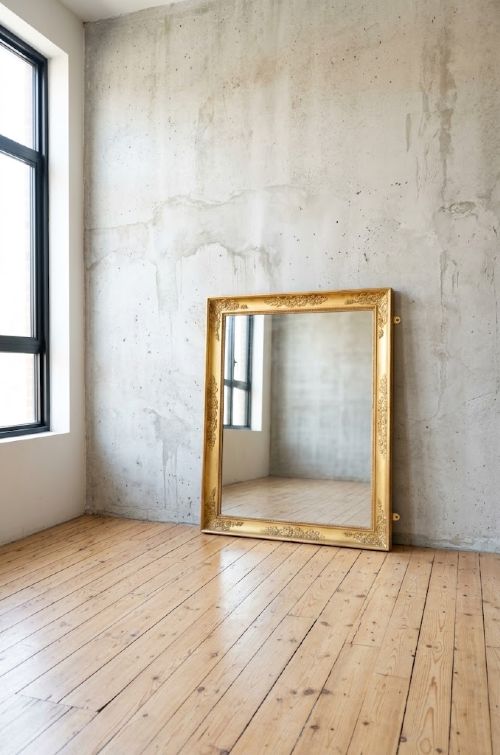
The grand scale and reflective qualities of a classical gilt frame provide a striking focal point in contemporary spaces.
Placed above a simple fireplace or low sideboard, they introduce historical texture and bounce natural light around the room.