
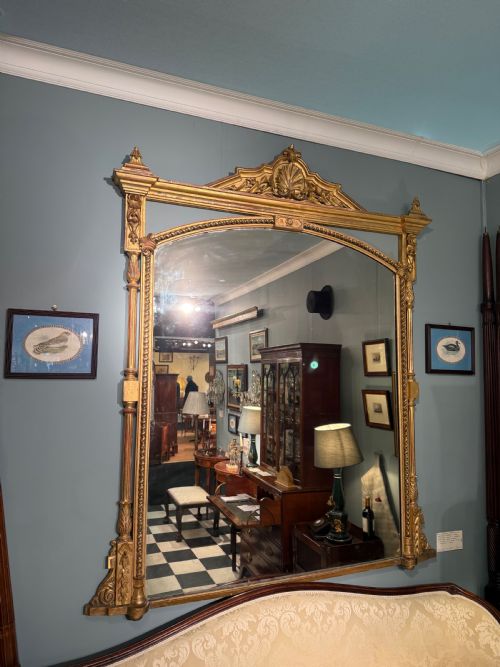
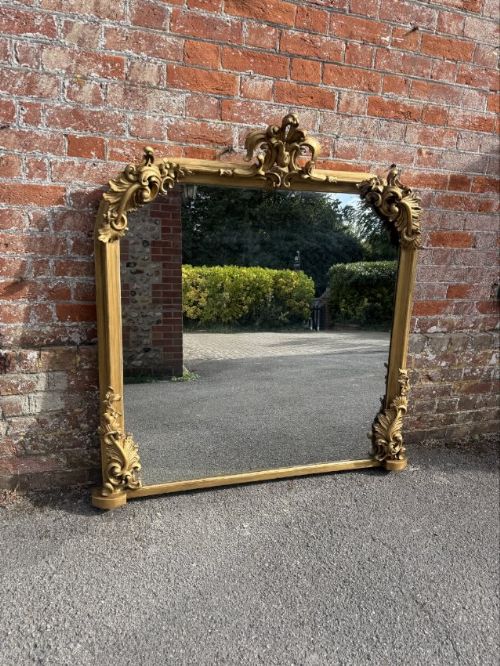
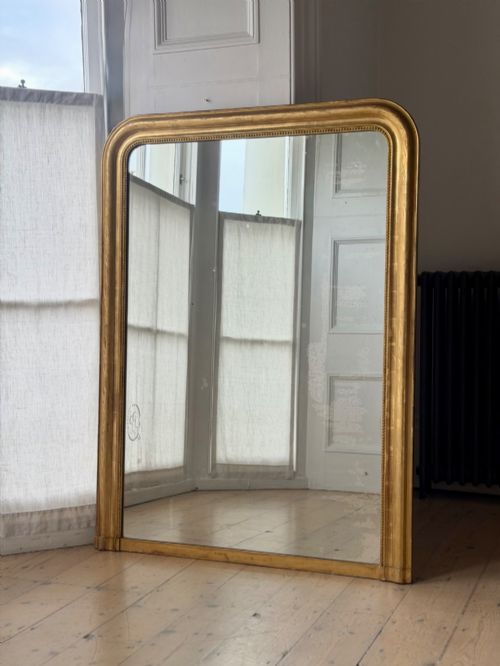
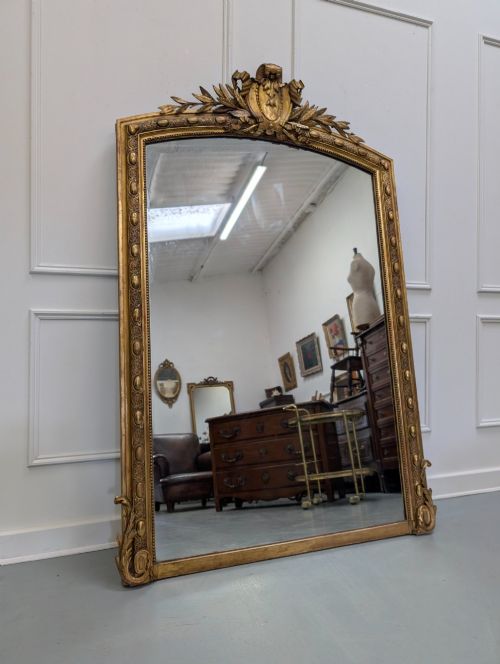
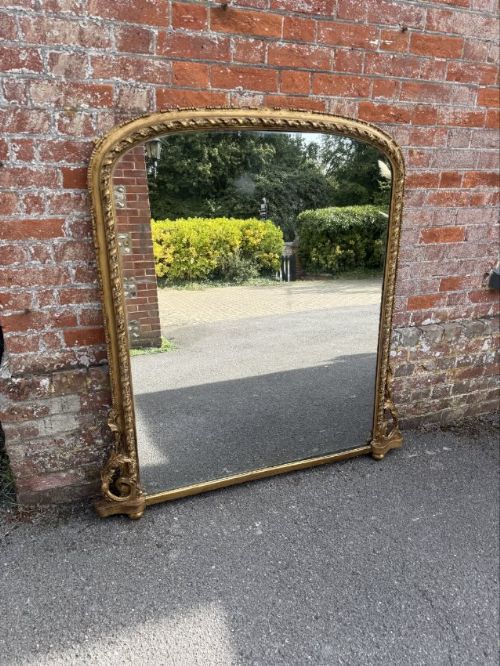
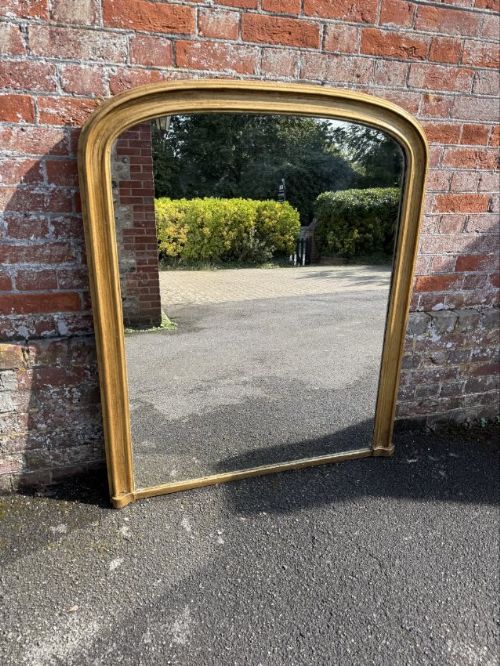
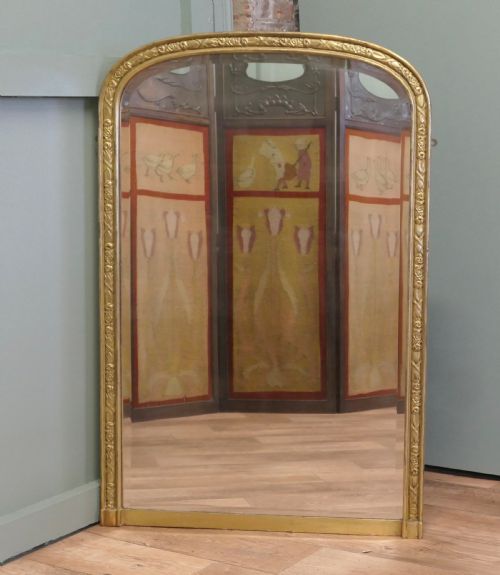


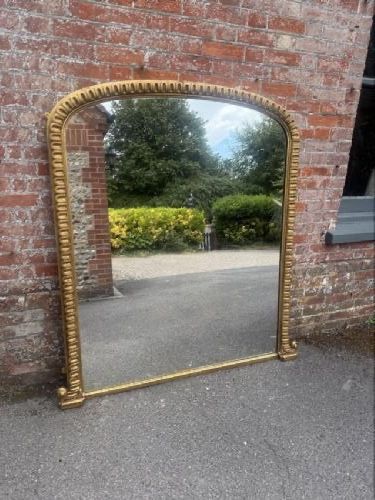
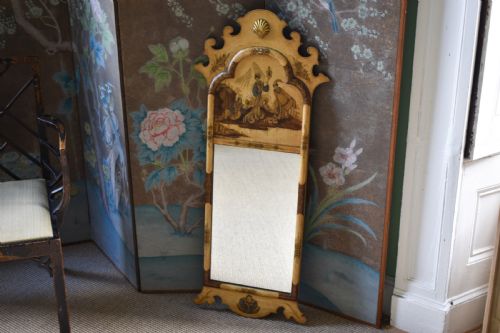

Gilded Wood Arched Mirror
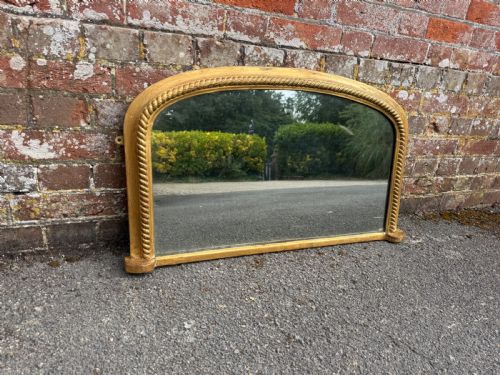
A gilded wood arched mirror brings height and reflected light to a room, drawing the eye upwards through curved timber frames covered in gold leaf.
Gilded Wood Arched Mirror
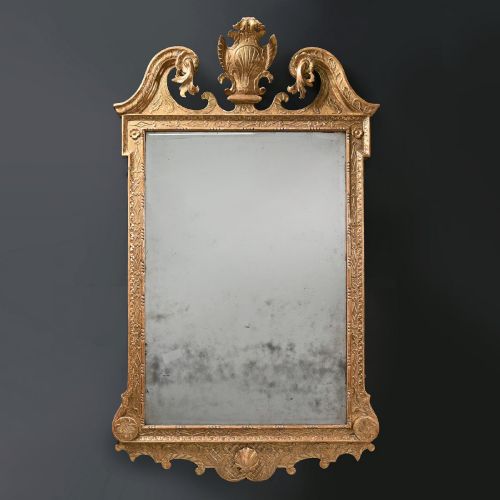
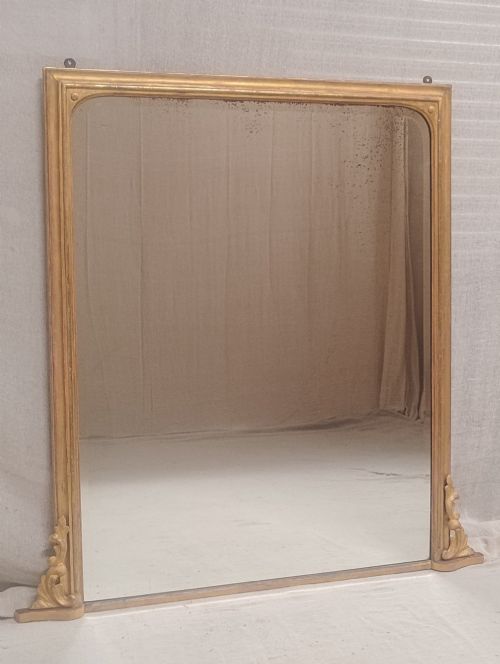
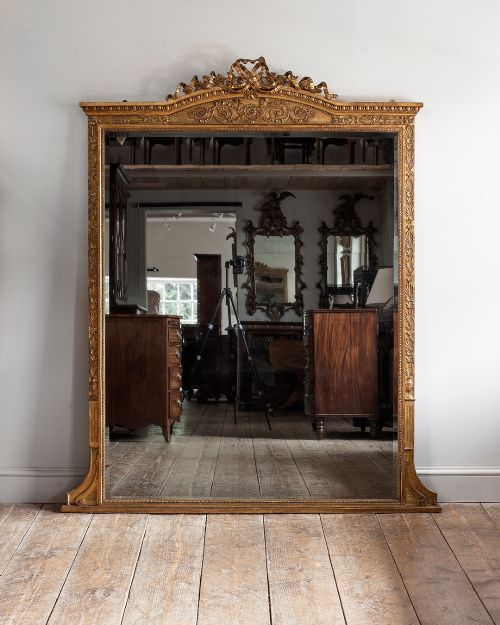
When you search for a gilded wood arched mirror, you find large wall-mounted pieces designed to sit above fireplace mantelpieces or function as tall pier mirrors. These frames originate primarily from the nineteenth century, spanning Victorian and French Louis Philippe styles, alongside earlier eighteenth-century examples.
The dominant forms on this page include substantial English overmantle mirrors with carved wood and gesso frames, alongside French wall mirrors featuring shaped or arched tops. Many examples incorporate decorative details such as rope twists, ribbed moulding, and rococo motifs.
Such pieces served practical domestic roles in period homes, reflecting natural daylight deep into reception rooms while creating an illusion of expanded space. Their scale ranges from domestic wall hung items to monumental leaner mirrors designed for high ceilings.
How they were made
Construction relied on timber frameworks built from carved wood, upon which layers of plaster and gesso were applied to build up crisp decorative mouldings. Artisans then laid thin sheets of gold leaf over a prepared bole base to achieve the characteristic metallic surface.
Mirror glass of the period was set into these heavy frames, often secured at the rear with wooden backing boards and secured joints that accommodated the natural movement of the wood over decades.
Some nineteenth-century makers snuck secret signatures behind the gesso, turning mirrors into hidden archives.
What varies in quality
Quality rests in the crispness of the hand-carved wooden details beneath the gesso and the integrity of the original gilding rather than applied modern metallic paints. Finer pieces retain their depth of ornament along the arched shoulders and delicate rope twist borders without heavy smoothing from past restoration.
The retention of original mirror glass with natural foxing and oxidation also marks superior examples, distinguishing genuine period surfaces from later replacement plates.
The Gilded Wood Arched Mirror Glossary
- Gesso
- A plaster-like mixture applied to wood frames to create a smooth base for carving and gilding. This compound allowed artisans to press or carve intricate decorative reliefs.
- Overmantel
- A large mirror specifically proportioned to hang on the wall above a fireplace mantel. These pieces frequently feature horizontal or arched formats designed to match domestic hearths.
- Giltwood
- Timber that has been covered with thin sheets of gold leaf. This technique protects the underlying wood while providing a brilliant reflective finish.
- Pier Mirror
- A tall vertical mirror designed to hang on the narrow section of wall between two windows. They often extend downwards toward the floor as leaner mirrors.
- Foxing
- The natural ageing process in mirror glass that appears as small dark spots and soft patches. Collectors value original foxing as evidence of antique authenticity.
Gilded Wood Arched Mirror: Frequently Asked Questions
Where should an arched mirror be hung?
These mirrors traditionally anchor reception rooms when positioned directly above a fireplace mantelpiece. Their vertical curve draws the ceiling line upward and balances the horizontal weight of the hearth.
Alternatively, placement on a blank living room wall creates an architectural focal point. Large leaner versions work effectively when positioned directly on the floor to reflect furniture and floorboards.
How do I care for antique gilding?
Dust the gilded wooden frame gently using a dry, soft feather duster or a clean artist brush. Avoid liquid cleaners, polishes, and abrasive cloths that can lift the delicate gold leaf from the underlying gesso.
Keep the mirror away from direct sources of heat and damp environments to prevent the wooden substrate from warping. Stable indoor humidity preserves both the timber joints and the metallic surface.
How do I spot original period glass?
Original mirror plates display subtle imperfections, slight distortions in the reflection, and soft grey foxing around the edges. Modern replacement glass appears perfectly uniform and lacks the depth found in antique silvering.
Examining the back of the frame also reveals aged wooden backing boards and handmade fixings that correspond to the Victorian or eighteenth-century period of the piece.