
Classical Fine Oil Painting
When you search for a classical fine oil painting, you find works spanning centuries from the 17th onwards, rendered in oil paint on canvas, panel or zinc.
Classical Fine Oil Painting
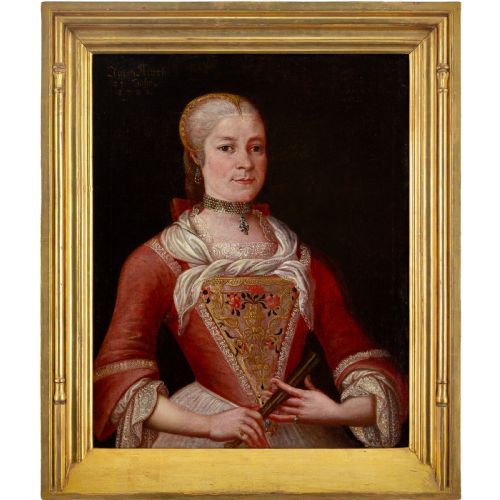
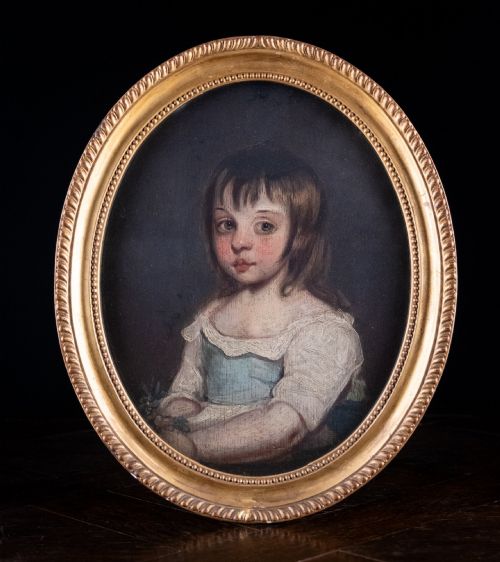
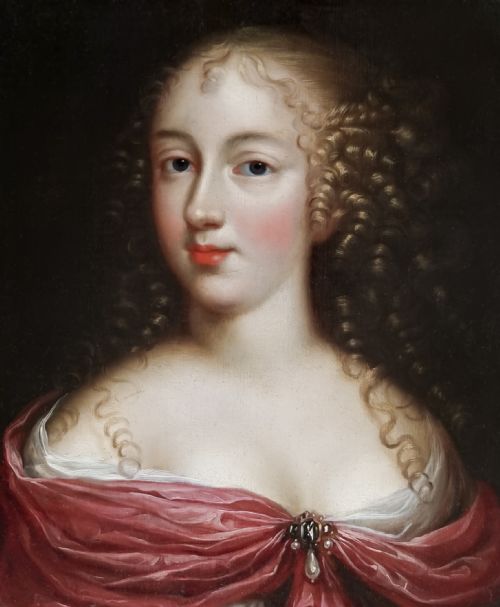
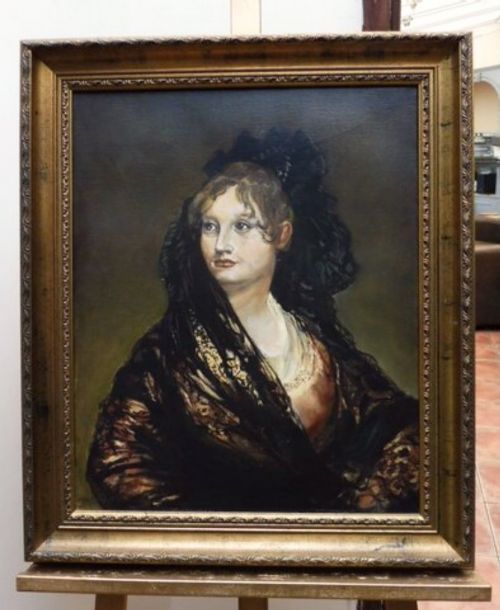
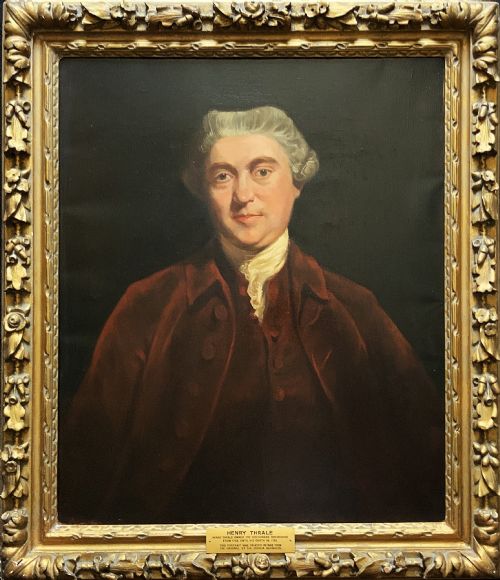
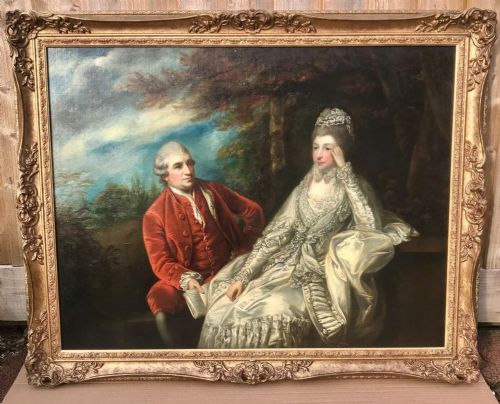
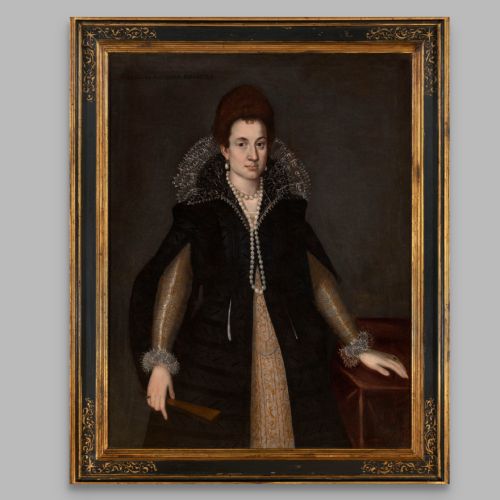
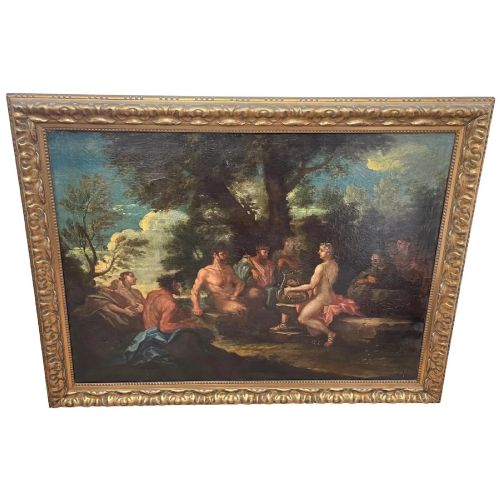
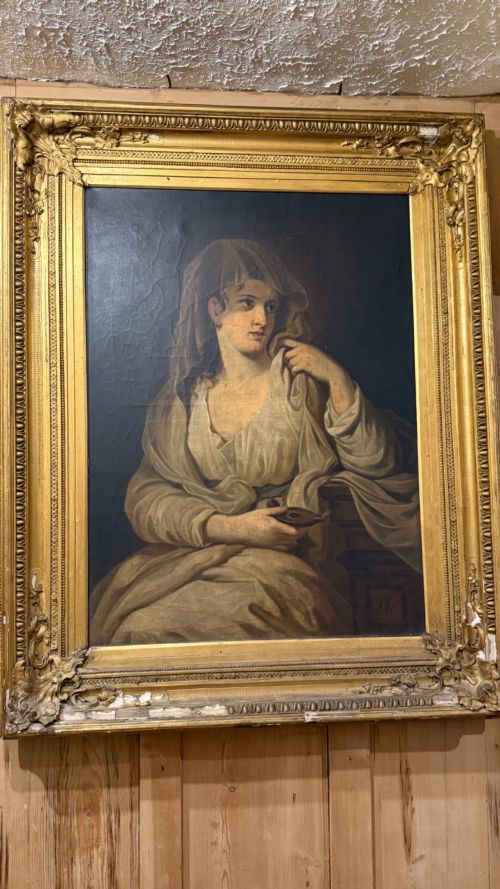
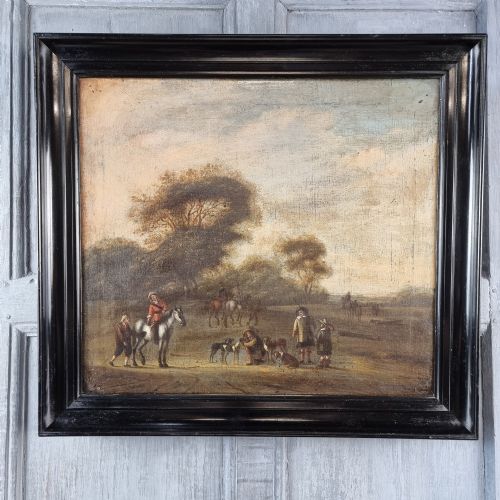
A classical fine oil painting encompasses portraiture, landscape and mythological scenes executed in oil paint. These works originate from various European schools, including Dutch, Flemish, Italian, Bavarian, Spanish and British traditions, spanning periods from the seventeenth century to the twentieth century.
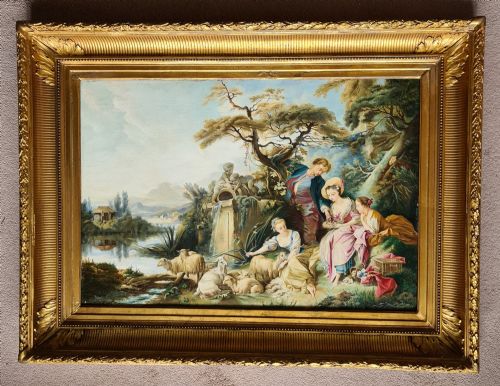
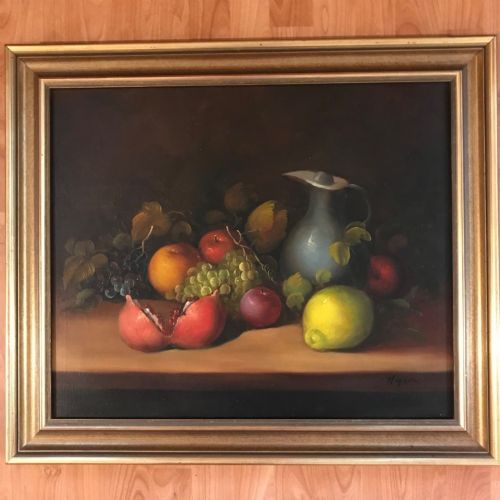
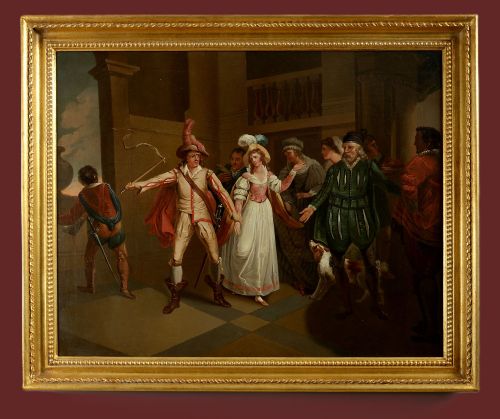
The subjects range from formal portraits of ladies, gentlemen and children to historical narratives, genre scenes and still lifes. Many pieces reflect stylistic influences such as the Baroque, the Dutch Golden Age, French Rococo, Neoclassicism and Victorian academic painting.
Buyers encounter both original period pieces by named masters or their circles and later interpretations or copies after significant artists. The physical formats vary from expansive canvases to intimate panels and zinc supports, frequently housed in period frames.
How they were made
The primary technique relies on oil paint applied to stretched canvas, wood panels or zinc plates. Artists built depth through successive layers of pigment, creating nuanced luminosity and tonal gradation characteristic of traditional painting methods.
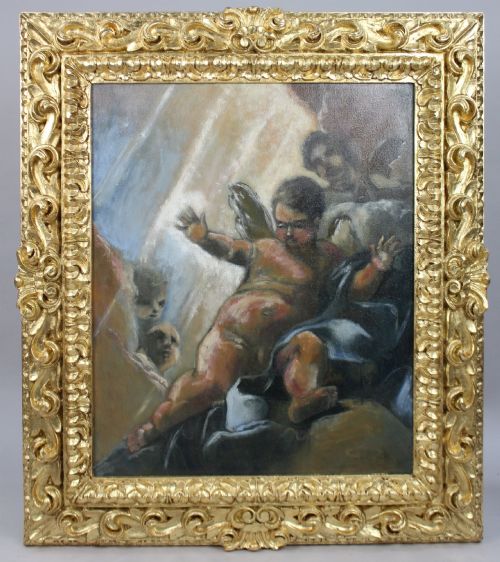
Frames play an integral role in the presentation and survival of these works, constructed from wood and embellished with gesso, gold leaf and carved giltwood details.
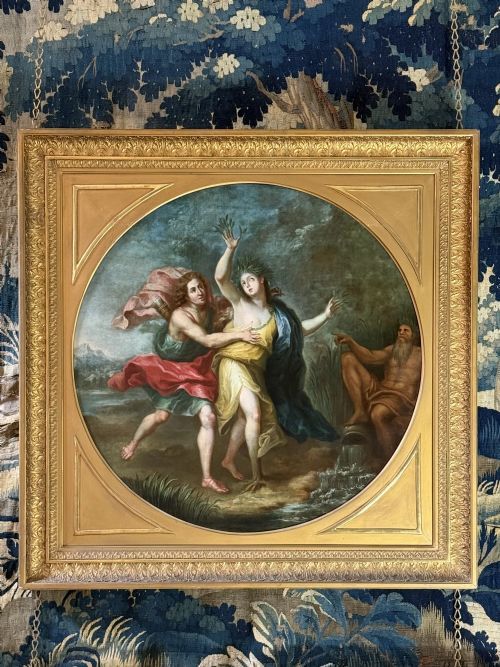
The selection includes mythological scenes depicting Apollo, Daphne and Venus alongside domestic portraits and grand tour landscapes.
What varies in quality
Quality resides in the precision of brushwork, the handling of light and shadow, and the anatomical or spatial accuracy achieved by the artist. Master paintings demonstrate confident draughtsmanship and psychological depth in portraiture or atmospheric cohesion in landscapes.
The integrity of the original surface, the presence of stable craquelure without extensive modern repainting, and the suitability of the accompanying carved giltwood or gesso frame also define the standing of a work.
Charles Antoine Coypel·Pierre Mignard·Francisco Jose de Goya y Lucientes·Sir Joshua Reynolds·Allan Ramsay·Robert Byng·Jacob Philipp Hackert·Toussaint Gelton·Guillaume Courtois·Renato Moretti·Theodore Jensen·Antoine Calbet·John Watkins Chapman·William Etty·Allan Douglas Davidson·Carl Johan Fahlcrantz·Cornelis Van Poelenburgh·Thomas Edward Roberts
The Classical Fine Oil Painting Glossary
- Oil on Canvas
- A painting technique utilising pigments bound in a drying oil medium applied to a woven fabric support. This method allows for subtle blending and rich texture.
- Giltwood
- Wood that has been coated with gold leaf or powder. It forms the decorative and reflective surface of many antique frames.
- Gesso
- A plaster-like mixture used as a base coat on wood panels or frame mouldings before gilding or painting. It provides a smooth and stable ground.
- Circle of
- A term used when a work is produced by an unrecorded artist working closely within the orbit of a known master during their lifetime. It reflects the direct stylistic influence of the primary figure.
- Old Master
- A term applied to European painters of skill working before the nineteenth century. These artists formed the foundation of traditional fine art.
Classical Fine Oil Painting: Frequently Asked Questions
What periods do these paintings come from?
The selection spans from the seventeenth century through the eighteenth and nineteenth centuries into the early twentieth century. You will find works representing the seventeenth-century Dutch Golden Age, eighteenth-century Georgian portraiture, and Victorian academic pieces.
Each period brings distinct stylistic conventions, from Baroque drama and Neoclassical proportion to the narrative focus of nineteenth-century British and continental schools.
Are these paintings original works?
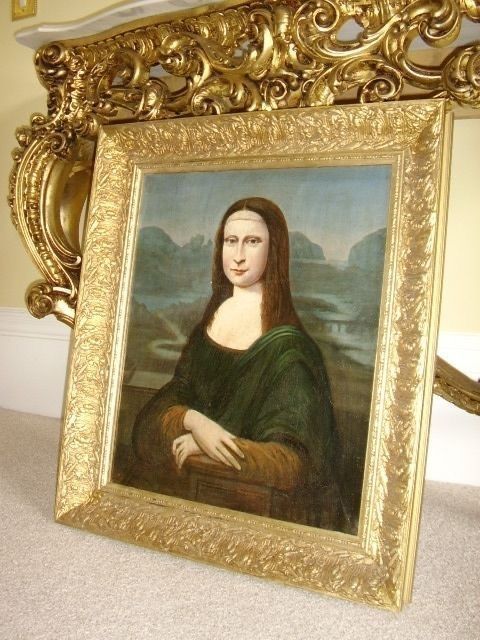
The category includes original period works by listed painters, pieces produced by their studios or followers, and traditional interpretations after famous masters such as Leonardo da Vinci or Sir Joshua Reynolds.
Each listing identifies the relationship between the creator and the piece, distinguishing direct authorship from studio production or later retrospective study.
What surfaces were used for these paintings?
Artists utilised woven canvas stretched over wooden frames, solid wood panels and metal supports such as zinc panels. Canvas allowed for large-scale compositions, whilst panels and zinc provided rigid grounds for detailed brushwork.
The choice of support often aligns with the period and the regional school of the artist, influencing the preservation of the pigment layer.
How should I care for an antique oil painting?
Keep paintings away from direct sunlight, high humidity and sudden temperature fluctuations that cause wood and canvas to expand or contract. Display them on stable interior walls in rooms with consistent environmental controls.
Dust the surface gently with a soft, dry brush and avoid applying chemical cleaning agents or water to the paint layer or the gilded frame.