




Religious Devotional Artwork
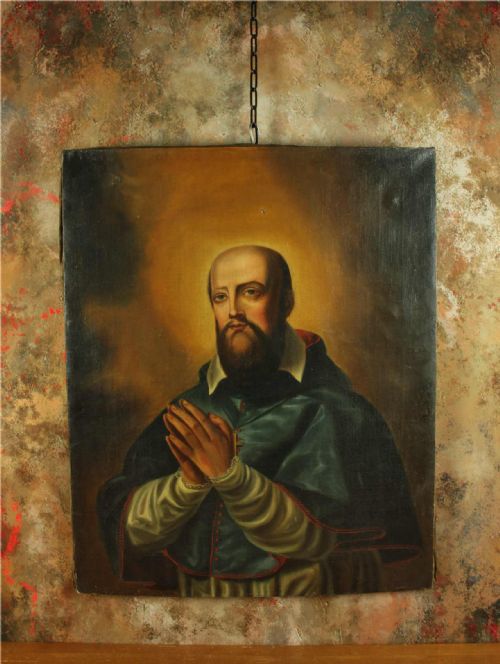
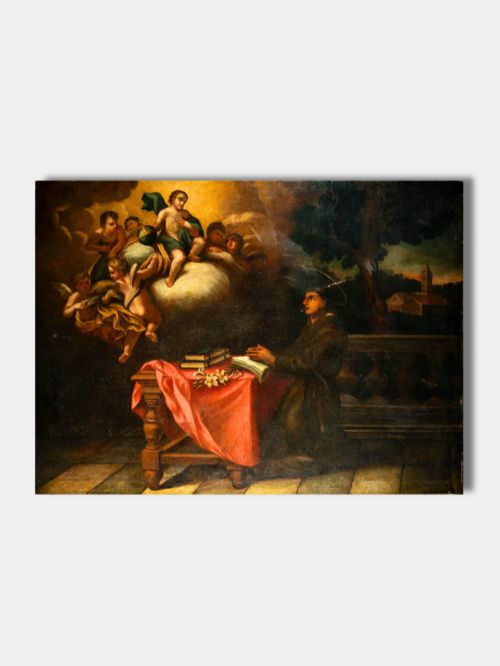
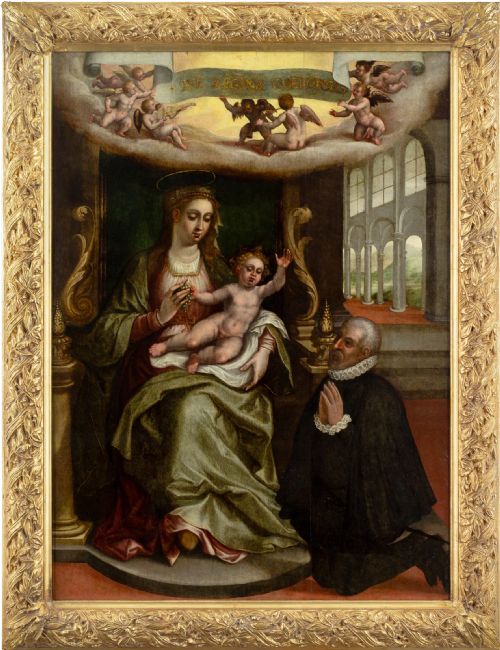
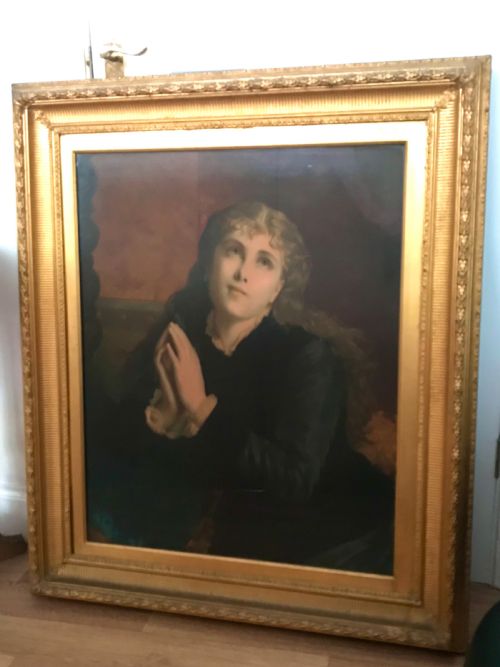
Religious devotional artwork spans centuries of sacred portraiture, altar panels and contemplative scenes designed for prayer.
Religious Devotional Artwork
Religious devotional artwork encompasses sacred imagery created to aid personal prayer and ecclesiastical worship across European traditions. Buyers examining this category encounter works ranging from intimate domestic icons to monumental canvases intended for chapel altars. The selection spans the sixteenth, seventeenth and eighteenth centuries, with distinct Italian, Spanish and Central European stylistic lineages.
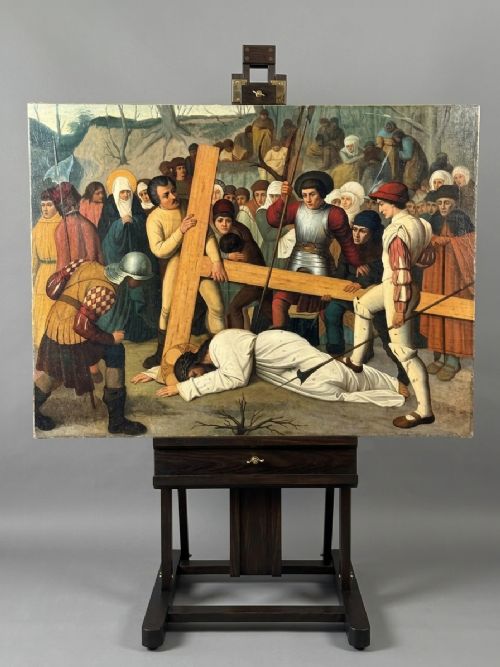
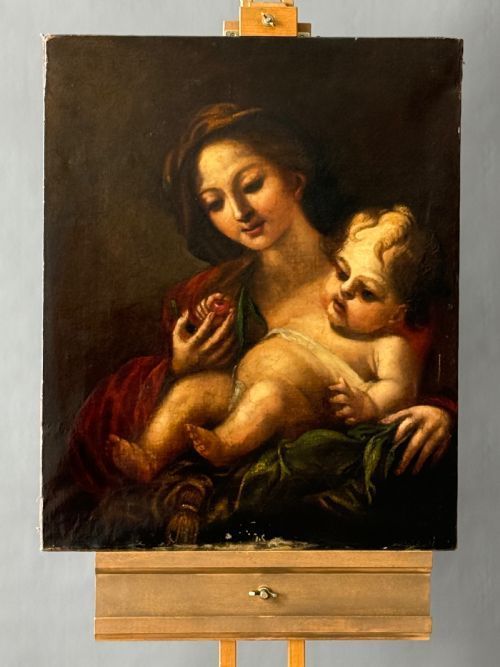
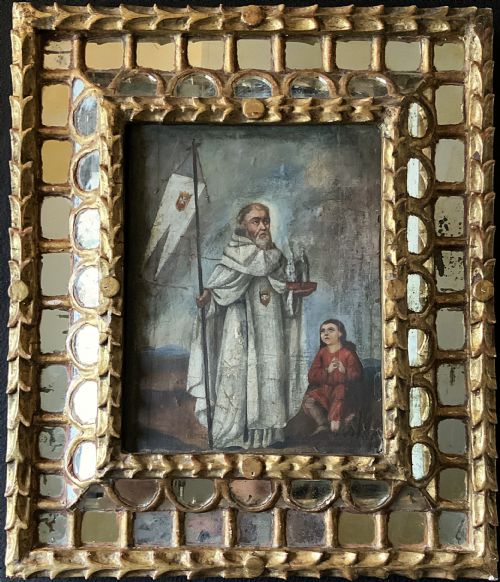
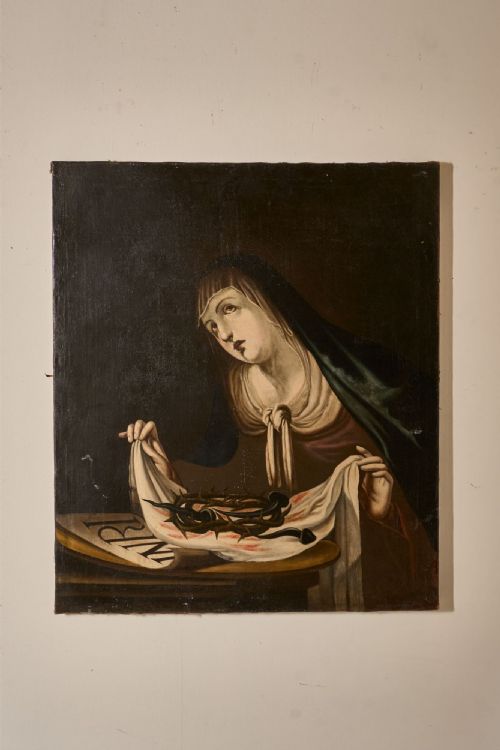
The most common formats on this page are oil paintings on canvas or wood panel, alongside framed prints, reverse glass mezzotints and enamel plaques. Subjects frequently depict the Madonna and Child, saints, and biblical narratives rendered in Baroque, Renaissance Revival and Gothic styles. These pieces carry the marks of private devotion, often retaining original giltwood frames or inscribed dedications.
Materials and Construction
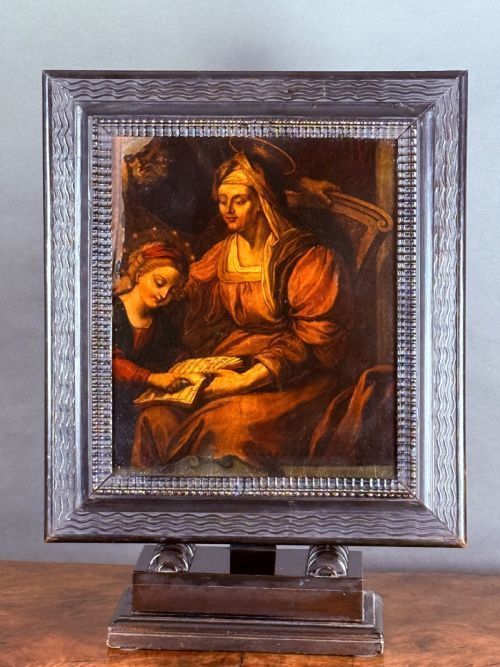
Painters of these devotional pieces applied oil paint and gold leaf to stretched canvas, prepared wood panels and fruitwood supports. Pigments were layered to achieve deep drapery tones and luminous flesh surfaces, frequently framed by carved and gilded wood mouldings. Reverse glass techniques required meticulous painting applied directly to the rear of the glass plate to create a reflective pictorial finish.
Enamel plaques utilised vitrified glass powders fused to metal backings through high-temperature firing to ensure lasting colour brilliance. Historic framing methods relied on joinery specific to the period, with pine or hardwood substructures supporting the primary artistic medium.
Listings feature sixteenth-century Renaissance panels alongside seventeenth-century Baroque oils and nineteenth-century glass paintings.
Factors That Determine Quality
Quality in these devotional works rests upon the execution of the draftsmanship and the sophistication of the brushwork within the drapery and facial expressions. Pieces originating from the hand of a recognised master or a closely connected workshop display anatomical precision and emotional resonance absent in simpler provincial copies. The integration between the artwork and its period frame further influences the standing of the piece.
Preservation of the original paint layer dictates the integrity of the composition, where minimal overpainting maintains the artist's original touch. The depth of the theological iconography and the complexity of the narrative programme also separate standard devotional items from works of high art historical importance.
Jozef Jansessens·Bernardino Luini·Miguel Barroso·Benvenuto Tisi·Costantino Frixione·Raffaello Sanzio Da Urbino·Juan Ruiz Soriano·Gaspar de Figueroa·Girolamo Dai Libri·Guido Reni·Reynard Le Vieux
The Religious Devotional Artwork Glossary
- Oil on Canvas
- Pigment bound in drying oil applied to a woven fabric support. This technique allowed artists to achieve rich tonal gradations and subtle blending.
- Reverse Glass Painting
- An image painted directly onto the back side of a glass sheet and viewed from the front. The technique produces a glossy surface with luminous colour depth.
- Giltwood
- Wood that has been coated with a thin layer of gold leaf or gold paint. It frequently frames altarpieces and devotional portraits to denote sacred status.
- Icon
- A panel painting depicting holy figures, traditionally venerated in Eastern and Western Christian churches. These objects serve as windows to the divine during private prayer.
- Baroque
- An artistic style prevalent from the seventeenth century characterised by dramatic lighting, deep shadows and intense emotional expression. Works in this mode emphasise movement and theatricality.
- Ex-Voto
- A votive offering presented to a saint or divinity in fulfilment of a vow or in gratitude for a grace received. These devotional items often record miraculous interventions.
Religious Devotional Artwork: Frequently Asked Questions
How were these paintings used?
Devotional artworks were placed in domestic chambers, private chapels and religious institutions to focus the mind during daily prayer and meditation. Owners used them as intermediaries for intercession, often lighting candles before them.
Larger altarpieces anchored church liturgies, while smaller portable panels and miniatures accompanied travellers on their journeys as portable shrines.
How do I date a religious painting?
Dating relies upon stylistic markers such as the treatment of drapery, facial typology, and the construction techniques of the underlying canvas or wood panel. Pigment analysis and frame joinery also provide reliable chronological indicators.
Comparative study against dated works by known schools or followers helps narrow the decade of creation.
What is a reverse glass painting?
A reverse glass painting is created by applying pigments directly to the rear surface of a glass sheet, building the composition from the foreground details back to the background. When viewed from the front, the glass protects the paint and imparts a brilliant, polished sheen.
This technique was popular for popular devotional prints and folk icons throughout the eighteenth and nineteenth centuries.
How should I care for an antique devotional painting?
Keep the artwork away from direct sunlight, high humidity and sudden temperature fluctuations to protect the fragile oil pigments and wood supports. Dust the surface gently with a soft, dry brush without applying moisture or cleaning agents.
Ensure that wall-hung pieces are secured with appropriate hardware that supports the weight of the original frame.